Explore the Map
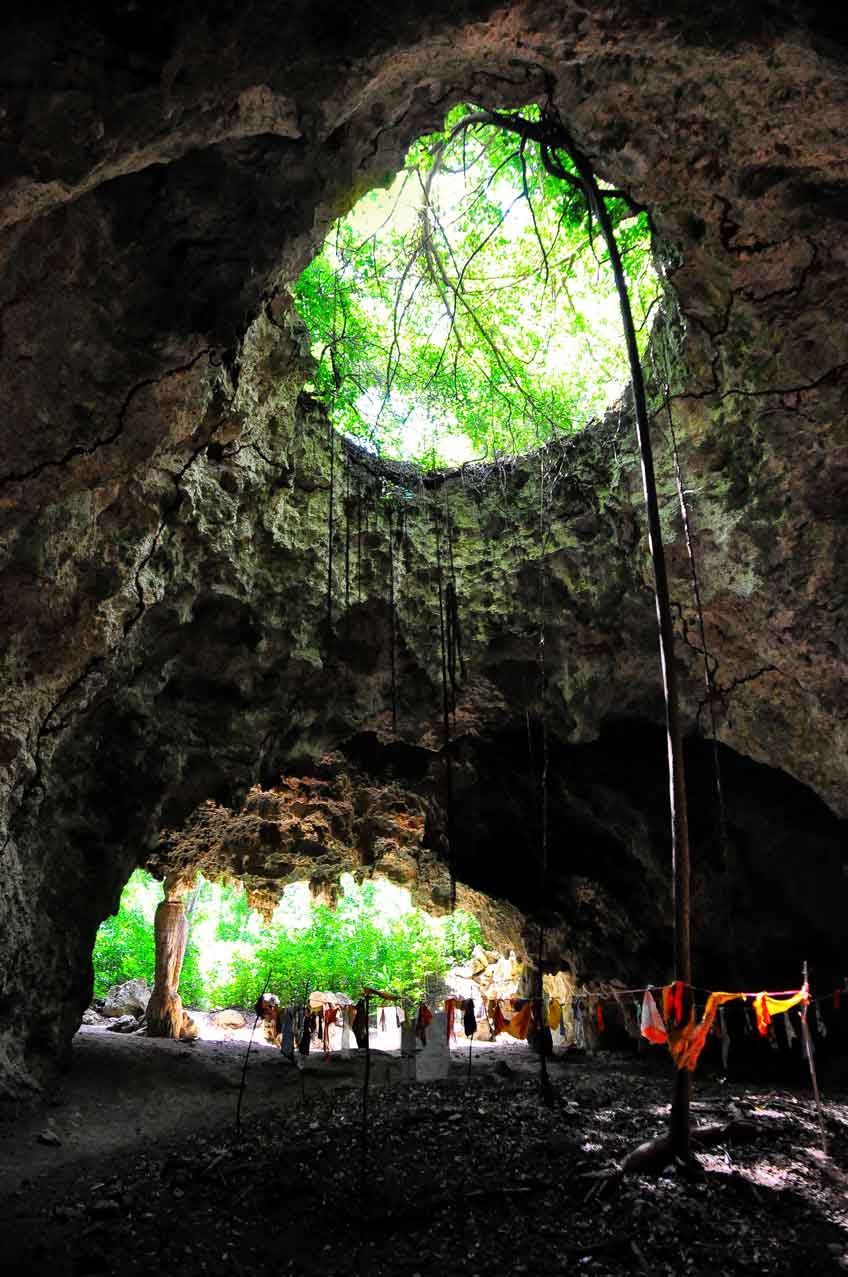
Kuumbi Cave
-6.3611° N, 39.5425° E
About
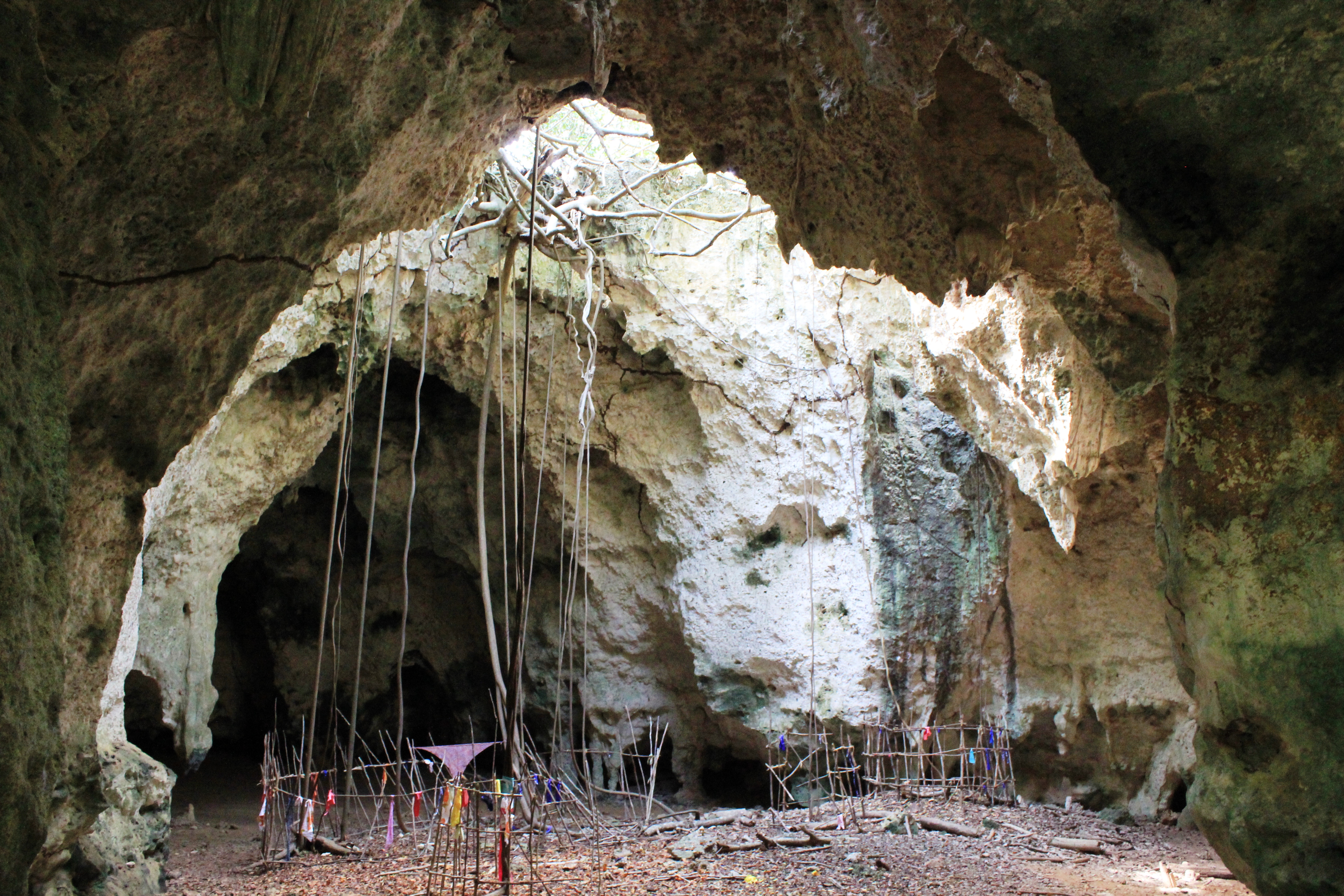
Kuumbi Cave, located on Unguja Island in Tanzania, is a significant archaeological site that offers insights into human occupation patterns over the last 22,000 years. Formed by the collapse of a limestone terrace, the cave has been intermittently occupied and serves as a testament to the adaptability of early human societies. The archaeological record, though mixed due to stratigraphic challenges, reveals evidence of stone tool production, marine resource use, and bone tool craftsmanship. Notably, human remains dating back 12,000 years and domestic animal remains suggest complex occupation phases. The cave's sacred status among the Hadimu people highlights its cultural importance, while its diverse archaeological finds contribute to our understanding of human prehistory on the East African coast.
Gallery
Explore photographs of ancient structures, artifacts, and archaeological excavations
Historical Timeline
Journey through time and discover key events in this site's history
Holocene Occupation
600 CE
Human Remains Under Cairn
12,000 years ago
Marine Shells Occupation
19,000 years ago
Formation of Kuumbi Cave
20,000 years ago
Late Pleistocene Occupation
22,000 years ago
Archaeological Features
Unique architectural and cultural elements found at this historical site
Burial and Funerary Structures
Domestic and Habitation Structures
Environmental and Natural Features
Plan Your Visit
Tours, travel arrangements, and practical information
More Sites in Tanzania

Tanga Island
Uninhabited island with medieval ruins
Tongoni Ruins
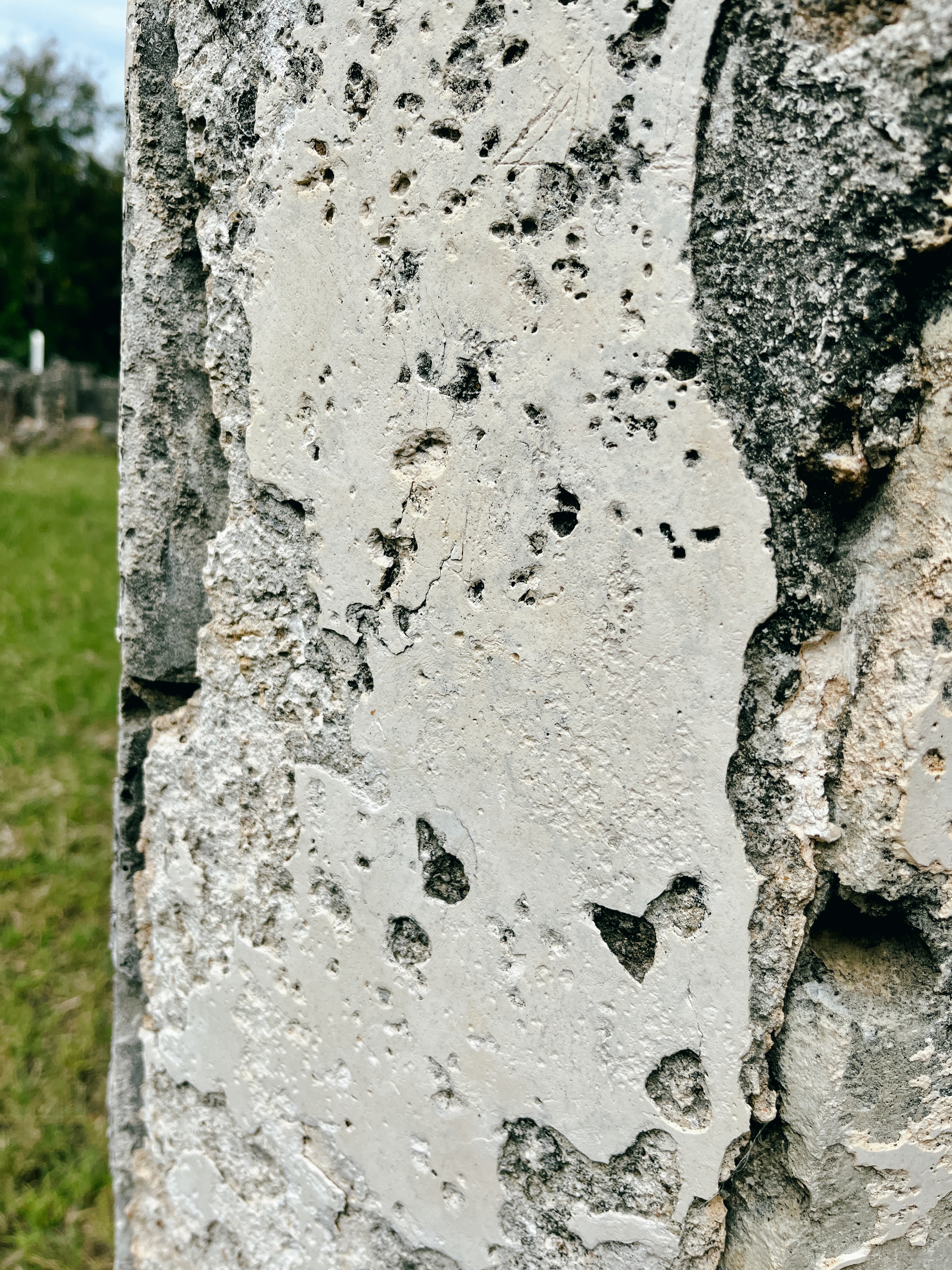
15th-century Swahili ruins with mosque and tombs.
Mumba Cave
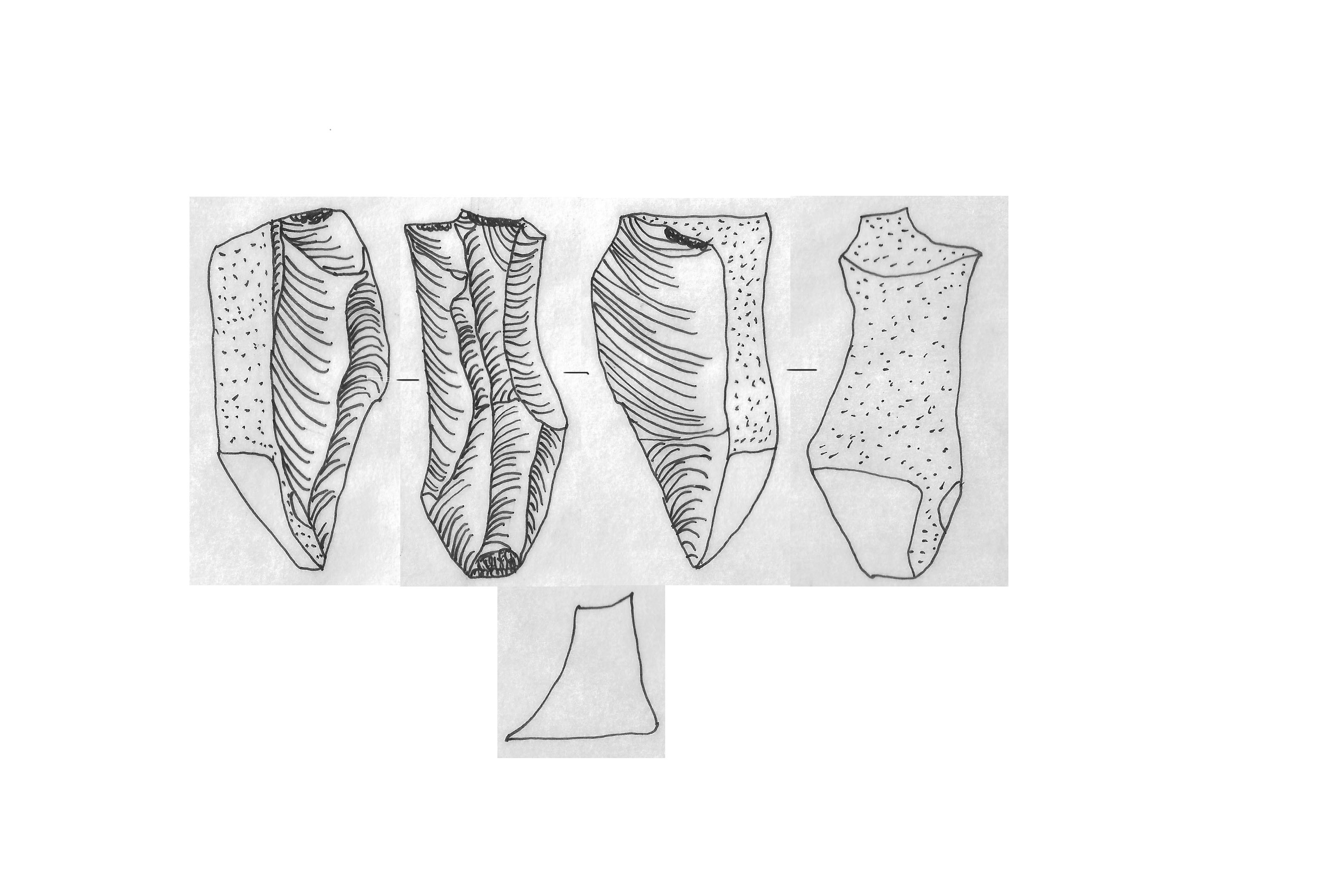
Transitional Middle to Late Stone Age cave
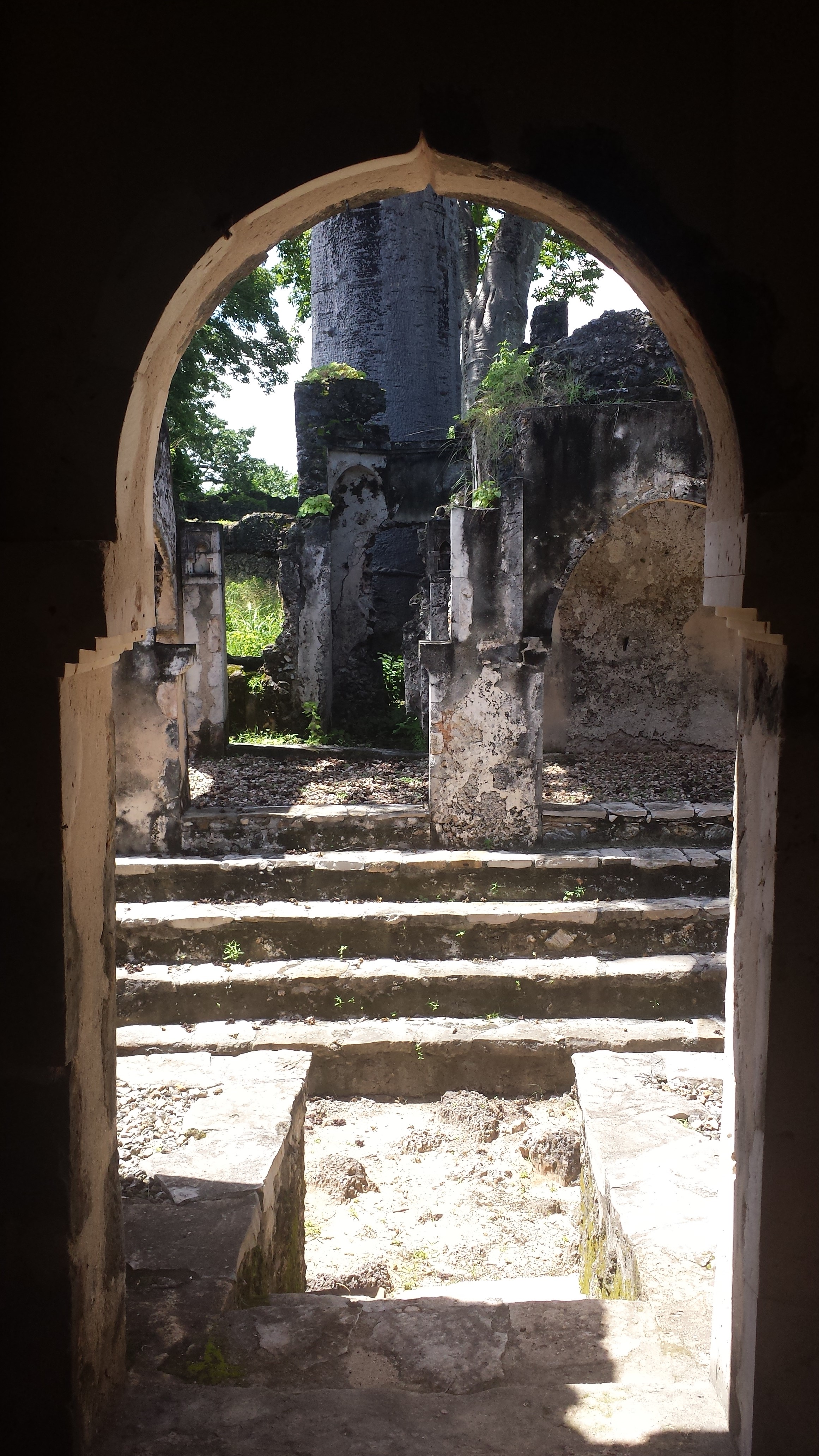
Songo Mnara
Medieval Swahili stone town on island
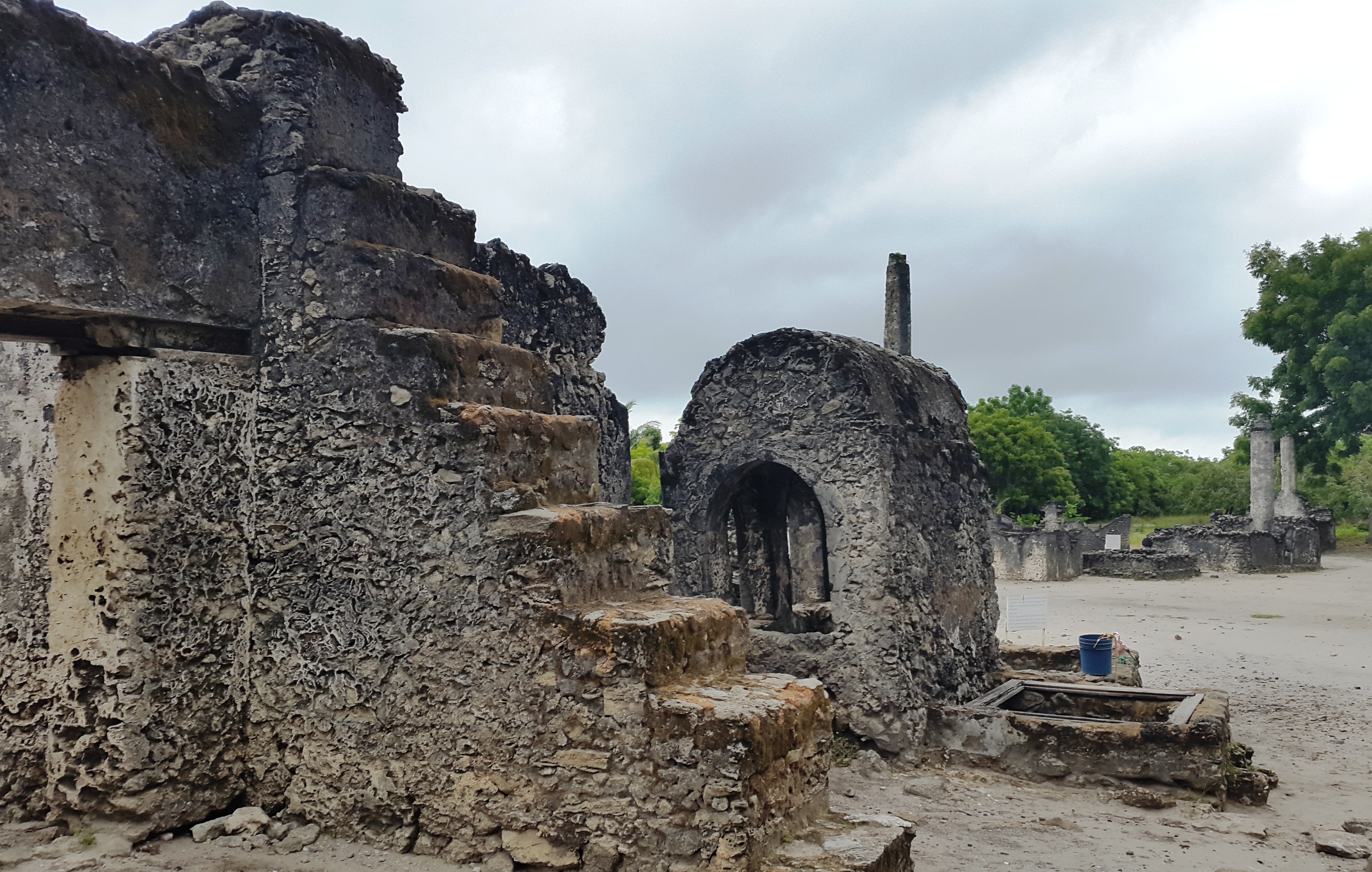
Kaole
Swahili ruins with mosques and tombs.
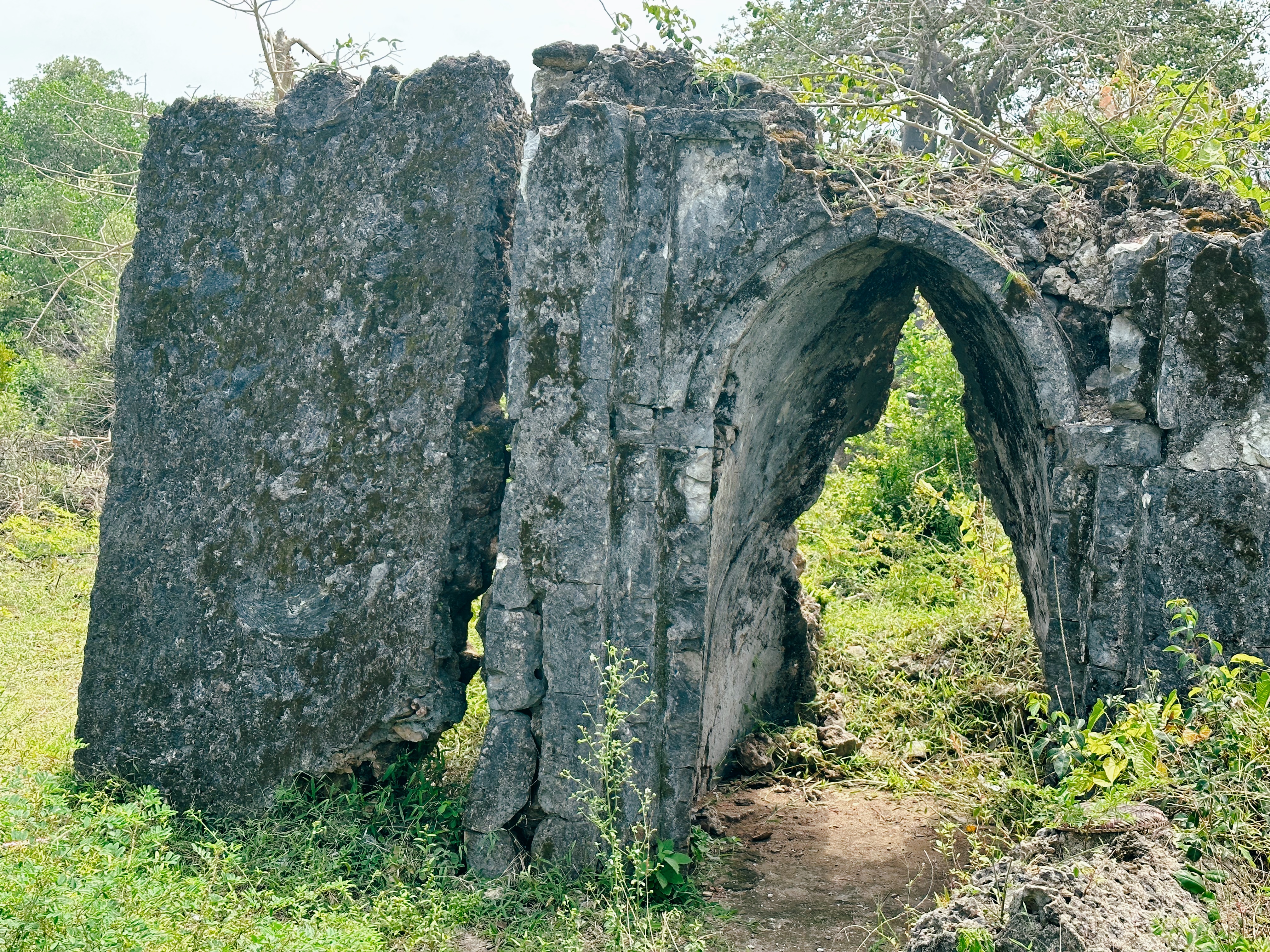
Mbutu Bandarini
Medieval Swahili ruins with mosque and artifacts