Explore the Map
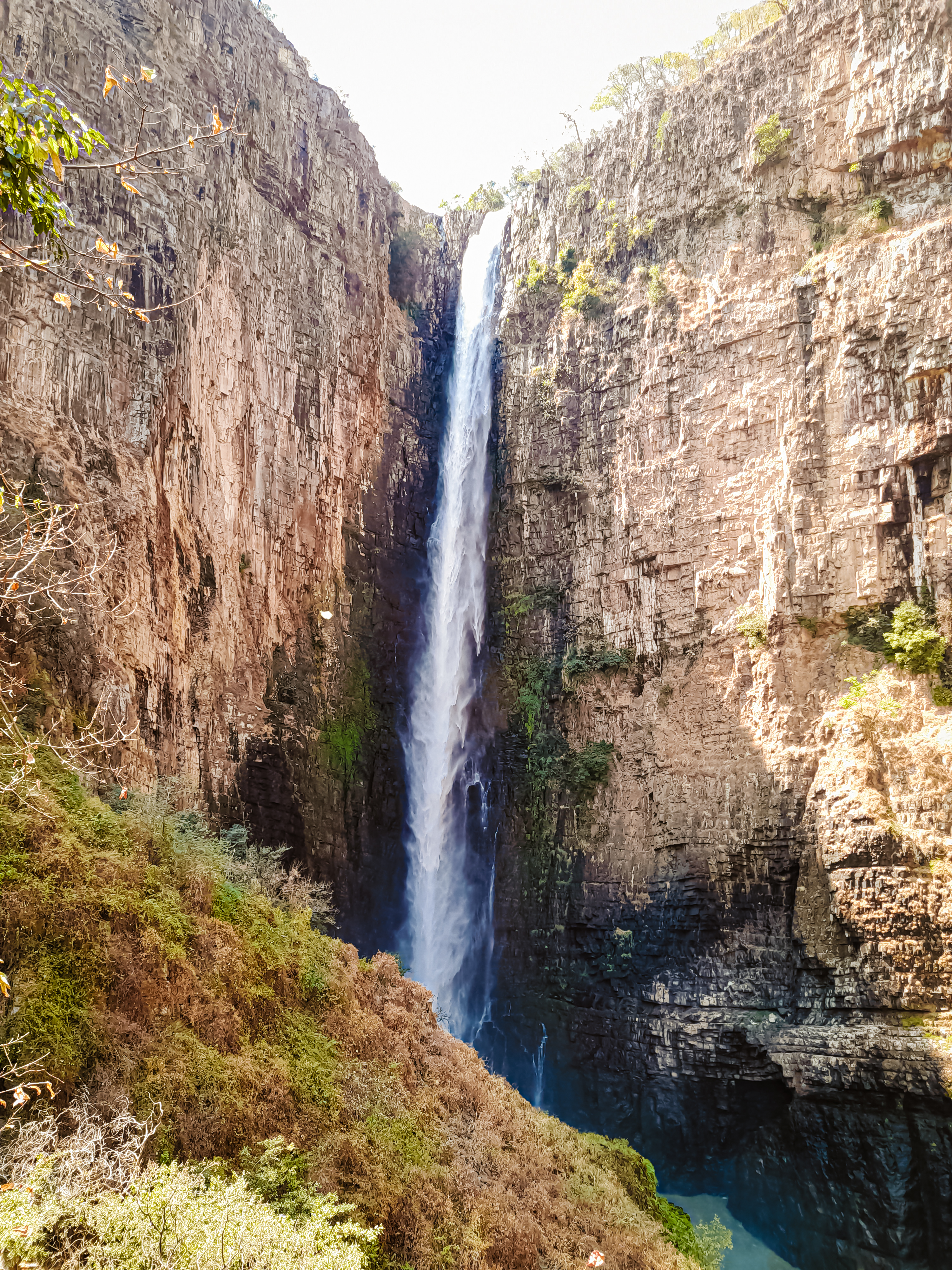
Kalambo Falls Prehistoric Site
-8.5833° N, 31.2333° E
About
The Kalambo Falls Prehistoric Site, located in the Kalambo District of the Rukwa Region in Tanzania, is an archaeologically significant site explored by Professor John Desmond Clark between 1956 and 1959. The site offers a remarkable window into human prehistory, featuring a comprehensive stratified sequence spanning from the early Stone Age through to the Iron Age. The archaeological findings, primarily preserved within residential floors, highlight human habitation and technological development over a vast temporal range. The rich stratigraphy reveals key insights into the lifestyle, environmental adaptation, and cultural evolution of ancient communities in the region. The site's significance lies in its potential to enhance the understanding of prehistoric human occupation and technological transitions in East Africa.
Gallery
Explore photographs of ancient structures, artifacts, and archaeological excavations
Historical Timeline
Journey through time and discover key events in this site's history
Iron Age Occupation
unknown BCE
Stone Age Occupation
unknown BCE
Archaeological Features
Unique architectural and cultural elements found at this historical site
Environmental and Natural Features
Frequently Asked Questions
Plan Your Visit
Tours, travel arrangements, and practical information
More Sites in Tanzania
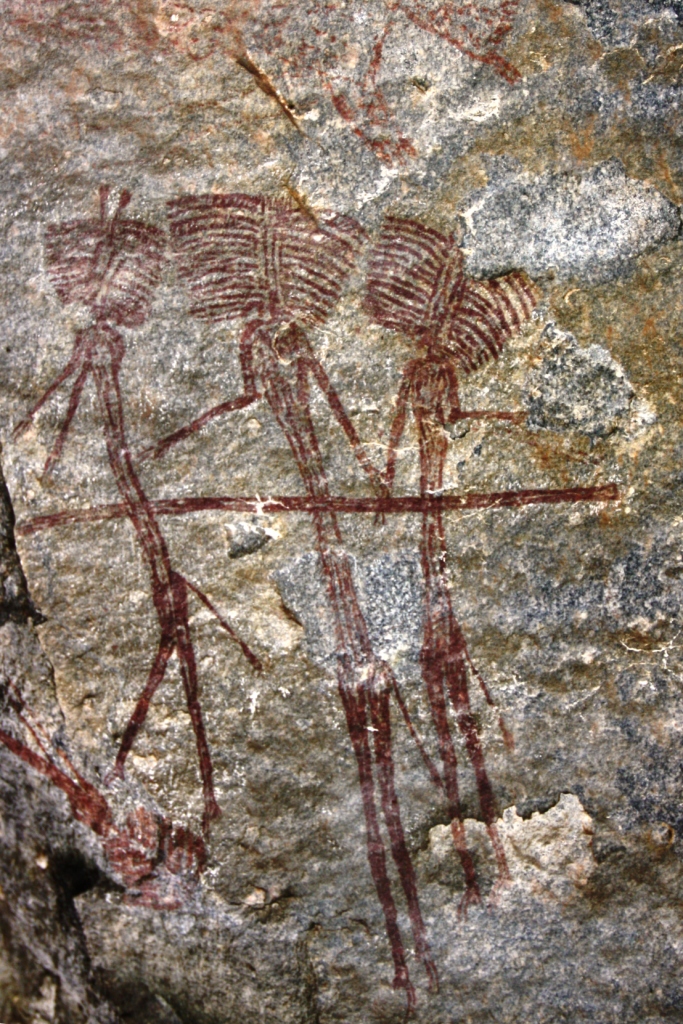
Kondoa Rock-Art Sites
Ancient rock paintings in Tanzania shelters.
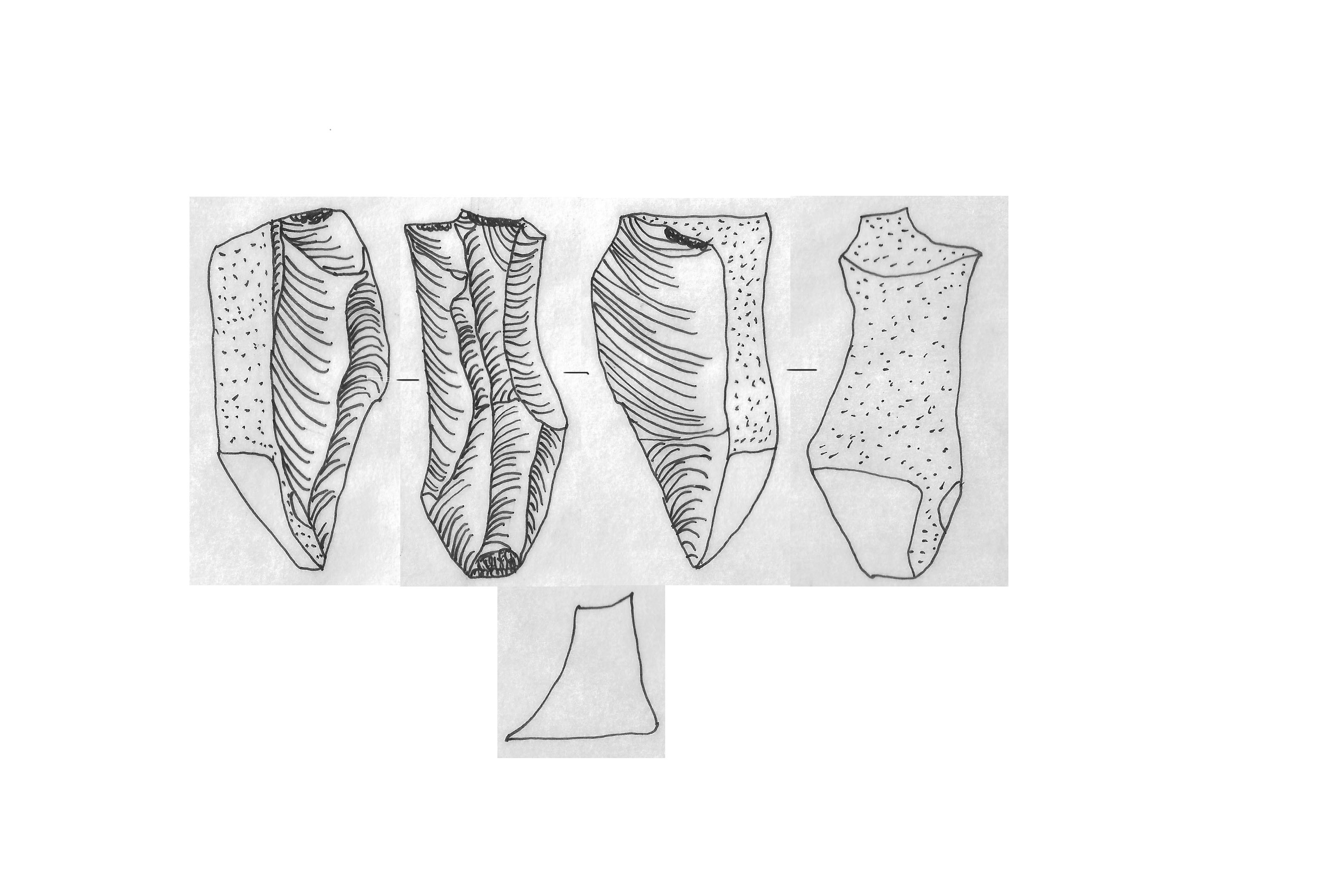
Mumba Cave
Transitional Middle to Late Stone Age cave
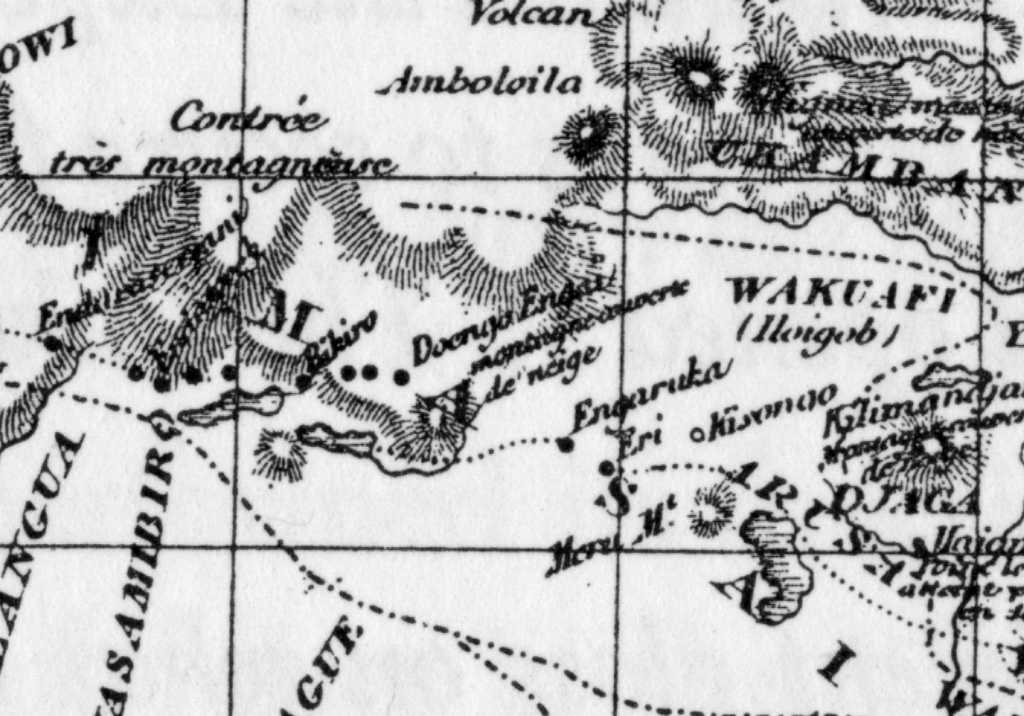
Engaruka
Iron Age irrigation ruins in northern Tanzania
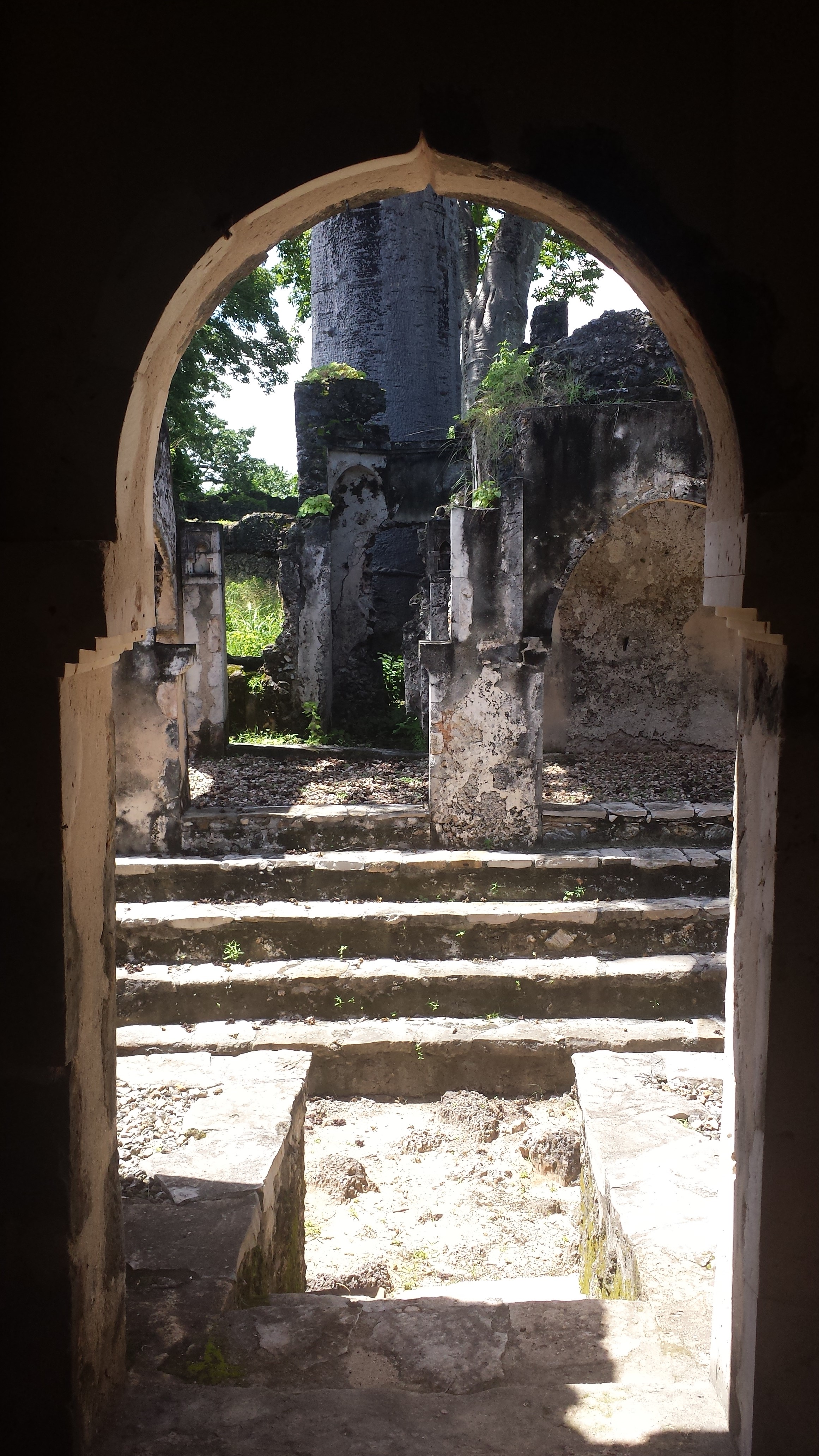
Songo Mnara
Medieval Swahili stone town on island
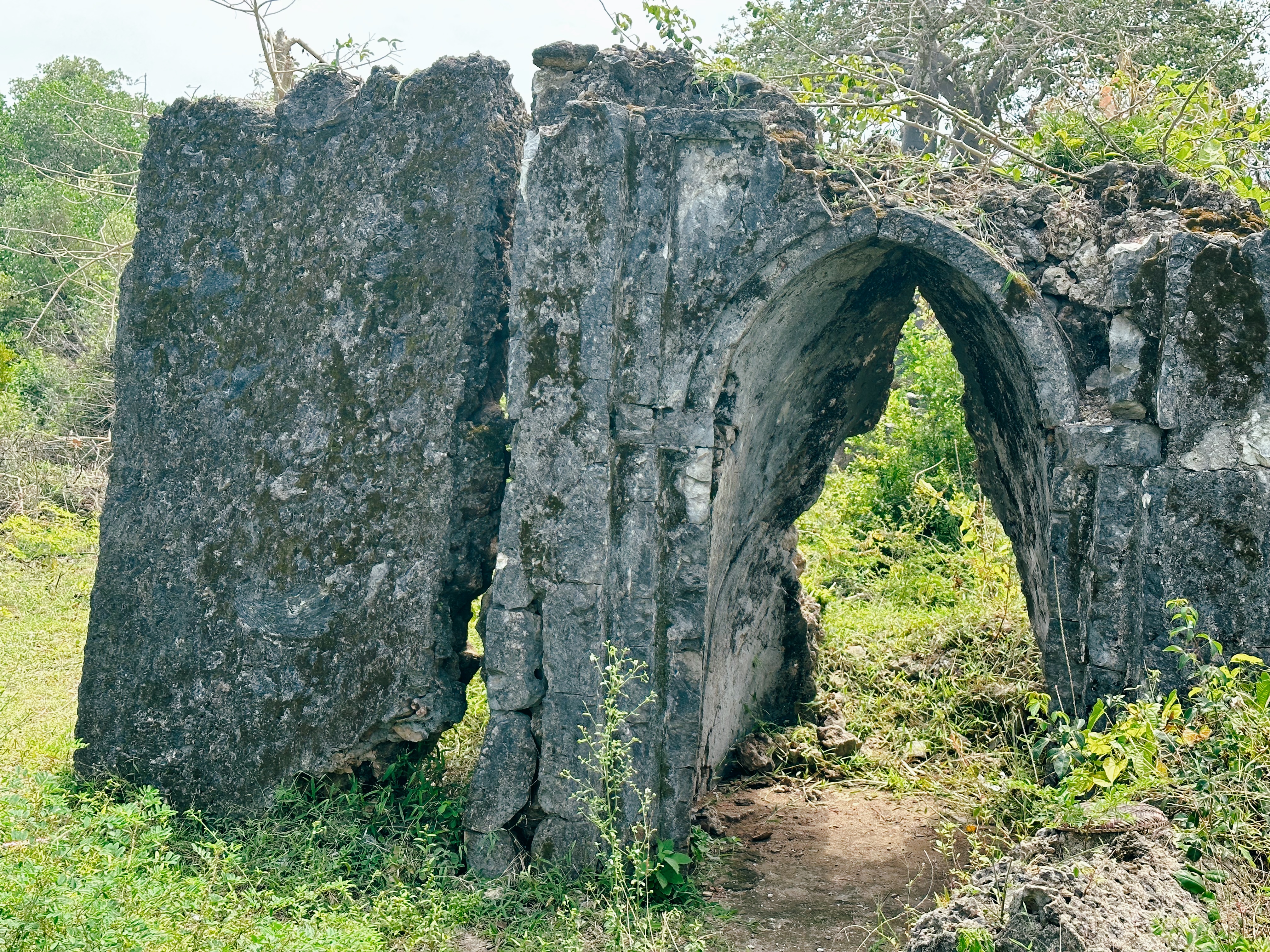
Mbutu Bandarini
Medieval Swahili ruins with mosque and artifacts
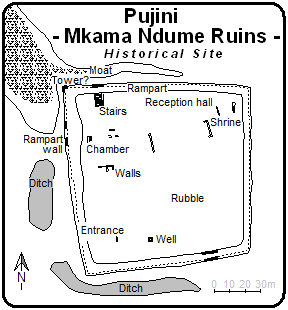
Mkama Ndume
Medieval Swahili palace ruins with fortifications.