Explore the Map
Kemondo Iron Age Sites
-1.4581° N, 31.7744° E
About
The Kemondo Iron Age Sites, designated as KM2 and KM3, are significant Early Iron Age industrial archaeological sites located in the Kagera Region of Tanzania. These sites, excavated by Peter Schmidt and his team, reveal advanced iron smelting technologies, including the use of preheated air blasts, which contributed to high combustion temperatures. The KM2 and KM3 sites feature numerous furnaces, industrial refuse pits, and evidence of ritualistic practices associated with iron production. Radiocarbon dating at these sites indicates occupation from the 3rd century BCE through the 7th century CE, with distinct phases of industrial activity. The findings illustrate the technological advancements and cultural practices of early ironworking societies in East Africa, particularly among the Haya people, marking a significant chapter in the history of metallurgy.
Historical Timeline
Journey through time and discover key events in this site's history
First occupation period
300 BCE - 200 BCE
First industrial period
100 CE - 200 CE
Second industrial period
300 CE
Third industrial period
400 CE - 500 CE
Final industrial period
600 CE - 700 CE
Archaeological Features
Unique architectural and cultural elements found at this historical site
Industrial and Craft Structures
Religious and Ritual Structures
Environmental and Natural Features
Frequently Asked Questions
Plan Your Visit
Tours, travel arrangements, and practical information
More Sites in Tanzania
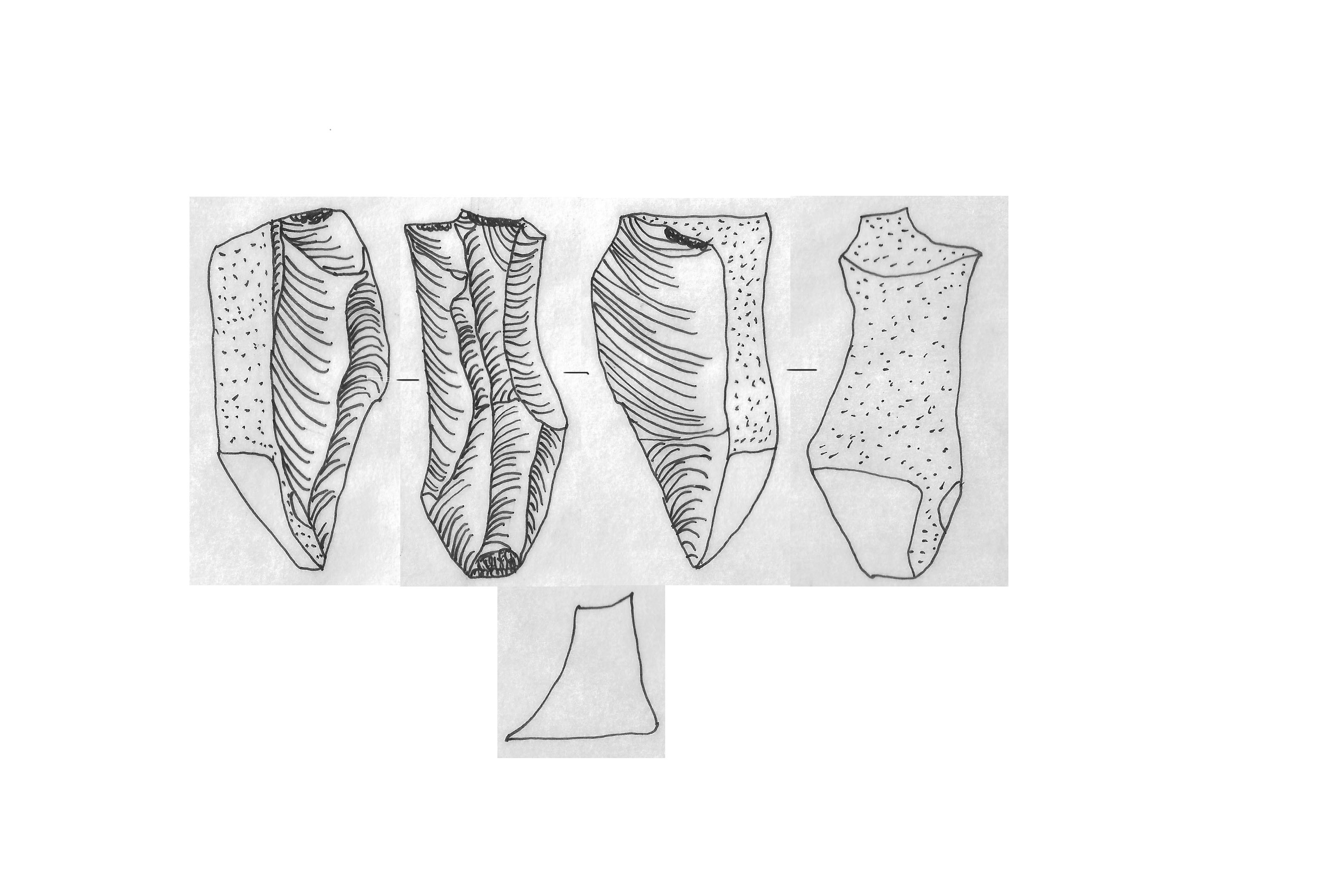
Mumba Cave
Transitional Middle to Late Stone Age cave
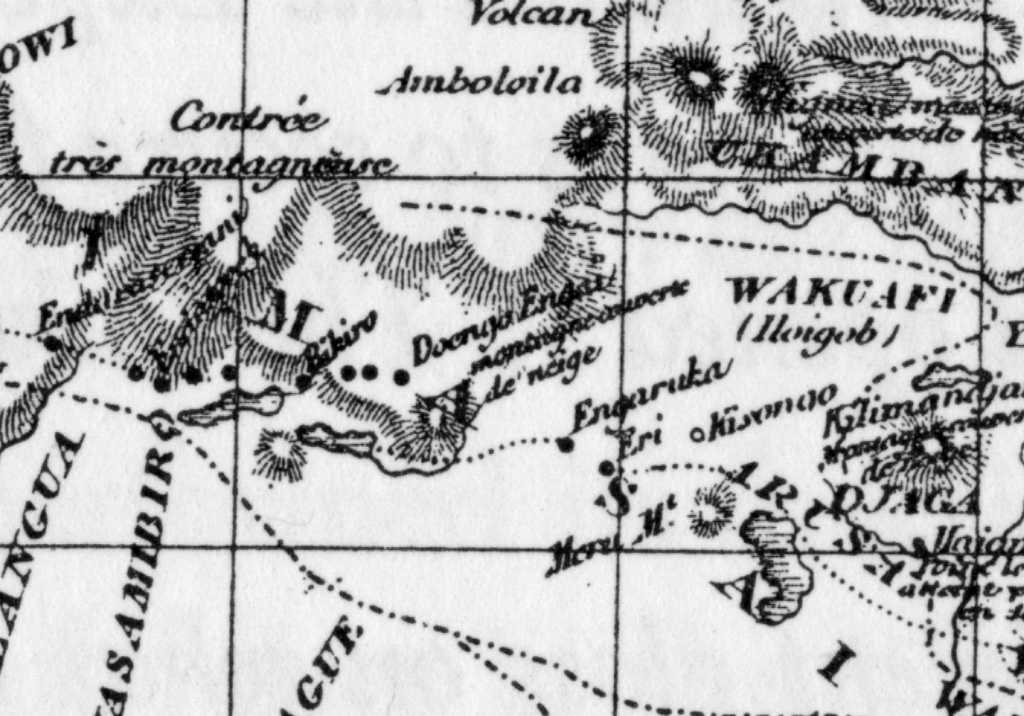
Engaruka
Iron Age irrigation ruins in northern Tanzania
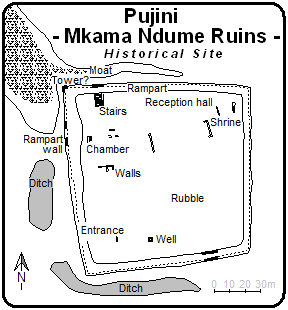
Mkama Ndume
Medieval Swahili palace ruins with fortifications.
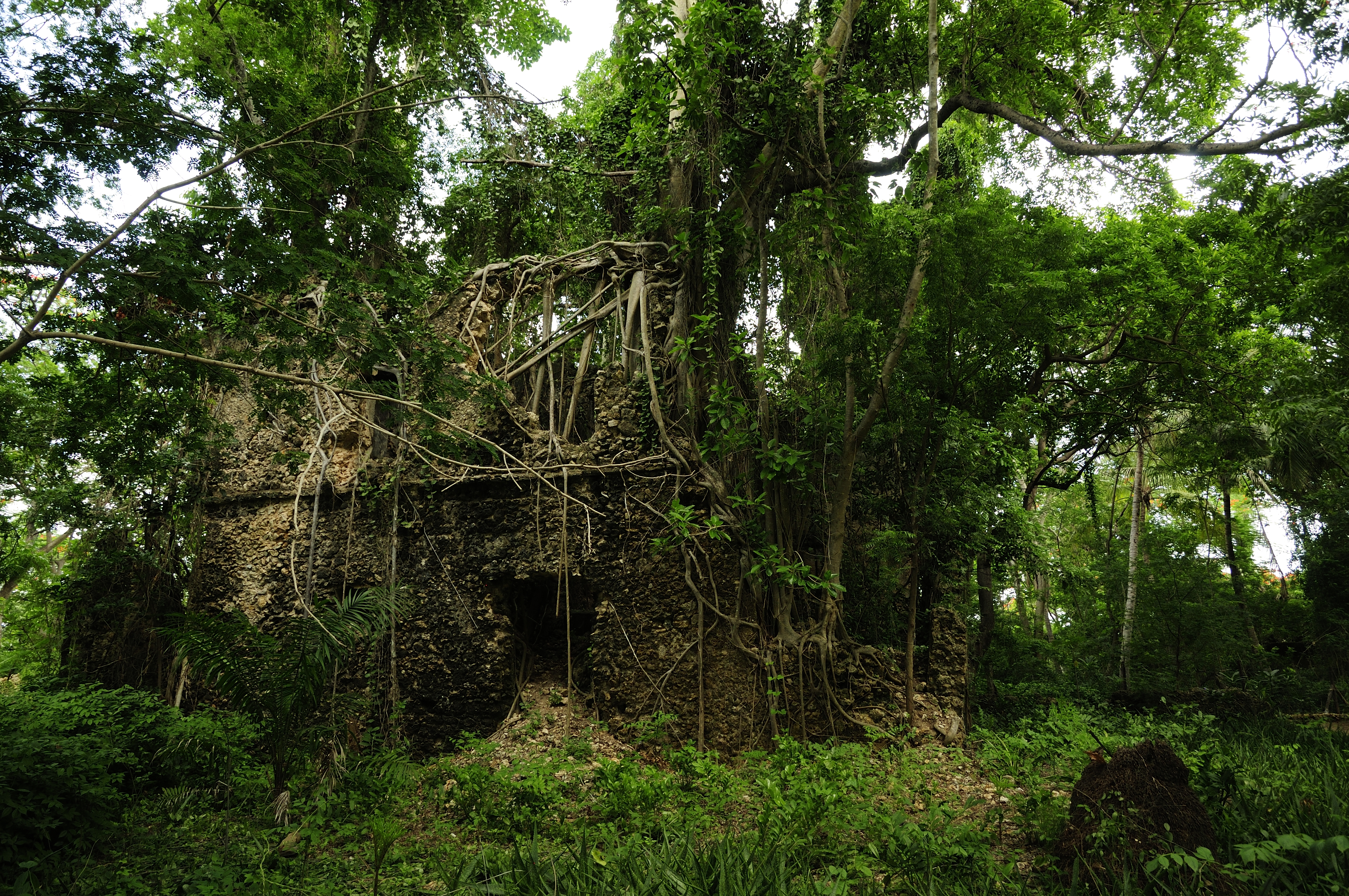
Kua Ruins
Medieval Swahili settlement with coral-stone structures

Tanga Island
Uninhabited island with medieval ruins
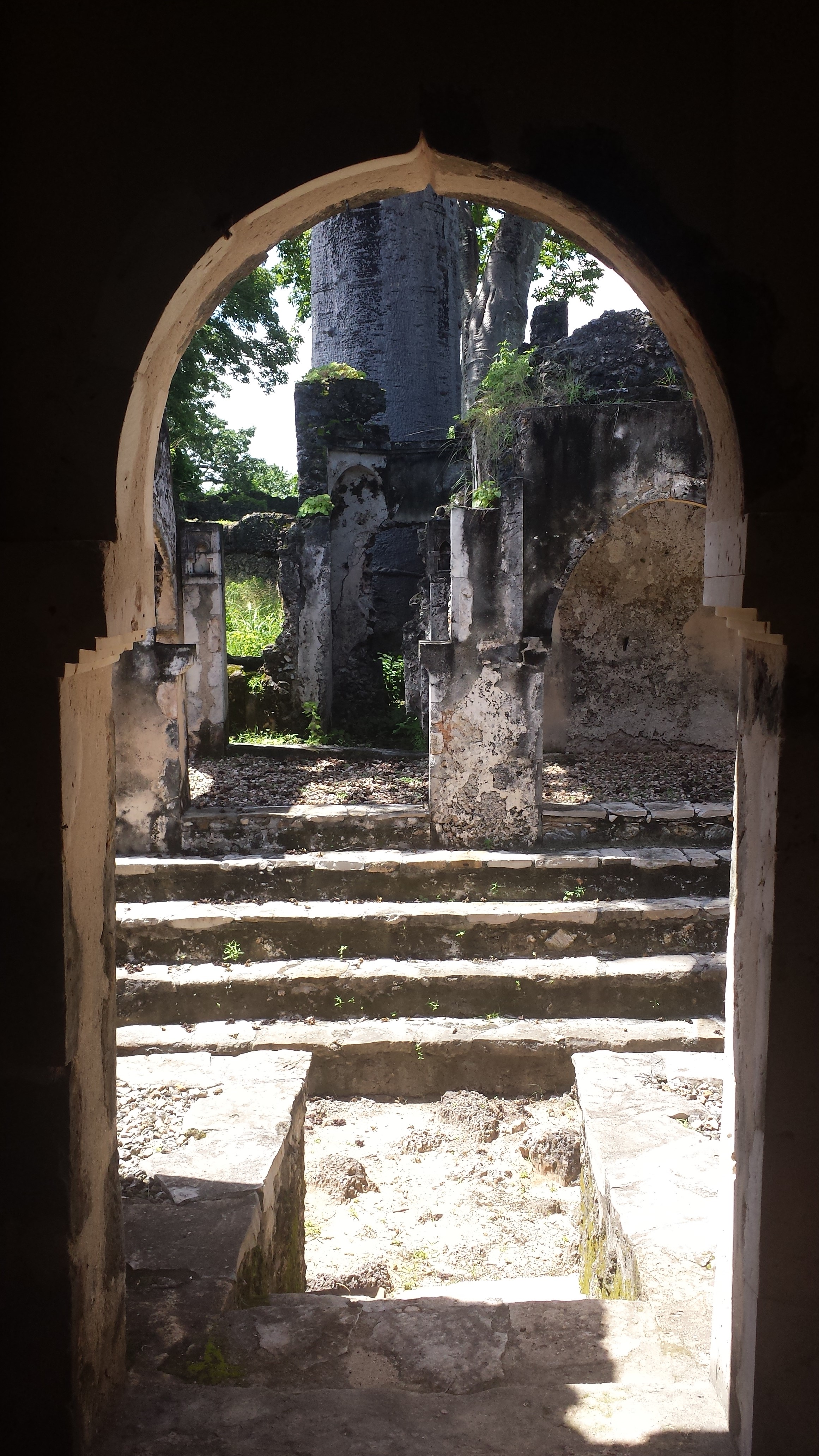
Songo Mnara
Medieval Swahili stone town on island