Explore the Map
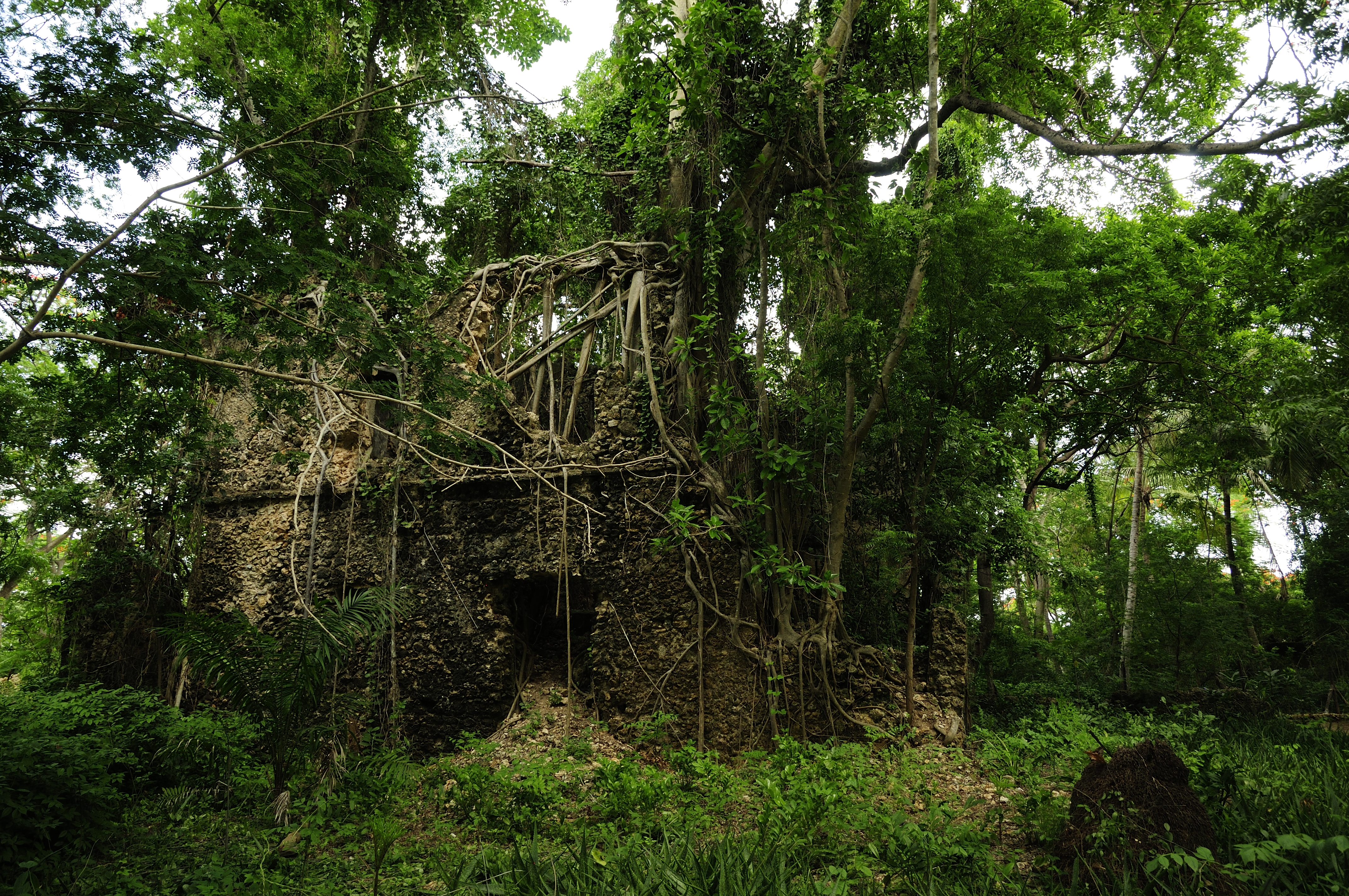
Kua Ruins
-8.0029° N, 39.7620° E
About
The Ruins of Kua, located on Juani Island in Tanzania's Mafia Archipelago, represent a significant Medieval Swahili settlement characterized by coral-stone architecture. The site, primarily occupied from the early 16th to the early 19th century, once featured an expansive complex with seven mosques, a 'palace,' numerous dwellings, and extensive burial grounds, including pillar tombs. The settlement played a role in long-distance trade networks, evidenced by imported ceramics and beads found at the site. Kua was abandoned in the early 19th century following a raid by the Sakalava from Madagascar. Despite overgrowth and lack of systematic excavation, the site offers valuable insights into Swahili culture, architecture, and social organization, with its religious and domestic structures reflecting a blend of local and Middle Eastern influences.
Gallery
Explore photographs of ancient structures, artifacts, and archaeological excavations
Historical Timeline
Journey through time and discover key events in this site's history
13th-14th Century Mkokotoni Inhabitation
13th-14th centuries CE
1154 Mapping by Al-Idrisi
1154 CE
Early 16th Century Occupation
16th century CE
Early 19th Century Abandonment
19th century CE
1810-1835 Sakalava Raid
1810-1835 CE
Archaeological Features
Unique architectural and cultural elements found at this historical site
Miscellaneous Features
Water Management Features
Burial and Funerary Structures
Religious and Ritual Structures
Domestic and Habitation Structures
Plan Your Visit
Tours, travel arrangements, and practical information
More Sites in Tanzania
Bagamoyo Historic Town
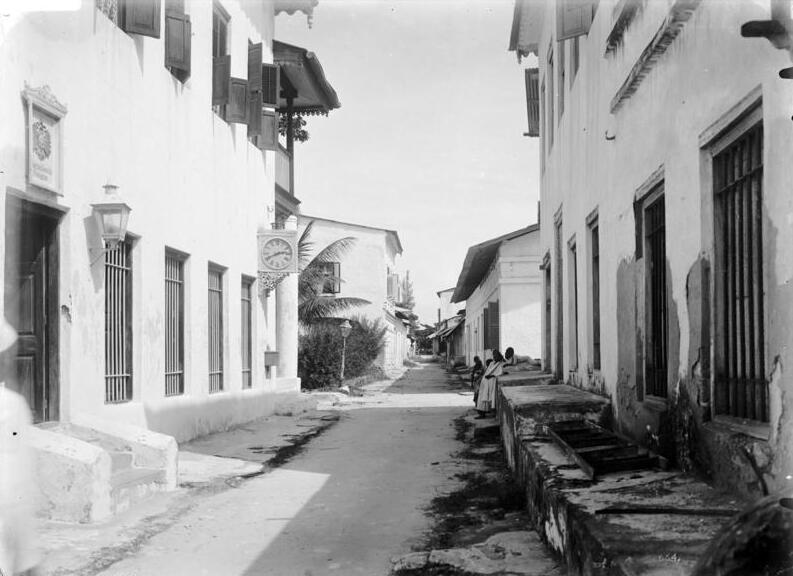
Historic Swahili town with trade significance.
Muhembo
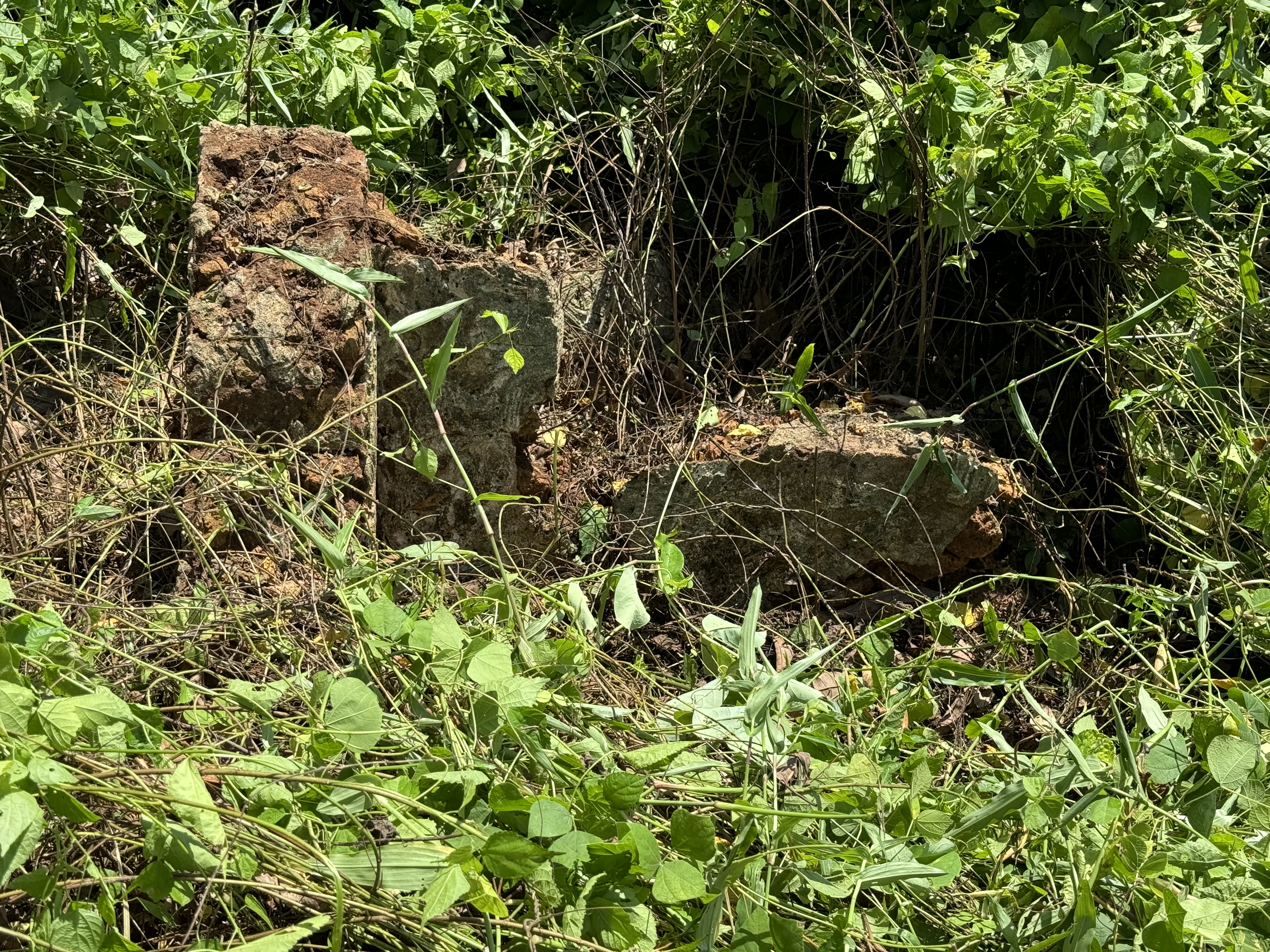
Unexcavated Swahili ruins with mosque and tombs
Kivinje
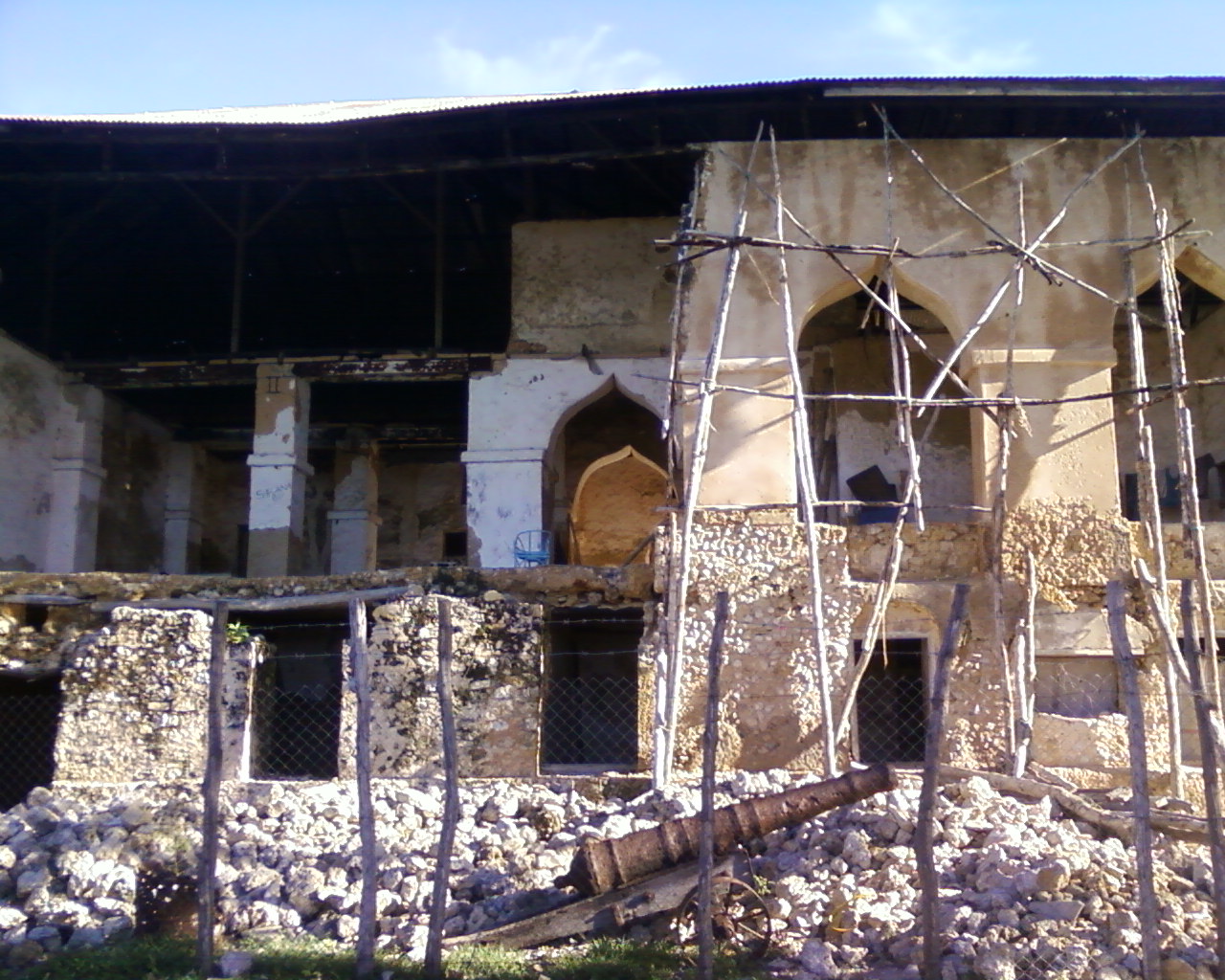
Medieval Swahili settlement and 19th-century buildings, Tanzania
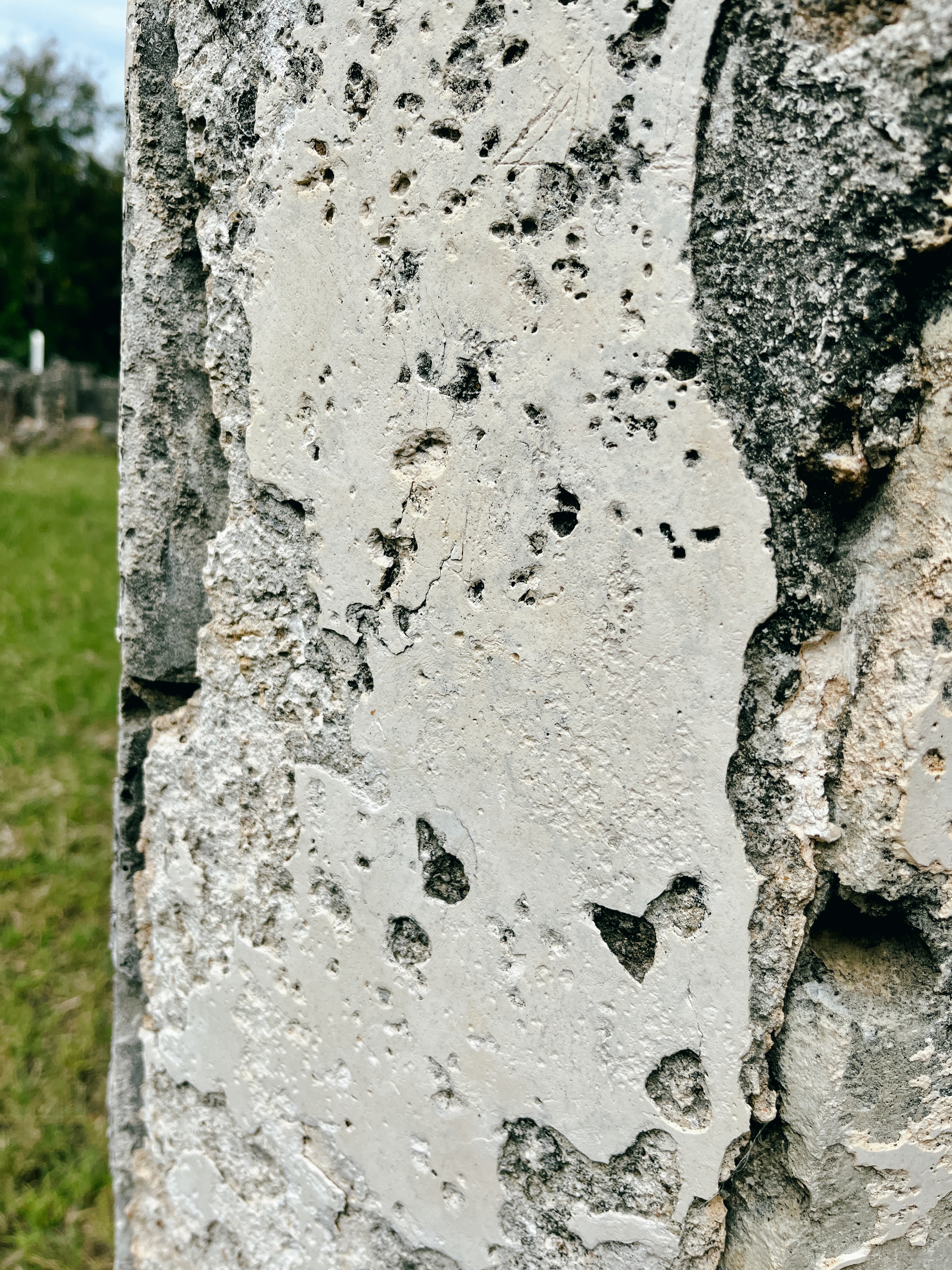
Tongoni Ruins
15th-century Swahili ruins with mosque and tombs.
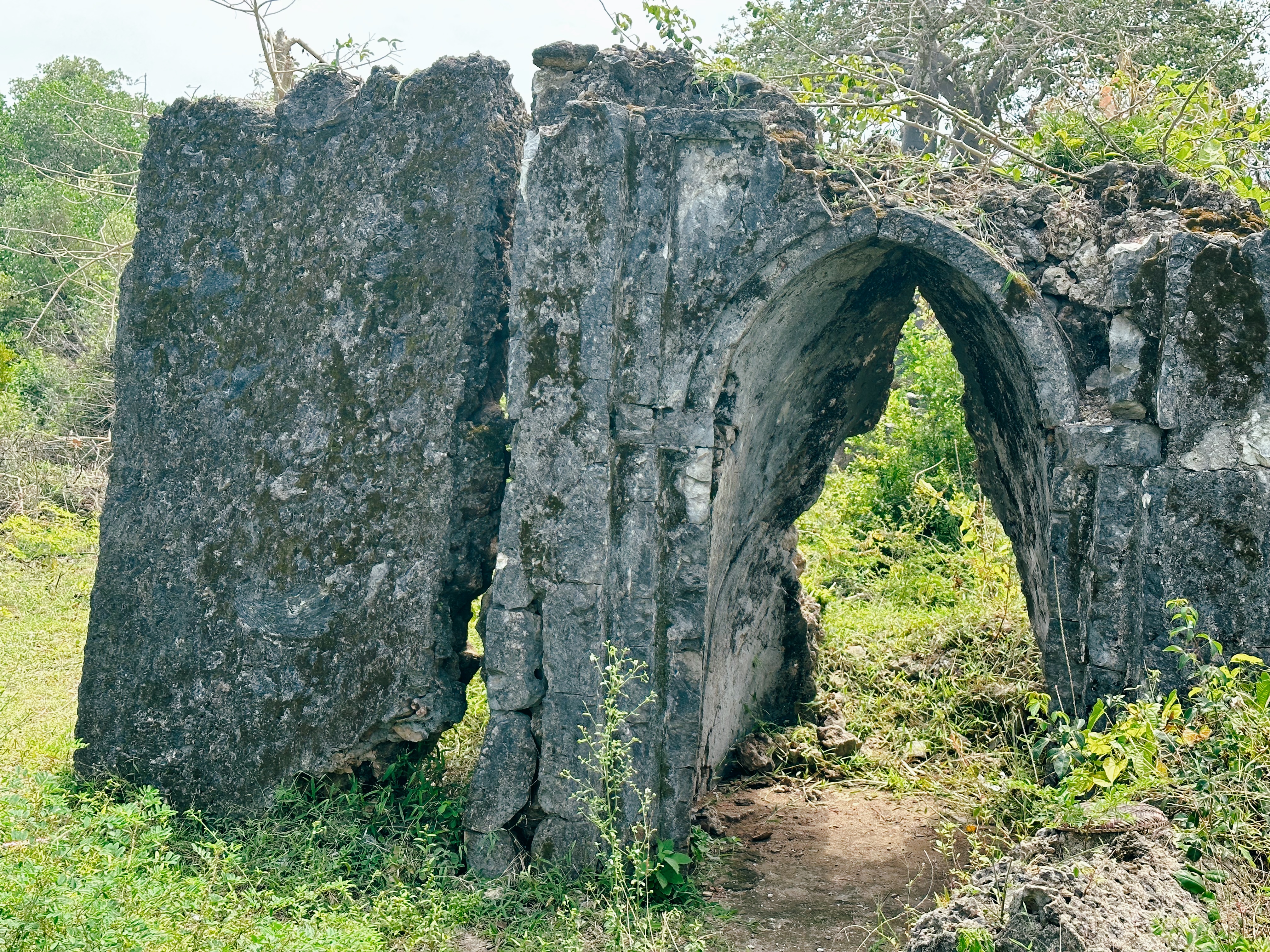
Mbutu Bandarini
Medieval Swahili ruins with mosque and artifacts
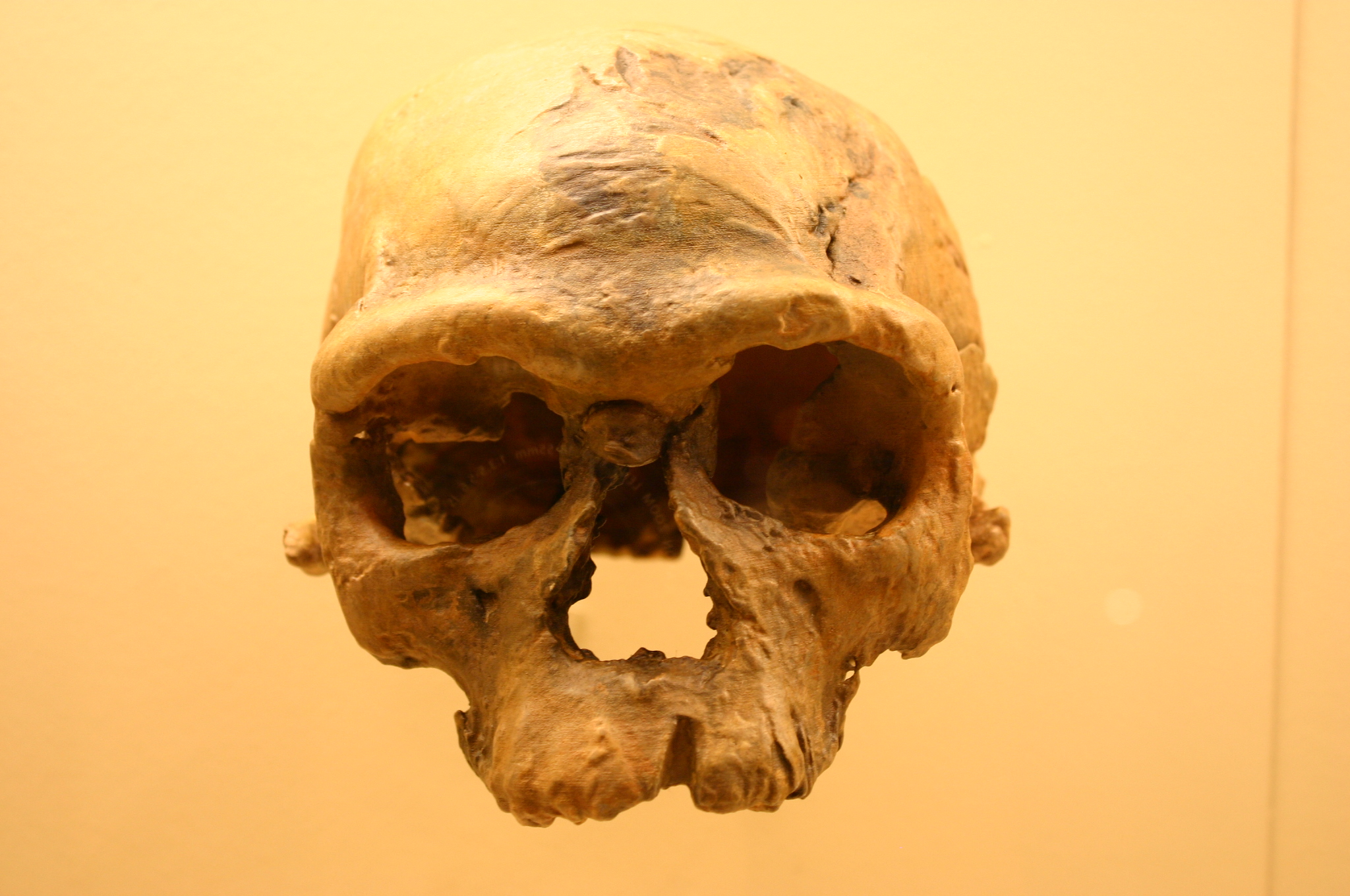
Ras Mkumbuu Ruins
Early Islamic ruins with large mosque