Explore the Map
Mbutu Bandarini
-6.8739° N, 39.4718° E
About
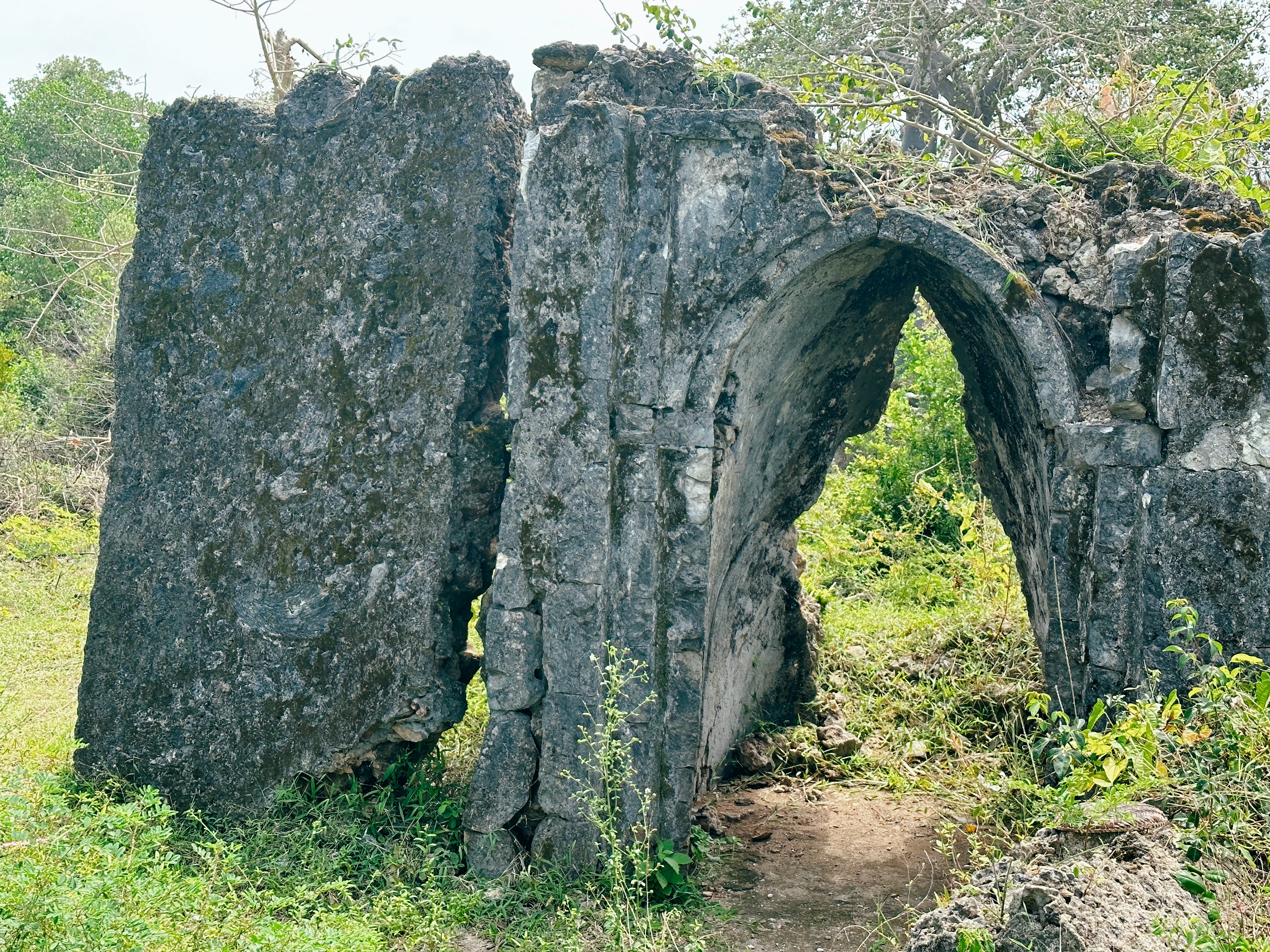
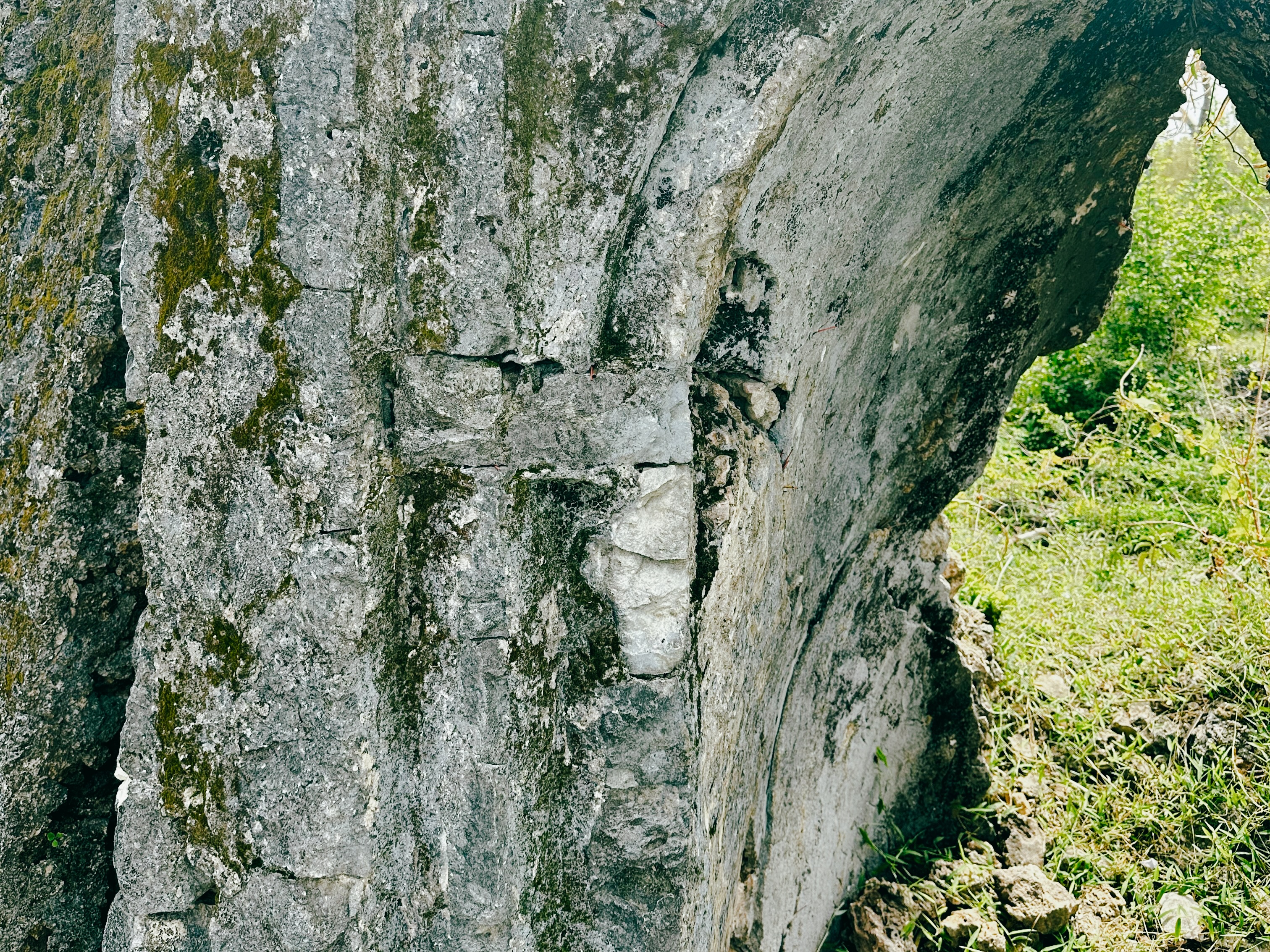
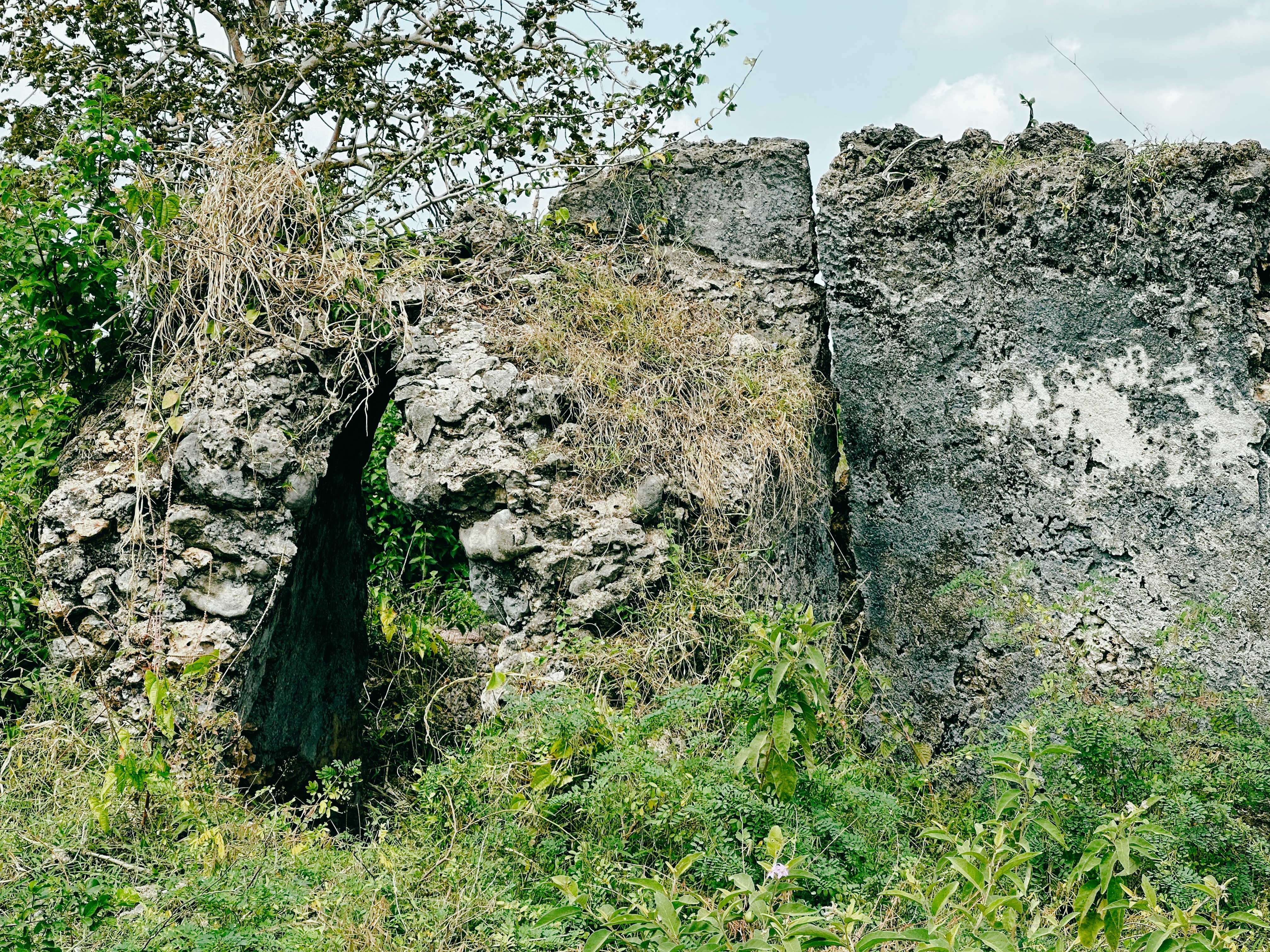
The Mbutu Bandarini Ruins, located in the Somangila ward of Tanzania's Dar es Salaam Region, is a significant archaeological site that showcases the remnants of a Medieval Swahili settlement. The site includes the ruins of a mosque believed to have been constructed during the 14th and 15th centuries CE, highlighting the region's historical Islamic influence. Additionally, it features a graveyard and an ancient well, further emphasizing its historical importance as a communal and religious center. The discovery of indigenous pottery, along with imported Chinese celadon from the 15th century and European porcelain from the 18th century, reflects a vibrant trade network and cultural exchange. The restoration efforts by the Tanzanian government underscore the site's significance and potential for providing insights into Swahili civilization and trade in the Indian Ocean region during the Late Post-Classical and Early Modern periods.
Gallery
Explore photographs of ancient structures, artifacts, and archaeological excavations
Historical Timeline
Journey through time and discover key events in this site's history
Construction of mosque and structures
1300 CE
Import of Chinese and European ceramics
1400 CE, 1700 CE
Archaeological Features
Unique architectural and cultural elements found at this historical site
Water Management Features
Burial and Funerary Structures
Religious and Ritual Structures
Frequently Asked Questions
Plan Your Visit
Tours, travel arrangements, and practical information
Recommended Tours

More Sites in Tanzania
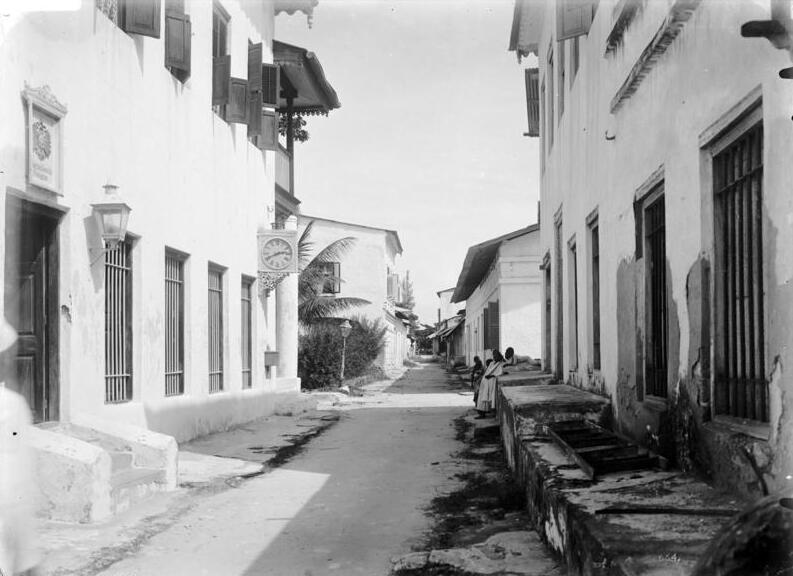
Bagamoyo Historic Town
Historic Swahili town with trade significance.
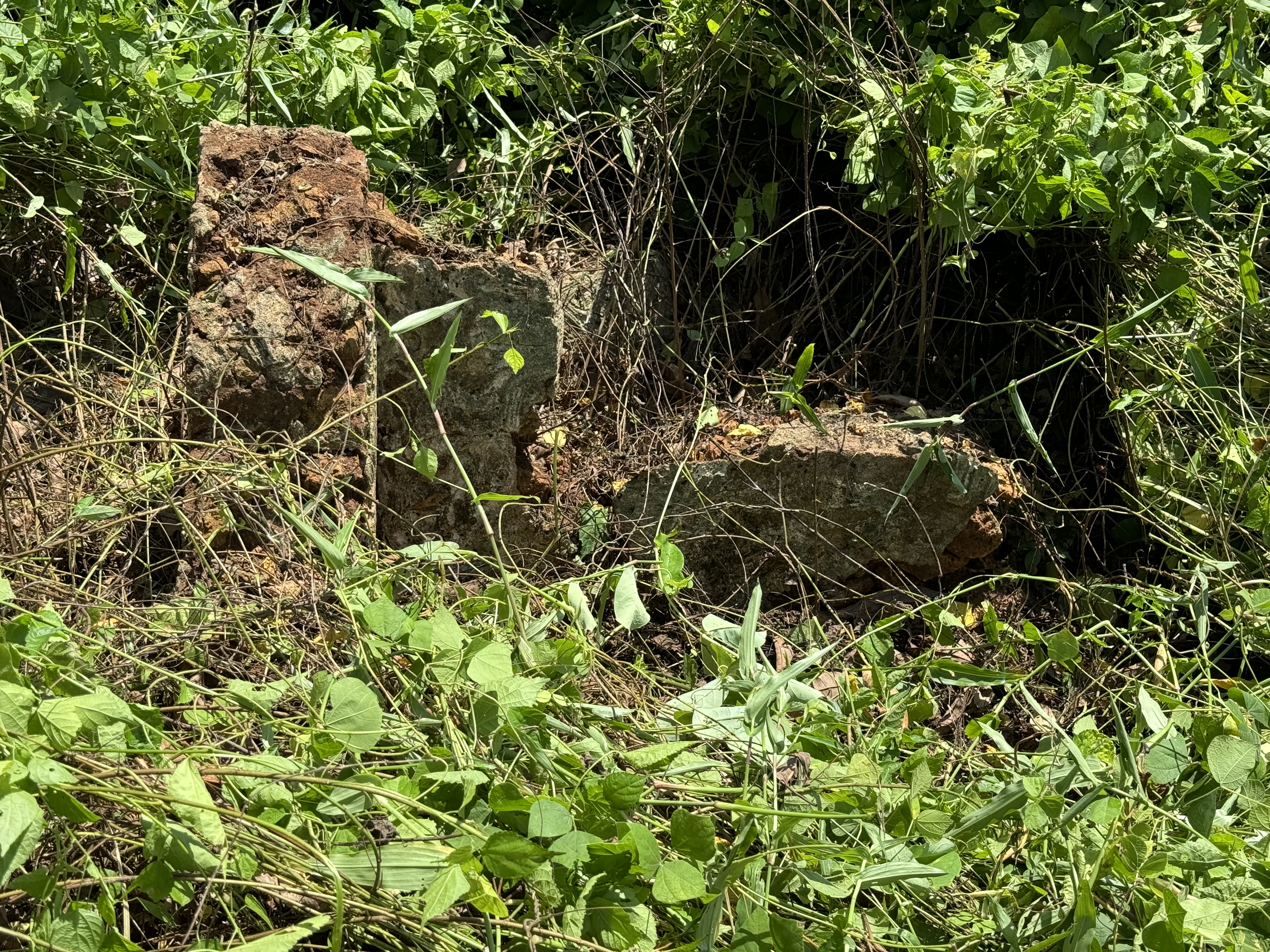
Muhembo
Unexcavated Swahili ruins with mosque and tombs
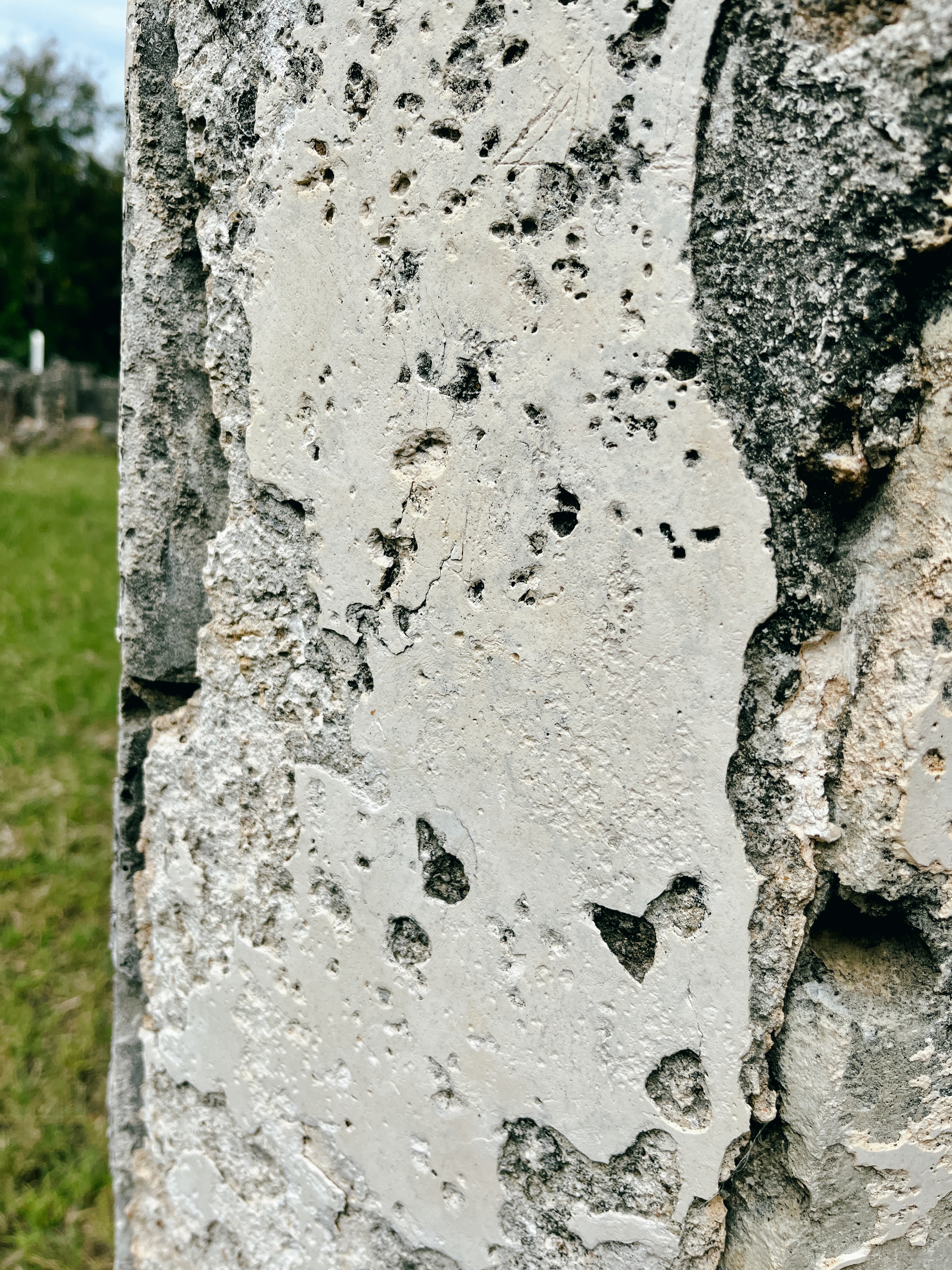
Tongoni Ruins
15th-century Swahili ruins with mosque and tombs.
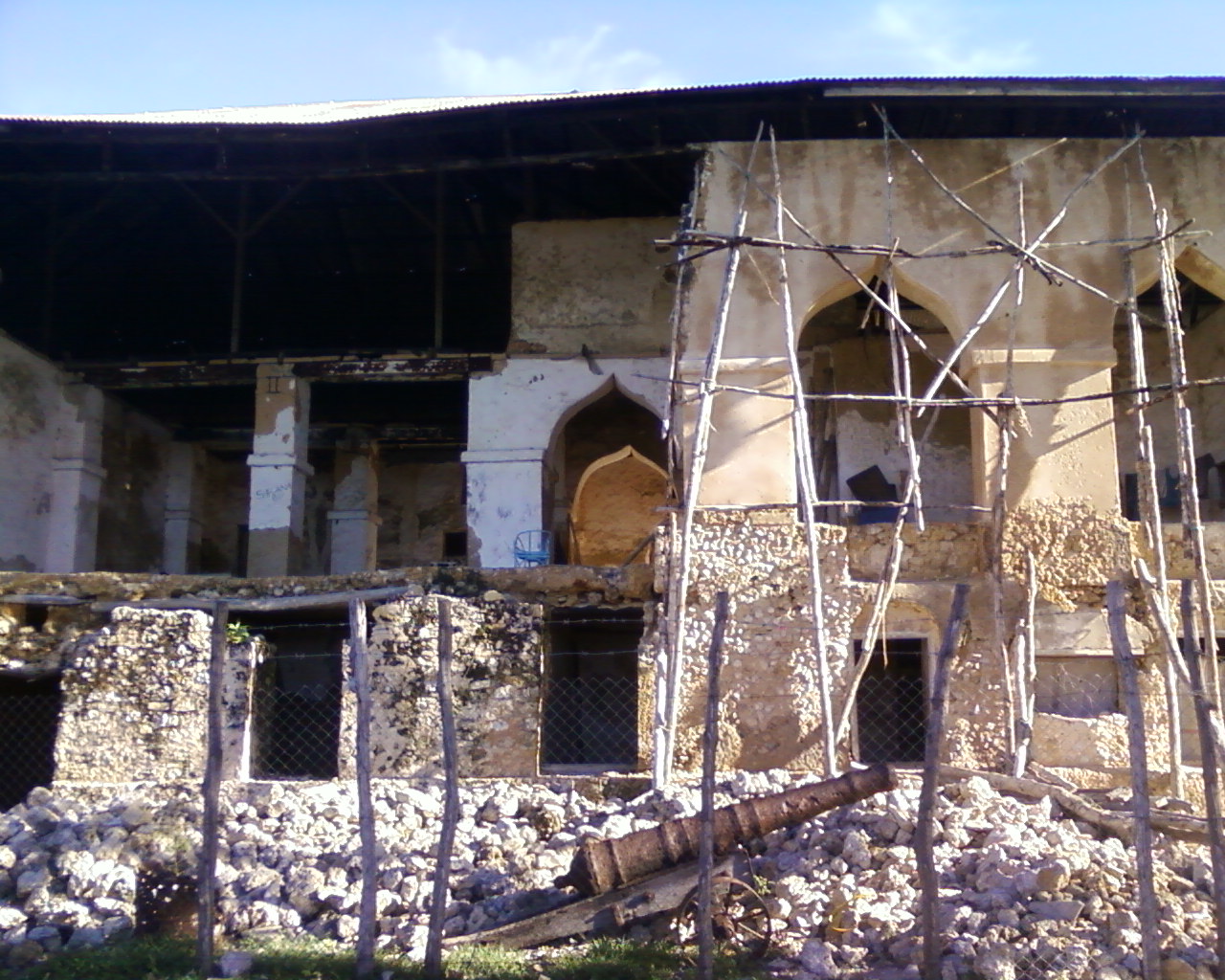
Kivinje
Medieval Swahili settlement and 19th-century buildings, Tanzania
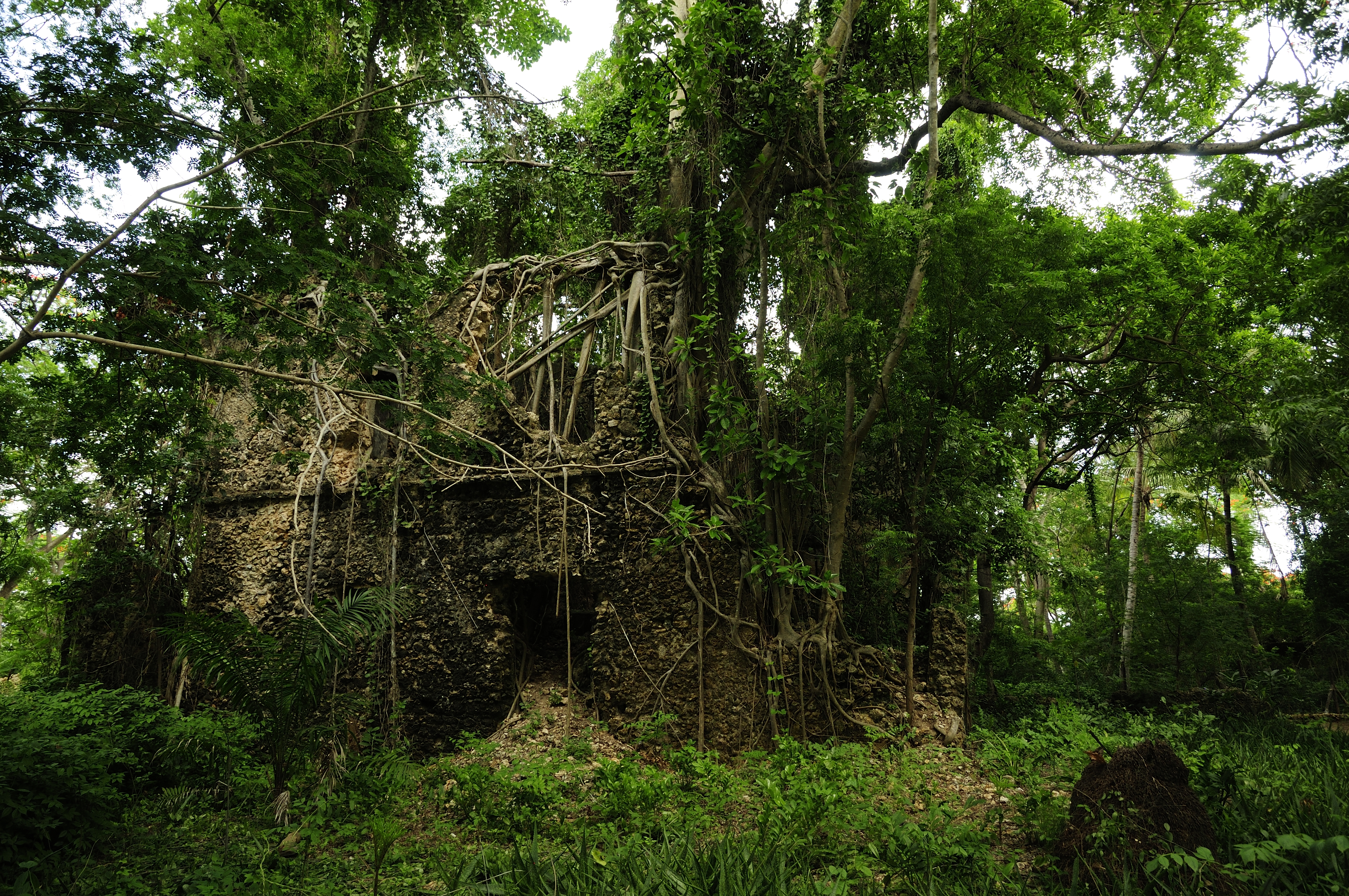
Kua Ruins
Medieval Swahili settlement with coral-stone structures
Engaruka
Iron Age irrigation ruins in northern Tanzania