
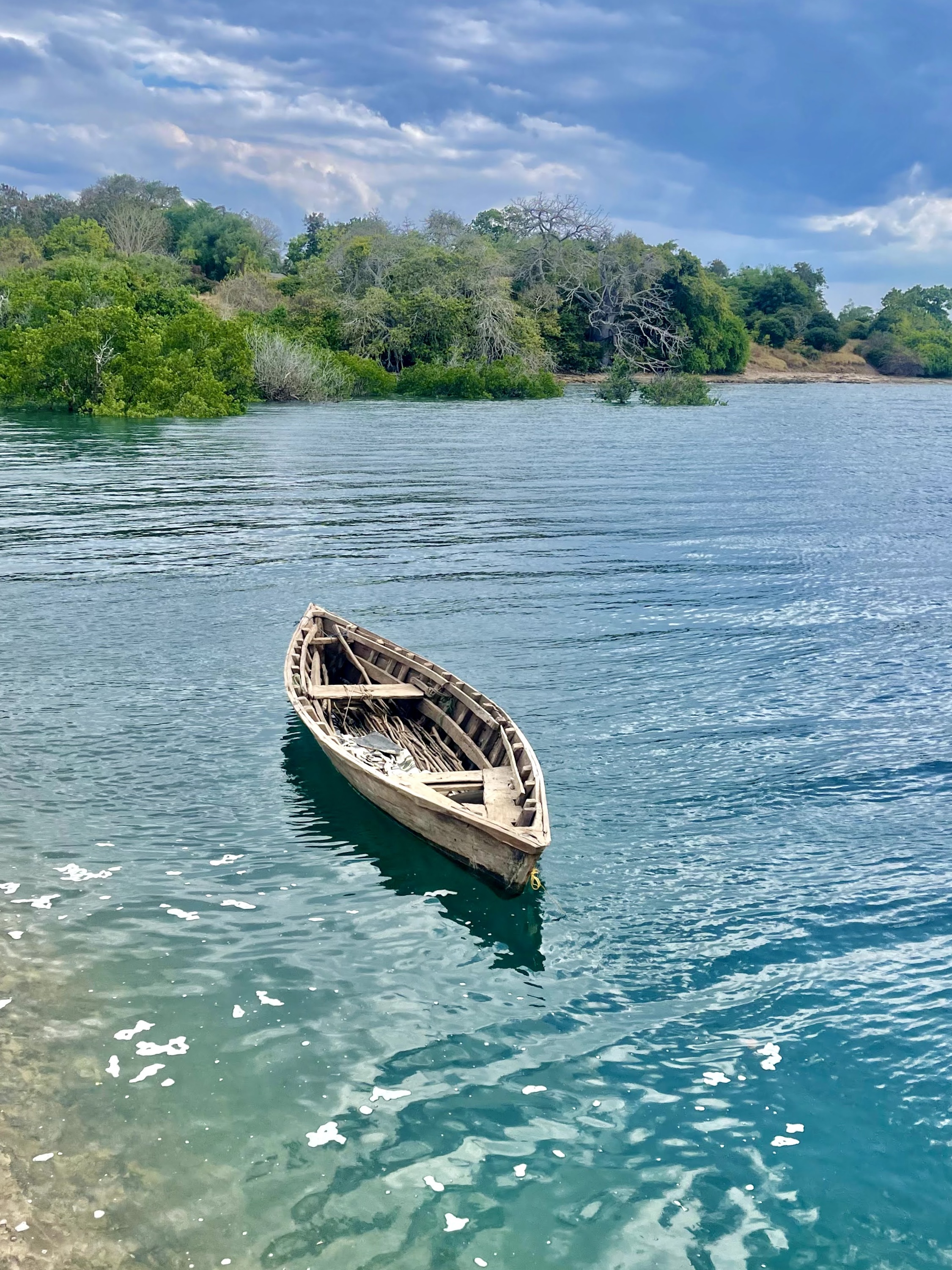
Explore the Map
Kilwa Kisiwani
-8.9600° N, 39.5128° E
About
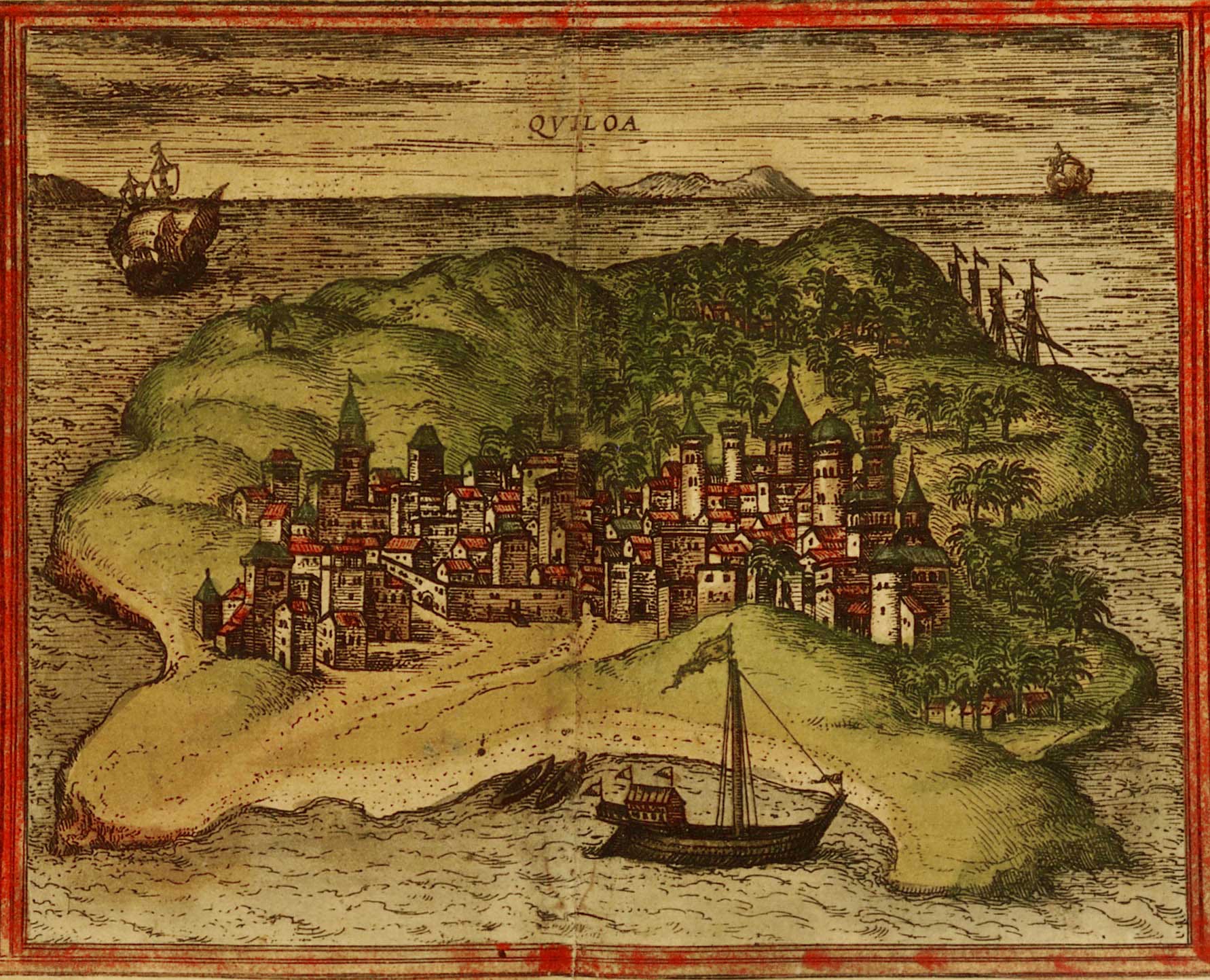
Kilwa Kisiwani, located on the Swahili Coast, was a prominent Swahili city-state known for its significant role in trade between Africa, the Arabian Peninsula, India, and China from the 1st century CE onwards. At its zenith in the 13th to 15th centuries, Kilwa was a crucial commercial hub, minting its own currency and exporting goods like gold and ivory. Its archaeological remains include the Great Mosque, palaces such as Husuni Kubwa, and fortifications like the Gereza Fort. The site reflects a blend of African and Asian influences, evident in its architecture and the DNA of its past inhabitants. Kilwa's decline began after the Portuguese conquest in 1505, yet its ruins continue to offer insights into the region's historical trade networks and cultural exchanges.
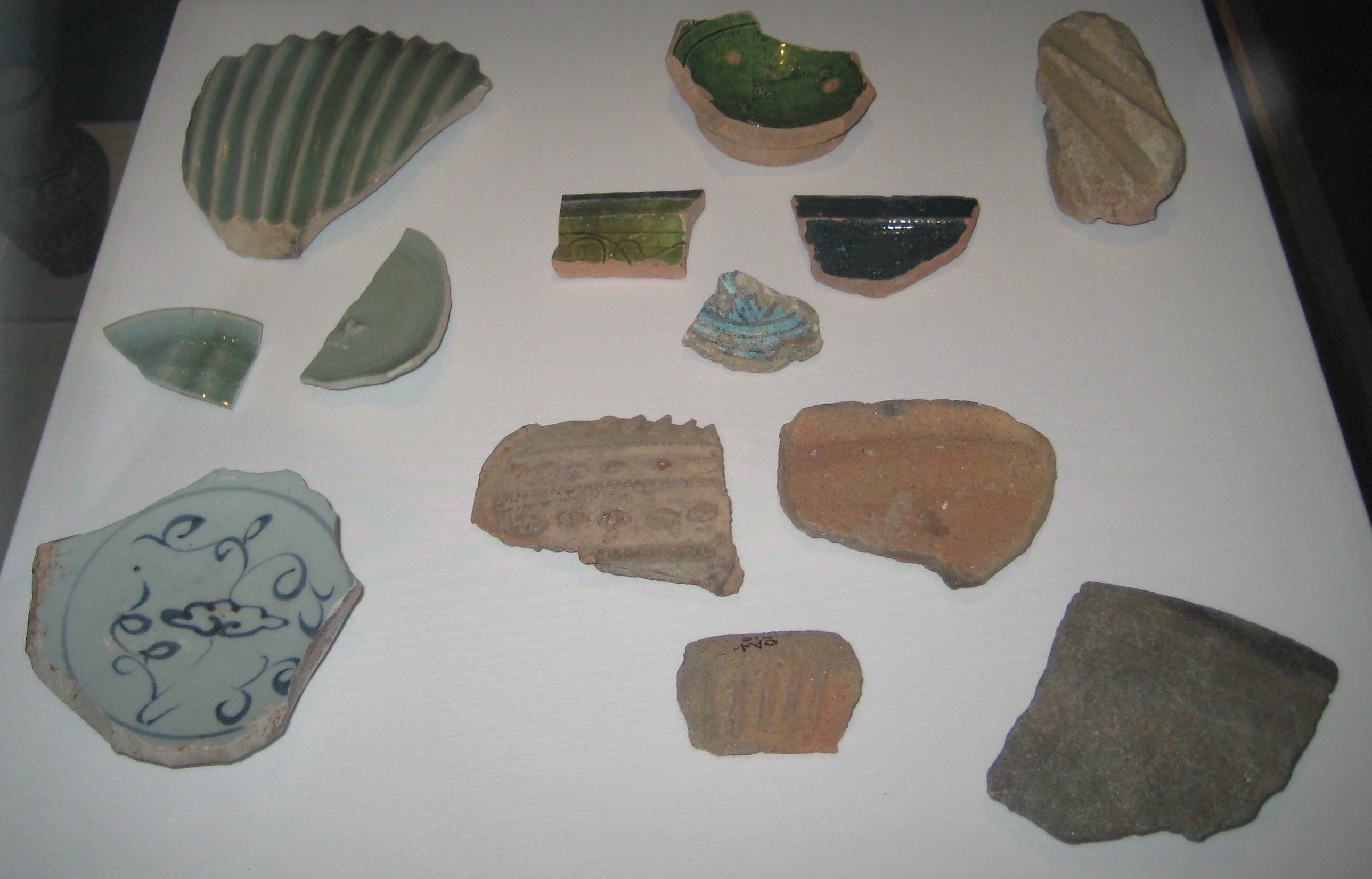
Gallery
Explore photographs of ancient structures, artifacts, and archaeological excavations
Historical Timeline
Journey through time and discover key events in this site's history
1st-2nd Century Trade Emergence
1st-2nd Century CE
13th-15th Century Peak
13th-15th Century CE
12th Century Construction
12th Century CE
1331 Ibn Battuta Visit
1331 CE
1505 Portuguese Conquest
1505 CE
Archaeological Features
Unique architectural and cultural elements found at this historical site
Defensive Structures
Water Management Features
Public and Civic Structures
Burial and Funerary Structures
Religious and Ritual Structures
Domestic and Habitation Structures
Plan Your Visit
Tours, travel arrangements, and practical information
More Sites in Tanzania
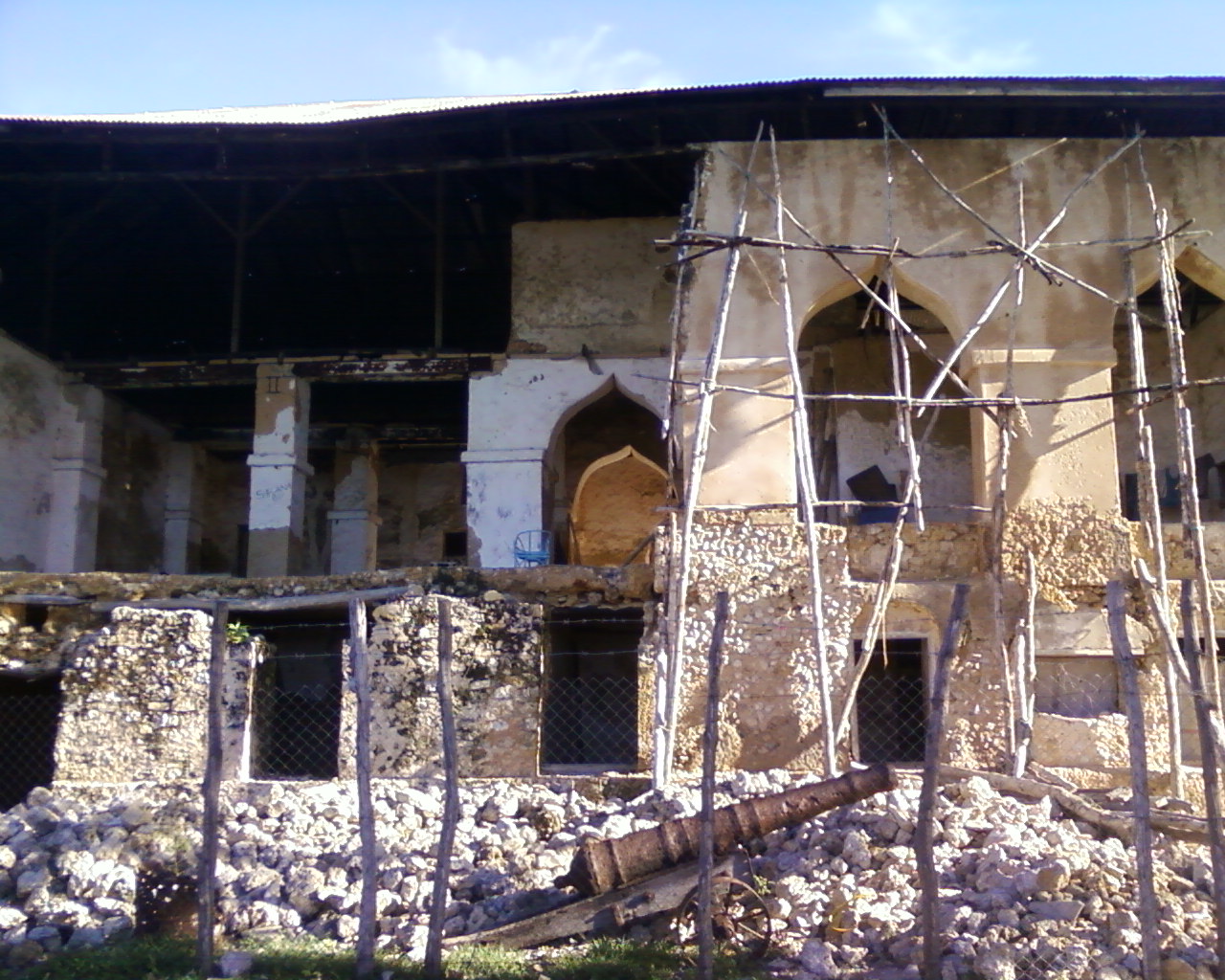
Kivinje
Medieval Swahili settlement and 19th-century buildings, Tanzania
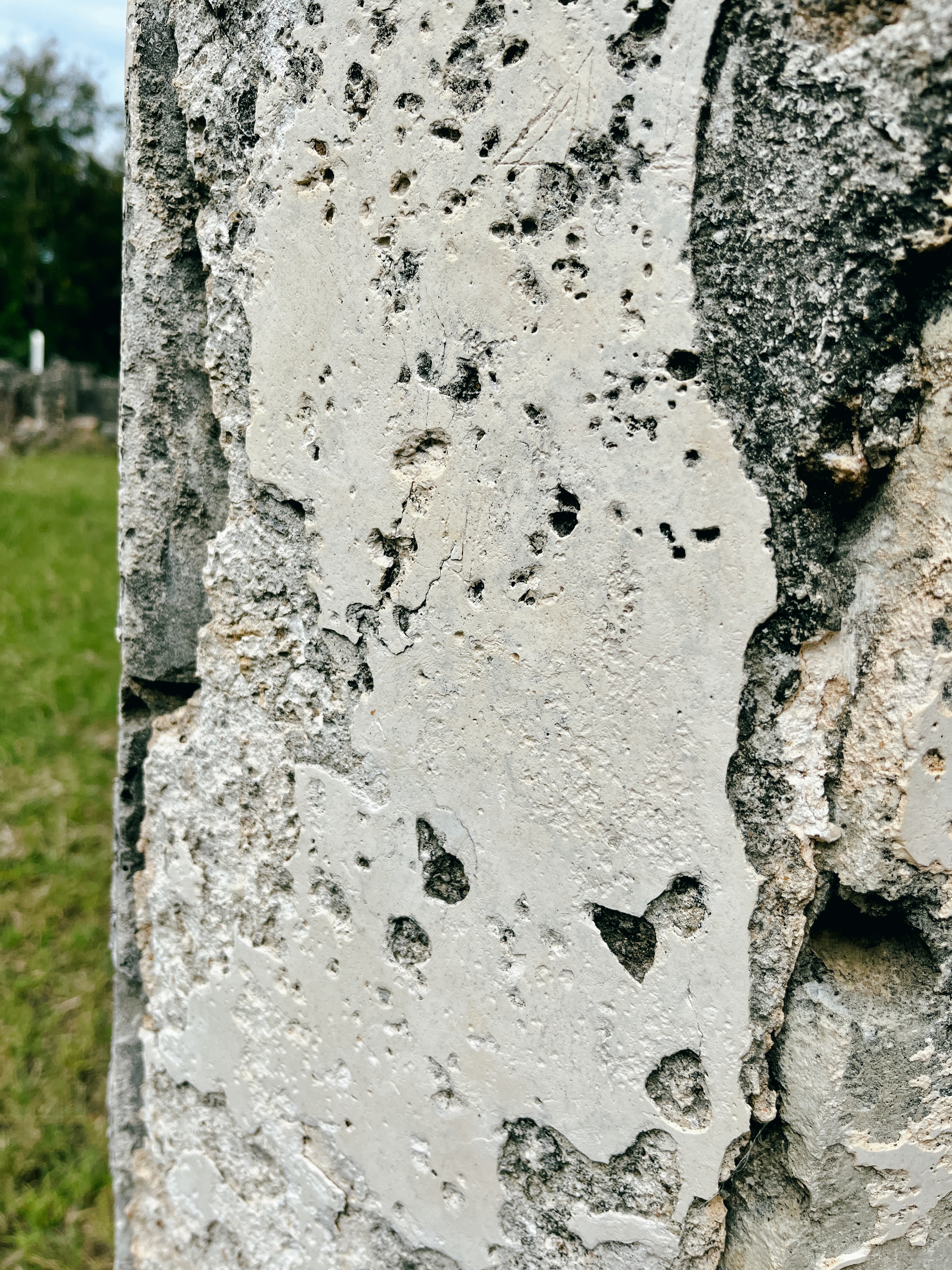
Tongoni Ruins
15th-century Swahili ruins with mosque and tombs.
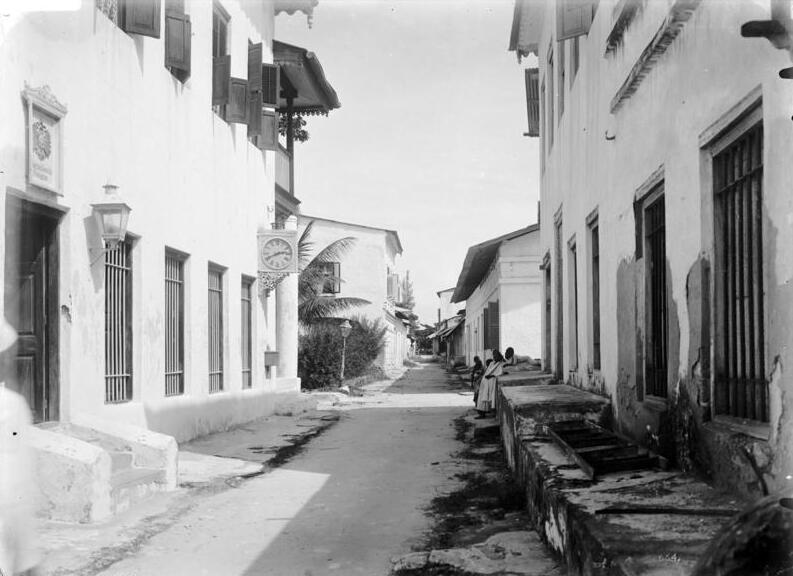
Bagamoyo Historic Town
Historic Swahili town with trade significance.
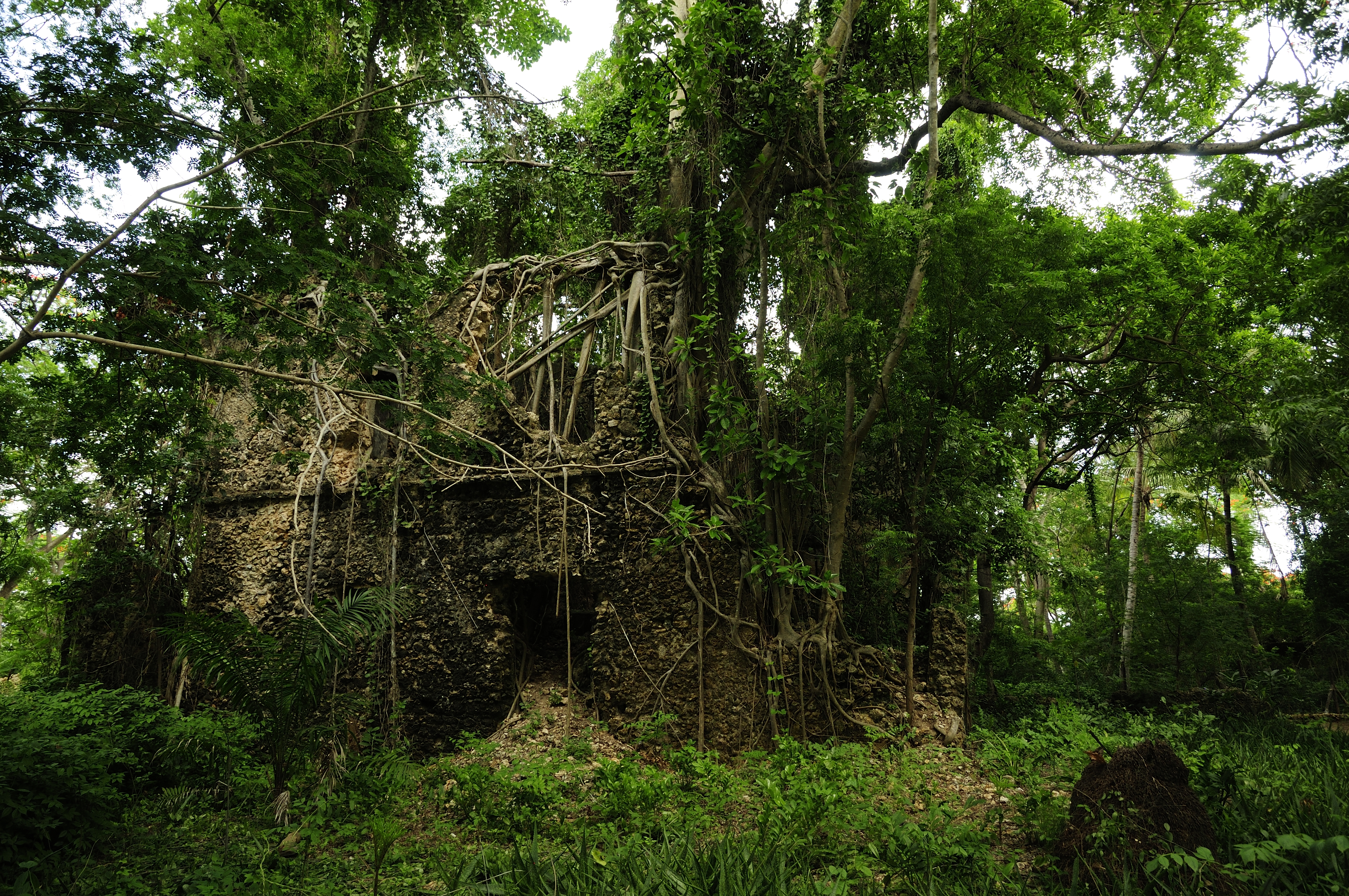
Kua Ruins
Medieval Swahili settlement with coral-stone structures
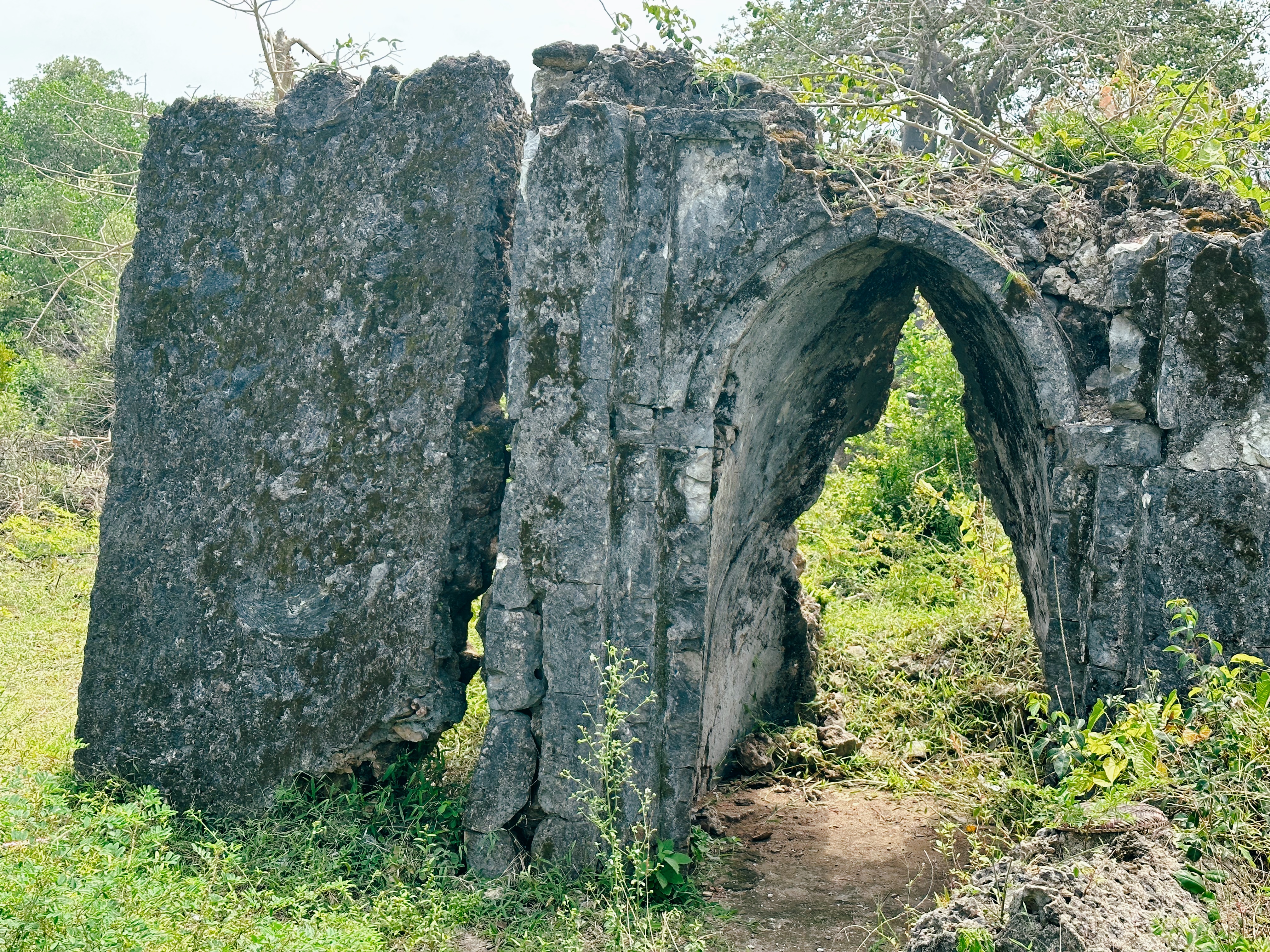
Mbutu Bandarini
Medieval Swahili ruins with mosque and artifacts
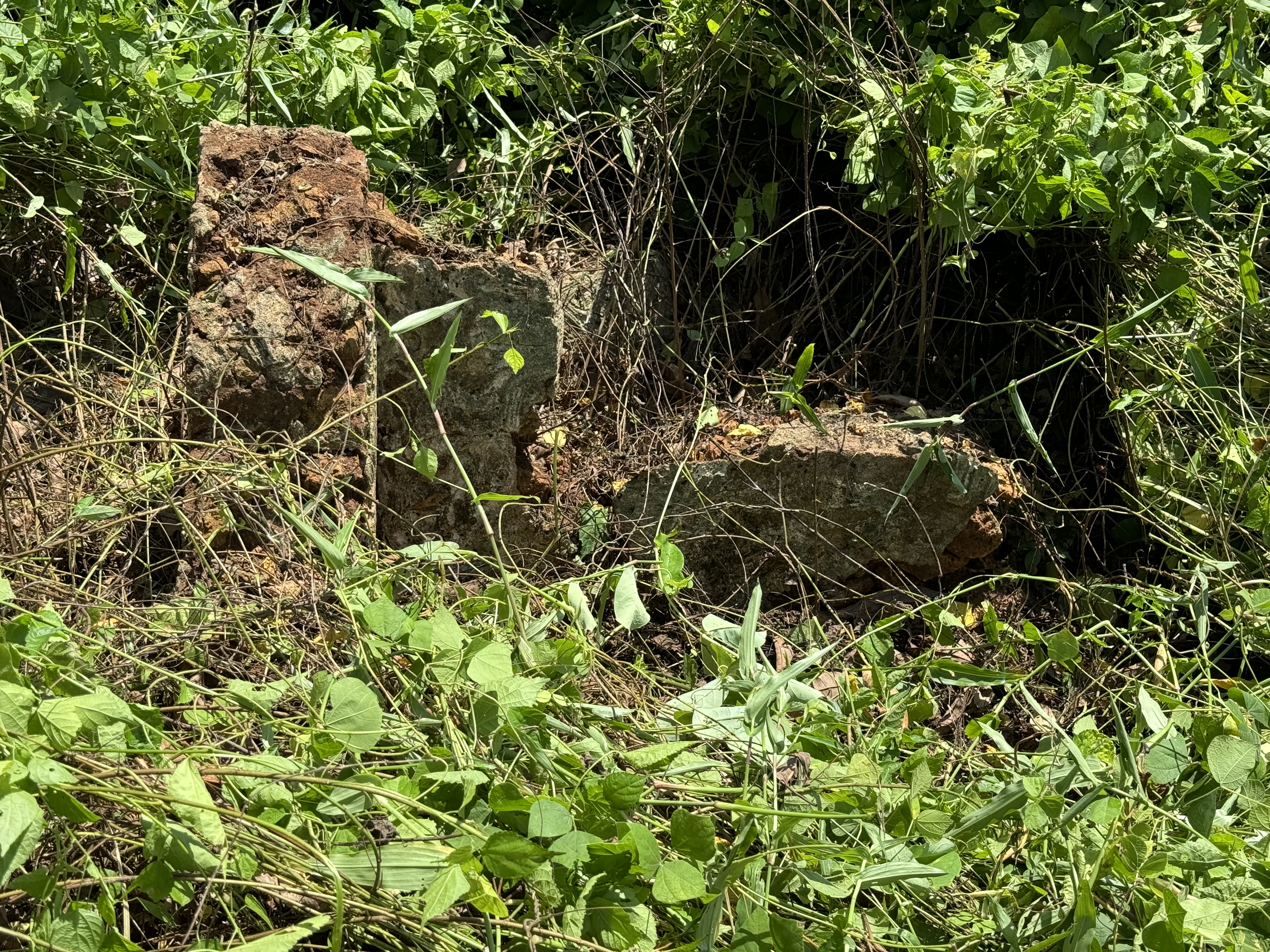
Muhembo
Unexcavated Swahili ruins with mosque and tombs