
Explore the Map
Bahi Rock-Art Sites
-5.9528° N, 35.3119° E
About
The Bahi Rock-Art Sites in the Dodoma region of Tanzania are an important archaeological location featuring white rock paintings, estimated to be at least 340 years old. These paintings are believed to have been created by the Wamia people, who lived in the region before the Wagogo people. The artwork depicts cattle, human figures, and other symbols, and is thought to have been created during significant events such as funerals. While the Wagogo people may not fully understand the original intent of these paintings, they continue to hold them in sacred regard, using the sites for rain-making ceremonies. The Bahi paintings provide valuable insight into the cultural practices of Bantu-speaking farming populations and their ritualistic use of rock art as a medium of expression.
Historical Timeline
Journey through time and discover key events in this site's history
Wamia People Paintings
1683 CE
Archaeological Features
Unique architectural and cultural elements found at this historical site
Artistic and Decorative Features
Frequently Asked Questions
Plan Your Visit
Tours, travel arrangements, and practical information
More Sites in Tanzania
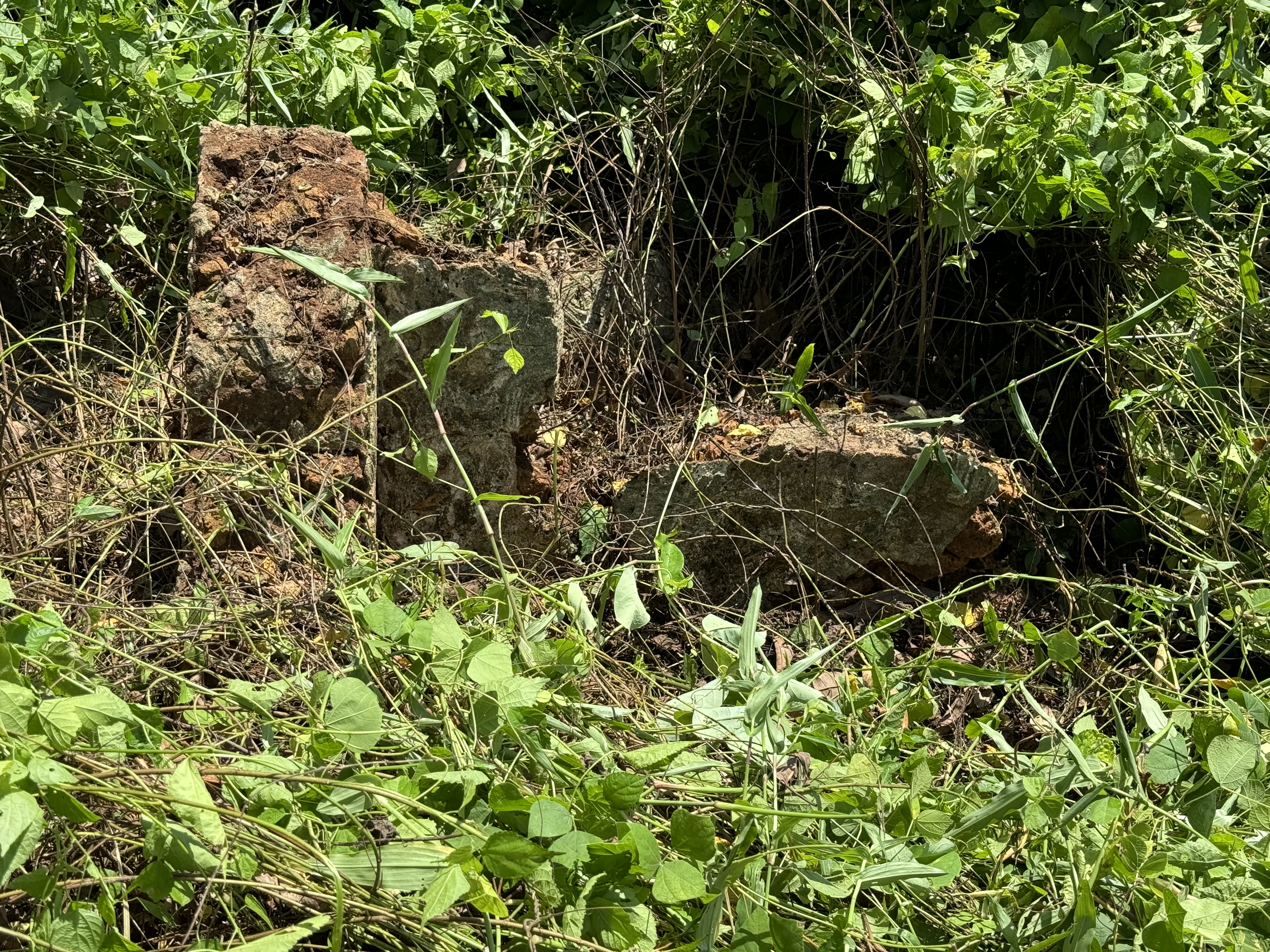
Muhembo
Unexcavated Swahili ruins with mosque and tombs
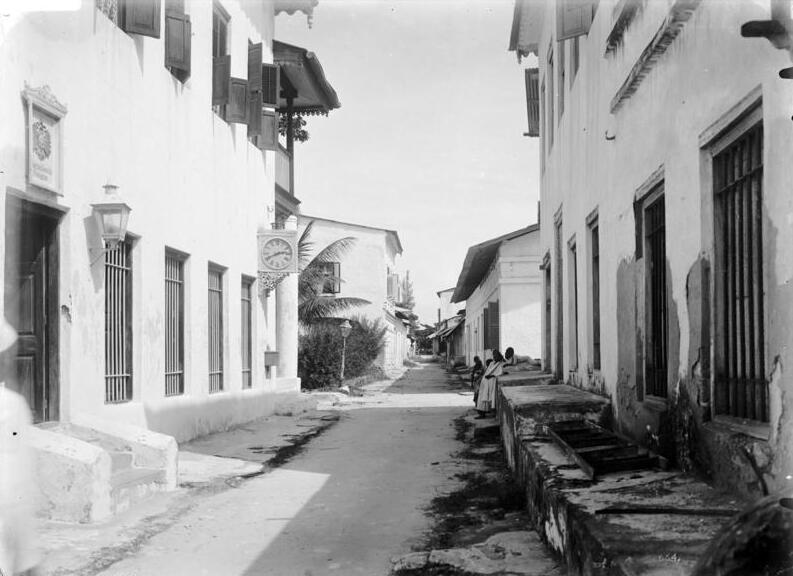
Bagamoyo Historic Town
Historic Swahili town with trade significance.
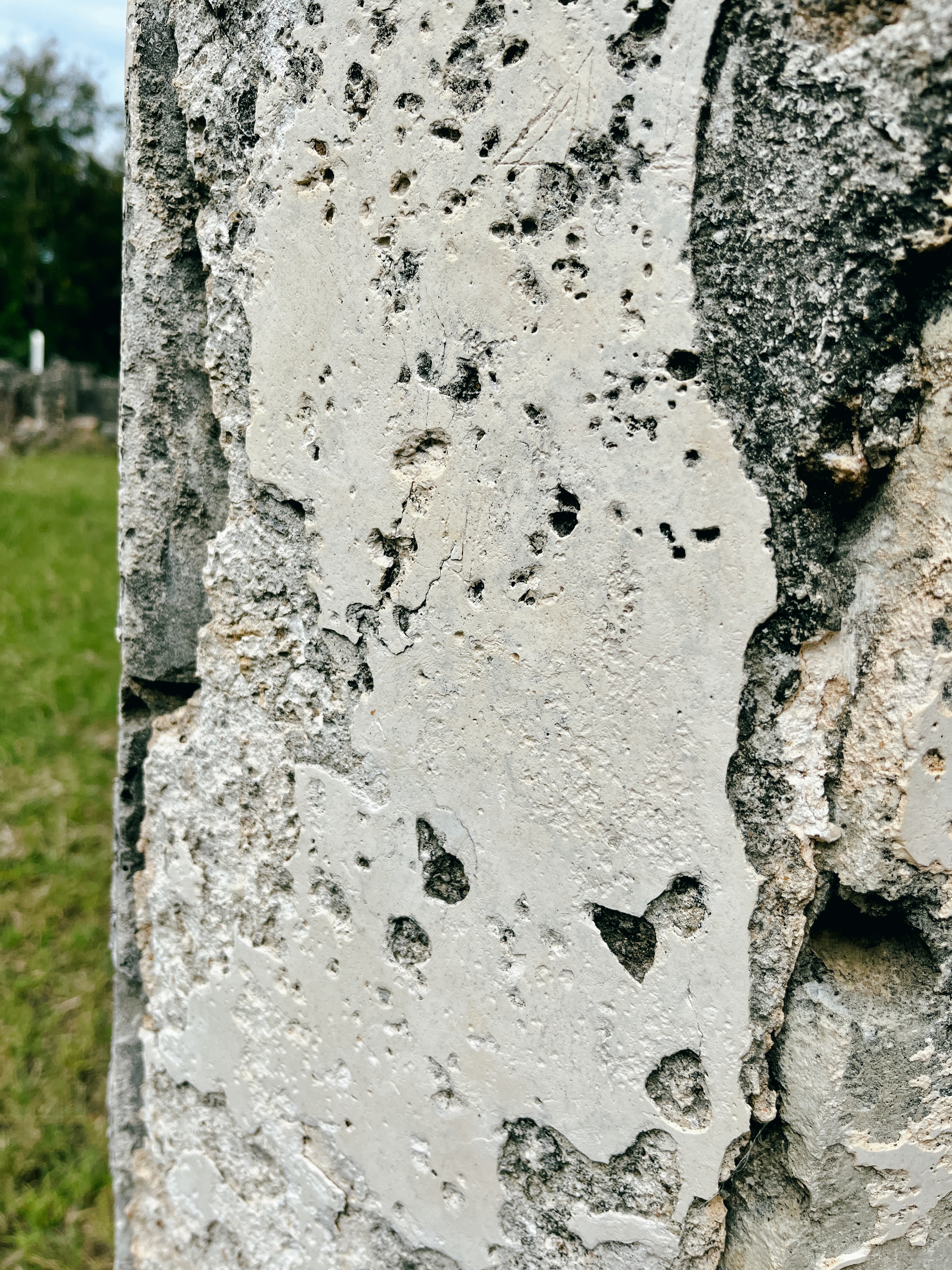
Tongoni Ruins
15th-century Swahili ruins with mosque and tombs.
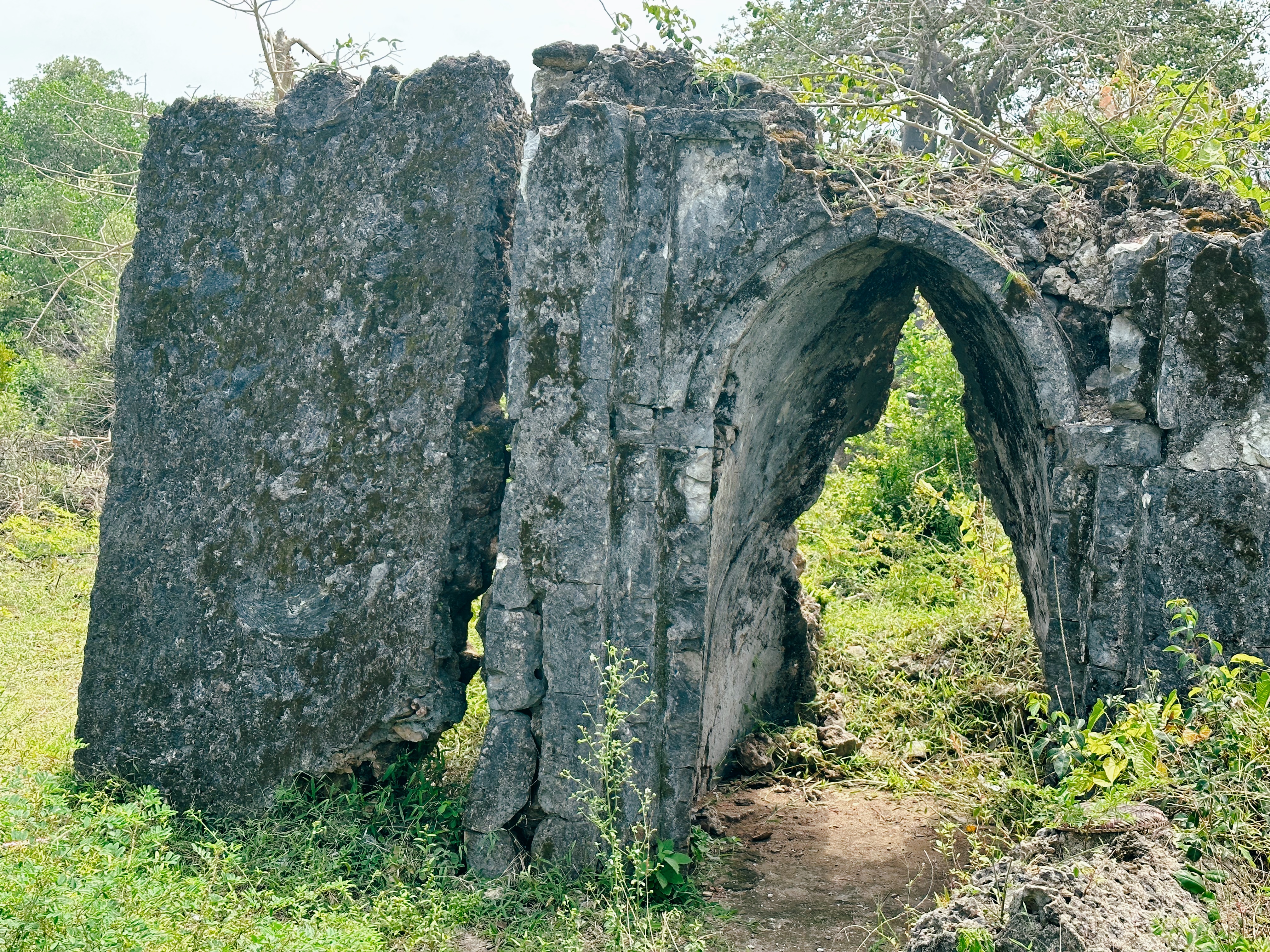
Mbutu Bandarini
Medieval Swahili ruins with mosque and artifacts
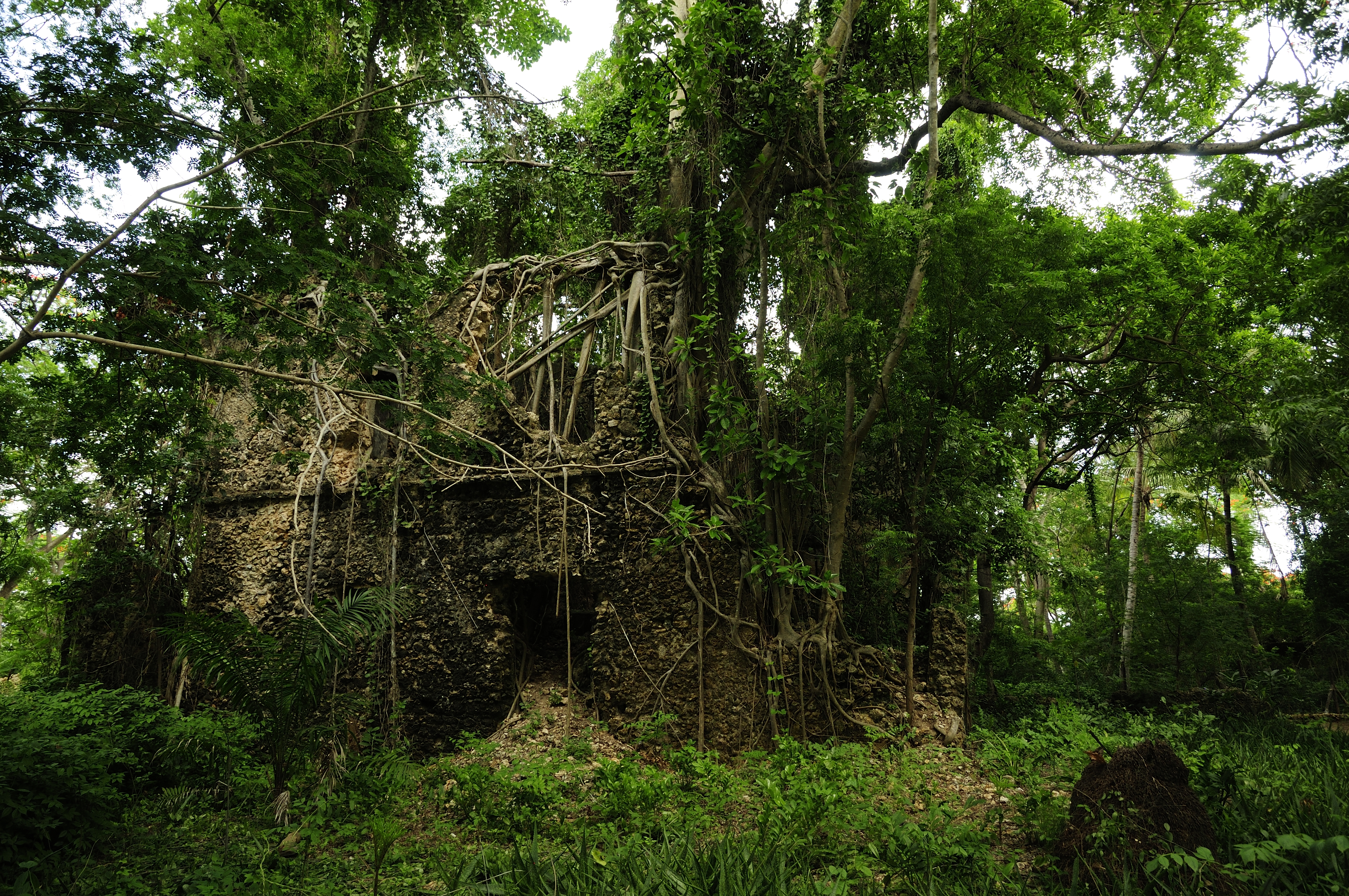
Kua Ruins
Medieval Swahili settlement with coral-stone structures
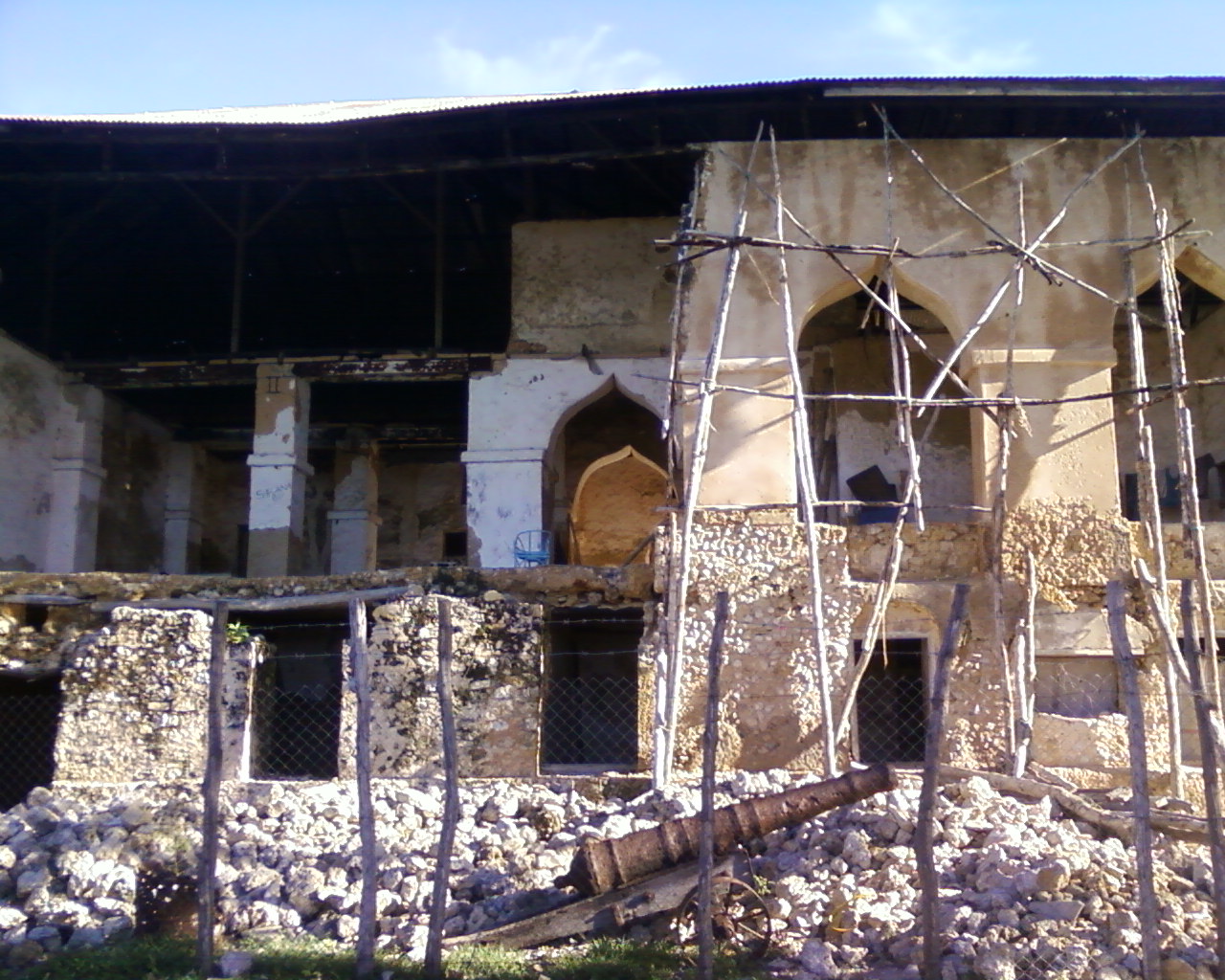
Kivinje
Medieval Swahili settlement and 19th-century buildings, Tanzania