Explore the Map
Kimbiji Ruins
-6.9833° N, 39.5315° E
About
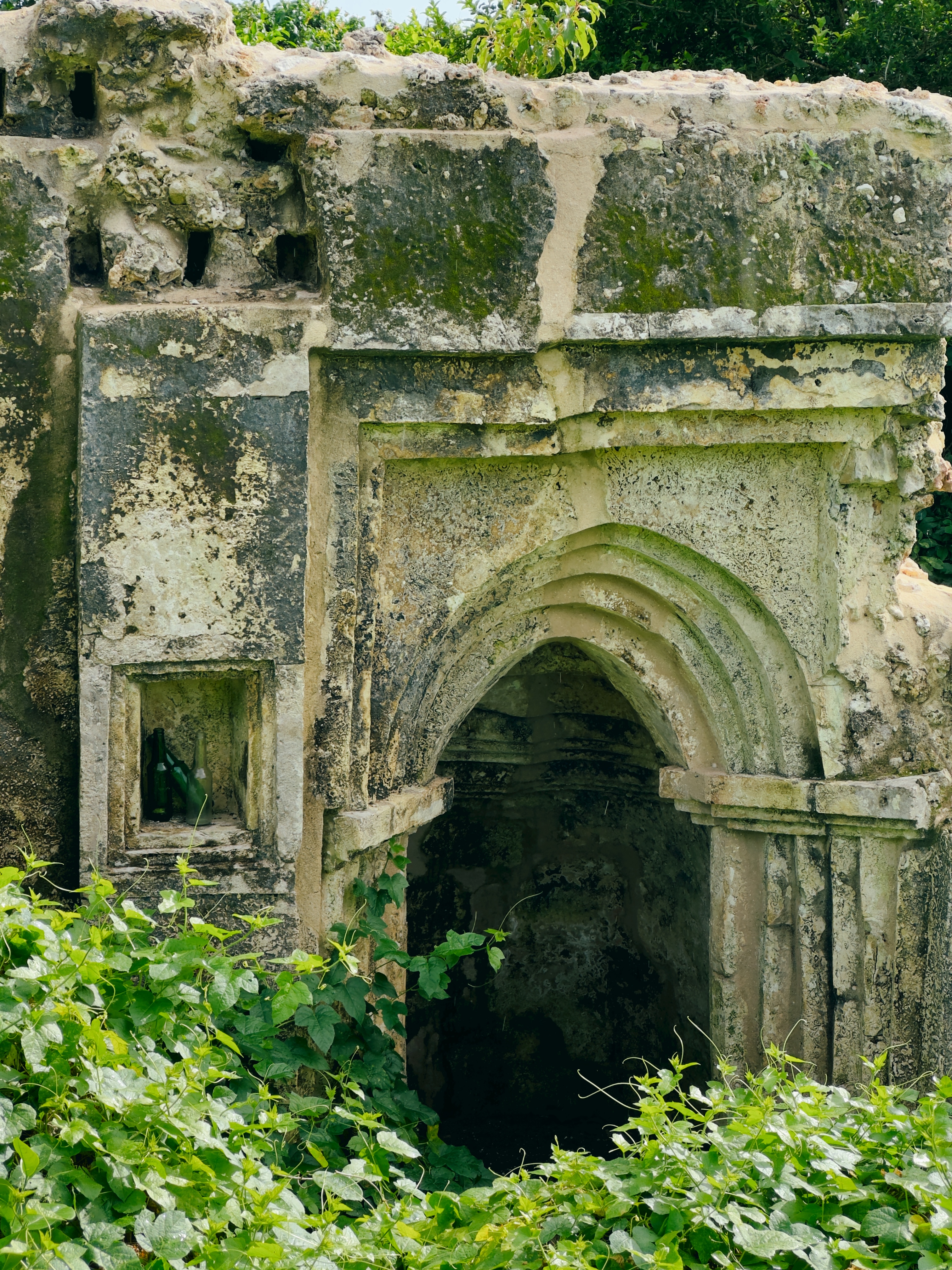
The Kimbiji Ruins, located in the Kimbiji ward of Kigamboni District in Tanzania, is a significant archaeological site that showcases the rich history of the Swahili civilization. Thought to have been constructed in the 18th century CE, the site includes the ruins of a mosque, which although damaged by vandalism, remains a focal point of historical interest. Surrounding the mosque is a cemetery containing European artifacts from the 18th and 19th centuries, indicating the site's diverse cultural interactions. Surface finds of indigenous and foreign pottery suggest prolonged habitation and trade activities. The Tanzanian government is planning restoration efforts to preserve this culturally significant site, which reflects the intricate blend of local and foreign influences that characterize the Swahili coast's historical narrative.
Gallery
Explore photographs of ancient structures, artifacts, and archaeological excavations
Historical Timeline
Journey through time and discover key events in this site's history
Mosque Construction
Archaeological Features
Unique architectural and cultural elements found at this historical site
Burial and Funerary Structures
Religious and Ritual Structures
Frequently Asked Questions
Plan Your Visit
Tours, travel arrangements, and practical information
More Sites in Tanzania
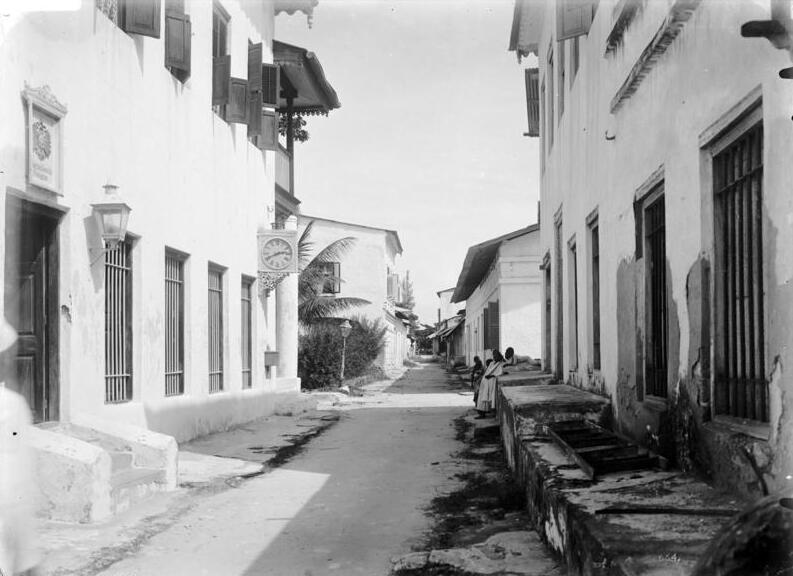
Bagamoyo Historic Town
Historic Swahili town with trade significance.
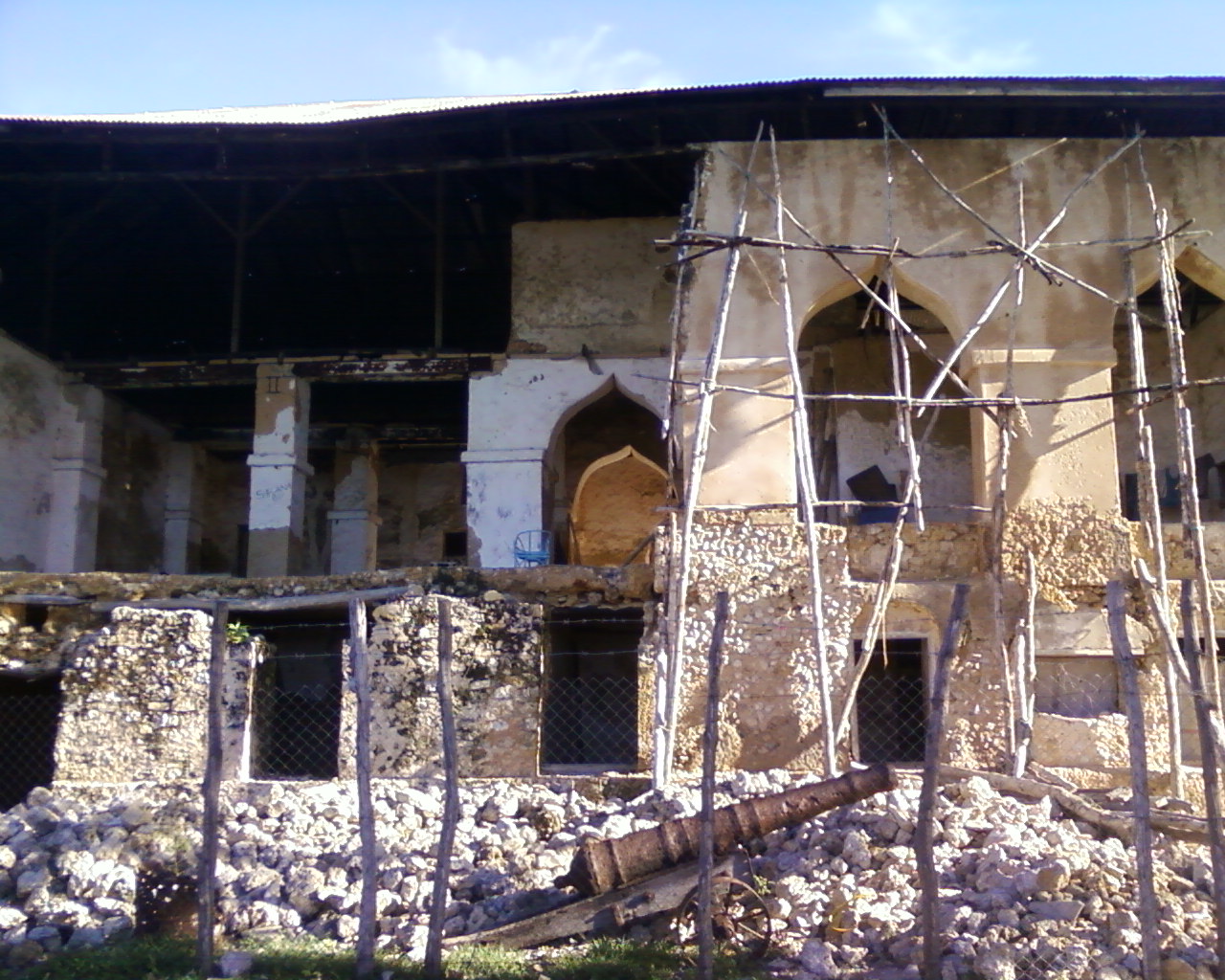
Kivinje
Medieval Swahili settlement and 19th-century buildings, Tanzania
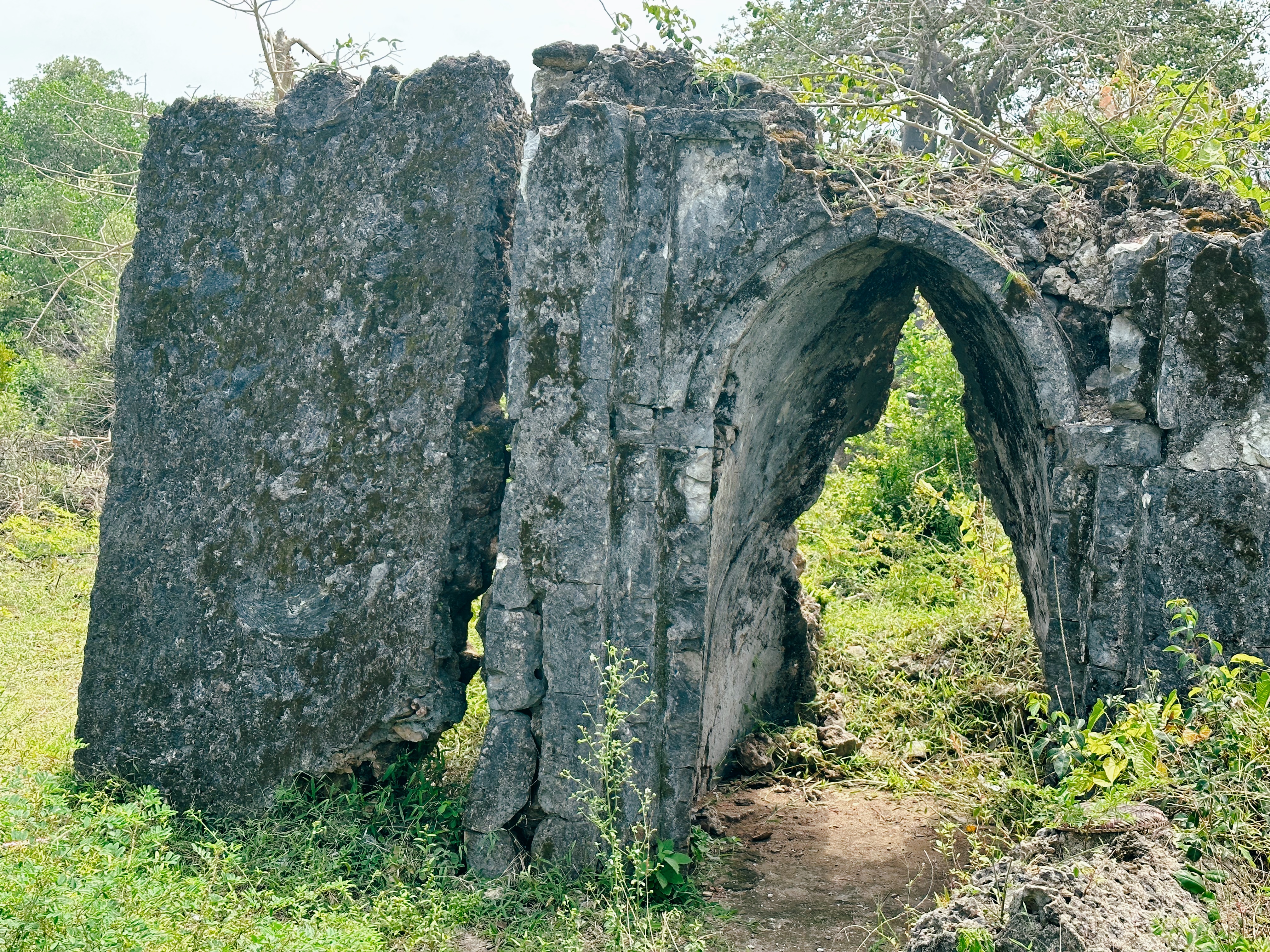
Mbutu Bandarini
Medieval Swahili ruins with mosque and artifacts
Muhembo
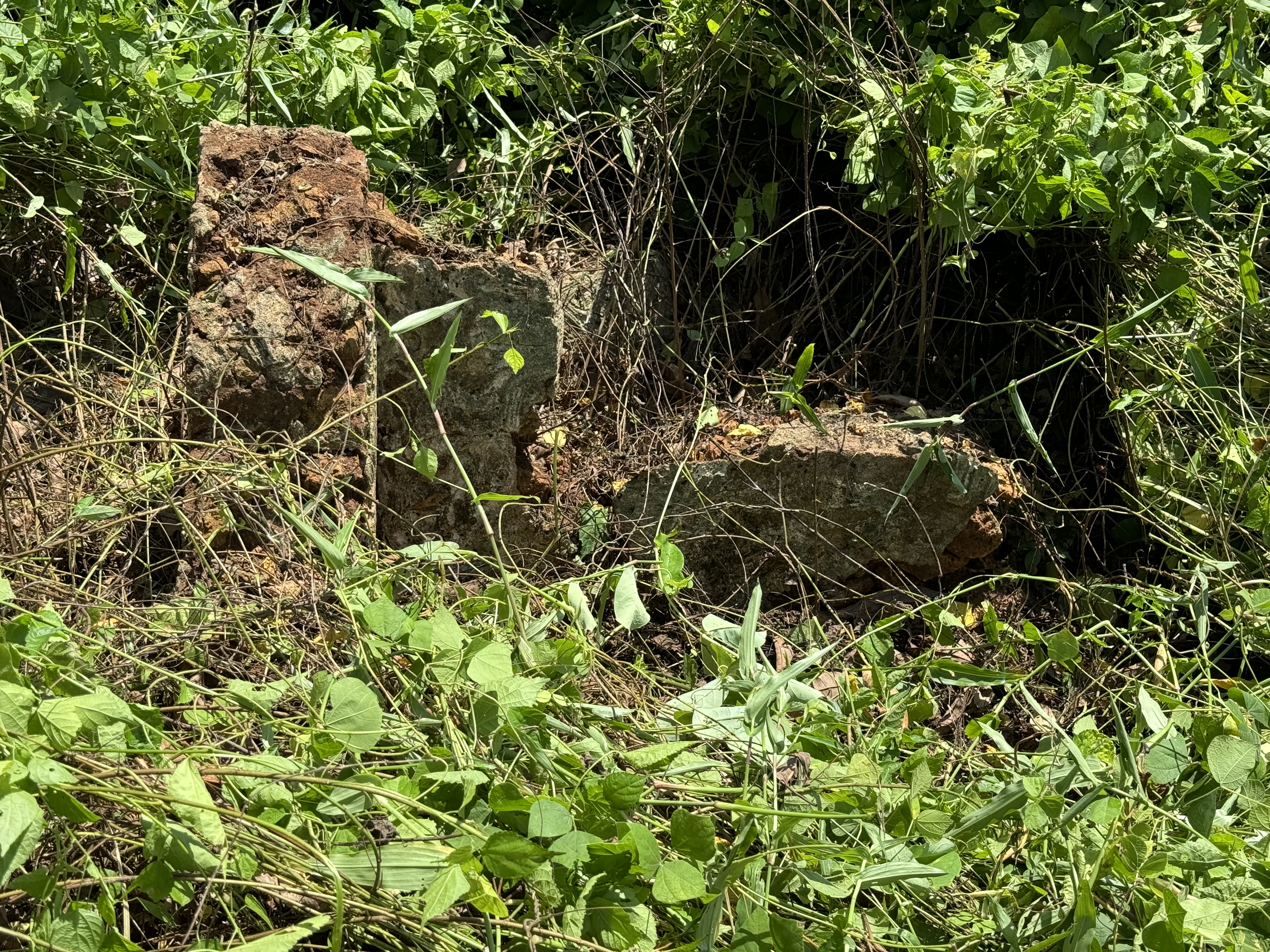
Unexcavated Swahili ruins with mosque and tombs
Tongoni Ruins
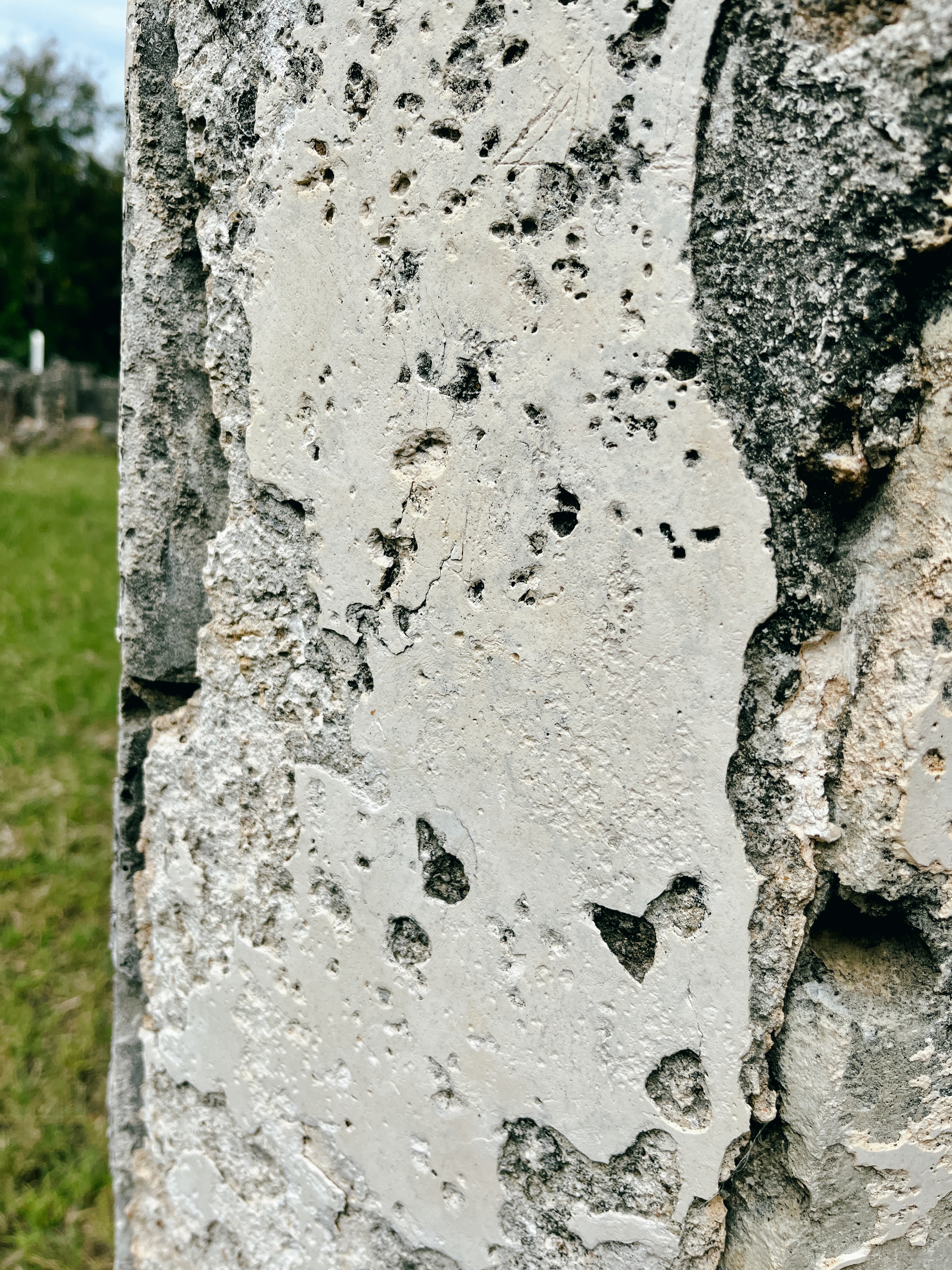
15th-century Swahili ruins with mosque and tombs.
Kua Ruins
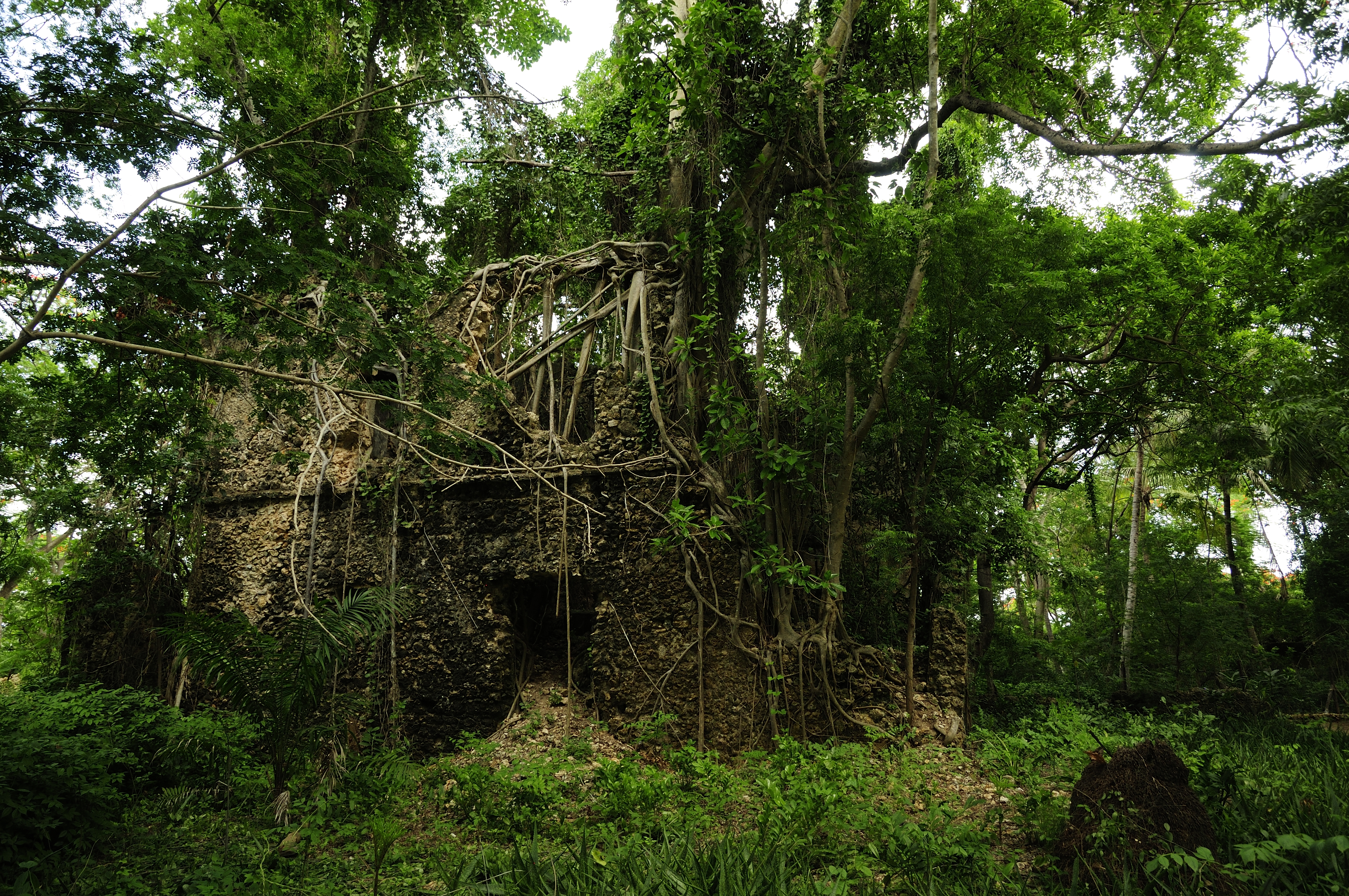
Medieval Swahili settlement with coral-stone structures