

Explore the Map
Kondoa Rock-Art Sites
-4.7244° N, 35.8339° E
About
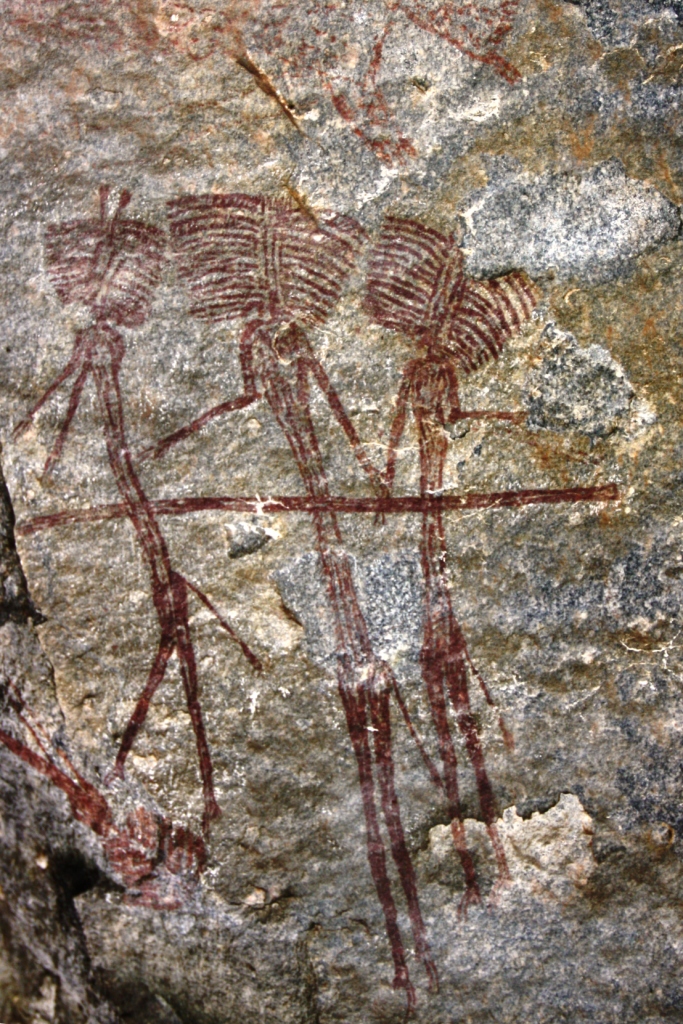
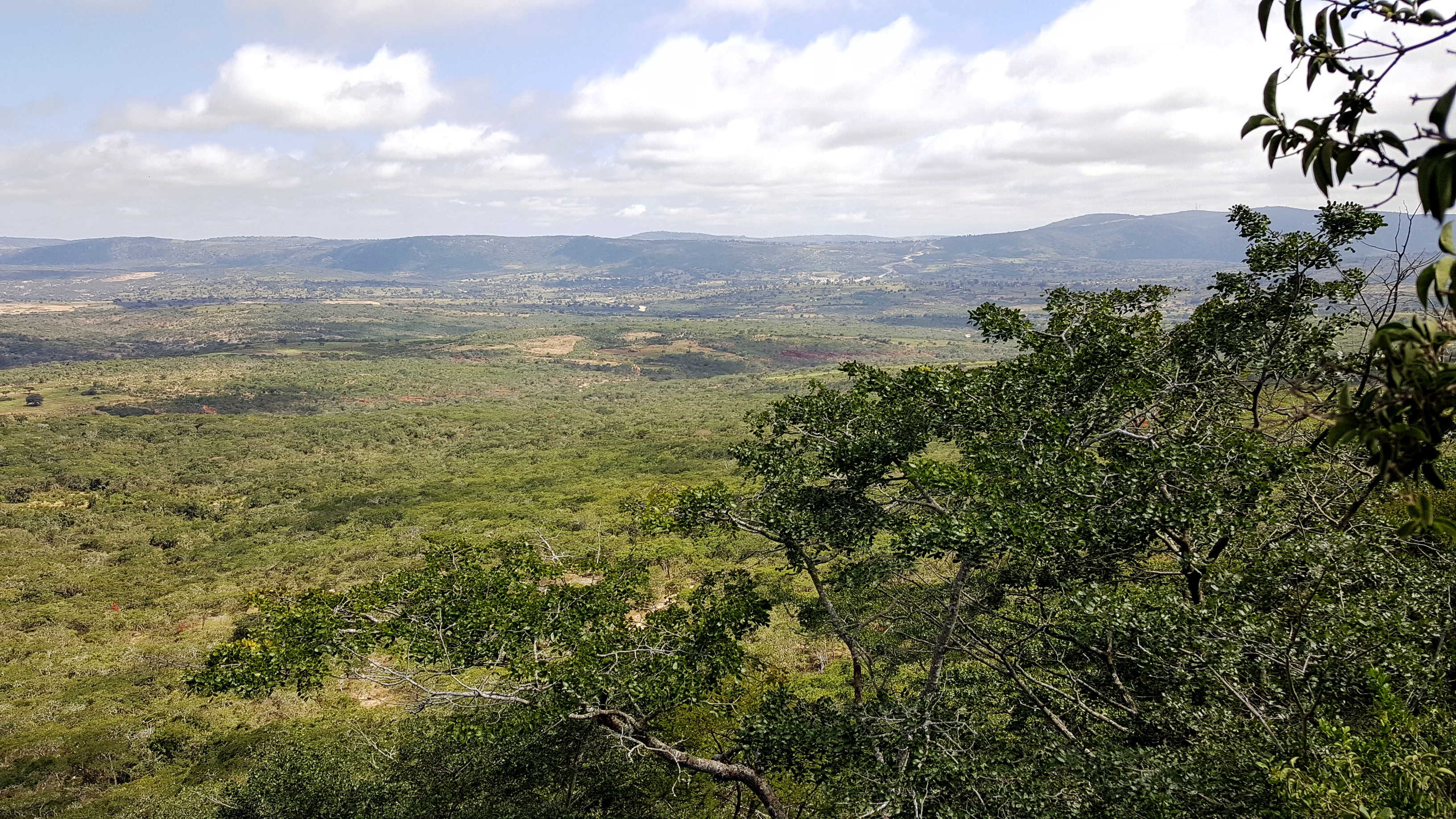
The Kondoa Rock-Art Sites in central Tanzania are a UNESCO World Heritage Site recognized for their expansive collection of ancient rock paintings. These artworks, found on the flat surfaces of rock shelters protected from weathering, date back to the Upper Paleolithic era with evidence of human occupation over 40,000 years ago in sites like Kisese II. The paintings, primarily in red ochre, depict elongated human figures, animals, and hunting scenes, reflecting a 'Naturalistic tradition' associated with hunter-gatherers. More recent white paintings show influences from Bantu farmers and Cushitic and Nilotic pastoralists. These sites continue to hold cultural and ritual significance for local communities, illustrating a continuum of cultural expression and interaction over millennia.
Gallery
Explore photographs of ancient structures, artifacts, and archaeological excavations
Historical Timeline
Journey through time and discover key events in this site's history
Upper Paleolithic Occupation
40,000 BCE
Archaeological Features
Unique architectural and cultural elements found at this historical site
Religious and Ritual Structures
Artistic and Decorative Features
Environmental and Natural Features
Frequently Asked Questions
Plan Your Visit
Tours, travel arrangements, and practical information
More Sites in Tanzania
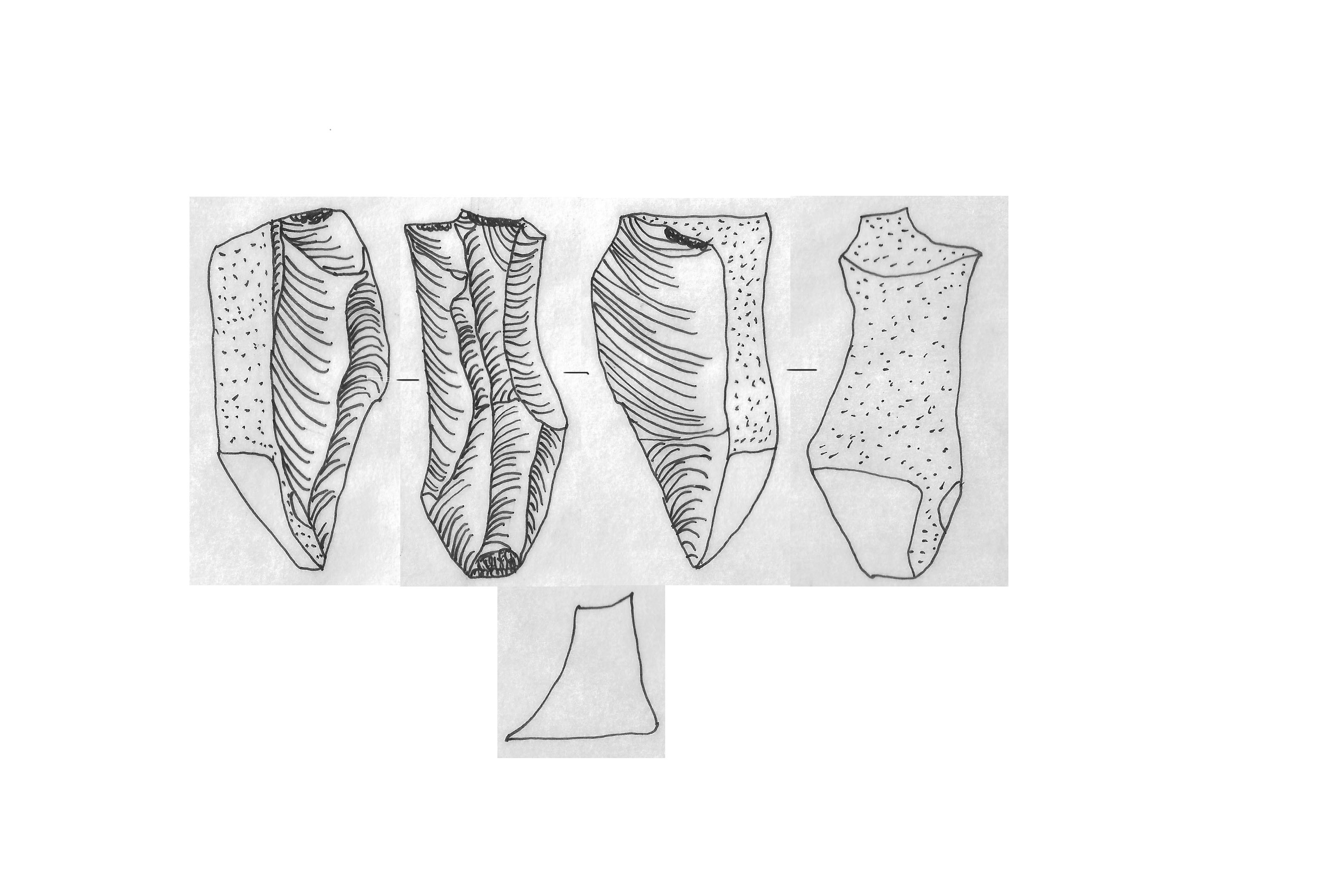
Mumba Cave
Transitional Middle to Late Stone Age cave
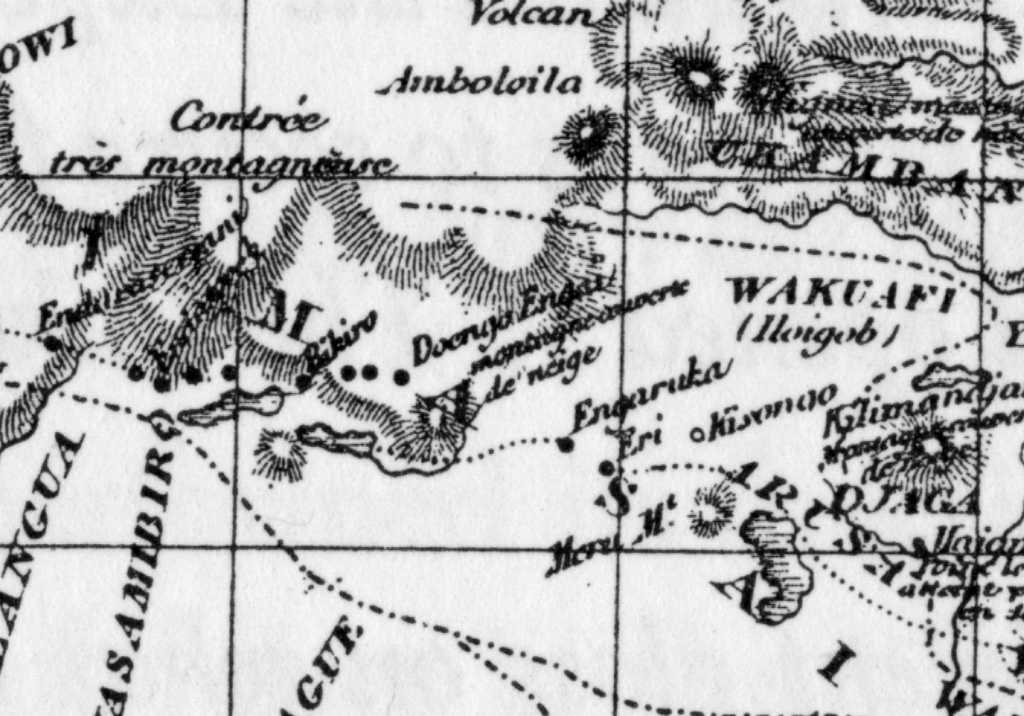
Engaruka
Iron Age irrigation ruins in northern Tanzania
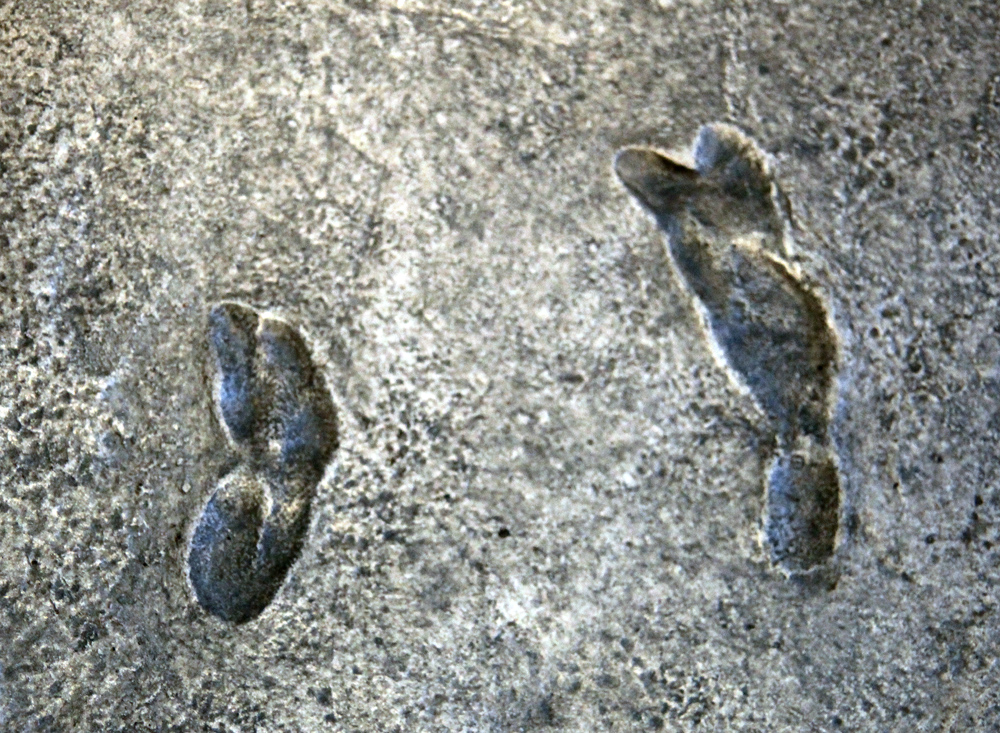
Laetoli
Site with ancient hominin footprints
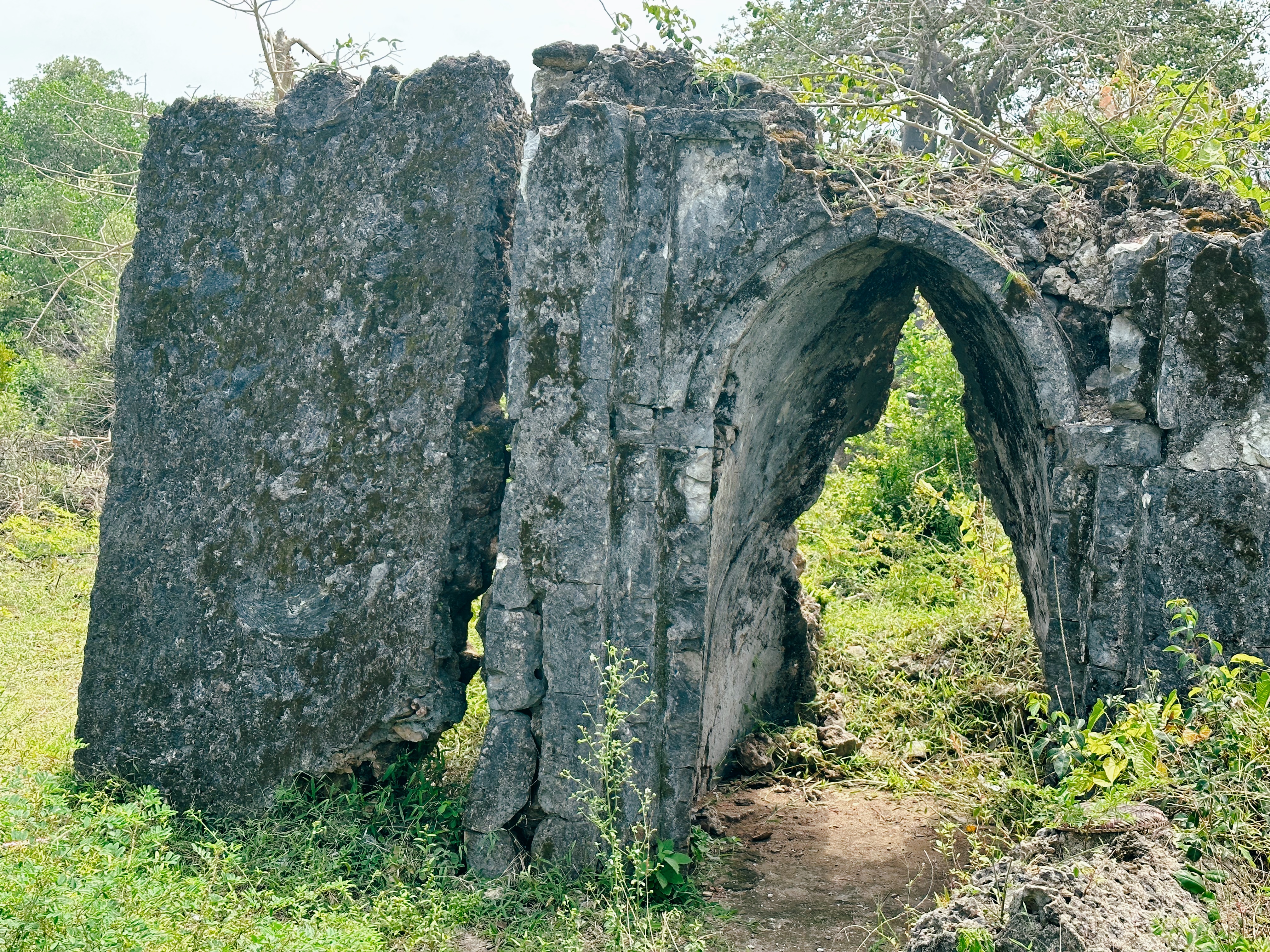
Mbutu Bandarini
Medieval Swahili ruins with mosque and artifacts
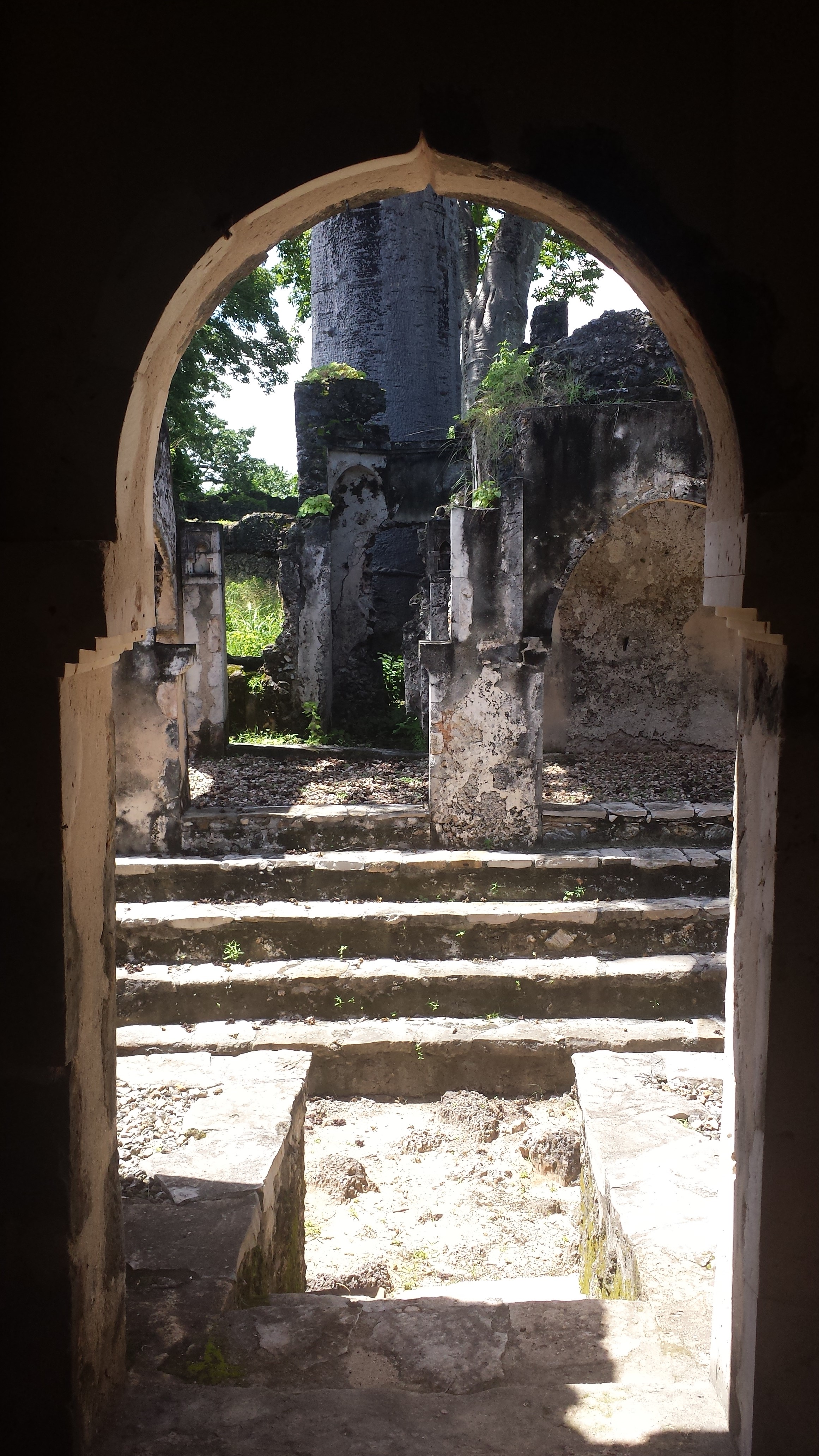
Songo Mnara
Medieval Swahili stone town on island
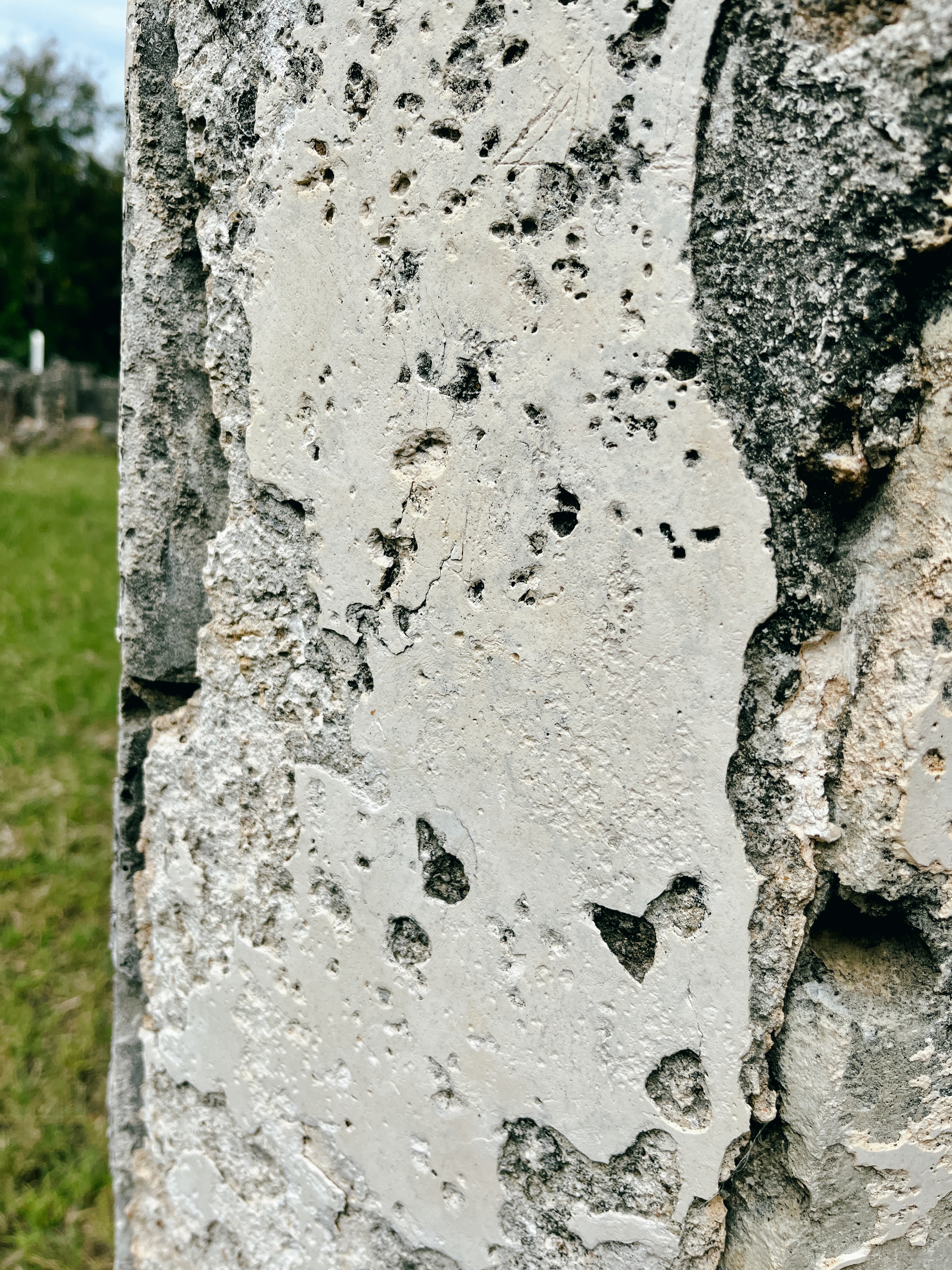
Tongoni Ruins
15th-century Swahili ruins with mosque and tombs.