Explore the Map
Luxmanda
-4.2567° N, 35.3106° E
About
Luxmanda, located in the north-central Babati District of Tanzania, is the largest and southernmost settlement of the Savanna Pastoral Neolithic culture. Occupied between 3200 and 2900 years ago, the site provides significant insights into the lifestyle of highly specialized pastoralists who relied on livestock such as cattle, sheep, goats, and donkeys for subsistence. Excavations have uncovered ceramics of the Narosura type, lithic tools, worked bone and ivory, ostrich eggshells, and grinding stones. Genetic studies of a 3,100-year-old skeleton from the site reveal a complex ancestry that includes a significant component linked to the Pre-Pottery Neolithic culture of the Levant. This suggests historical migrations or common ancestry with non-African populations, contributing to the understanding of early herding practices and the spread of Western Eurasian-related ancestry in eastern Africa. Luxmanda is paramount for understanding the Pastoral Neolithic period and its transition to later cultural phases like the Pastoral Iron Age and the Bantu Expansion.
Historical Timeline
Journey through time and discover key events in this site's history
Luxmanda Occupation
3200 BCE - 2900 BCE
Archaeological Features
Unique architectural and cultural elements found at this historical site
Animal Husbandry Features
Industrial and Craft Structures
Environmental and Natural Features
Plan Your Visit
Tours, travel arrangements, and practical information
More Sites in Tanzania
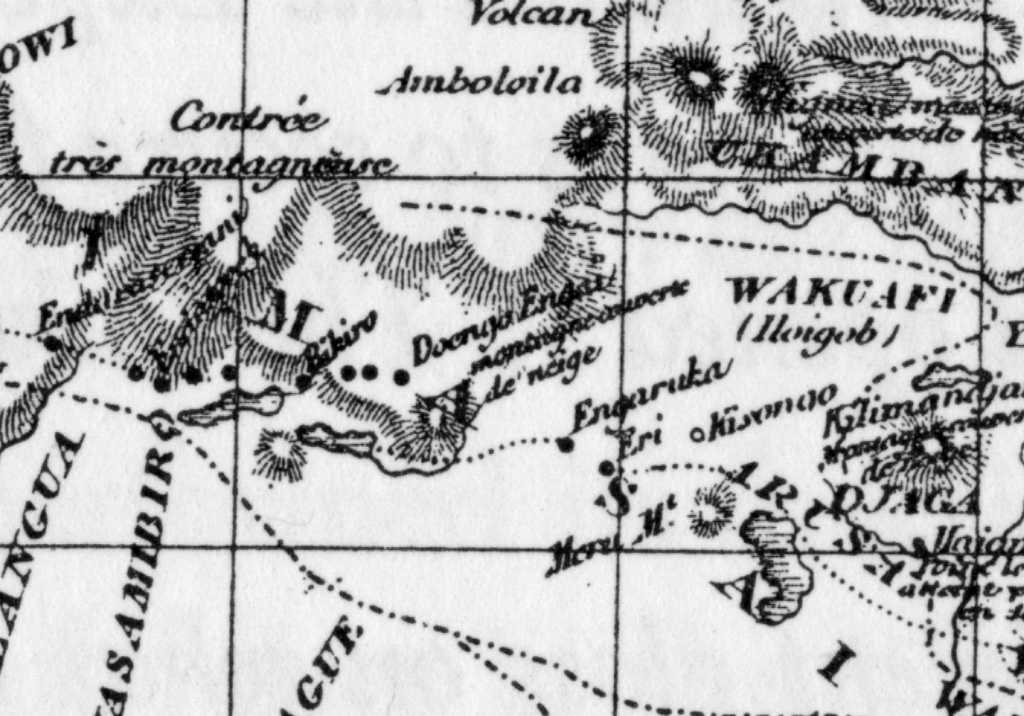
Engaruka
Iron Age irrigation ruins in northern Tanzania
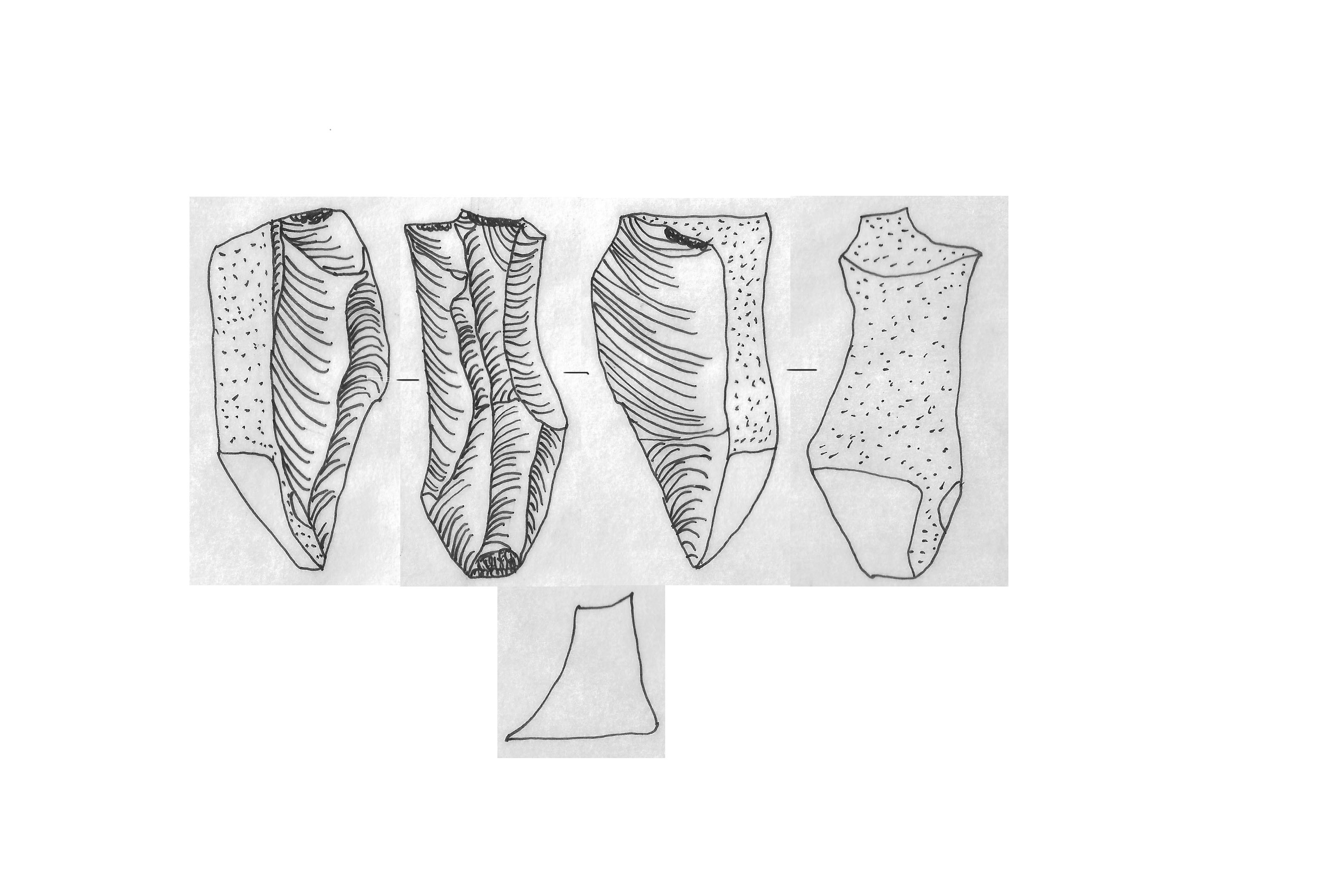
Mumba Cave
Transitional Middle to Late Stone Age cave
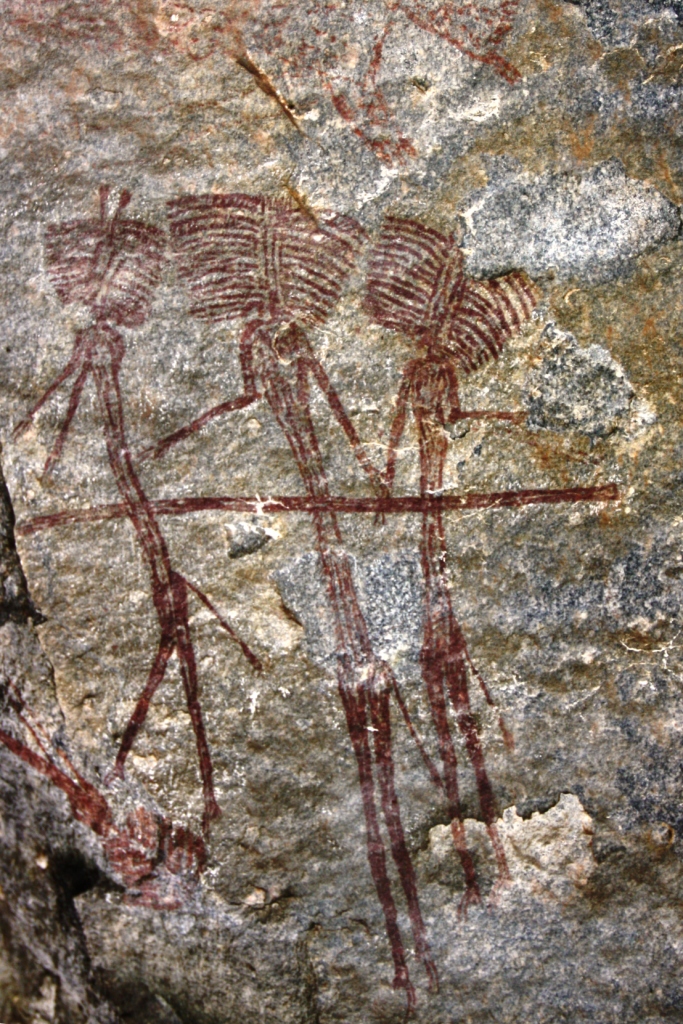
Kondoa Rock-Art Sites
Ancient rock paintings in Tanzania shelters.
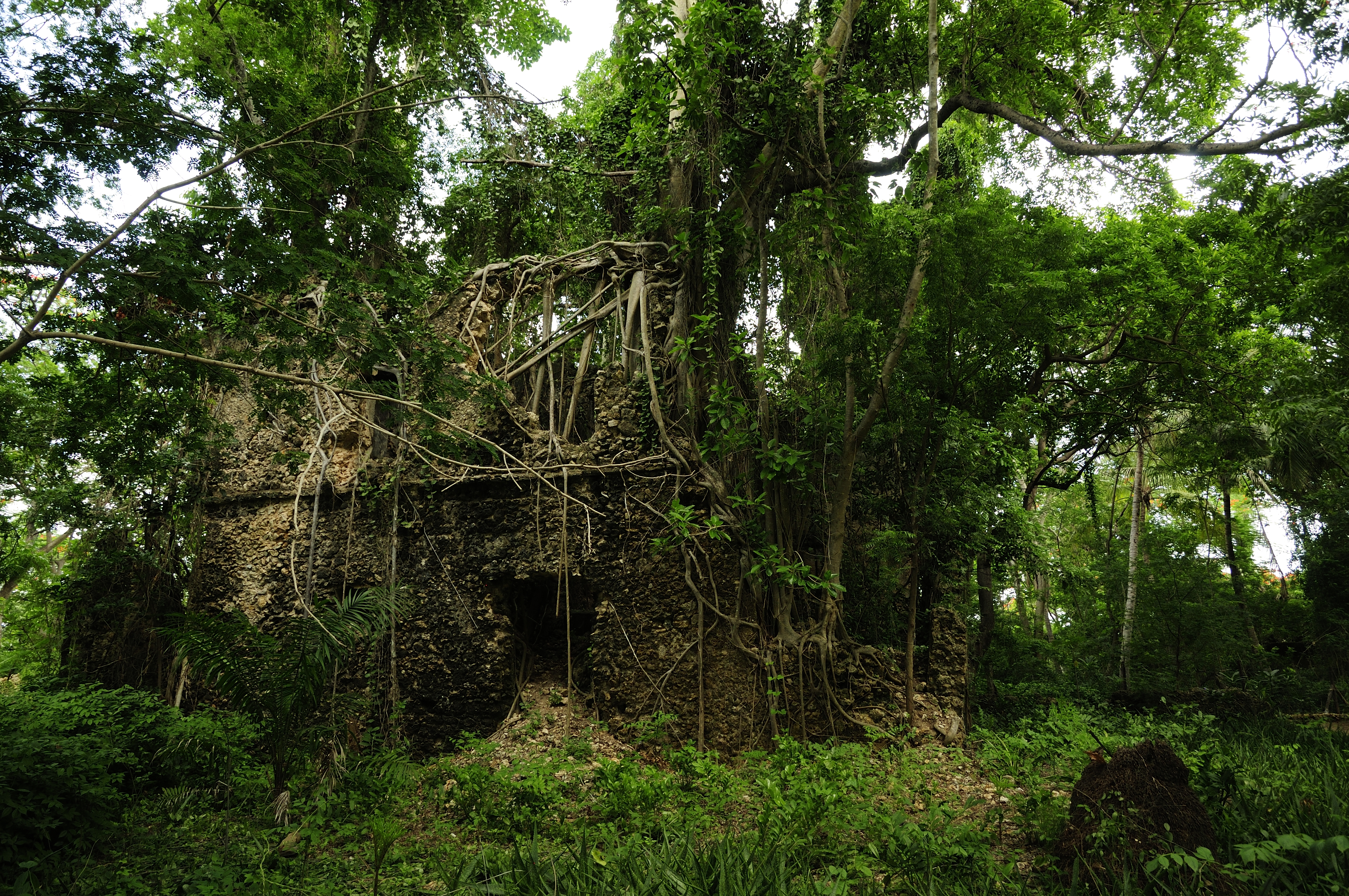
Kua Ruins
Medieval Swahili settlement with coral-stone structures
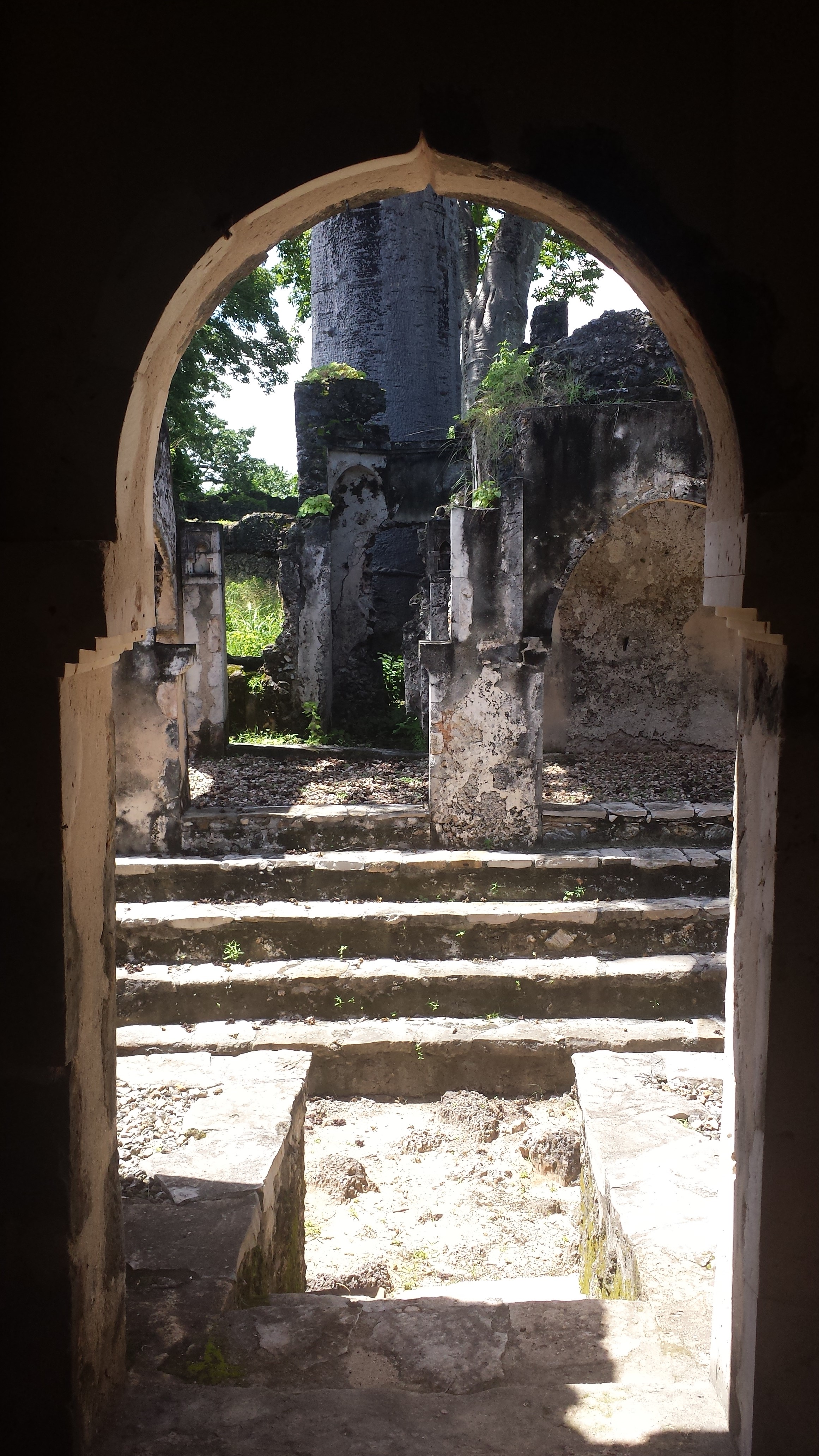
Songo Mnara
Medieval Swahili stone town on island
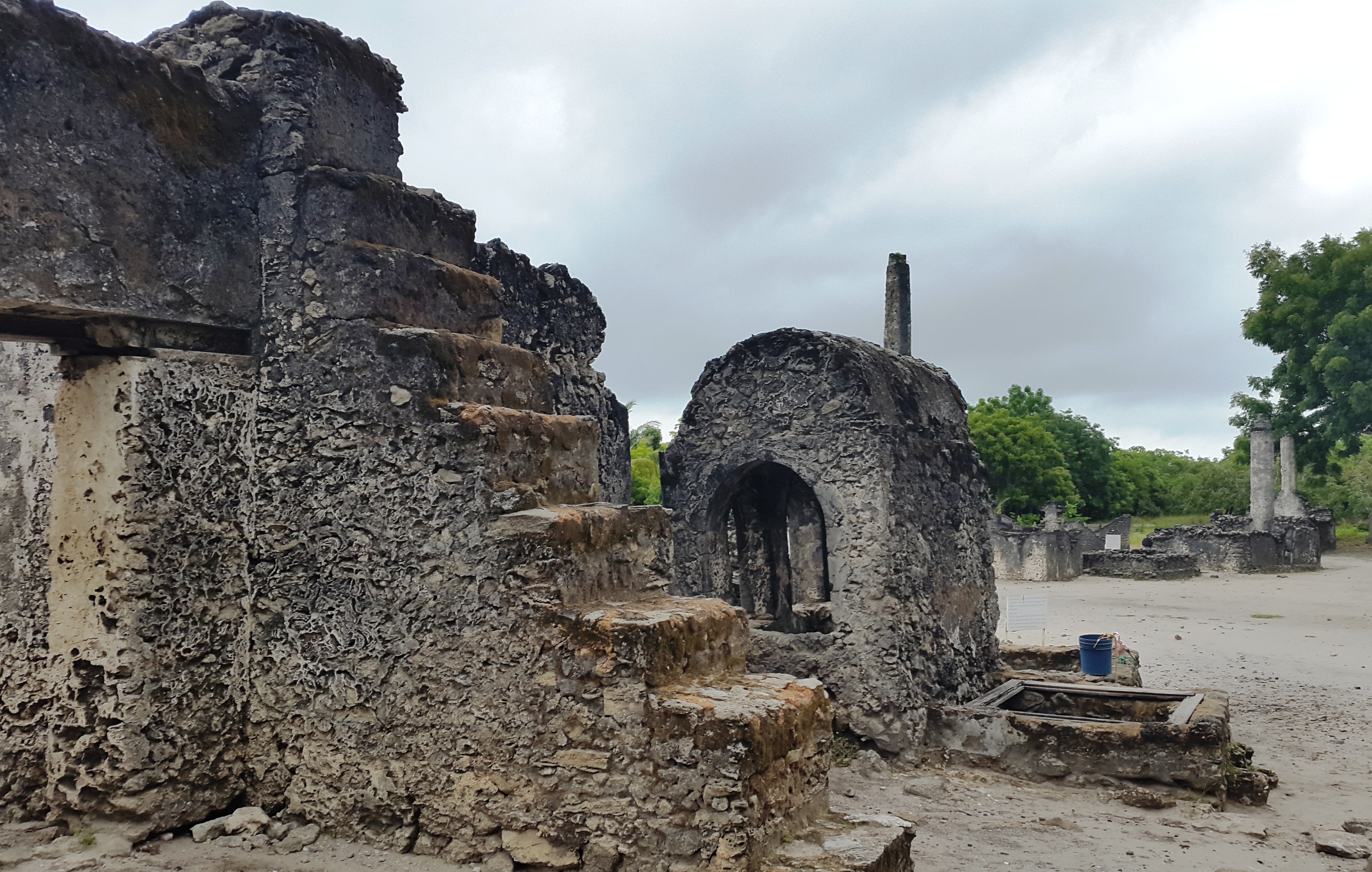
Kaole
Swahili ruins with mosques and tombs.