Time Periods
Paleolithic
Mesolithic
Neolithic
Chalcolithic
Bronze Age
Iron Age
Classical Period
Post-Classical Period
Early Modern Period
Industrial Period
Contemporary Period
Time Periods
Paleolithic
Mesolithic
Neolithic
Chalcolithic
Bronze Age
Iron Age
Classical Period
Post-Classical Period
Early Modern Period
Industrial Period
Contemporary Period
Location
About
Kipumbwi, located in the Pangani District of Tanzania's Tanga Region, is notable for its historical significance as a medieval Swahili city state. This site is indicative of the Swahili coast's rich cultural and trade history during the Late Post-Classical Period, marked by its role as a city center. The city features typical Swahili architectural styles and urban organization that were prominent between the 11th and 15th centuries CE. This period was characterized by intense trade activity along the East African coast, linking African interior societies with those across the Indian Ocean. Kipumbwi's archaeological significance lies in its contribution to understanding the Swahili civilization's development, trade networks, and urbanization patterns during the medieval era.
Archaeological Features
Explore the unique architectural and cultural elements found at this historical site
Domestic and Habitation Structures
Historical Timeline
Journey through time and discover key events in this site's archaeological history
Plan Your Visit
Details
- Country
- Tanzania
- Source
- Wikipedia
More Sites in Tanzania
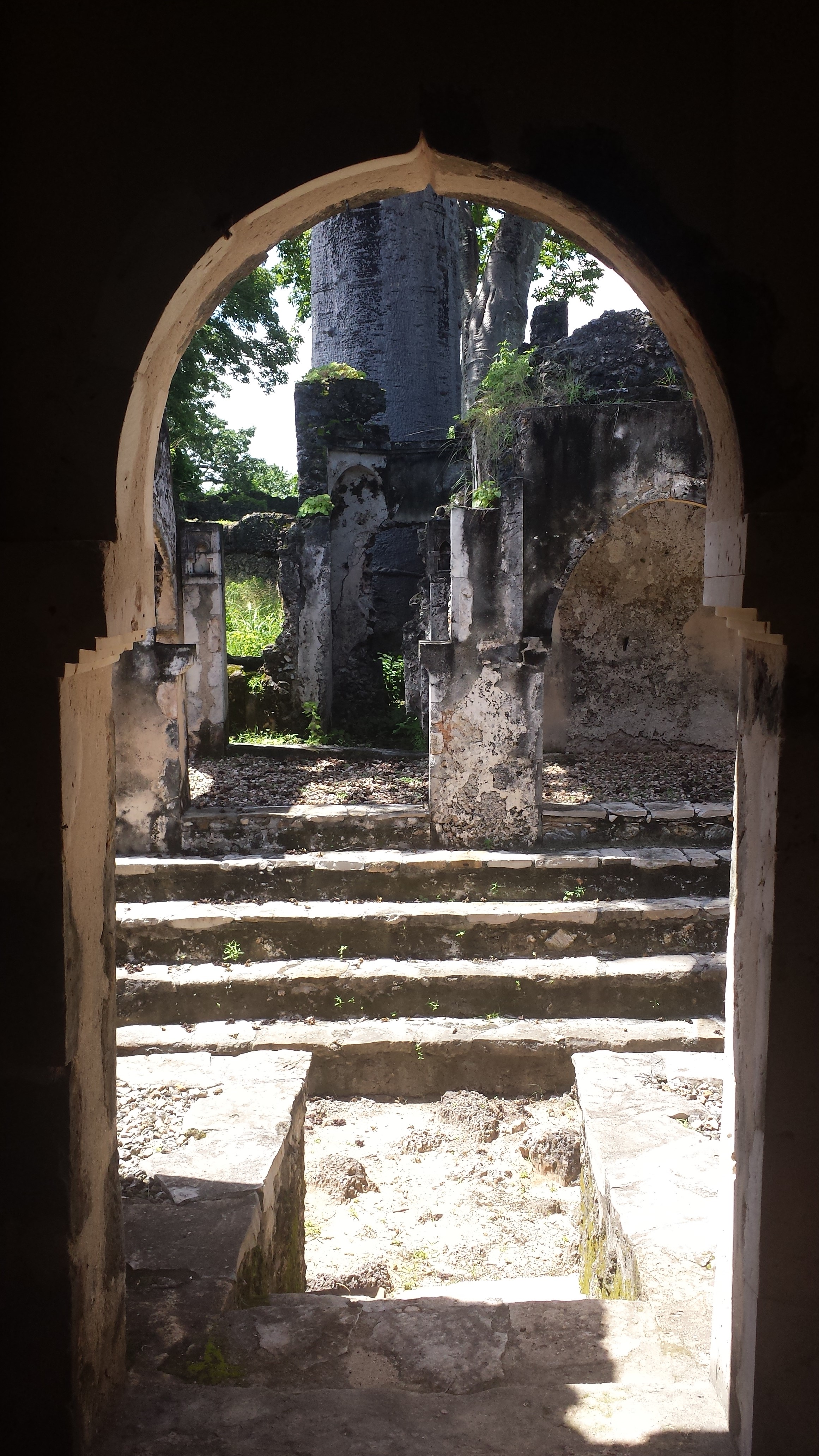
Songo Mnara
Medieval Swahili stone town on island
Yambe Island
Unexcavated medieval Swahili ruins on island.
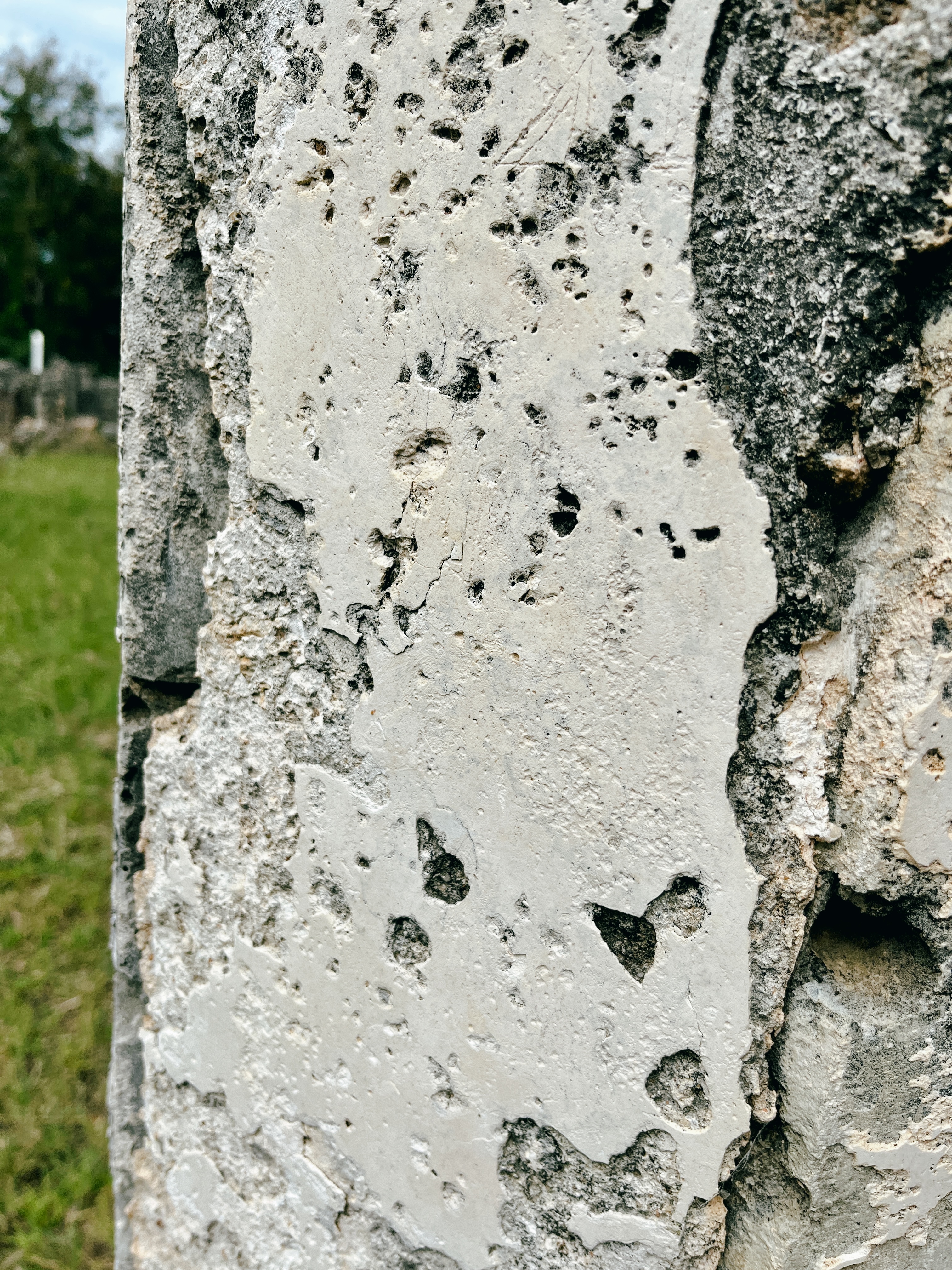
Tongoni Ruins
15th-century Swahili ruins with mosque and tombs.
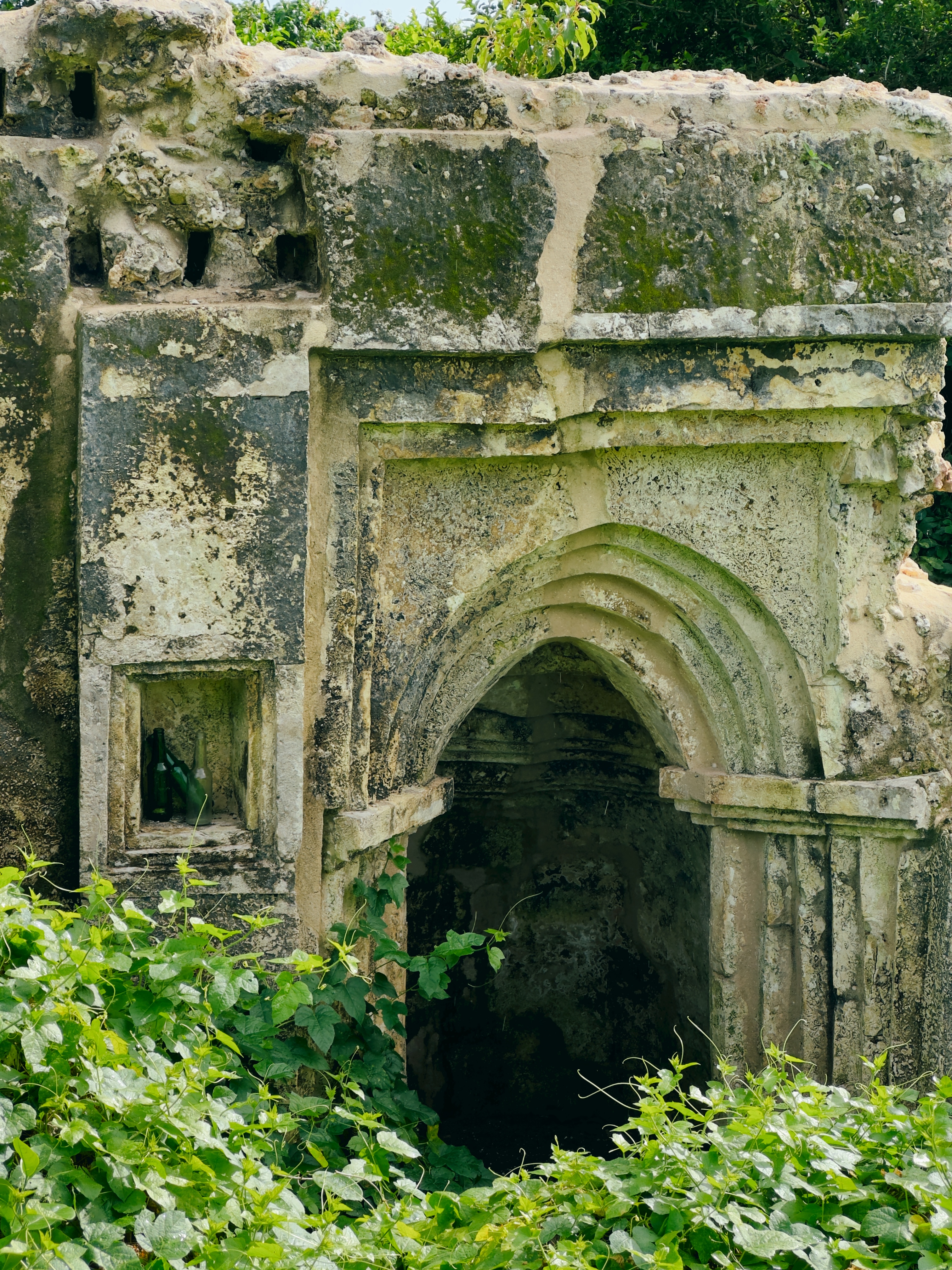
Kimbiji Ruins
Medieval Swahili ruins with mosque and cemetery

Kilwa Kisiwani
Historic Swahili city-state with trade significance
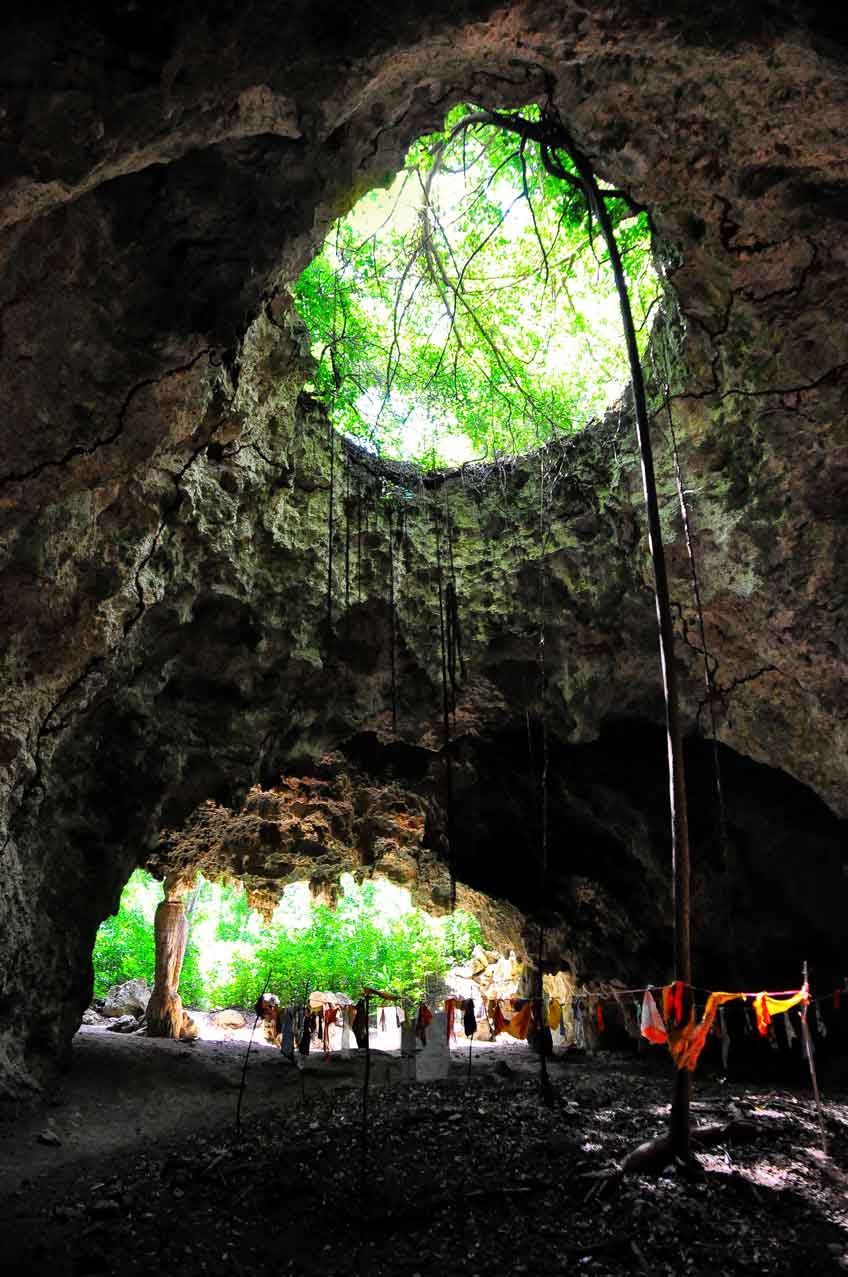
Kuumbi Cave
Limestone cave with mixed stratigraphy.