Time Periods
Paleolithic
Mesolithic
Neolithic
Chalcolithic
Bronze Age
Iron Age
Classical Period
Post-Classical Period
Early Modern Period
Industrial Period
Contemporary Period
Time Periods
Paleolithic
Mesolithic
Neolithic
Chalcolithic
Bronze Age
Iron Age
Classical Period
Post-Classical Period
Early Modern Period
Industrial Period
Contemporary Period
Location
About
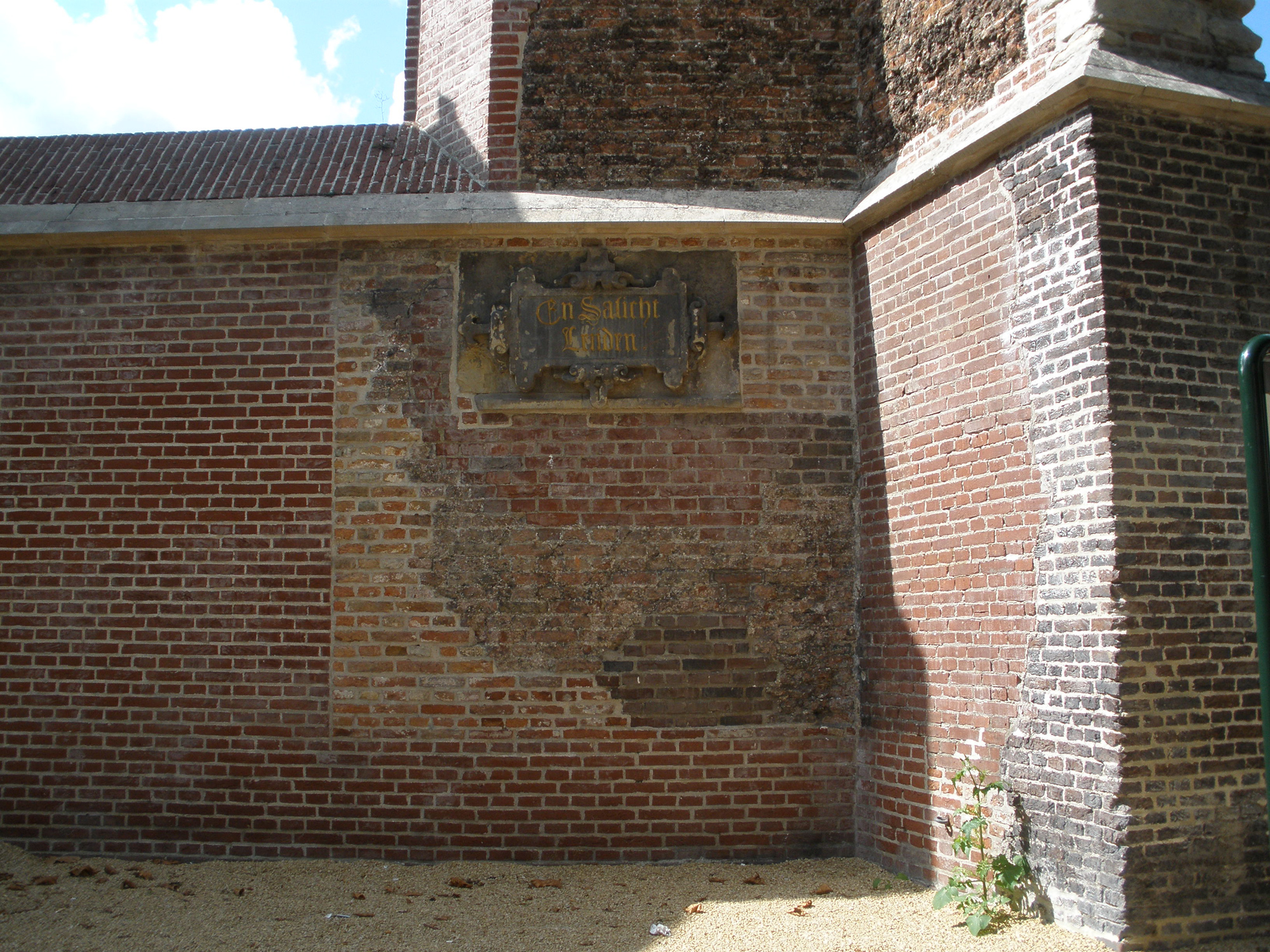
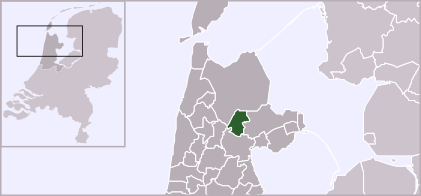
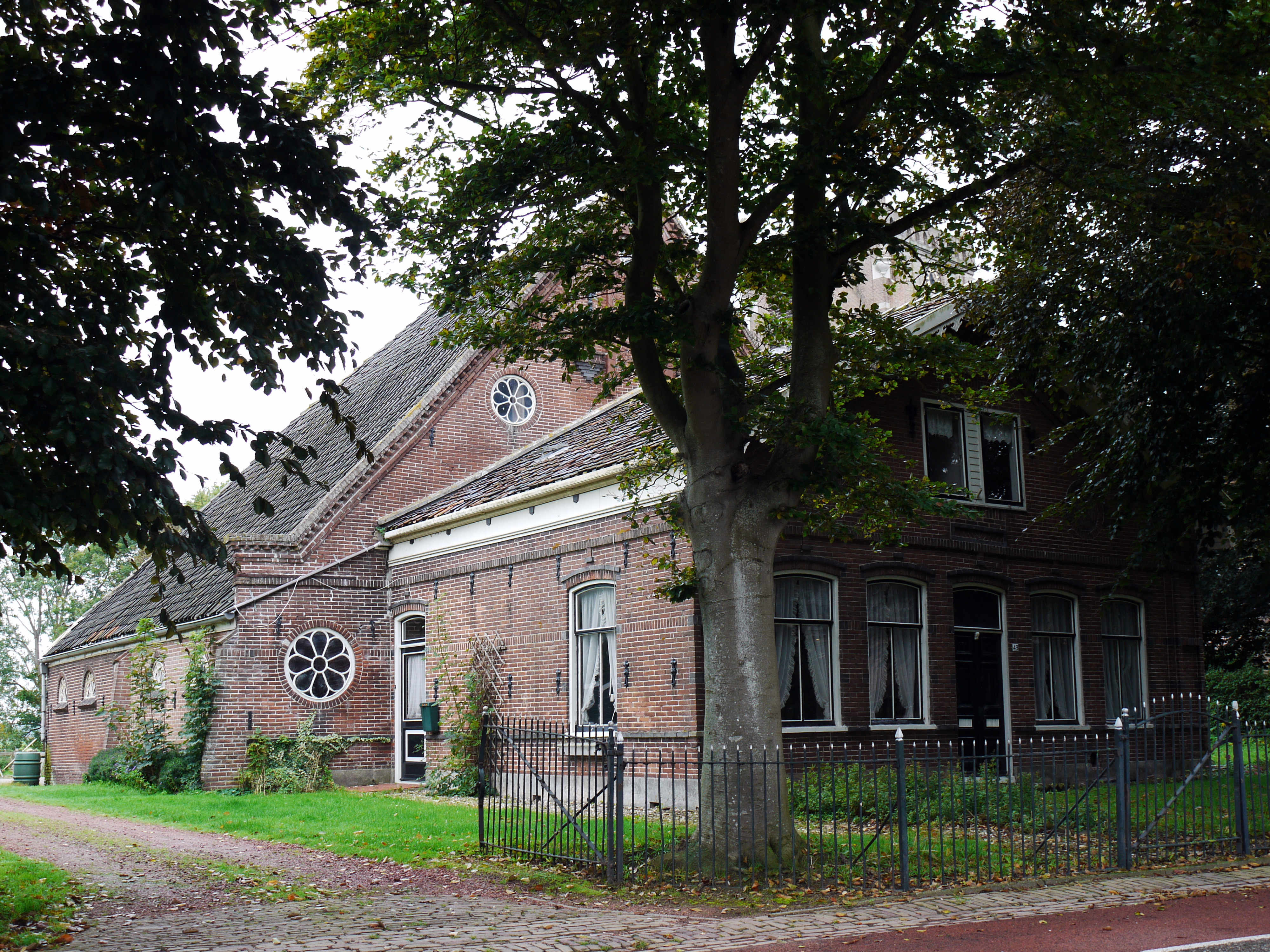
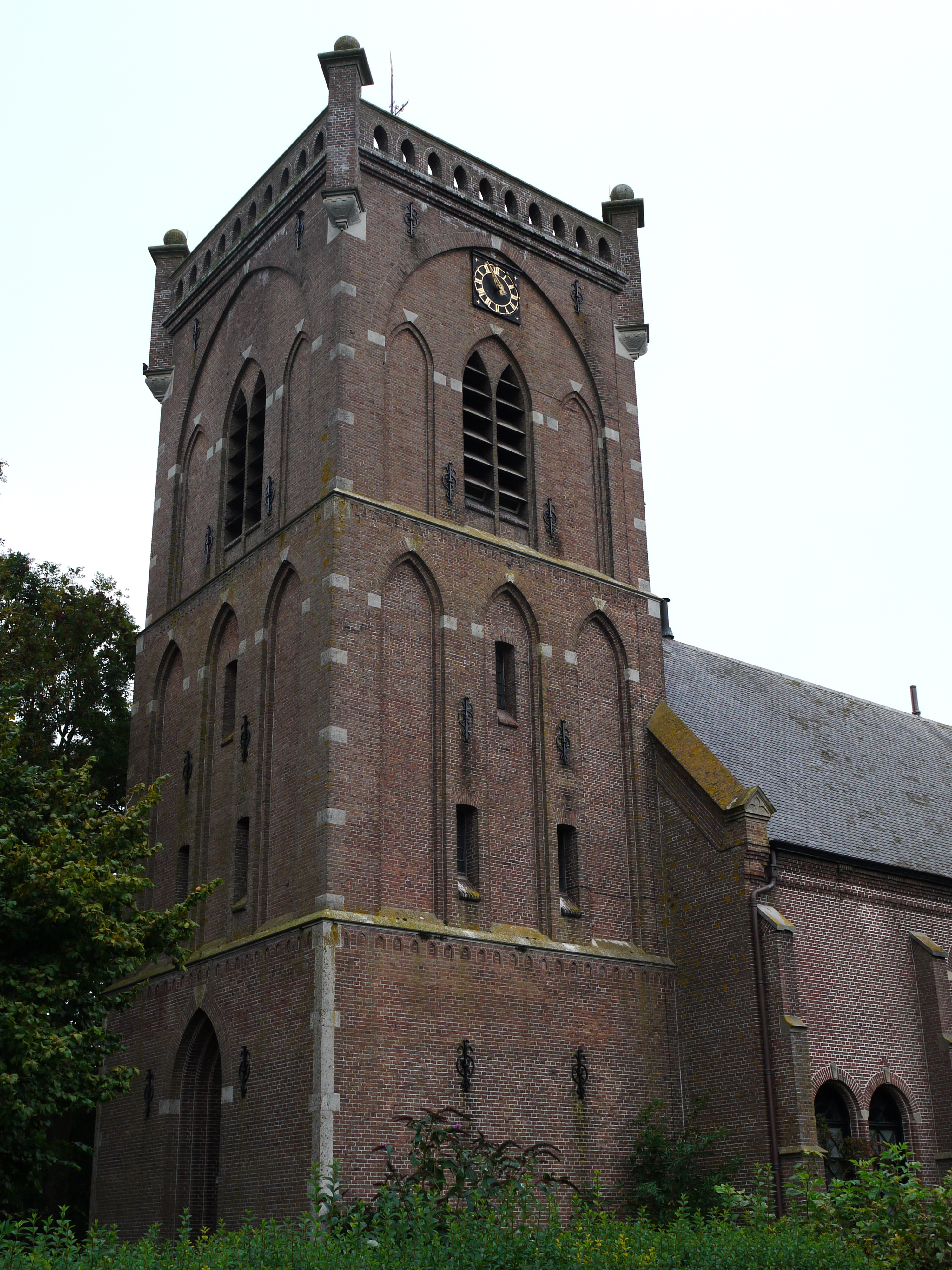
Aartswoud is an archaeological site situated in North Holland, Netherlands. The village has been a notable settlement since the late Neolithic period, serving as a crucial site for the Beaker culture. Archaeological findings include macrobotanical remains such as Einkorn wheat and Flax. Aartswoud was historically a harbor village on the Zuiderzee, but became landlocked following the formation of the Wieringermeer. The site is characterized by its 16th-century church tower, a medieval structure that survived subsequent architectural changes. The Westfriese Omringdijk, completed in 1250, is a significant feature, providing protection and showcasing medieval dike construction techniques. The village is also connected with historical events such as the Siege of Alkmaar and the Anglo-Russian invasion of Holland. Today, Aartswoud serves as a portal to nature reserves, preserving its rich archaeological and ecological heritage.
Gallery
Explore photographs of ancient structures, artifacts, and archaeological excavations at Aartswoud
Archaeological Features
Explore the unique architectural and cultural elements found at this historical site
Defensive Structures
Water Management Features
Religious and Ritual Structures
Domestic and Habitation Structures
Historical Timeline
Journey through time and discover key events in this site's archaeological history
Plan Your Visit
Details
- Country
- the Netherlands
- Source
- Wikipedia