Explore the Map
Vrouwekerk
52.1608° N, 4.4897° E
About
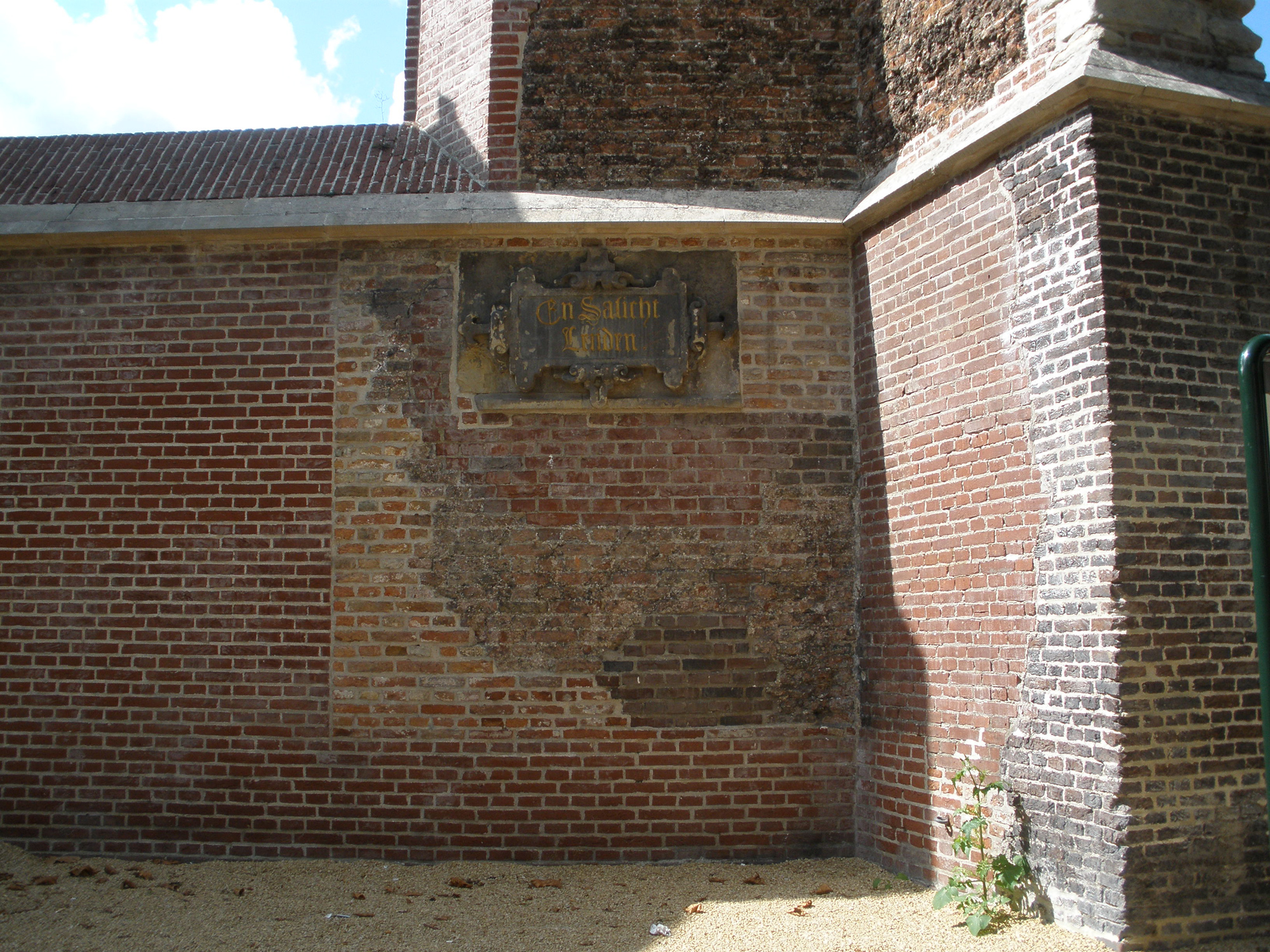
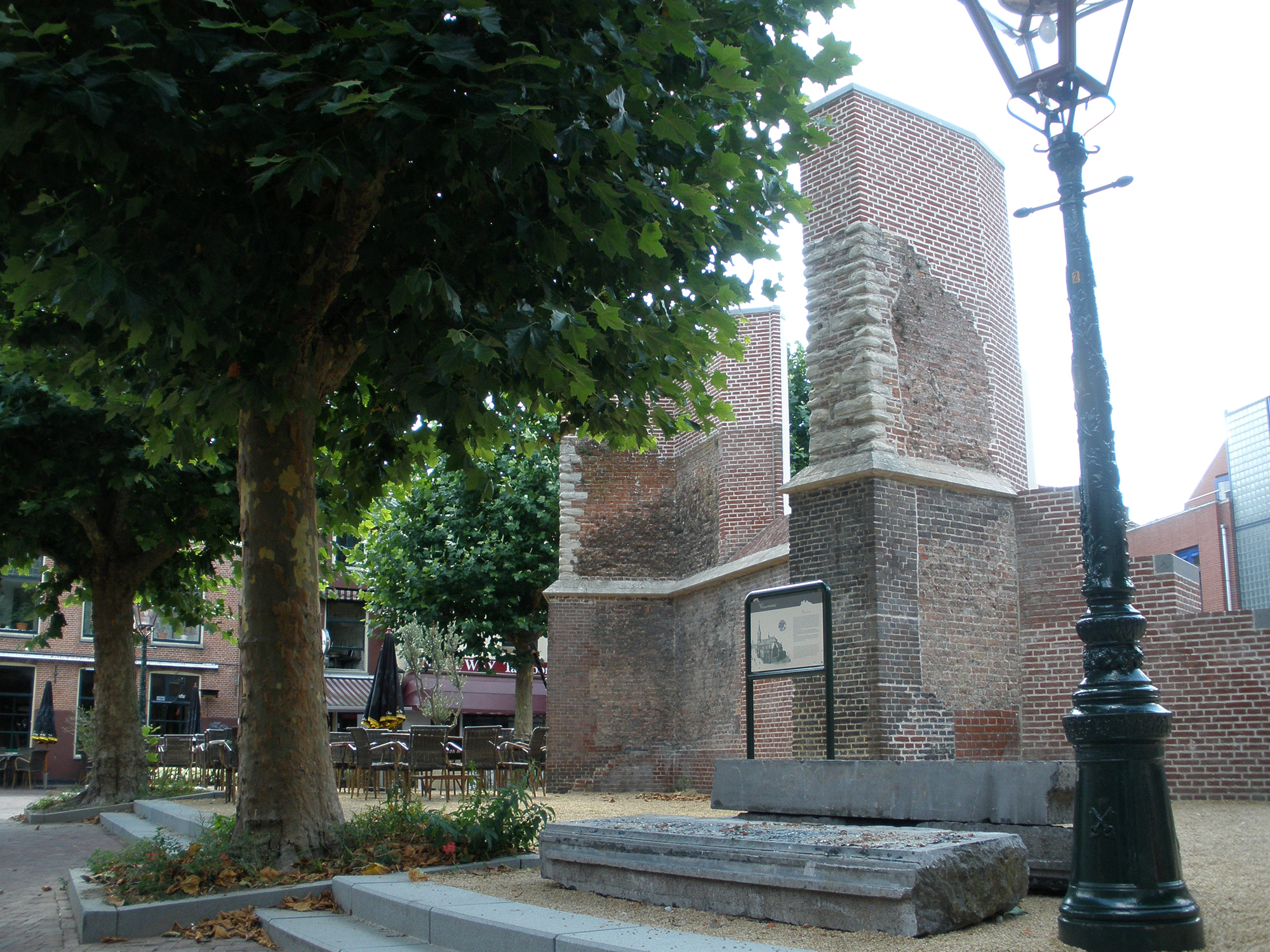
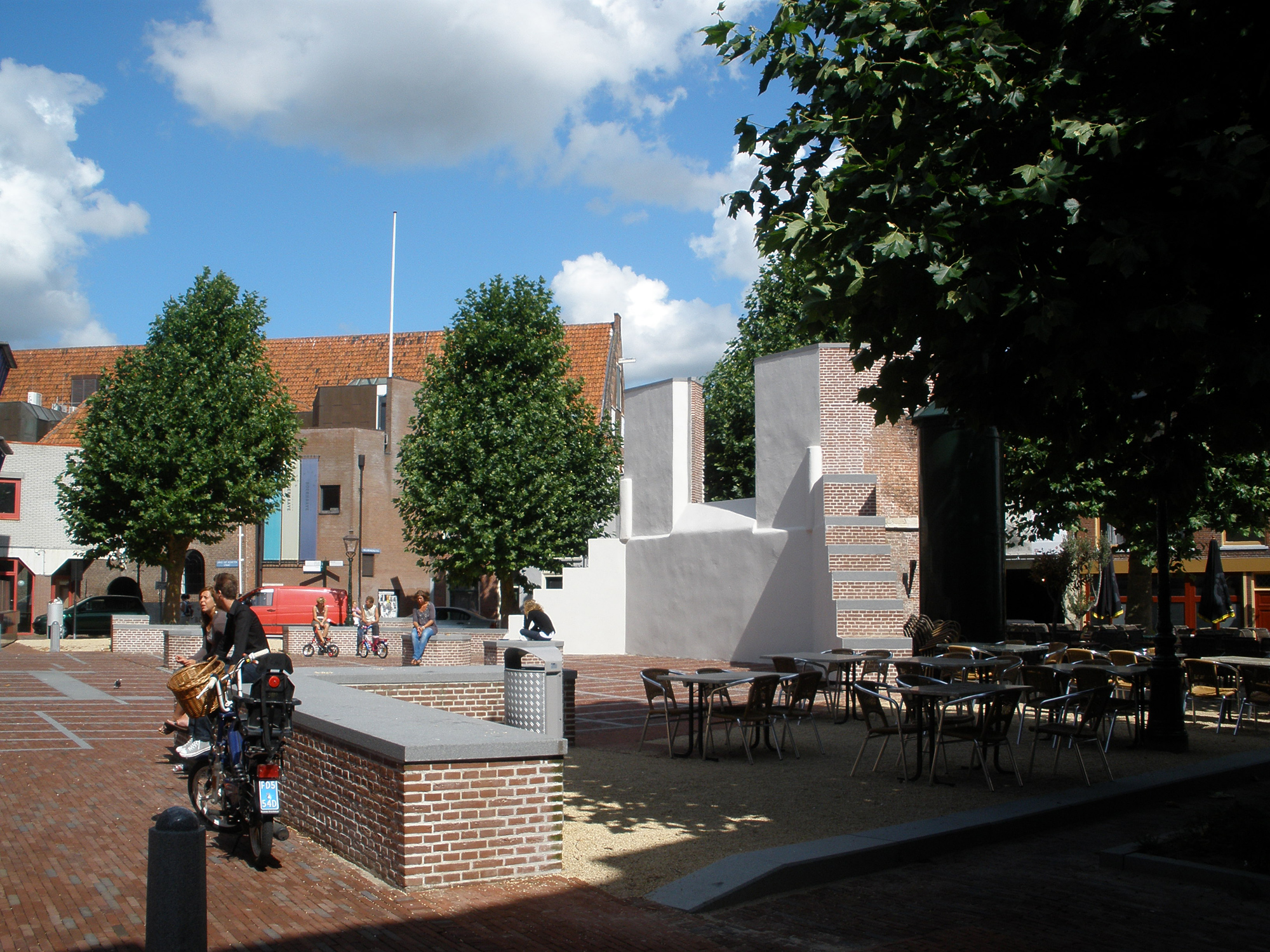
The Vrouwekerk, a 14th-century Gothic church located in Leiden, the Netherlands, has a rich historical and archaeological significance. Initially built as a chapel devoted to the Virgin Mary around 1300 CE, it was later expanded into a stone church by 1365 CE. The church, known for its association with the Pilgrims and Huguenot refugees, became a prominent religious site in the 16th and 17th centuries. It also served as a burial site for notable individuals like Carolus Clusius and Joseph Justus Scaliger. Over time, however, the church fell into disrepair and was largely demolished in the 19th century, with only remnants such as graves and some walls remaining today. The site holds national monument status and underwent restorations to preserve its historical elements, highlighting its significance in both local and transatlantic cultural history.
Gallery
Explore photographs of ancient structures, artifacts, and archaeological excavations
Historical Timeline
Journey through time and discover key events in this site's history
Chapel construction
1300 CE
Bridge construction and town expansion
1325 CE
Church enlargement to stone structure
1365 CE
Further church enlargement
1406 CE
Vrouwekerk used by Huguenots
1584 CE
Church falls out of use
1808 CE
Partial demolishment of church
1837 CE
Archaeological Features
Unique architectural and cultural elements found at this historical site
Burial and Funerary Structures
Religious and Ritual Structures
Artistic and Decorative Features
Plan Your Visit
Tours, travel arrangements, and practical information