Explore the Map
Hacınebi Tepe
37.9756° N, 37.0597° E
About
Hacınebi Tepe (also Hacinebi Tepe) is an ancient Near East archaeological site 3.5 kilometers north of the modern town of Birecik and near the Euphrates river crossing between Apamea and Zeugma in Şanlıurfa Province, Turkey. The area marks the northernmost easily navigable route of the Euphrates River. The site was occupied in the 4th millennium BC by a local population, joined by an enclave of the Uruk culture in the middle of that millennium. It was then abandoned aside from occasional use for burials, until the Hellenistic period when it was again fully occupied. The sites final use was as a Roman farmstead.
Gallery
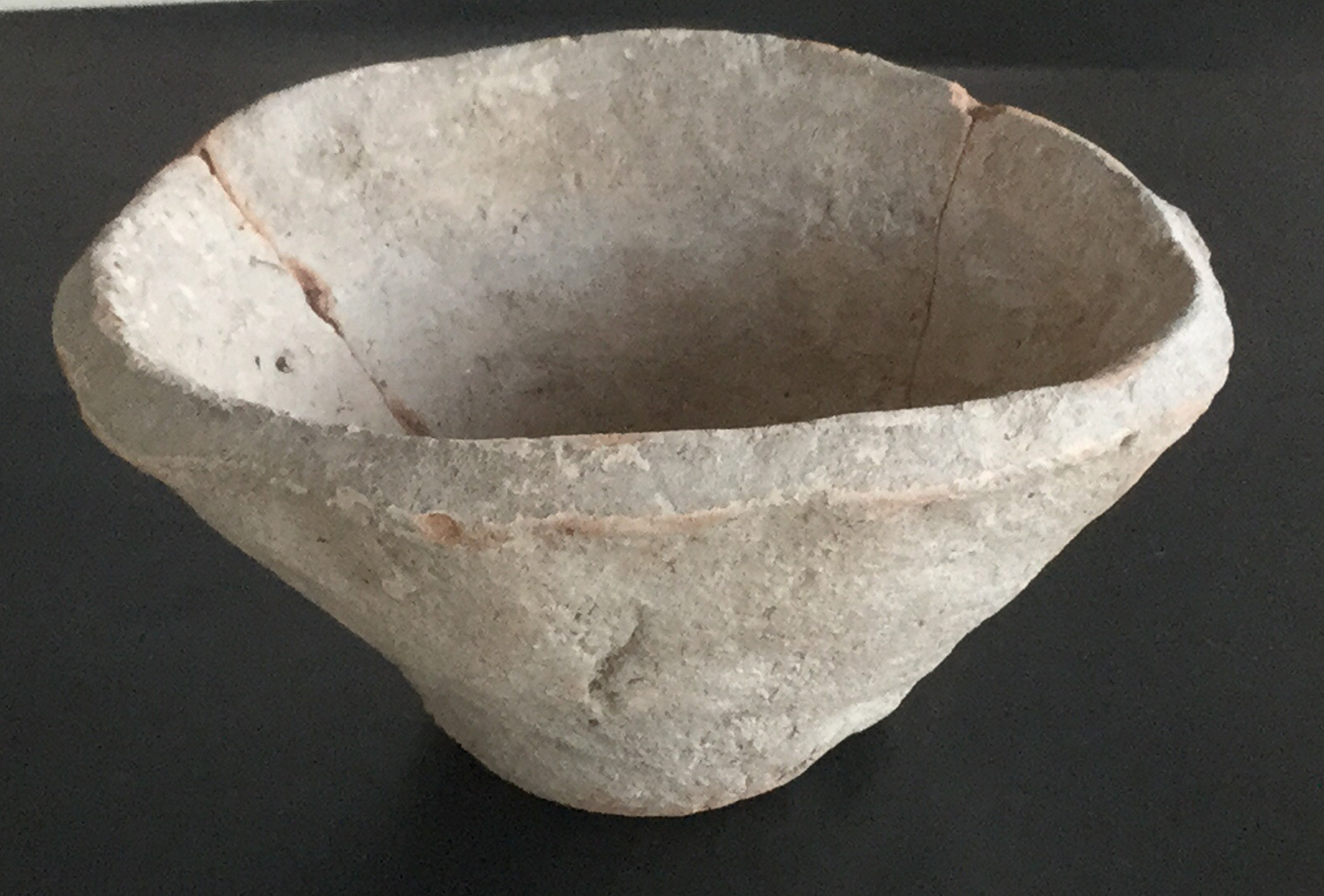
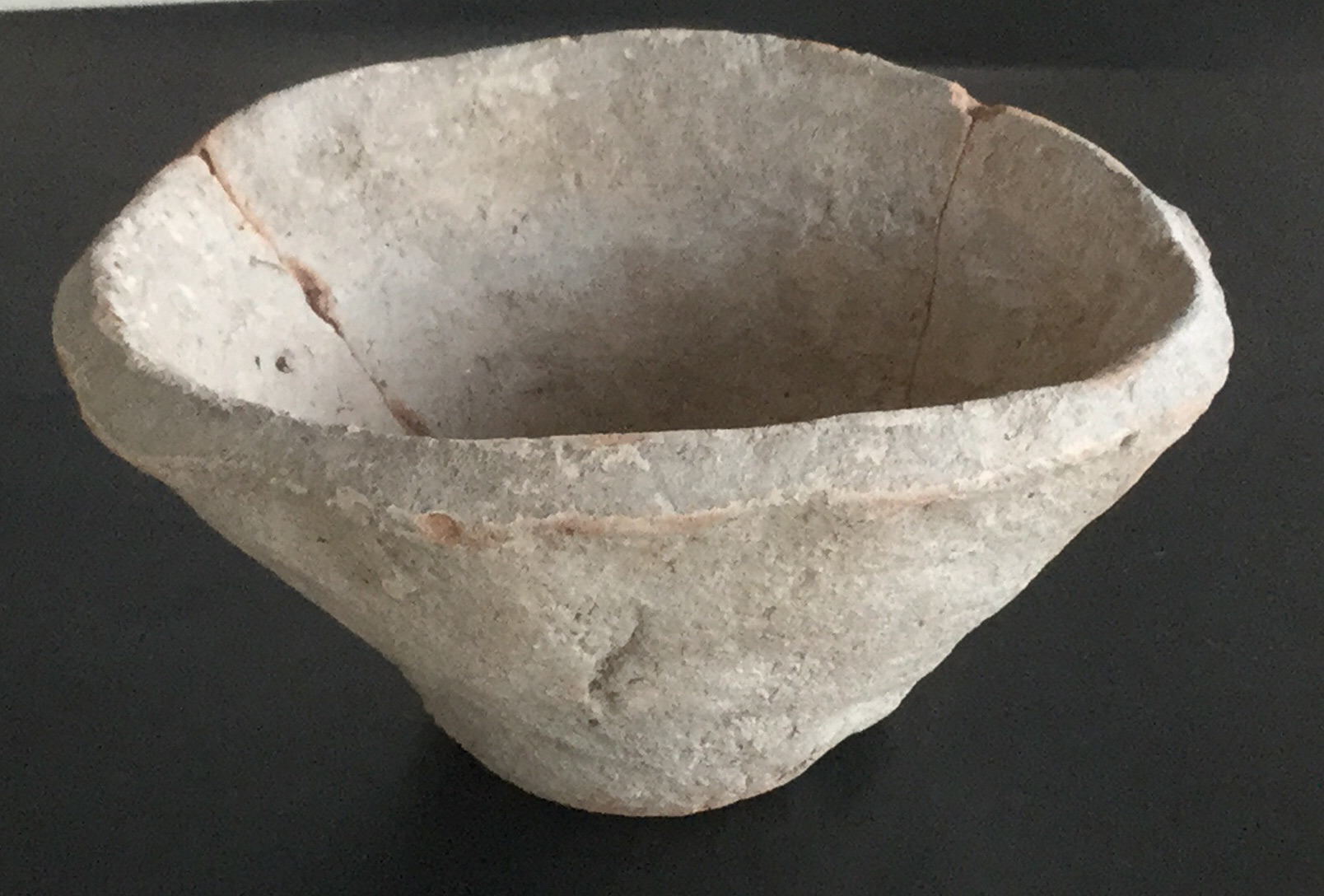
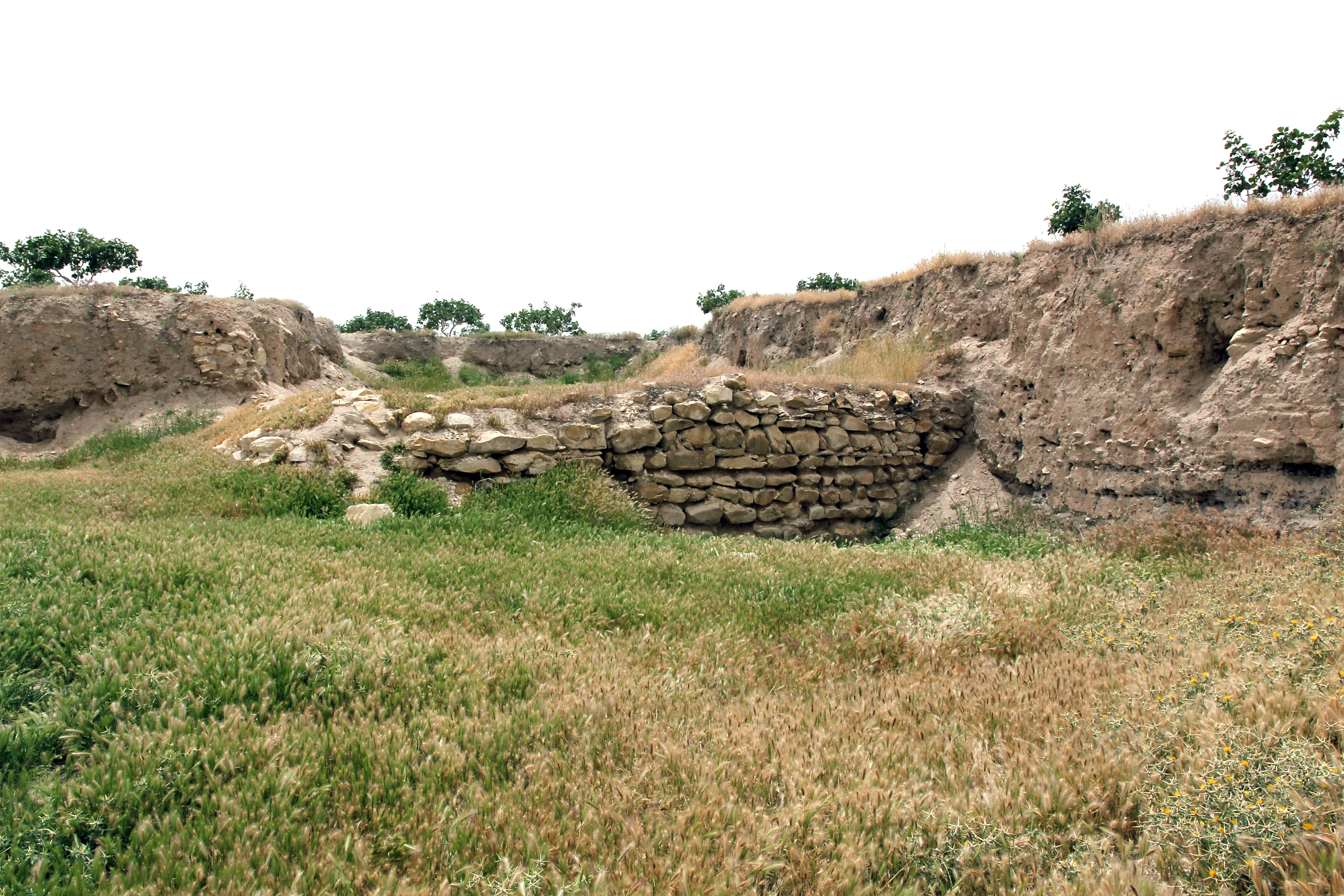
Explore photographs of ancient structures, artifacts, and archaeological excavations
Historical Timeline
Journey through time and discover key events in this site's history
Primary 4th millennium BCE occupation
4th millennium BCE
Archaeological excavations
1992–1997
Uruk enclave arrives (radiocarbon dated)
c. 3700–3400 BCE
Archaeological Features
Unique architectural and cultural elements found at this historical site
Defensive Structures
Public and Civic Structures
Burial and Funerary Structures
Industrial and Craft Structures
Artistic and Decorative Features
Domestic and Habitation Structures
Environmental and Natural Features
Frequently Asked Questions
Plan Your Visit
Tours, travel arrangements, and practical information
More Sites in Turkey
Çadır Höyük
Artificial mound settlement in Yozgat Province, Turkey
Carchemish
Ancient capital ruins on the Euphrates, Turkey–Syria border
Larissa Phrikonis
Aeolian city ruins in western Turkey
Blaundus
Hellenistic city ruins in western Anatolia, Turkey
Çayönü
Neolithic village in southeastern Turkey
Melanippe (Lycia)
Ancient coastal town on Mount Phoenicus.