Bisanthe
Bisanthe (Ancient Greek: Βισάνθη) was a great city in ancient Thrace, on the coast of the Propontis, which had been founded by the Samians.
Explore the Map
Bisanthe
40.9833° N, 27.5167° E
About
Bisanthe (Ancient Greek: Βισάνθη) was a great city in ancient Thrace, on the coast of the Propontis, which had been founded by the Samians. About 400 BCE, Bisanthe belonged to the kingdom of the Thracian prince Seuthes II. At a later period its name was changed into Raedestum, Rhaedestum or Rhaideston (Ῥαίδεστον), or Raedestus, Rhaedestus or Rhaidestos (Ῥαίδεστος); but when this change took place is unknown. In the 6th century CE, the emperor Justinian did much to restore the city, which seems to have fallen into decay; but after that time it was twice destroyed by the Bulgarians, first in 813, and a second time in 1206. The further history of this city, which was of great importance to Byzantium, was covered by Byzantine historians George Pachymeres and Cantacuzenus. It is generally believed that the town of Resistos or Resisto, mentioned by Pliny the Elder, and in the Antonine Itinerary, is the same as Bisanthe; but Pliny mentions Bisanthe and Resistos as distinct towns. Coins minted by Bisanthe survive. Under the name Rhaedestus, it remains a titular see of the Roman Catholic Church. Its site is near the modern town of Tekirdağ.
Plan Your Visit
Tours, travel arrangements, and practical information
More Sites in Turkey
Library of Celsus
Roman library, early 2nd century CE
Çadır Höyük
Artificial mound settlement in Yozgat Province, Turkey
Blaundus
Hellenistic city ruins in western Anatolia, Turkey
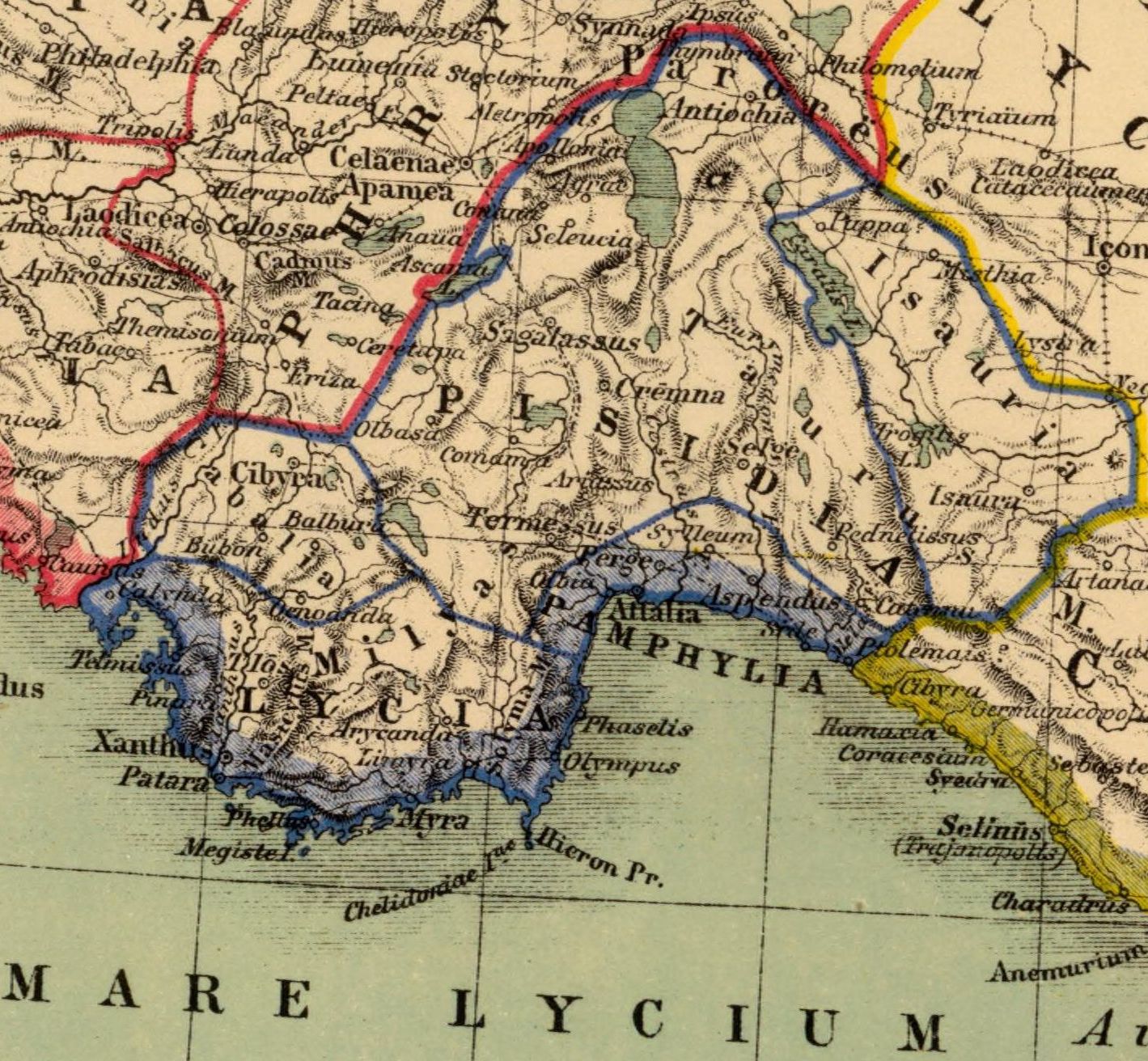
Lysinia
Ancient town in Pisidia, later Pamphylia.
Tilmen Hoyuk
Bronze Age city mound in southern Turkey
Çayönü
Neolithic village in southeastern Turkey