Explore the Map
Boncuklu Höyük
37.7518° N, 32.8648° E
About
Boncuklu Höyük is a Neolithic archaeological site in Central Anatolia, Turkey, situated around 9 km from the more famous Çatalhöyük site. The tell is made up of the remains of one of the world's oldest villages, occupied between around 8300 to 7800 BCE. The buildings are small and oval shaped with walls constructed of mudbricks. The remains of burials of human bodies were found below the floors of the buildings. The earliest known ceramics of Anatolia have been discovered there. The site was first recorded by Douglas Baird of the University of Liverpool in 2001. He has directed excavations there since 2006.
Historical Timeline
Journey through time and discover key events in this site's history
Site recorded
2001
Excavations directed
2006
Occupation
c. 8300–7800 BCE
Archaeological Features
Unique architectural and cultural elements found at this historical site
Burial and Funerary Structures
Domestic and Habitation Structures
Environmental and Natural Features
Frequently Asked Questions
Plan Your Visit
Tours, travel arrangements, and practical information
More Sites in Turkey
Carchemish
Ancient capital ruins on the Euphrates, Turkey–Syria border
Çayönü
Neolithic village in southeastern Turkey
Çadır Höyük
Artificial mound settlement in Yozgat Province, Turkey
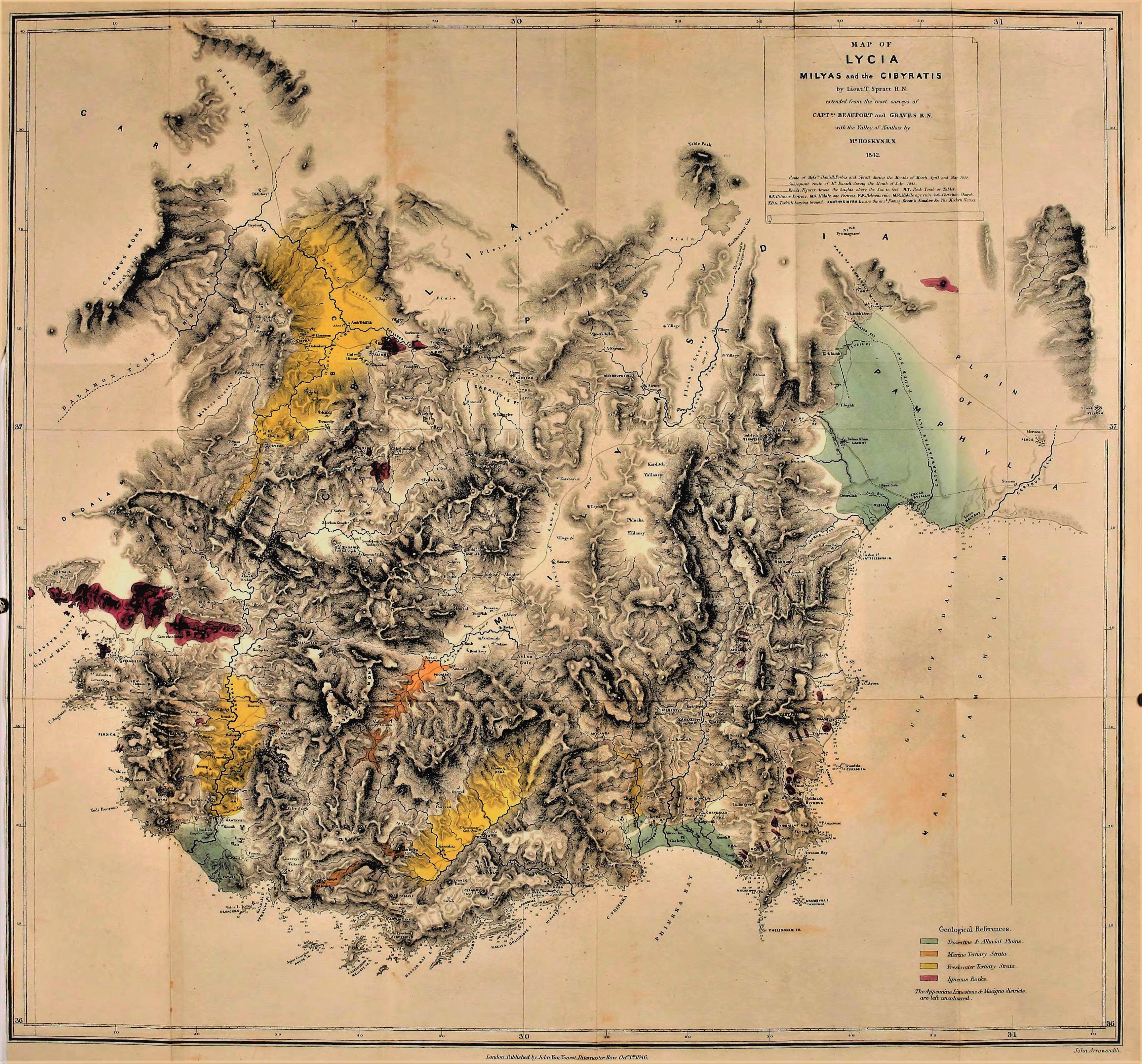
Melanippe (Lycia)
Ancient coastal town on Mount Phoenicus.
Bisanthe
Bisanthe (Ancient Greek: Βισάνθη) was a great city in ancient Thrace, on the coast of the Propontis, which had been founded by the Samians.
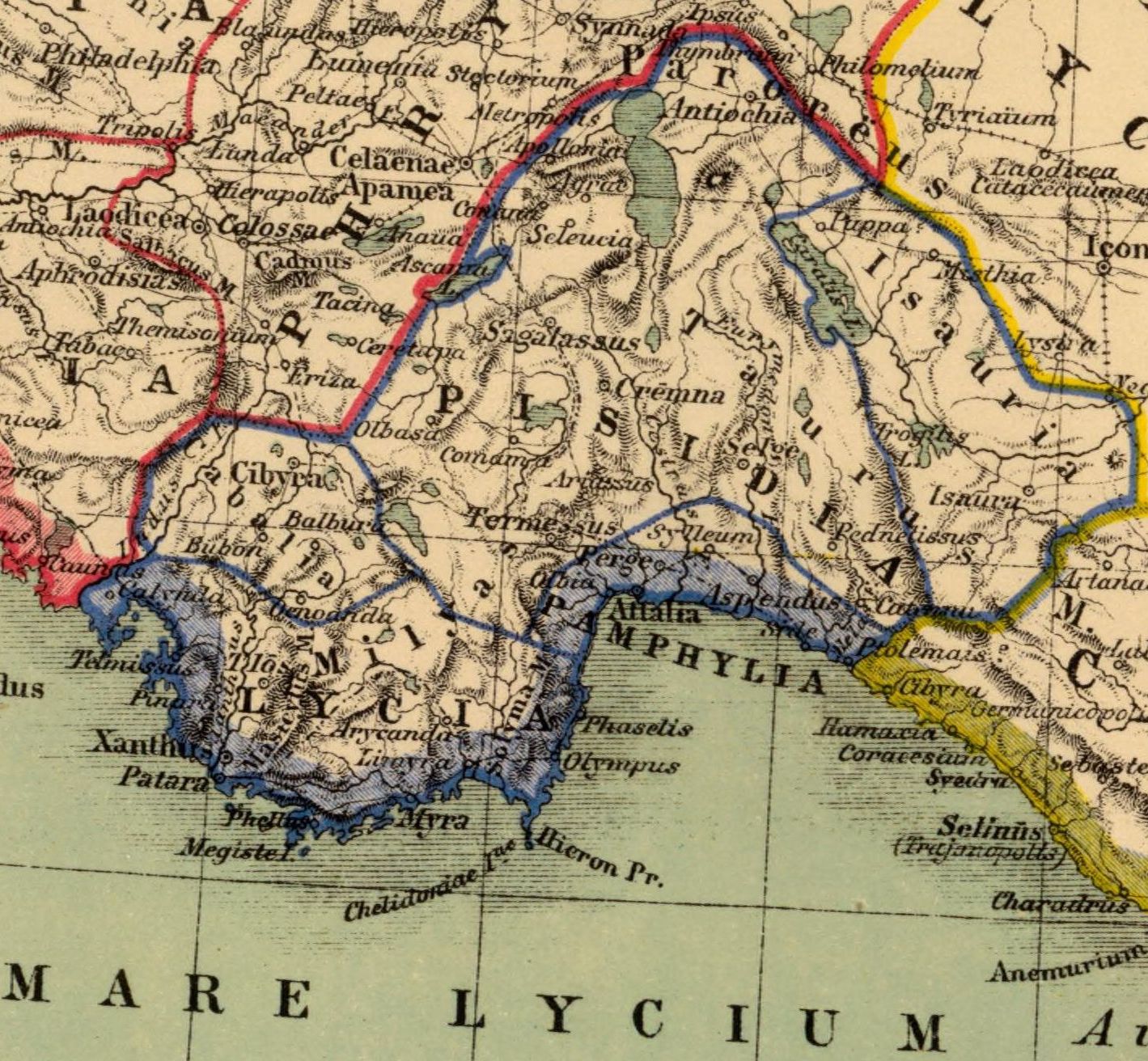
Lysinia
Ancient town in Pisidia, later Pamphylia.