Explore the Map
Red Basilica
39.1219° N, 27.1833° E
About
The "Red Basilica" (Turkish: Kızıl Avlu), also called variously the Red Hall and Red Courtyard, is a monumental ruined temple in the ancient city of Pergamon, now Bergama, in western Turkey. The temple was built during the Roman Empire, probably in the time of Hadrian and possibly on his orders. It is one of the largest Roman structures still surviving in the ancient Greek world. The temple is thought to have been used for the worship of Egyptian gods – specifically Isis and/or Serapis, and possibly also Osiris, Harpocrates and other lesser gods, who may have been worshipped in a pair of drum-shaped rotundas, both of which are virtually intact, alongside the main temple. Although the building itself is of an immense size, it was only one part of a much larger sacred complex, surrounded by high walls, that dwarfed even the colossal Temple of Jupiter in Baalbek. The entire complex was built directly over the River Selinus in a remarkable feat of engineering that involved the construction of an immense bridge 196 metres (643 ft) wide to channel the river through two channels under the temple. The Pergamon Bridge still stands today, supporting modern buildings and even vehicle traffic. A series of tunnels and chambers lies under the main temple, connecting it with the side rotundas and giving private access to different areas of the complex. Various drains, water channels and basins are located in, around and under the main temple and may have been used for symbolic reenactments of the flooding of the Nile. The temple was converted by the Romans into a Christian church dedicated to St John but was subsequently destroyed. Today the ruins of the main temple and one of the side rotundas can be visited, while the other side rotunda is still in use as a small mosque.
Historical Timeline
Journey through time and discover key events in this site's history
Probable construction
first half of the 2nd century AD
Christian redeployment
5th century AD
Arab siege and destruction
716–717
Turkish control and conversion
1336
Early German documentation
1906–1909
Major excavation campaign
1927
Recent studies
2002–2005
Restorations in the 2000s
2006–2009
Archaeological Features
Unique architectural and cultural elements found at this historical site
Defensive Structures
Miscellaneous Features
Water Management Features
Religious and Ritual Structures
Artistic and Decorative Features
Transportation and Communication Structures
Frequently Asked Questions
Plan Your Visit
Tours, travel arrangements, and practical information
More Sites in Turkey
Euromus
Ancient Carian city and temple, 6th century BCE
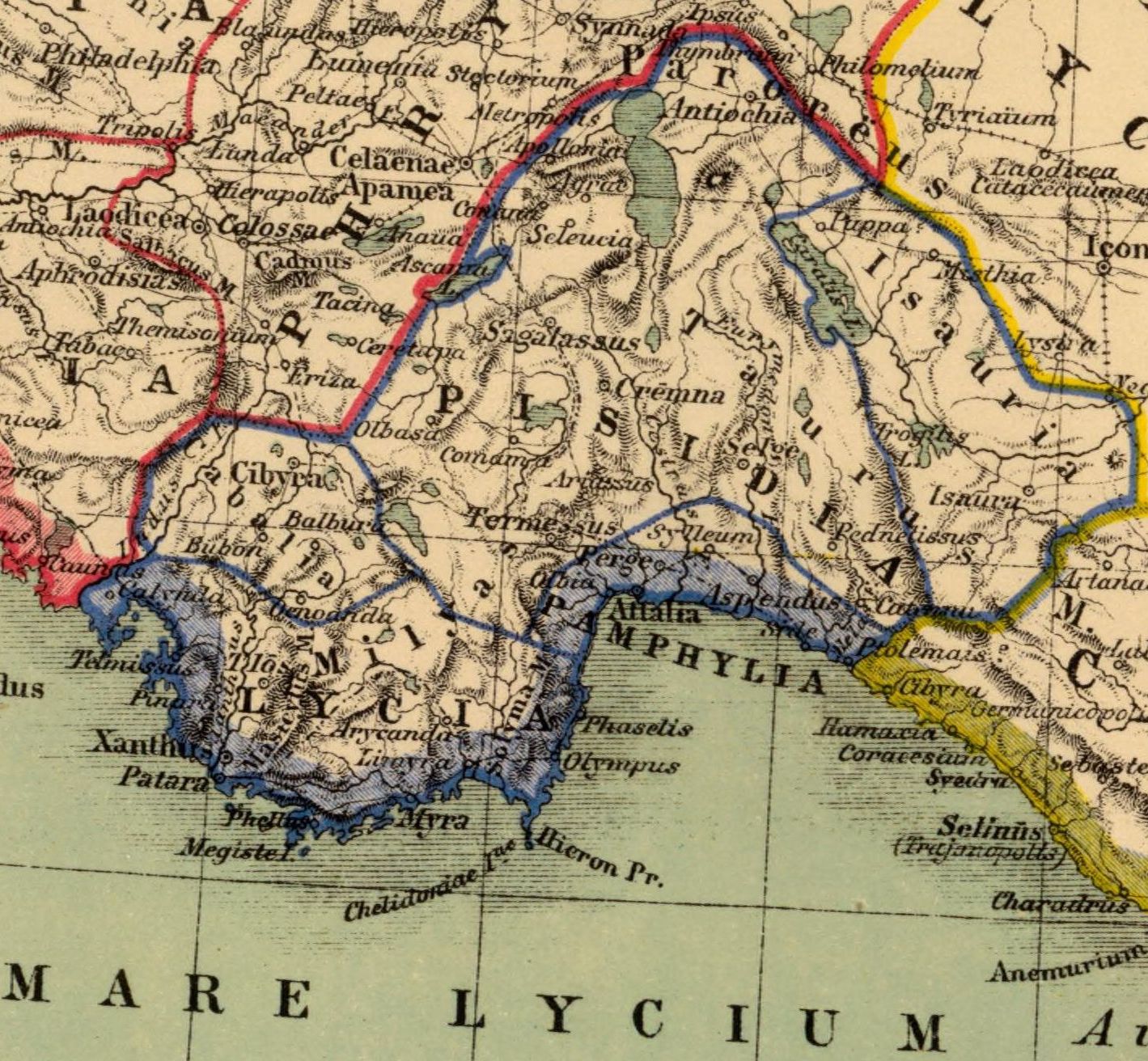
Lysinia
Ancient town in Pisidia, later Pamphylia.
Larissa Phrikonis
Aeolian city ruins in western Turkey
Blaundus
Hellenistic city ruins in western Anatolia, Turkey
Kuşkayası Monument
Roman roadside monument, Roman Imperial era in Turkey
Trocmades
Roman city and bishopric in Galatia, central Turkey