
Explore the Map
Hattusa
40.0197° N, 34.6153° E
About
Hattusa, also Hattuşa, Ḫattuša, Hattusas, or Hattusha, was the capital of the Hittite Empire in the late Bronze Age during two distinct periods. Its ruins lie near modern Boğazkale, Turkey, (originally Boğazköy) within the great loop of the Kızılırmak River (Hittite: Marashantiya; Greek: Halys). Charles Texier brought attention to the ruins after his visit in 1834. Over the following century, sporadic exploration occurred, involving different archaeologists. In the 20th century, the German Oriental Society and the German Archaeological Institute conducted systematic excavations, which continue to this day. Hattusa was added to the UNESCO World Heritage Site list in 1986.
Historical Timeline
Journey through time and discover key events in this site's history
Phrygian reoccupation
c. 800 BC
Hittite collapse and city abandonment
c. 1200 BC
Peace treaty tablet (Kadesh aftermath)
1259–1258 BC
Fortification works under Suppiluliuma I
c. 1344–1322 BC
Capital moved to Hattusa
c. 1650 BC
Destruction by Anitta
c. 1700 BC
Texier brings attention to the ruins
1834
Winckler begins major excavations
1906
UNESCO World Heritage inscription
1986
Mycenaean sword discovery
1991
Earliest settlement traces
6th millennium BC
Archaeological Features
Unique architectural and cultural elements found at this historical site
Defensive Structures
Miscellaneous Features
Public and Civic Structures
Burial and Funerary Structures
Religious and Ritual Structures
Artistic and Decorative Features
Domestic and Habitation Structures
Frequently Asked Questions
Plan Your Visit
Tours, travel arrangements, and practical information
More Sites in Turkey
Carchemish
Ancient capital ruins on the Euphrates, Turkey–Syria border
Çadır Höyük
Artificial mound settlement in Yozgat Province, Turkey
Tilmen Hoyuk
Bronze Age city mound in southern Turkey
Euromus
Ancient Carian city and temple, 6th century BCE
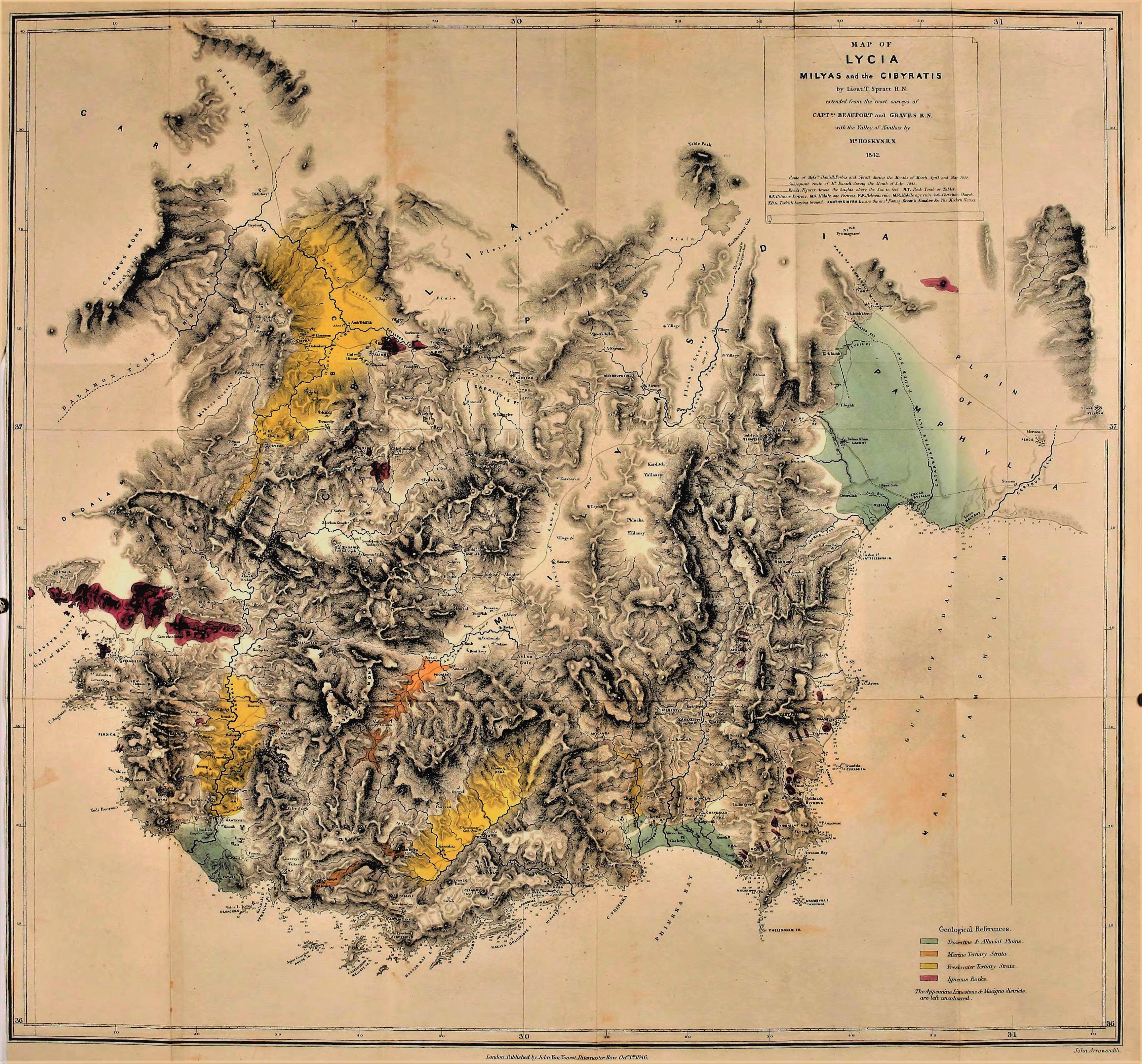
Melanippe (Lycia)
Ancient coastal town on Mount Phoenicus.
Larissa Phrikonis
Aeolian city ruins in western Turkey