Explore the Map
Yeşilova Höyük
38.4414° N, 27.2139° E
About
Yeşilova Höyük is a höyük (tell) in the Bornova district of İzmir, Turkey, and is the oldest known prehistoric human settlement in the area of İzmir. It was occupied continuously from roughly 6500 to 4000 BCE, and was covered with silt afterwards. Discovered in 2003, the site has been explored since 2005 by a team under the direction of Associate Professor Zafer Derin of Ege University. By 2005, important new light had been shed on the Neolithic-Chalcolithic phases of İzmir's metropolitan area in particular and of Turkey's Aegean Region in general. A drilled sample section disclosed a first cultural layer associated with the late Roman–early Byzantine period, and still more importantly, allowed the outlines of two additional layers, which date from the Calcolithic and Neolithic Ages, to be made out. The first settlement in the site, at a depth of 4 meters under the surface level, had started during the Neolithic and reached its zenith towards the end of the same age, and then continued through the Chalcolithic period. Thus, Yeşilova Höyük saw uninterrupted settlement spanning at least fifteen hundred years of prehistory. No artifacts dating from the early Bronze Age are discovered to date but after the full abandonment of the settlement, part of the mound was used as a cemetery. Habitation in the area of the mound was resumed during the late Roman-early Byzantine period, but was sparser in form and shorter in duration. In June 2010, the Municipality of Bornova district in İzmir organised a national architectural competition for a visitor center within the excavation site. The competition was won by architects Evren Başbuğ (Studio Evren Başbuğ Architects), and Umut Başbuğ.
Historical Timeline
Journey through time and discover key events in this site's history
Initial occupation begins
c. 6500 BCE
Continuous occupation ends
c. 4000 BCE
Site discovered
2003
Systematic exploration begins
2005
Visitor centre competition
June 2010
Archaeological Features
Unique architectural and cultural elements found at this historical site
Burial and Funerary Structures
Domestic and Habitation Structures
Environmental and Natural Features
Frequently Asked Questions
Plan Your Visit
Tours, travel arrangements, and practical information
More Sites in Turkey
Carchemish
Ancient capital ruins on the Euphrates, Turkey–Syria border
Çadır Höyük
Artificial mound settlement in Yozgat Province, Turkey
Blaundus
Hellenistic city ruins in western Anatolia, Turkey
Larissa Phrikonis
Aeolian city ruins in western Turkey
Euromus
Ancient Carian city and temple, 6th century BCE
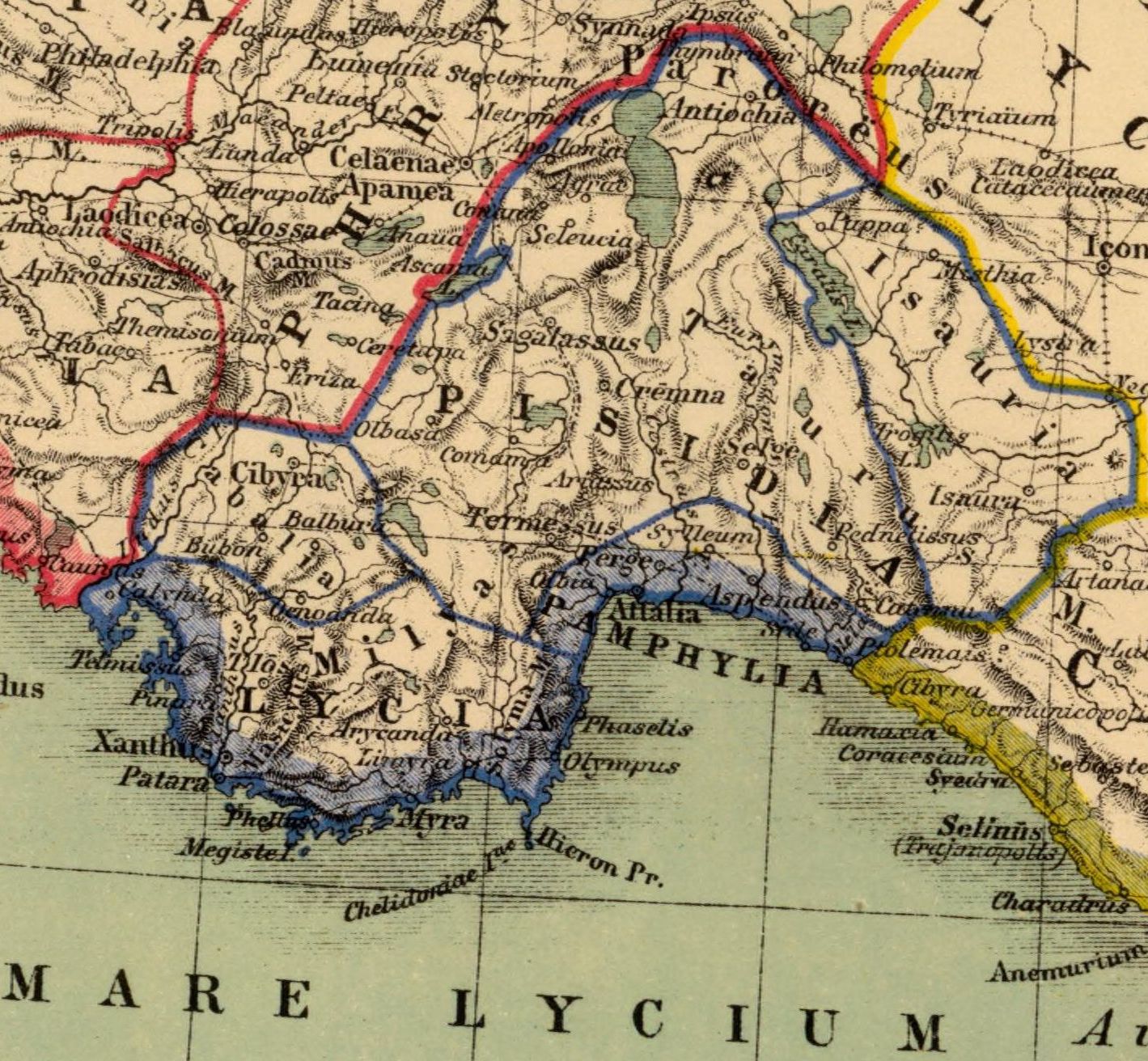
Lysinia
Ancient town in Pisidia, later Pamphylia.