Explore the Map
Karasu relief
37.4308° N, 37.9085° E
About
The Karasu relief, also known as the Süpürgüç relief after the earlier name of the nearby town of Akbudak, is a rock relief located on a tributary of the Euphrates and derives from the Neo-Hittite period. It depicts a protective god standing on a deer. Rock reliefs are a prominent aspect of Hittite art.
Historical Timeline
Journey through time and discover key events in this site's history
Late Hittite II dating
950-850 BCE
Traditional-style dating
1050-850 BCE
Discovery by geologists
1956
First publication
1958
Damage by treasure hunters
1976
Archaeological Features
Unique architectural and cultural elements found at this historical site
Artistic and Decorative Features
Domestic and Habitation Structures
Environmental and Natural Features
Transportation and Communication Structures
Frequently Asked Questions
Plan Your Visit
Tours, travel arrangements, and practical information
More Sites in Turkey
Çadır Höyük
Artificial mound settlement in Yozgat Province, Turkey
Carchemish
Ancient capital ruins on the Euphrates, Turkey–Syria border
Euromus
Ancient Carian city and temple, 6th century BCE
Tilmen Hoyuk
Bronze Age city mound in southern Turkey
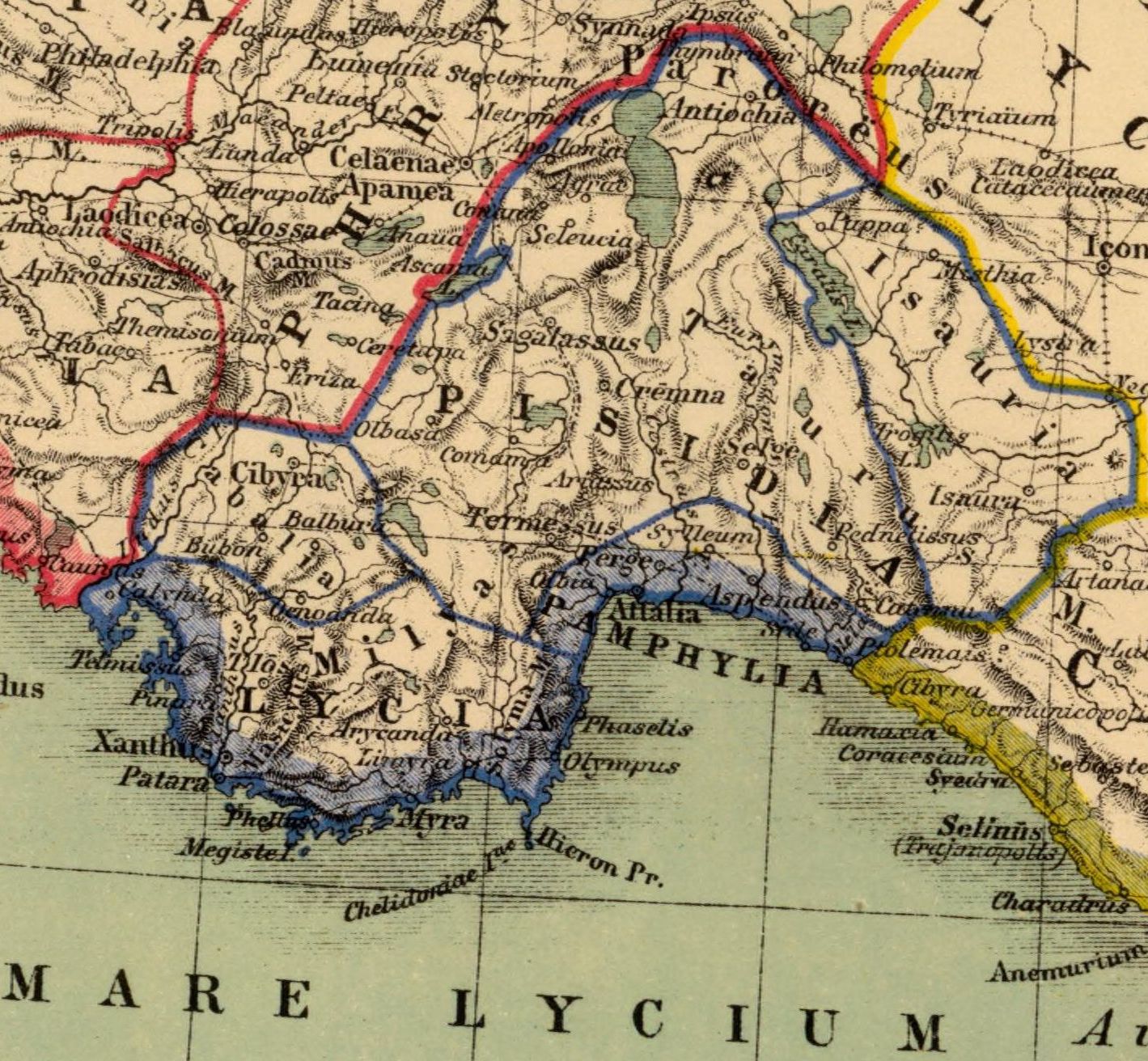
Lysinia
Ancient town in Pisidia, later Pamphylia.
Larissa Phrikonis
Aeolian city ruins in western Turkey