
Explore the Map
Kültepe
38.8500° N, 35.6333° E
About
Kültepe (Turkish: lit. ash-hill), also known under its ancient name Kaneš (Kanesh, sometimes also Kaniš/Kanish) or Neša (Nesha), is an archaeological site in Kayseri Province, Turkey. It was already a major settlement at the beginning of the 3rd millennium BC (Early Bronze Age), but it is world-renowned for its significance at the beginning of the 2nd millennium BC (Middle Bronze Age). The archaeological site consists of a large mound (also known as höyük, tepe or tell), and a lower city, where a kārum (the Assyrian word for trading district) was established in the beginning of the 2nd Millenium BC. So far, 23,500 cuneiform tablets recovered from private houses constitute the largest collection of private texts in the ancient Near East. In 2014, the archaeological site was inscribed in the Tentative list of World Heritage Sites in Turkey.
Historical Timeline
Journey through time and discover key events in this site's history
Neolithic Settlement
8000 BCE - 3000 BCE
Eneolithic Development
5000 BCE - 4000 BCE
Bronze Age Occupation
3000 BCE - 2000 BCE
Early Iron Age Settlement
1200 BCE - 1000 BCE
Archaeological Features
Unique architectural and cultural elements found at this historical site
Burial and Funerary Structures
Industrial and Craft Structures
Agricultural and Land Use Features
Domestic and Habitation Structures
Plan Your Visit
Tours, travel arrangements, and practical information
More Sites in Turkey
Carchemish
Ancient capital ruins on the Euphrates, Turkey–Syria border
Çadır Höyük
Artificial mound settlement in Yozgat Province, Turkey
Tilmen Hoyuk
Bronze Age city mound in southern Turkey
Çayönü
Neolithic village in southeastern Turkey
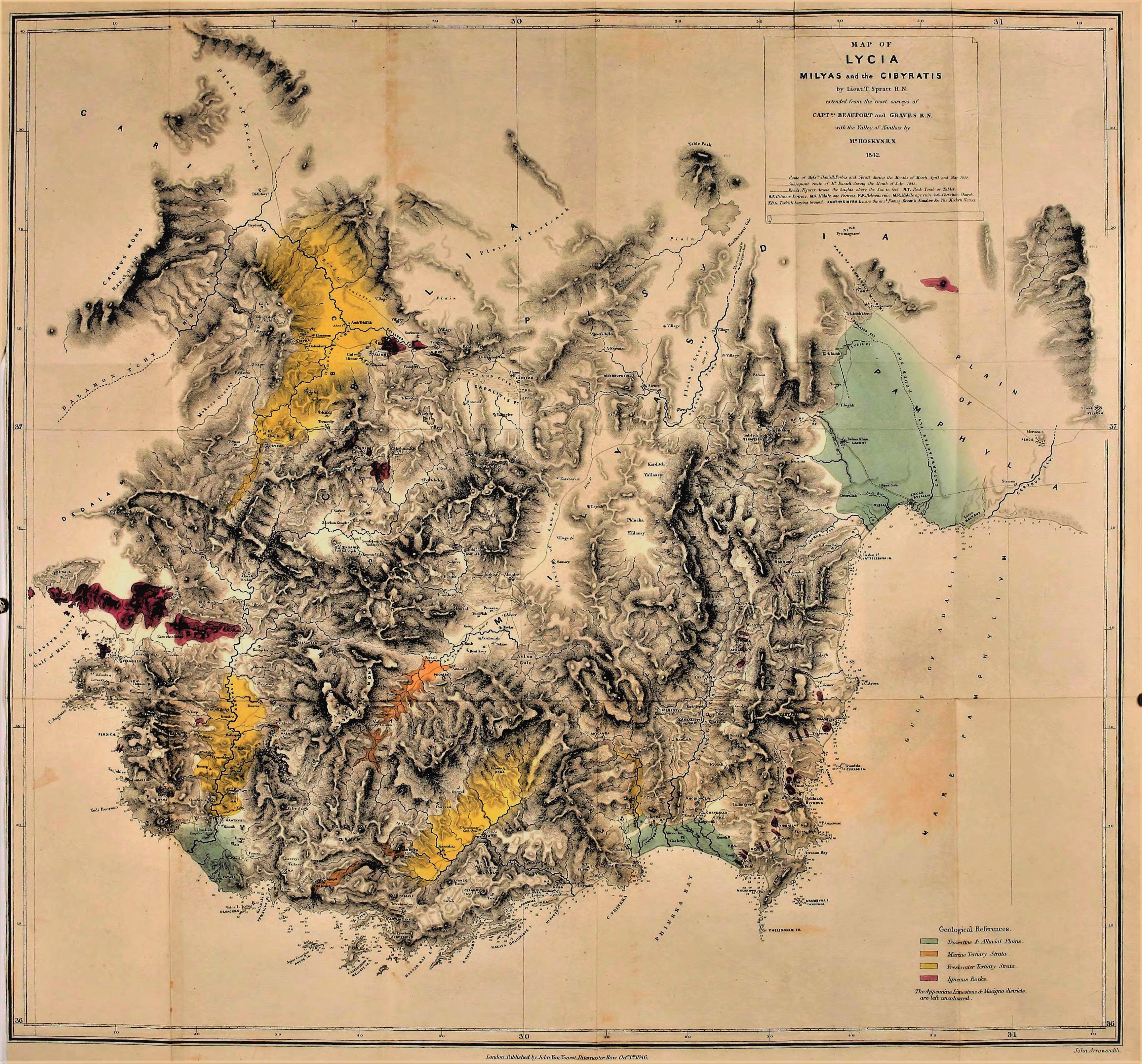
Melanippe (Lycia)
Ancient coastal town on Mount Phoenicus.
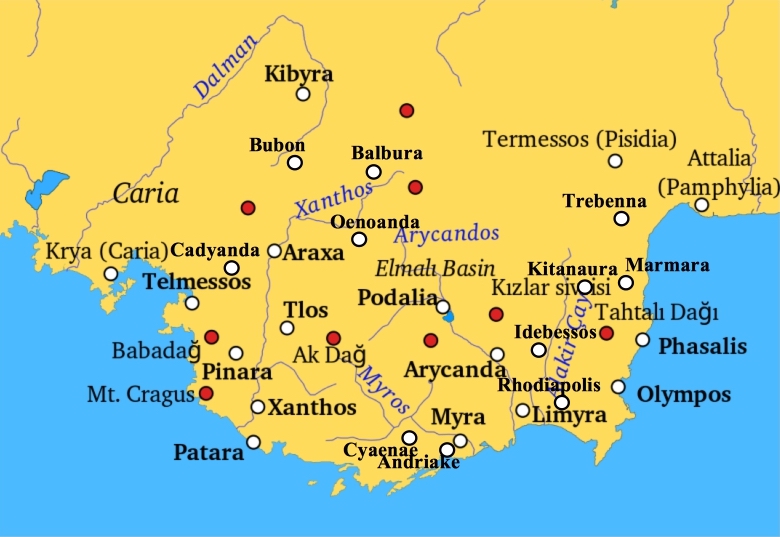
Marmara (Lycia)
Sheer rock acropolis with temple remains.