Explore the Map
Library of Celsus
37.9391° N, 27.3407° E
About
The Library of Celsus (Greek: Βιβλιοθήκη του Κέλσου) is an ancient Roman building in Ephesus, Anatolia, today located near the modern town of Selçuk, in the İzmir Province of western Turkey. The building was commissioned in the years 110s CE by a consul of the Roman Empire, Tiberius Julius Aquila Polemaeanus, as a funerary monument for his father Tiberius Julius Celsus Polemaeanus, former proconsul of Asia, and completed during the reign of the Roman Emperor Hadrian, sometime after Aquila's death. The Library of Celsus is considered an architectural marvel, and is one of the only remaining examples of great libraries of the ancient world located in the Roman Empire. It was the third-largest library in the Greco-Roman world behind only those of Alexandria and Pergamum, believed to have held around 12,000 scrolls. Celsus is buried in a crypt beneath the library in a decorated marble sarcophagus. The interior measured roughly 180 square metres (2,000 square feet). The interior of the library and its contents were destroyed in a fire that resulted either from an earthquake or a Gothic invasion in 262 CE, and the façade by an earthquake in the 10th or 11th century. It lay in ruins for centuries until the façade was re-erected by archaeologists between 1970 and 1978.
Historical Timeline
Journey through time and discover key events in this site's history
Façade ruined by earthquake
10th–11th century
Seismic performance test
20 October 2020
Commissioned
110s CE
Completed
c. 117–135 CE
In use as a library
c. 117–135 to 262 CE
Destroyed by fire
262 CE
Façade reconstruction
1970–1978
Archaeological Features
Unique architectural and cultural elements found at this historical site
Storage Structures
Public and Civic Structures
Burial and Funerary Structures
Artistic and Decorative Features
Frequently Asked Questions
Plan Your Visit
Tours, travel arrangements, and practical information

More Sites in Turkey
Cehennemağzı Caves
Cave complex and early Christian church in Zonguldak, Turkey
Trocmades
Roman city and bishopric in Galatia, central Turkey
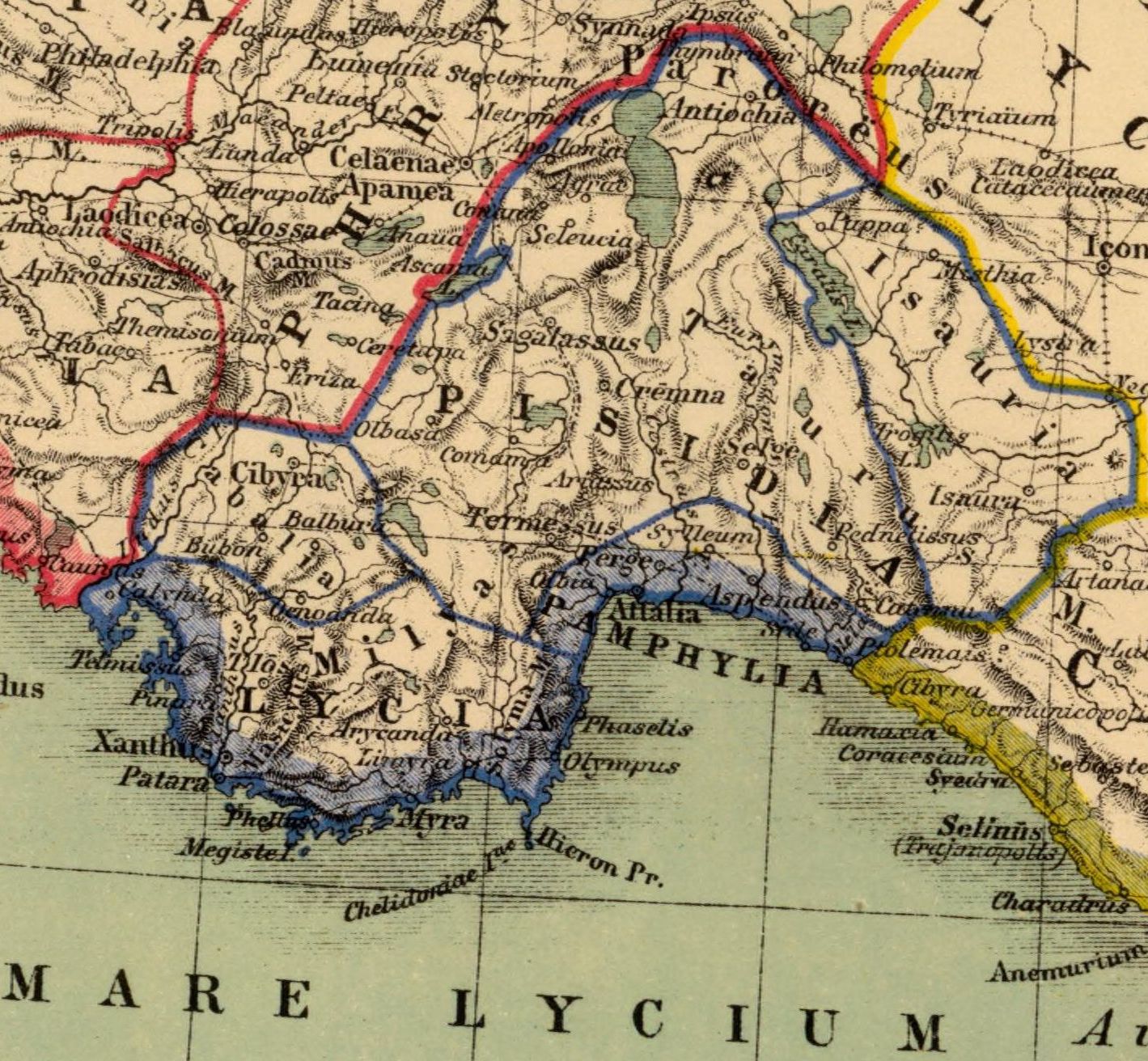
Lysinia
Ancient town in Pisidia, later Pamphylia.
Larissa Phrikonis
Aeolian city ruins in western Turkey
Kuşkayası Monument
Roman roadside monument, Roman Imperial era in Turkey
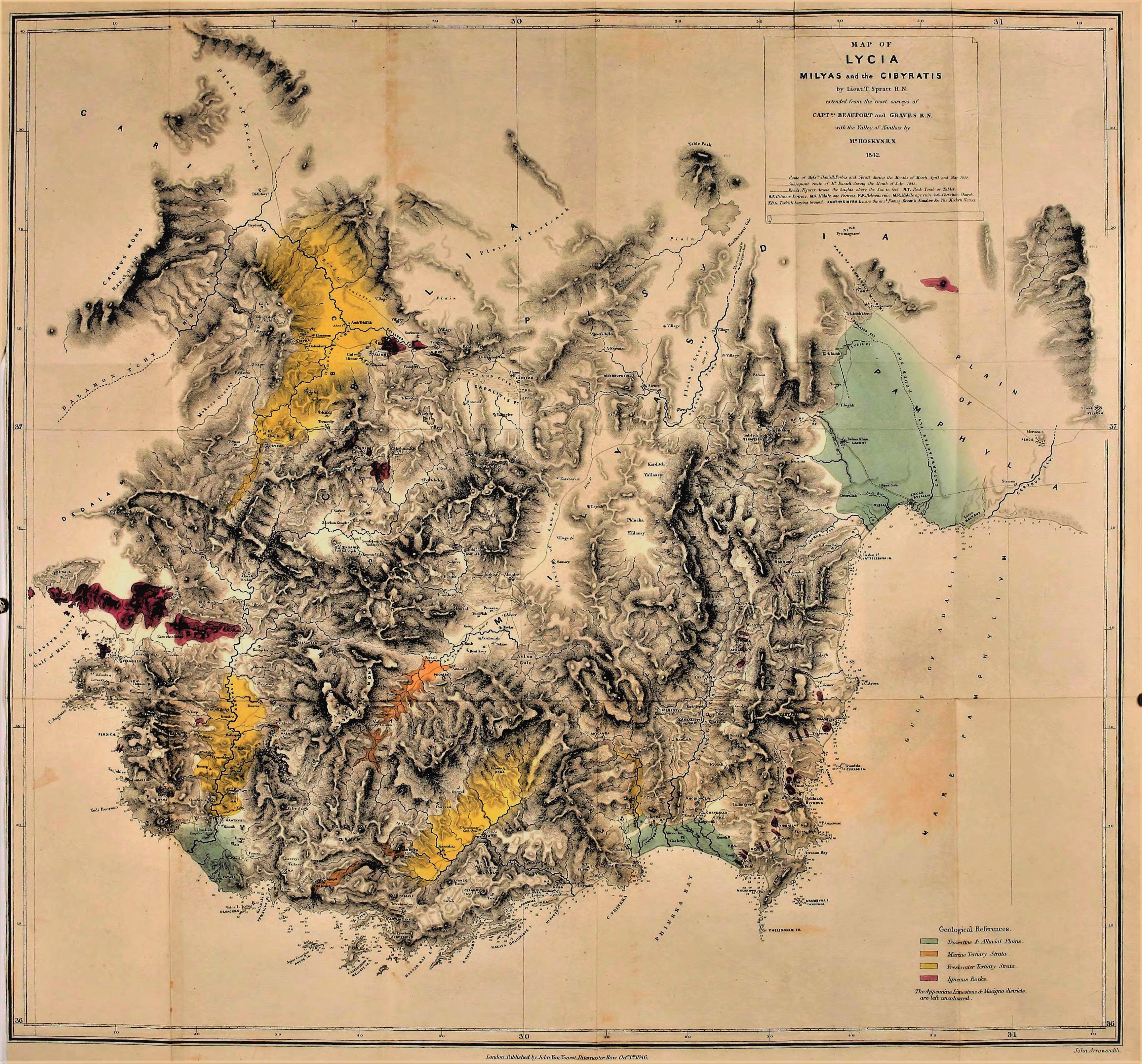
Melanippe (Lycia)
Ancient coastal town on Mount Phoenicus.