Bubon (Lycia)
Bubon or Boubon (Ancient Greek: Βούβων) was a city of ancient Lycia noted by Stephanus of Byzantium; the ethnic name, he adds, ought to be Βουβώνιος,
Explore the Map
Bubon (Lycia)
36.9691° N, 29.4071° E
About
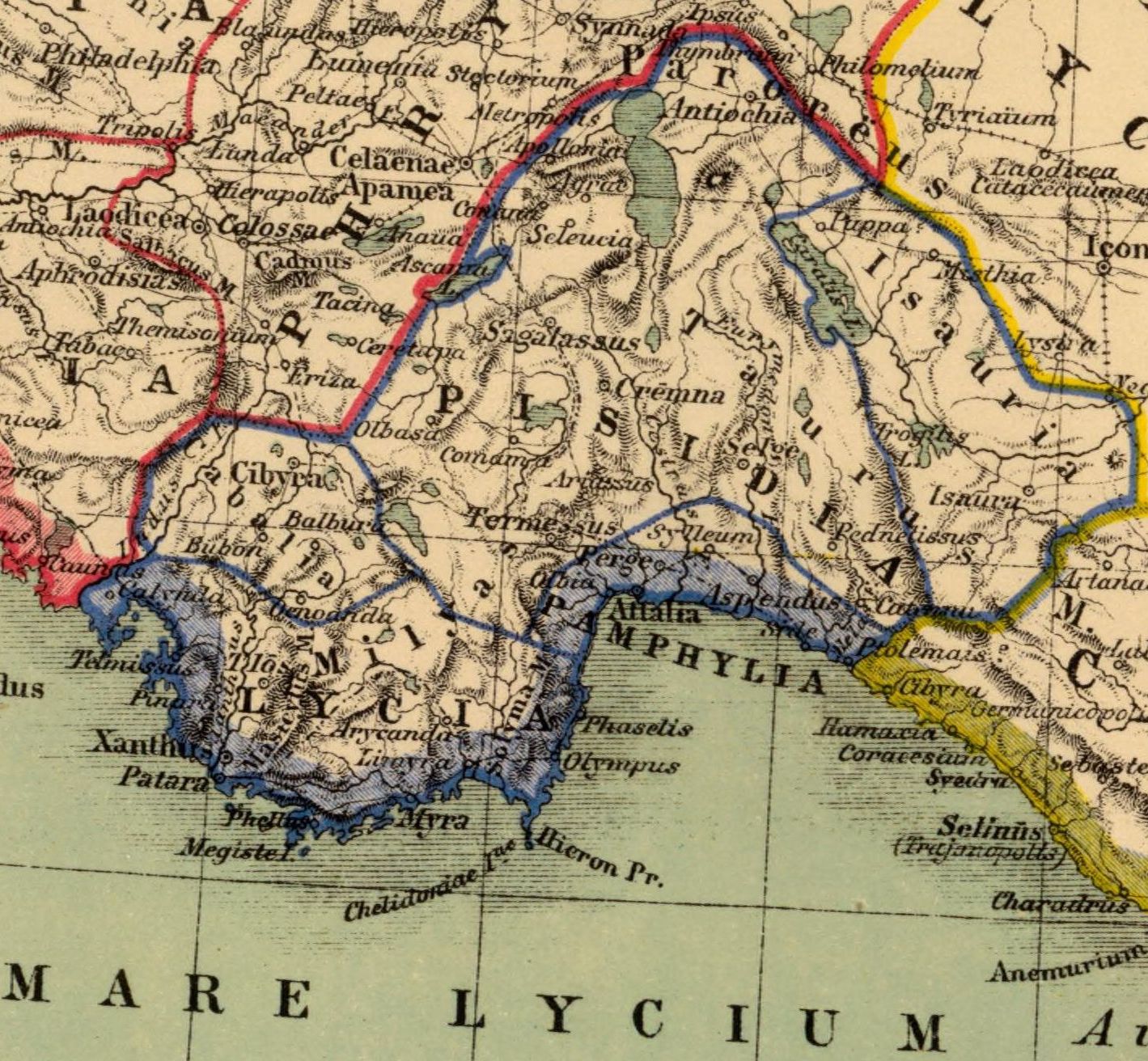
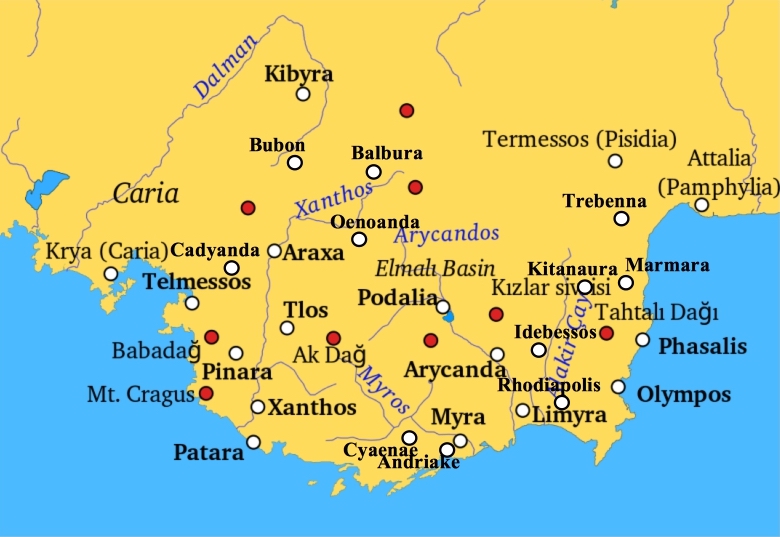
Bubon or Boubon (Ancient Greek: Βούβων) was a city of ancient Lycia noted by Stephanus of Byzantium; the ethnic name, he adds, ought to be Βουβώνιος, but it is Βουβωνεύς, for the Lycians rejoice in this form. The truth of this observation of Stephanus is proved by the inscription found on the spot: Βουβωνέων ἡ Βουλὴ καὶ ὁ Δῆμος. Bubon is located west of ancient Balbura, near Ibecik, as confirmed by modern scholars. The city stood on a hill side commanding the entrance to the pass over the mountains. Bubon is mentioned by Pliny, Ptolemy, and Hierocles. Pliny mentions a kind of chalk (creta) that was found about Bubon. Bubon, along with Balbura and Oenoanda formed the district of Cabalia. There is a small theatre built of sandstone and on the summit of the hill was the acropolis.
Plan Your Visit
Tours, travel arrangements, and practical information
More Sites in Turkey
Library of Celsus
Roman library, early 2nd century CE
Euromus
Ancient Carian city and temple, 6th century BCE
Lysinia
Ancient town in Pisidia, later Pamphylia.
Çadır Höyük
Artificial mound settlement in Yozgat Province, Turkey
Marmara (Lycia)
Sheer rock acropolis with temple remains.
Trocmades
Roman city and bishopric in Galatia, central Turkey