Explore the Map
Miletus
37.5303° N, 27.2783° E
About
Miletus (; Greek: Μῑ́λητος, romanized: Mī́lētos; Hittite: 𒈪𒅋𒆷𒉿𒀭𒁕 Mīllawānda or 𒈪𒆷𒉿𒋫 Milawata (exonyms); Latin: Mīlētus; Turkish: Milet) was an ancient Greek city on the western coast of Anatolia, near the mouth of the Maeander River in ancient Ionia. Its ruins are located near the modern village of Balat in Aydın Province, Turkey. Before the Persian rule that started in the 6th century BC, Miletus was considered among the greatest and wealthiest of Greek cities. Evidence of first settlement at the site has been made inaccessible by the rise of sea level and deposition of sediments from the Maeander. The first available evidence is of the Neolithic. In the early and middle Bronze Age the settlement came under Minoan influence. Recorded history at Miletus begins with the records of the Hittite Empire, and the Mycenaean records of Pylos and Knossos, in the Late Bronze Age. Miletus was a Mycenaean stronghold on the coast of Asia Minor from c. 1450 to 1100 BC. The 13th century BC saw the arrival of Luwian language speakers from south central Anatolia calling themselves the Carians. Later in that century other Greeks arrived. The city at that time rebelled against the Hittite Empire. After the fall of that empire the city was destroyed in the 12th century BC and starting about 1000 BC was resettled extensively by the Ionian Greeks. Legend offers an Ionian foundation event sponsored by a founder named Neleus from the Peloponnesus. The Greek Dark Ages were a time of Ionian settlement and consolidation in an alliance called the Ionian League. The Archaic Period of Greece began with a sudden and brilliant flash of art and philosophy on the coast of Anatolia. In the 6th century BC, Miletus was the site of origin of the Greek philosophical (and scientific) tradition, when Thales, followed by Anaximander and Anaximenes (known collectively, to modern scholars, as the Milesian school), began to speculate about the material constitution of the world, and to propose speculative naturalistic (as opposed to traditional, supernatural) explanations for various natural phenomena.
Historical Timeline
Journey through time and discover key events in this site's history
Earliest Minoan influence
c. 2000 BCE
Raid and destruction (LHIIIA)
c. 1320 BCE
Arrival of the Carians
13th century BCE
Ionian resettlement
c. 1000 BCE
Persian takeover
6th century BCE
Ionian Revolt and reprisals
499 BCE
Freedom from Persian rule
479 BCE
Mycenaean stronghold
c. 1450–1100 BCE
Neolithic habitation
3500–3000 BCE
Archaeological Features
Unique architectural and cultural elements found at this historical site
Defensive Structures
Religious and Ritual Structures
Artistic and Decorative Features
Domestic and Habitation Structures
Environmental and Natural Features
Frequently Asked Questions
Plan Your Visit
Tours, travel arrangements, and practical information


More Sites in Turkey
Carchemish
Ancient capital ruins on the Euphrates, Turkey–Syria border
Çadır Höyük
Artificial mound settlement in Yozgat Province, Turkey
Euromus
Ancient Carian city and temple, 6th century BCE
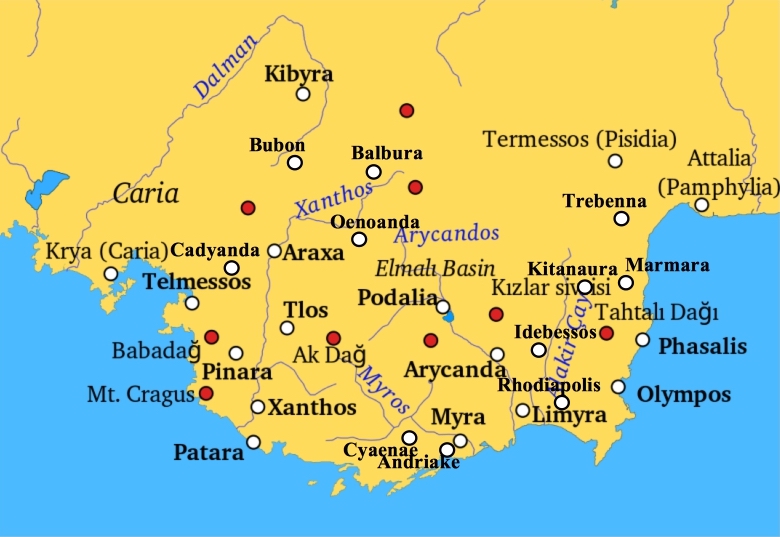
Marmara (Lycia)
Sheer rock acropolis with temple remains.
Tilmen Hoyuk
Bronze Age city mound in southern Turkey
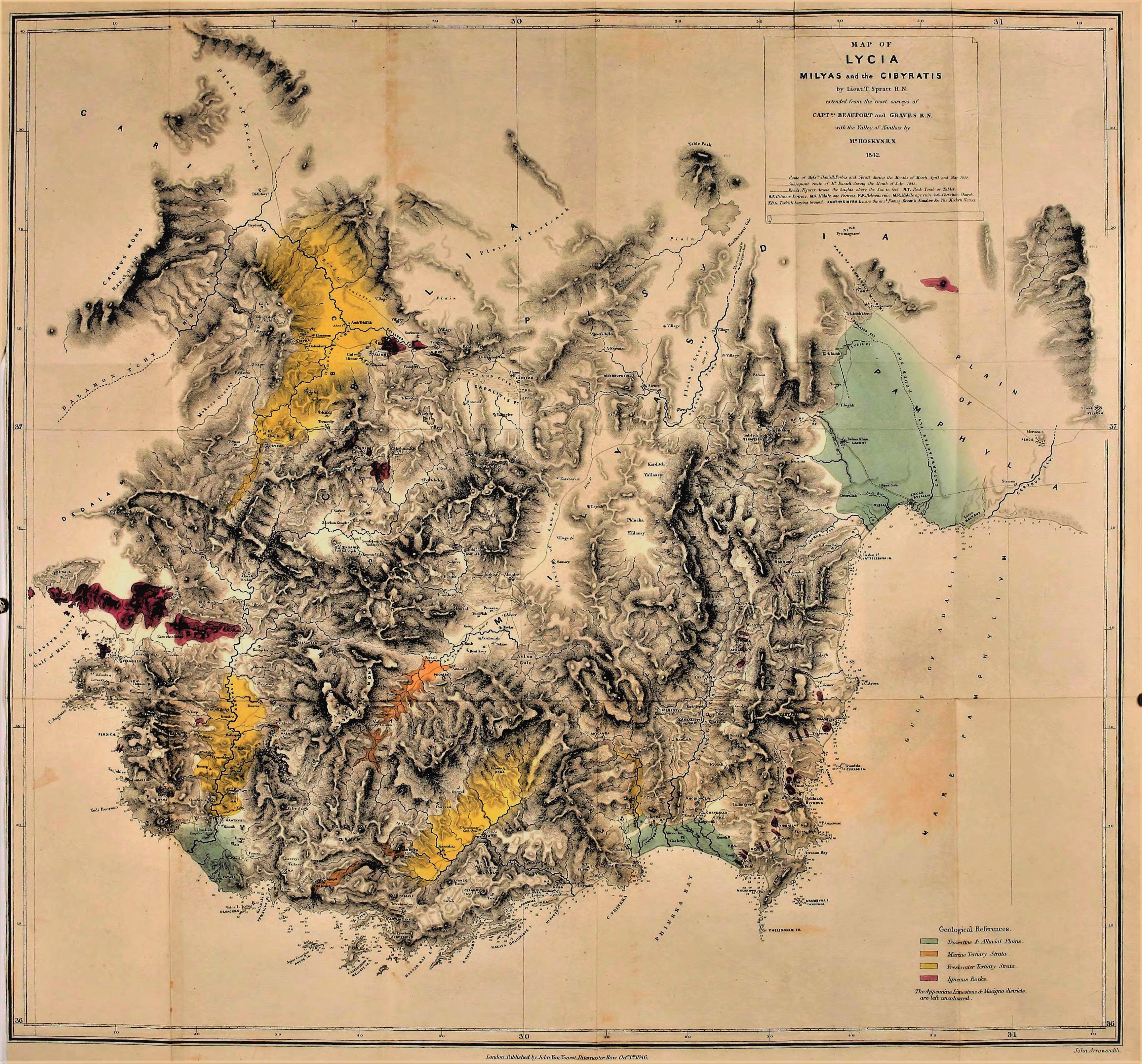
Melanippe (Lycia)
Ancient coastal town on Mount Phoenicus.