Explore the Map
Oenoanda
36.8092° N, 29.5497° E
About
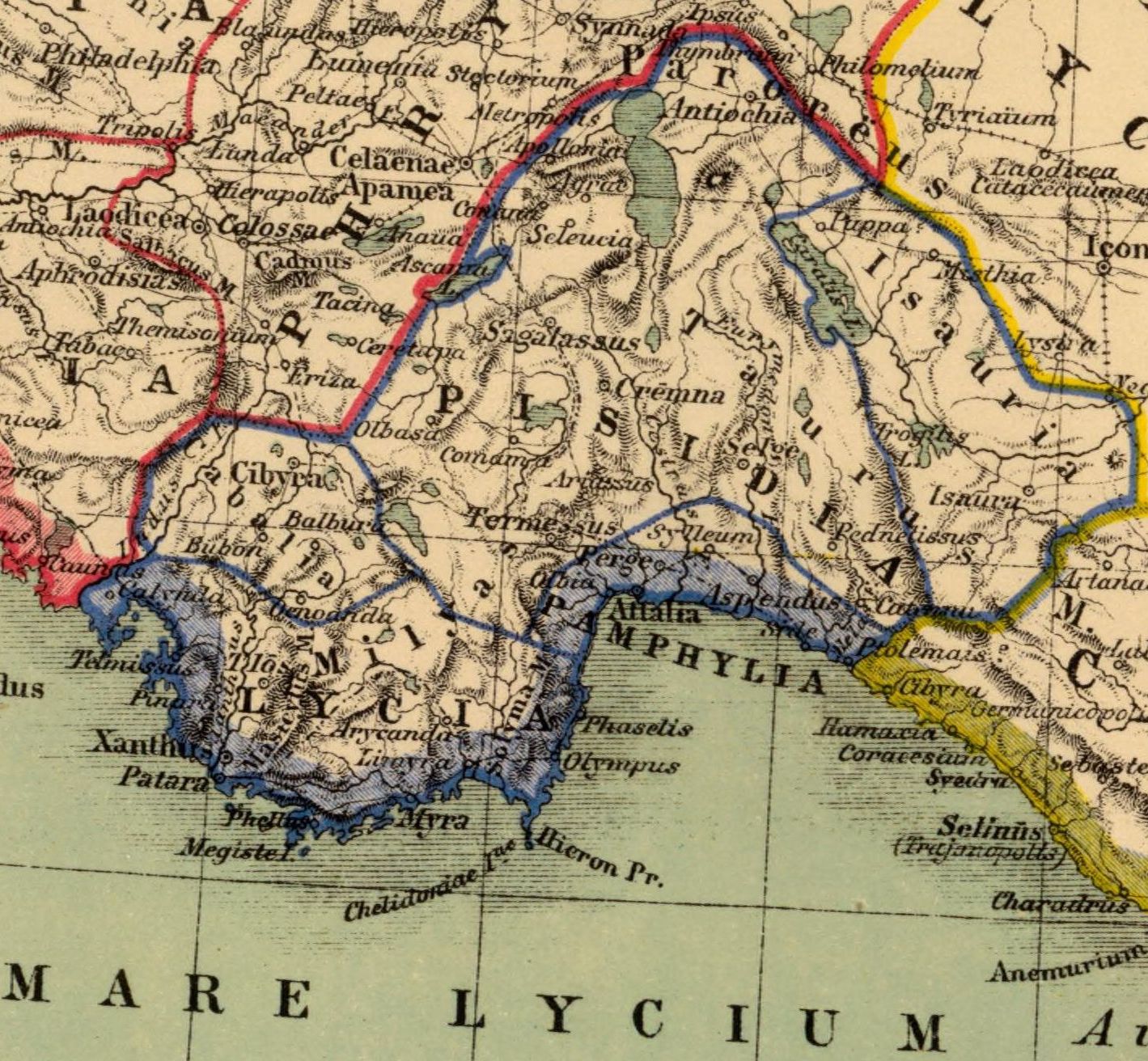
Oenoanda or Oinoanda (Hittite: 𒃾𒅀𒉌𒌓𒉿𒀭𒁕, romanized: Wiyanawanda, Ancient Greek: Οἰνόανδα) was a Lycian city, in the upper valley of the River Xanthus. It is noted for the philosophical inscription by the Epicurean, Diogenes of Oenoanda. The ruins of the city lie on a high isolated site west of the modern village İncealiler in the Fethiye district of Muğla Province, Turkey, which partly overlies the ancient site. The place name suggests that it was known for viticulture.
Historical Timeline
Journey through time and discover key events in this site's history
Kibyran Tetrapolis membership
2nd century BCE
Dissolution into Lycian League
84 BCE
Epicurean inscription dated
117–138 CE
Stoa dismantled
3rd century CE
Termessos colony established
c. 200–190 BCE
First documented in modern literature
1841
Roman bridge evidence reported
1990s
Official excavations begin
1997
Deutsches Archäologisches Institut campaign
2009
Inscription fragments identified
2012
Archaeological Features
Unique architectural and cultural elements found at this historical site
Defensive Structures
Water Management Features
Public and Civic Structures
Religious and Ritual Structures
Artistic and Decorative Features
Agricultural and Land Use Features
Domestic and Habitation Structures
Food Production and Processing Features
Transportation and Communication Structures
Frequently Asked Questions
Plan Your Visit
Tours, travel arrangements, and practical information
More Sites in Turkey
Blaundus
Hellenistic city ruins in western Anatolia, Turkey
Larissa Phrikonis
Aeolian city ruins in western Turkey
Carchemish
Ancient capital ruins on the Euphrates, Turkey–Syria border
Euromus
Ancient Carian city and temple, 6th century BCE
Çadır Höyük
Artificial mound settlement in Yozgat Province, Turkey
Lysinia
Ancient town in Pisidia, later Pamphylia.