
Explore the Map
Troy
39.9575° N, 26.2389° E
About
Troy (Ancient Greek: Τροία, romanized: Troíā; Latin: Trōia; Hittite: 𒆳𒌷𒋫𒊒𒄿𒊭, romanized: Truwiša/Taruiša) or Ilion (Ancient Greek: Ίλιον, romanized: Ī́lion, Hittite: 𒌷𒃾𒇻𒊭, romanized: Wiluša) was an ancient city located next to present-day Tevfikiye, Turkey. The place was first settled around 3600 BC and grew into a small fortified city around 3000 BC. During its four thousand years of existence, Troy was repeatedly destroyed and rebuilt. As a result, the archeological site that has been left is divided into nine layers, each corresponding to a city built on the ruins of the previous. Archaeologists refer to these layers using Roman numerals. Among the early layers, Troy II is notable for its wealth and imposing architecture. During the Late Bronze Age, Troy was called Wilusa and was a vassal of the Hittite Empire. The final layers (Troy VIII-IX) were Greek and Roman cities which in their days served as tourist attractions and religious centers because of their link to mythic tradition. The archaeological site is open to the public as a tourist destination, and was added to the UNESCO World Heritage list in 1998. The site was excavated by Heinrich Schliemann and Frank Calvert starting in 1871. Under the ruins of the classical city, they found the remains of numerous earlier settlements. Several of these layers resemble literary depictions of Troy, leading some scholars to conclude that there is a kernel of truth underlying the legends. Subsequent excavations by others have added to the modern understanding of the site, though the exact relationship between myth and reality remains unclear and there is no definitive evidence for a Greek attack on the city.(ppxiv, 180–182)
Historical Timeline
Journey through time and discover key events in this site's history
Modern excavations begin
1871
UNESCO inscription
1998
Troy II final destruction
c. 2300 BC
Troy I destruction
c. 2550 BC
Troy II construction
c. 2550 BC
Troy I founded
c. 3000 BC
First settlement
c. 3600 BC
Archaeological Features
Unique architectural and cultural elements found at this historical site
Defensive Structures
Miscellaneous Features
Public and Civic Structures
Religious and Ritual Structures
Artistic and Decorative Features
Domestic and Habitation Structures
Environmental and Natural Features
Food Production and Processing Features
Frequently Asked Questions
Plan Your Visit
Tours, travel arrangements, and practical information


More Sites in Turkey
Larissa Phrikonis
Aeolian city ruins in western Turkey
Blaundus
Hellenistic city ruins in western Anatolia, Turkey
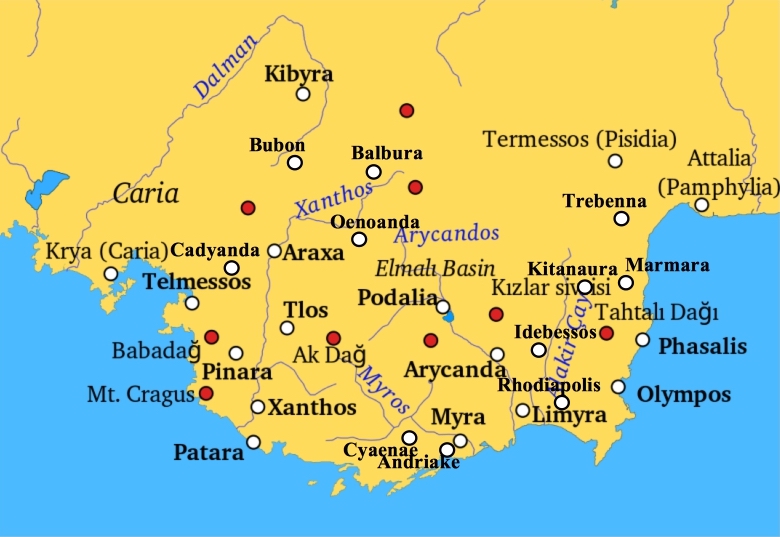
Marmara (Lycia)
Sheer rock acropolis with temple remains.
Tilmen Hoyuk
Bronze Age city mound in southern Turkey
Kuşkayası Monument
Roman roadside monument, Roman Imperial era in Turkey
Library of Celsus
Roman library, early 2nd century CE