Explore the Map
Vazelon Monastery
40.7600° N, 39.5300° E
About
Vazelon Monastery (Greek: Μονή Βαζελώνος, romanized: Moni Vazelonos) is a ruin located in the Black Sea region of Turkey. It was built in 270 and is 40 km (25 mi) south of Trabzon. Justinian I, a ruler of the Byzantine Empire, ordered the monastery to be repaired in 565, and it was renovated multiple times until the 20th century. The current structures date from the rebuilding in 1410. Vazelon Monastery was a center of Greek Orthodox life in the Matzouka/Maçka area, retaining some control over surrounding villages until its disestablishment. Frescoes on the north outer walls of the church that depict Heaven, Hell and the Last Judgement have remained for centuries. The monastery was attacked multiple times throughout its history. In the 500s, Sassanid Persian invaders raided the monastery and destroyed parts of it. They also killed the resident monks. Years later, during World War I, Turkish forces attacked the monastery. Vazelon was abandoned in 1923 following the population exchange between Greece and Turkey. Vandalism has contributed to the monastery's dilapidated state. Few items remain from the Vazelon's archive. Some documents are now located at the Leningrad Museum, while others are kept by the Turkish Historical Society (TTK). Historians have used these documents to learn about life in the Byzantine Empire and the Empire of Trebizond.
Historical Timeline
Journey through time and discover key events in this site's history
Initial construction
270
Alternative founding date
317
Sassanid sack
6th century
Justinian repair
565
Fourth Crusade and aftermath
1204
Chapel dated
1219
Property sale by George Gabras
1344/1345
Rebuilt structures
1410
Russian occupation and archives seized
1916-1917
Abandonment after population exchange
1923
Archaeological Features
Unique architectural and cultural elements found at this historical site
Water Management Features
Religious and Ritual Structures
Artistic and Decorative Features
Domestic and Habitation Structures
Food Production and Processing Features
Transportation and Communication Structures
Frequently Asked Questions
Plan Your Visit
Tours, travel arrangements, and practical information
More Sites in Turkey
Larissa Phrikonis
Aeolian city ruins in western Turkey
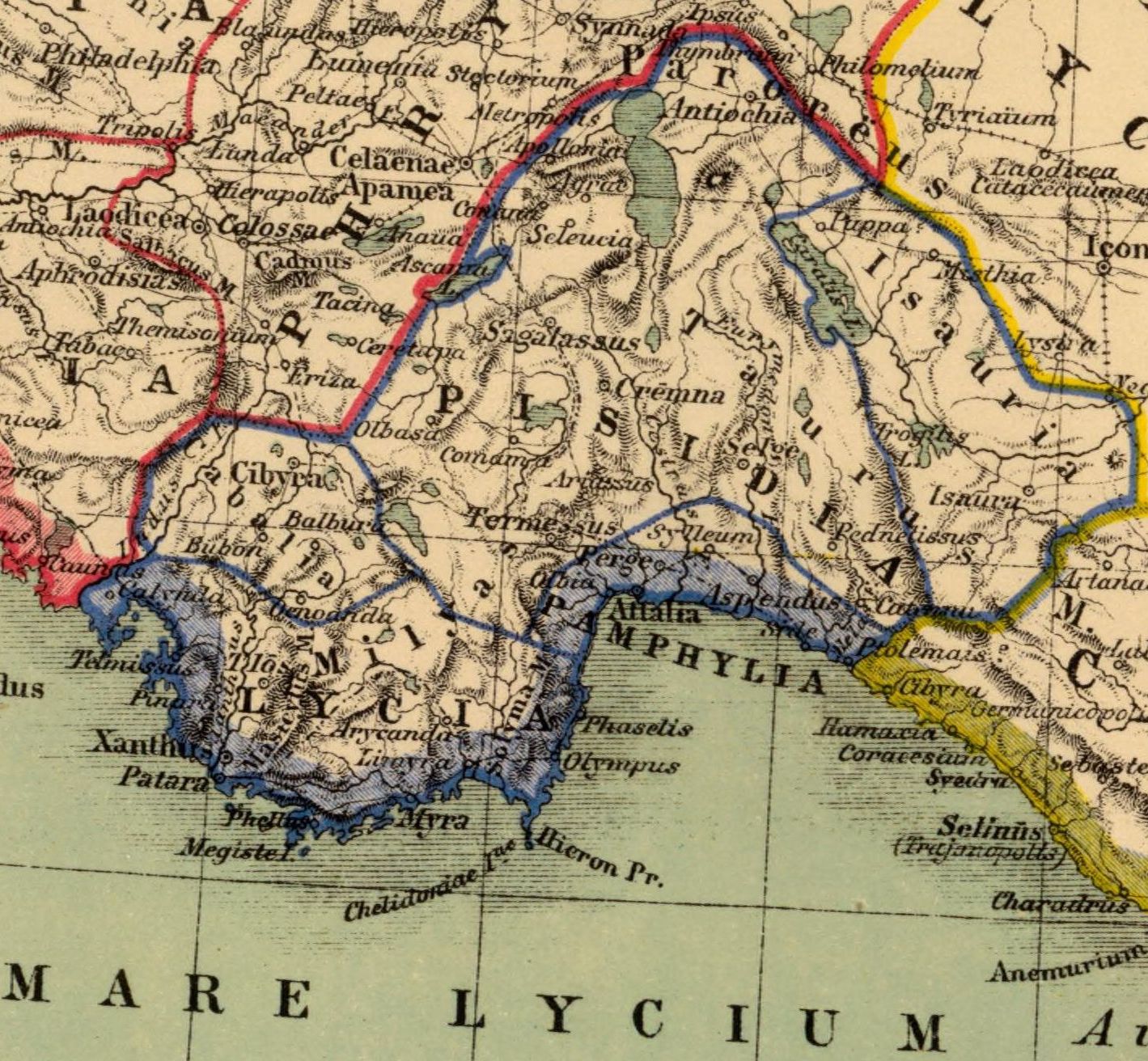
Lysinia
Ancient town in Pisidia, later Pamphylia.
Euromus
Ancient Carian city and temple, 6th century BCE
Blaundus
Hellenistic city ruins in western Anatolia, Turkey
Carchemish
Ancient capital ruins on the Euphrates, Turkey–Syria border
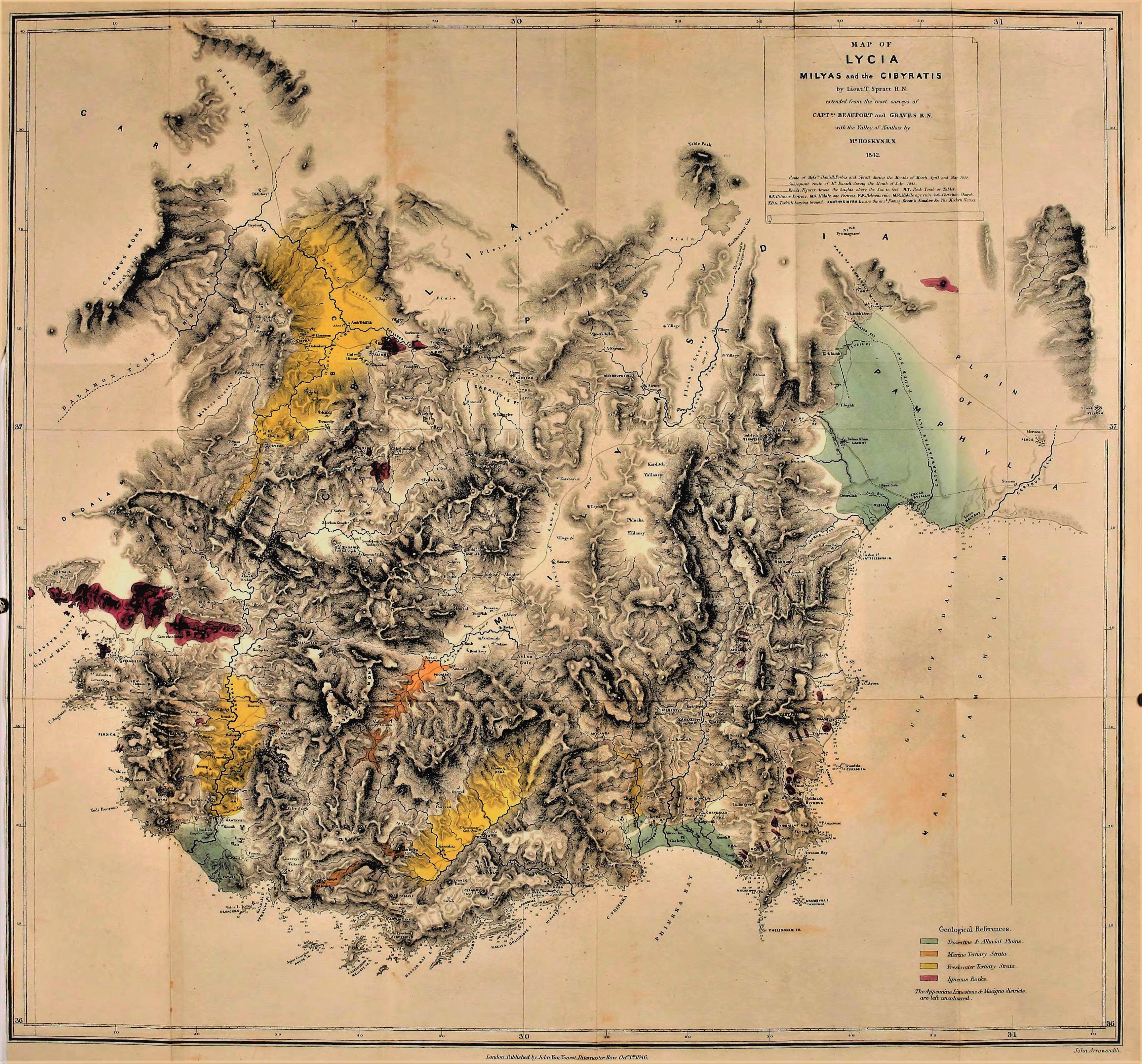
Melanippe (Lycia)
Ancient coastal town on Mount Phoenicus.