Explore the Map
Eboracum
53.9617° N, -1.0806° E
About
Eboracum (Classical Latin: [ɛbɔˈraːkũː]) was a fort and later a city in the Roman province of Britannia. In its prime it was the largest town in northern Britain and a provincial capital. The site remained occupied after the decline of the Western Roman Empire and ultimately developed into the present-day city of York, in North Yorkshire, England. Two Roman emperors died in Eboracum: Septimius Severus in 211 AD, and Constantius Chlorus in 306 AD.
Historical Timeline
Journey through time and discover key events in this site's history
Foundation of the fortress
71 AD
Refurbishment by Agricola
81 AD
First recorded mention (Vindolanda tablet)
c. 95–104 AD
Rebuilt in stone
107–108 AD
Hadrian's visit
122 AD
Severus visits and death
208–211 AD
Colonia status attested
by 237 AD
Provincial reorganisation
296 AD
Death of Constantius Chlorus
306 AD
Archaeological Features
Unique architectural and cultural elements found at this historical site
Storage Structures
Defensive Structures
Military Installations
Animal Husbandry Features
Public and Civic Structures
Artistic and Decorative Features
Agricultural and Land Use Features
Domestic and Habitation Structures
Environmental and Natural Features
Food Production and Processing Features
Transportation and Communication Structures
Frequently Asked Questions
Plan Your Visit
Tours, travel arrangements, and practical information

More Sites in United Kingdom
Uffington Castle
Iron Age hillfort in Oxfordshire, England
Blestium
Roman fort and ironworks, Monmouth, Wales
Sussex Greensand Way
Roman road in Sussex, United Kingdom
Diamond (1823 ship)
Early 19th‑century transatlantic shipwreck, Cardigan Bay
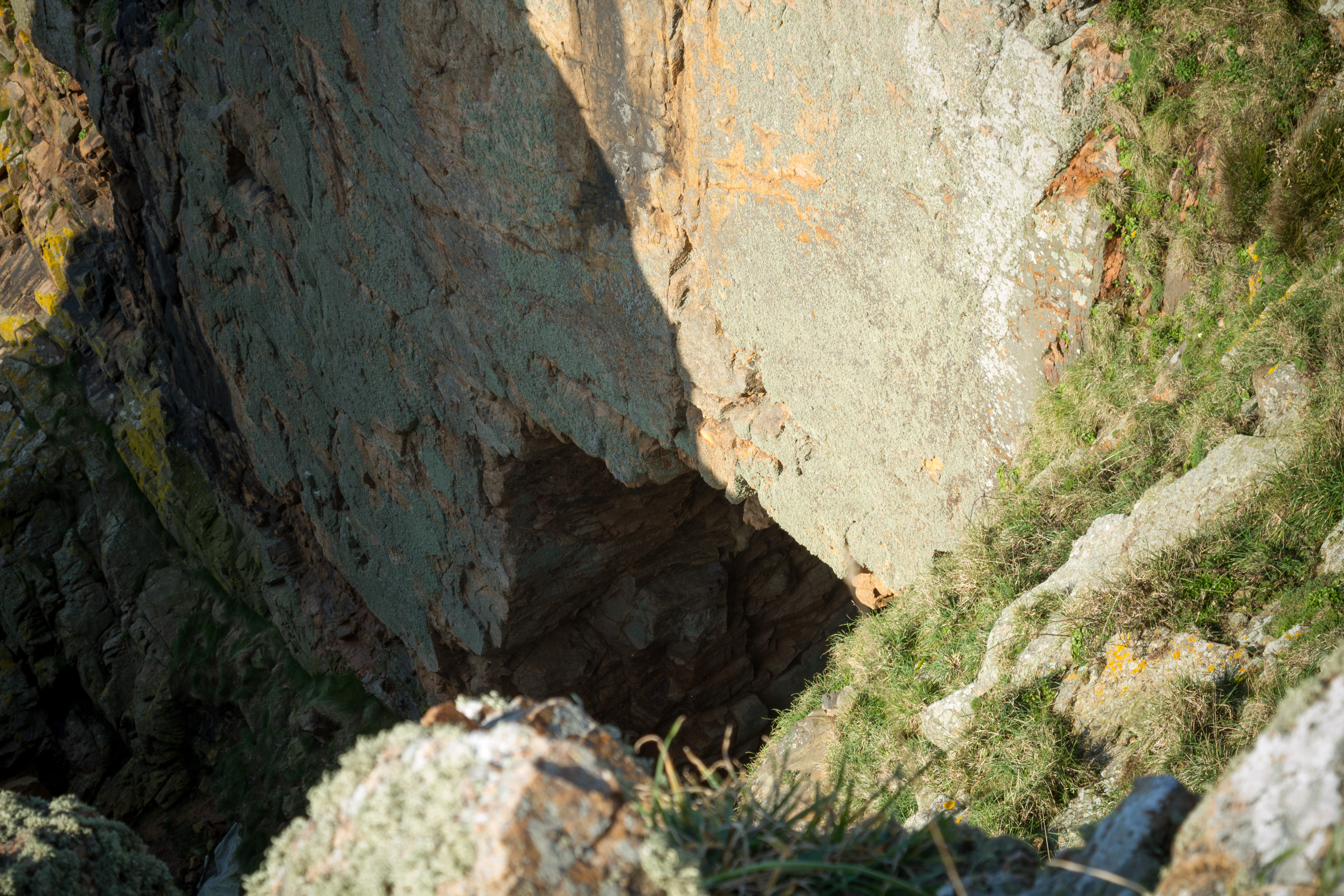
La Cotte de St Brelade
Paleolithic cave site with Neanderthal artifacts
Adam's Grave
Neolithic long barrow in Wiltshire, United Kingdom