Medway Megaliths
The Medway Megaliths, sometimes termed the Kentish Megaliths, are a group of Early Neolithic chambered long barrows and other megalithic monuments loc
Explore the Map
Medway Megaliths
51.3167° N, 0.5000° E
About
The Medway Megaliths, sometimes termed the Kentish Megaliths, are a group of Early Neolithic chambered long barrows and other megalithic monuments located in the lower valley of the River Medway in Kent, South-East England. Constructed from local sarsen stone and soil between the 4th and 3rd millennia BCE, they represent the only known prehistoric megalithic group in eastern England and the most south-easterly group in Britain. They remain one of several regionally contained chambered long barrow traditions in Britain, although have certain precise architectural characteristics which mark them out as distinct from other groups. The purpose of these long barrows remains elusive, although some were used as tombs for the remains of a select group of individuals. It is also widely believed that they were places where religious rituals were performed. Many archaeologists believe that they reflect the process of Neolithisation of Britain, as hunter-gatherer populations were replaced by pastoralists. Three chambered tombs have been identified to the west of the river: the Coldrum Stones, Addington Long Barrow, and Chestnuts Long Barrow. To the east of the river, another three chambered tombs have been identified: Kit's Coty House, Little Kit's Coty House, and Smythe's Megalith, although it has also been suggested that two nearby megaliths, the Coffin Stone and the White Horse Stone, are remnants of former chambered tombs. An Early Neolithic longhouse and causewayed enclosure have also been identified in the vicinity of the monuments. The Medway Megaliths have become heavily damaged and dilapidated since original construction, largely due to an intentional program of destruction in the late 13th century CE. They began to attract the interest of antiquarians in the late 16th century, who developed a number of erroneous theories about their origin, before later being scientifically investigated by archaeologists in the late 19th century. Local folklore has also grown up around the monuments, which came to be interpreted and used as sacred sites by contemporary Pagans in the latter 20th century.
Plan Your Visit
Tours, travel arrangements, and practical information
More Sites in United Kingdom
Ringlemere barrow
Early Bronze Age barrow near Sandwich, Kent
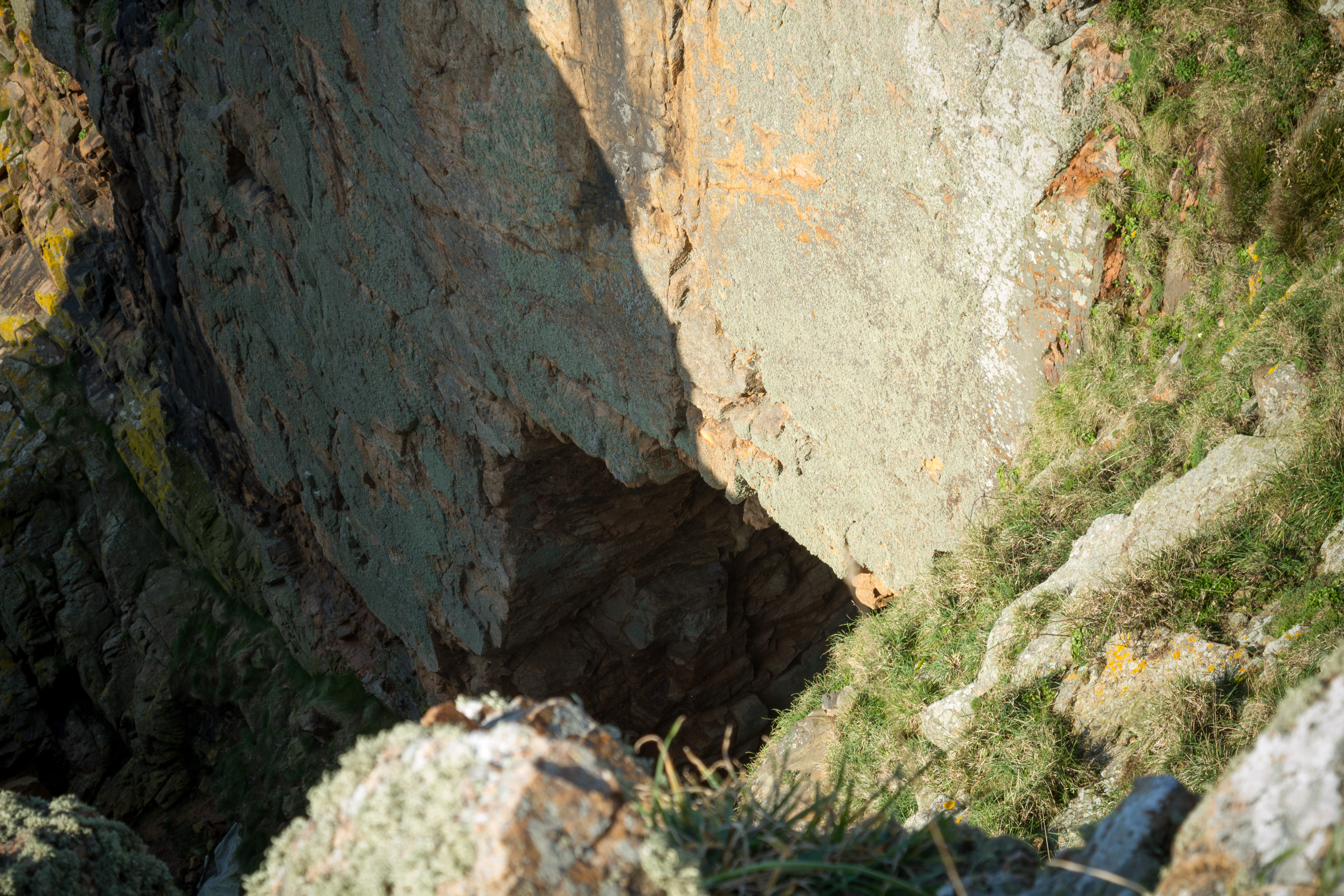
La Cotte de St Brelade
Paleolithic cave site with Neanderthal artifacts
Adam's Grave
Neolithic long barrow in Wiltshire, United Kingdom
Hawk Stone
Neolithic standing stone, Oxfordshire, UK
Kents Cavern
Kents Cavern is a cave system in Torquay, Devon, England.
Bloodgate Hill Iron Age Fort
Iron Age hill fort in Norfolk, England