West Stow Anglo-Saxon Village
West Stow Anglo-Saxon Village is an archaeological site and an open-air museum located near to West Stow in Suffolk, eastern England.
Explore the Map
West Stow Anglo-Saxon Village
52.3106° N, 0.6353° E
About
West Stow Anglo-Saxon Village is an archaeological site and an open-air museum located near to West Stow in Suffolk, eastern England. Evidence for intermittent human habitation at the site stretches from the Mesolithic through the Neolithic, Bronze Age, Iron Age and Romano-British period, but it is best known for the small village that existed on the site between the mid-5th century and the early 7th century CE, during the early Anglo-Saxon period. During this time, around 70 sunken-featured buildings were constructed on the site, along with 8 halls and a number of other features. Subsequently, abandoned, the area became farmland in the Late Medieval period. Antiquarian interest in the site began in 1849, when a nearby Anglo-Saxon cemetery was discovered. Subsequent excavations of Romano-British pottery kilns took place in the late 19th and mid-20th centuries, before the Anglo-Saxon settlement was revealed. The site was excavated between 1956 and 1972 by an archaeological team from the Ministry of Public Building and Works (MOPBW), led first by Vera Evison and then by Stanley West. Following the culmination of excavation, it was decided to reconstruct the village on the site, an experimental archaeological project which has been ongoing since 1974. In 1999, the site was opened to the public with a new visitor's centre, museum and cafe.
Plan Your Visit
Tours, travel arrangements, and practical information
More Sites in United Kingdom
Sussex Greensand Way
Roman road in Sussex, United Kingdom
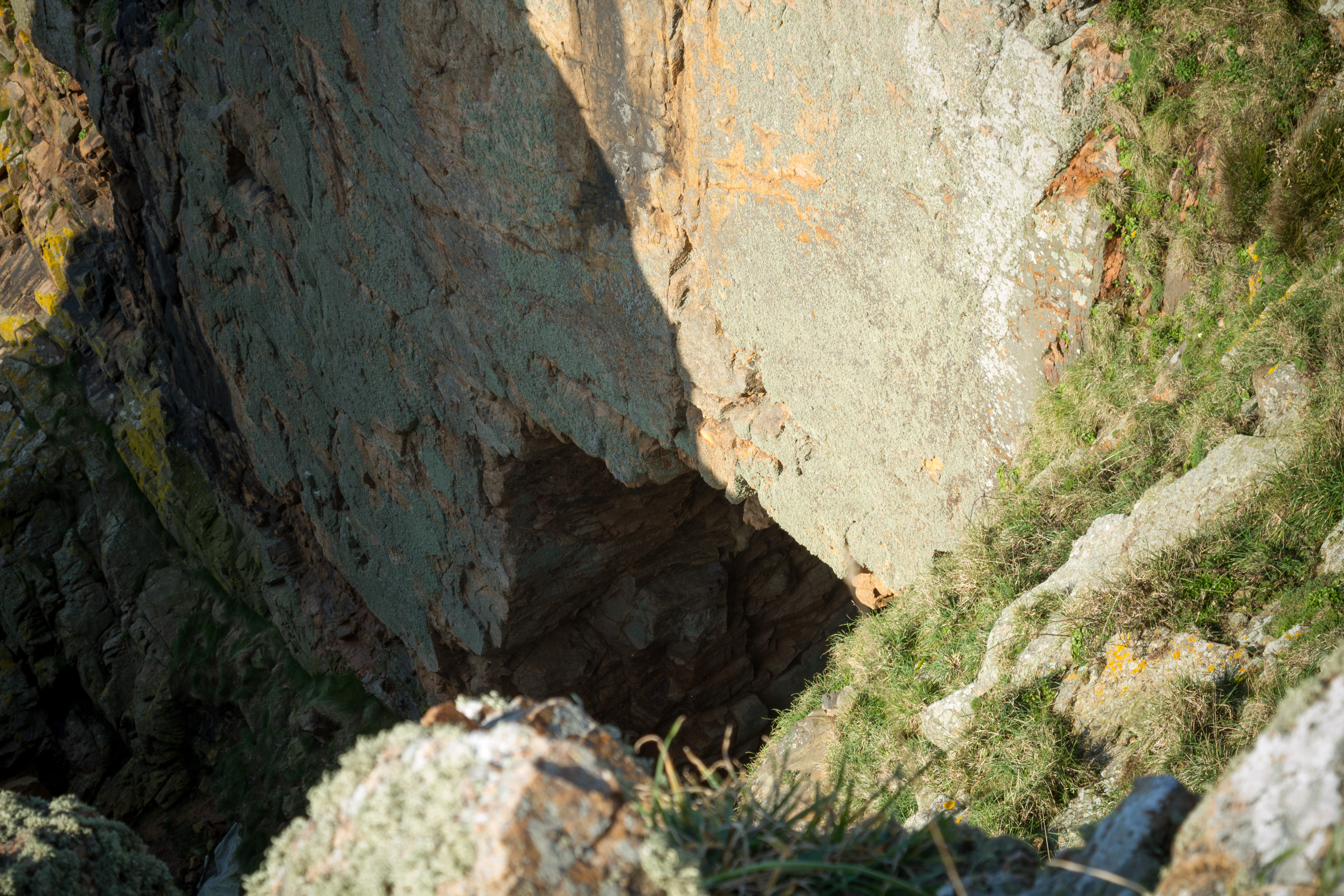
La Cotte de St Brelade
Paleolithic cave site with Neanderthal artifacts
Kents Cavern
Kents Cavern is a cave system in Torquay, Devon, England.
Swastika Stone
The Swastika Stone is a stone adorned with a design that resembles a swastika, located on the Woodhouse Crag on the northern edge of Ilkley Moor in West Yorkshire, England.
Blestium
Roman fort and ironworks, Monmouth, Wales
Ringlemere barrow
Early Bronze Age barrow near Sandwich, Kent