
Explore the Map
Akhsikath
40.8866° N, 71.4505° E
About
Akhsikath, located in the Fergana Valley of Uzbekistan, is a significant archaeological site with origins dating back to the 3rd century BCE. As a fortified city along the Syr Darya River, it became an important Silk Road caravan stop and a hub for Damascus steel production. The city reached its zenith during the 9th to 12th centuries CE, featuring a complex of defensive walls, palaces, mosques, and caravanserais. It was repeatedly conquered due to its wealth, with notable sacks by the Kushans and Genghis Khan's commander Jebe Noyan in 1219 CE. In the 15th century, it served as the residence of Umar Shaikh Mirza II, father of Babur, the founder of the Mughal Empire. The city was eventually destroyed by an earthquake in 1620 CE, leading to its abandonment.
Historical Timeline
Journey through time and discover key events in this site's history
Establishment of Akhsikath
3rd century BCE
Peak Significance
9th-12th centuries CE
Sack by Jebe Noyan
1219 CE
Umar Shaikh Mirza II Residence
15th century CE
Earthquake Destruction
1620 CE
Archaeological Features
Unique architectural and cultural elements found at this historical site
Defensive Structures
Industrial and Craft Structures
Religious and Ritual Structures
Domestic and Habitation Structures
Transportation and Communication Structures
Frequently Asked Questions
Plan Your Visit
Tours, travel arrangements, and practical information
More Sites in Uzbekistan
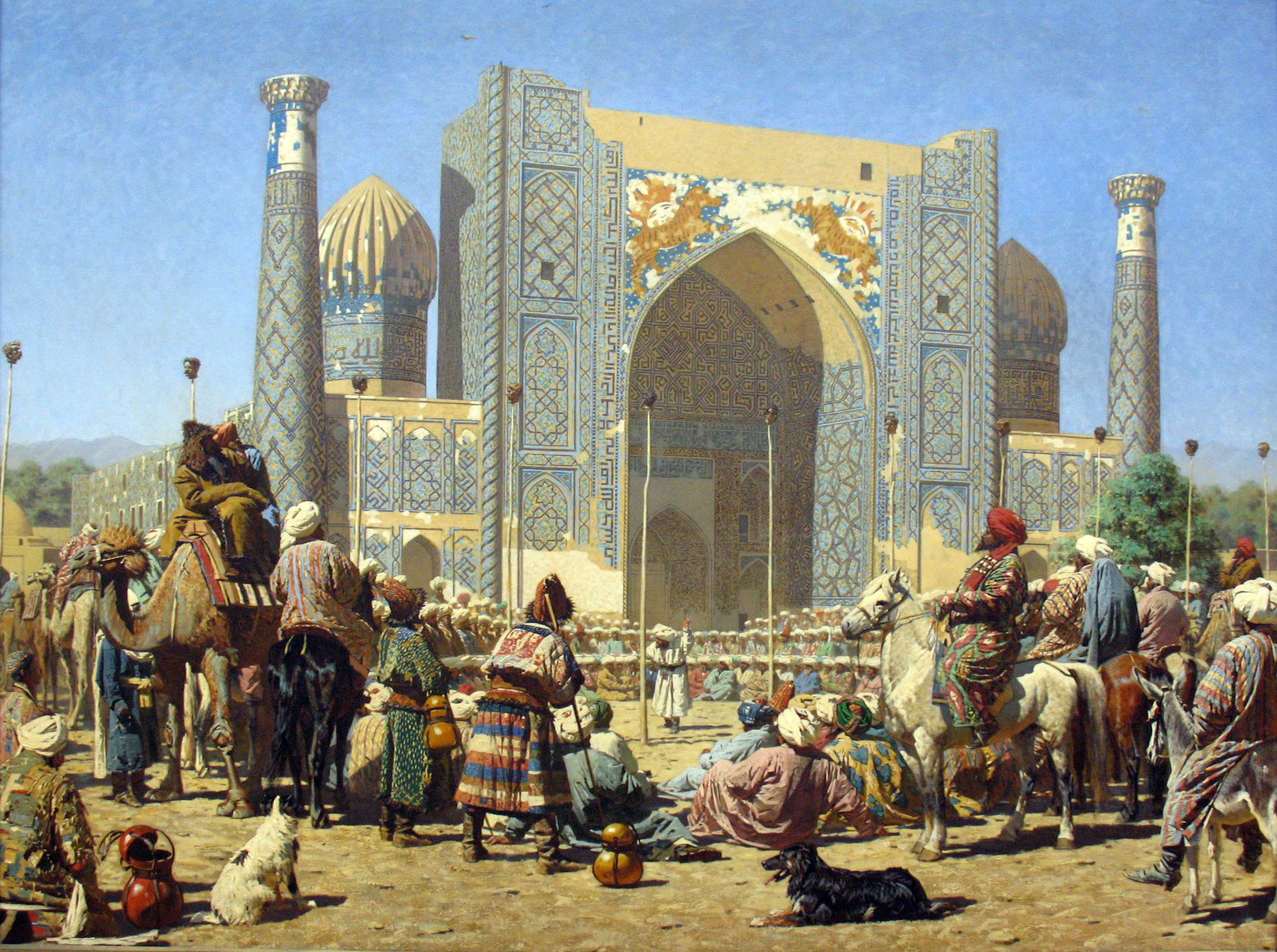
Samarkand
Ancient city with rich cultural heritage
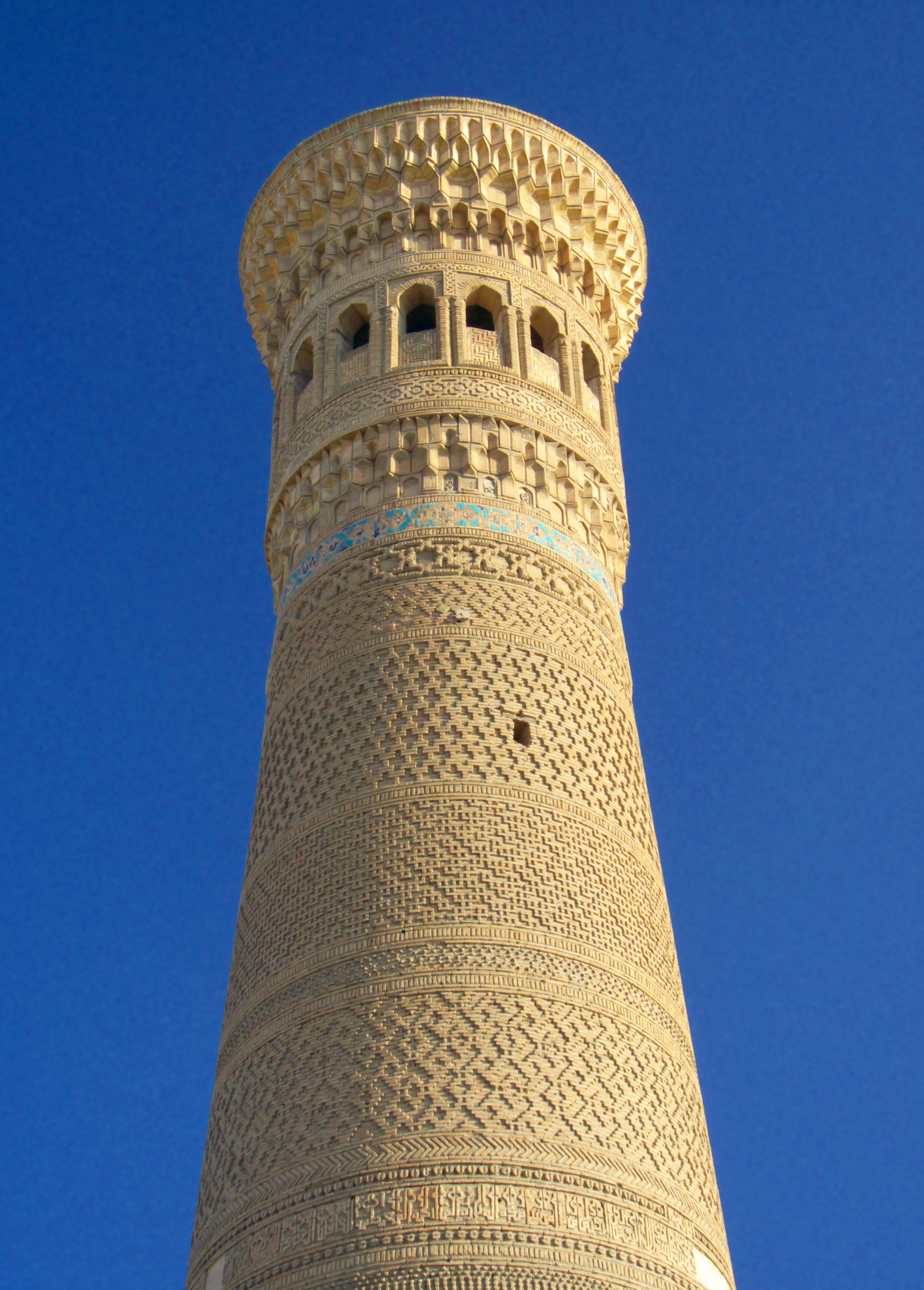
Shahrukhiya
Ancient city on Great Silk Road.
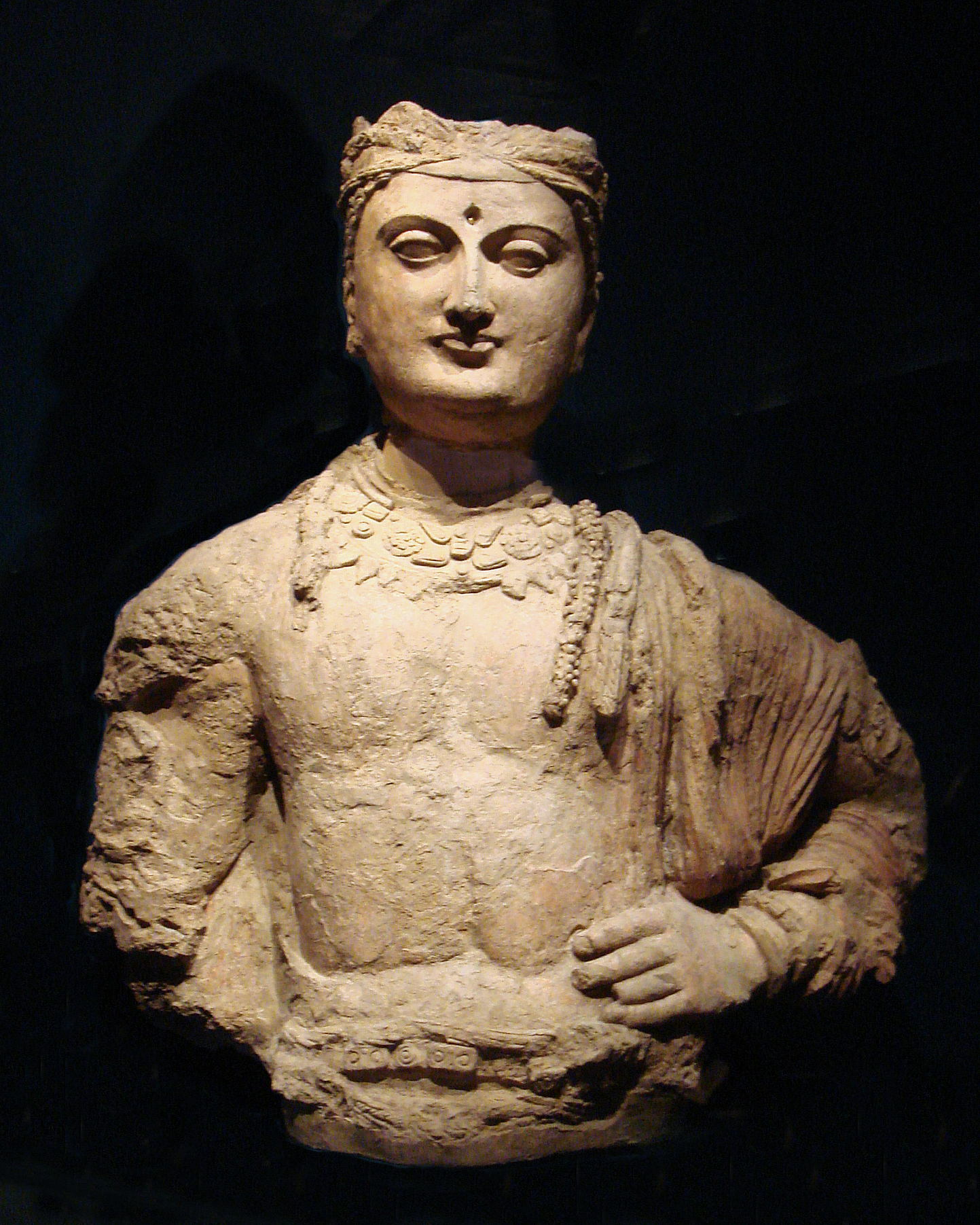
Dalverzin Tepe
Ancient fortified Kushan city with temples.
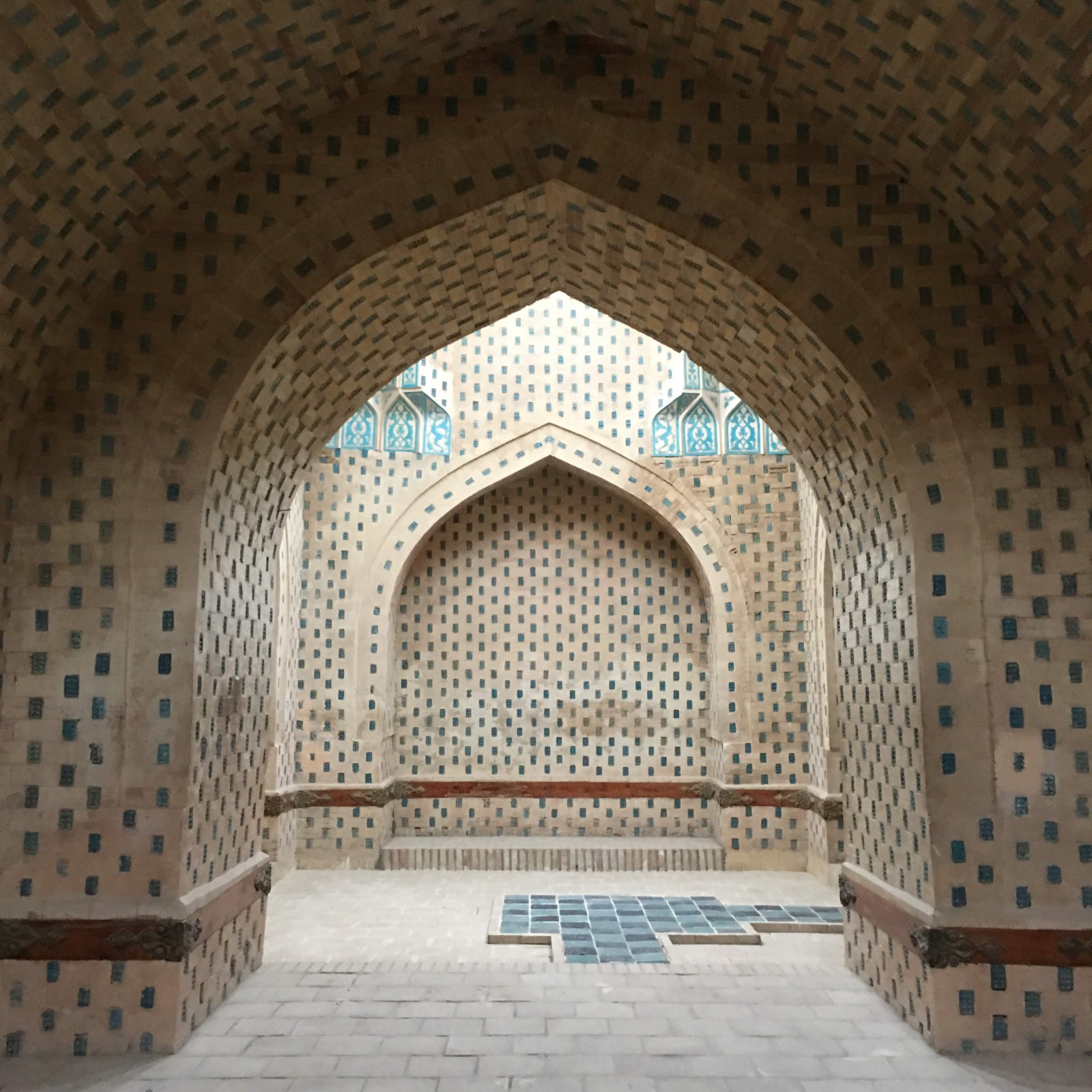
Mizdarkhan
Ancient necropolis with Zoroastrian and Islamic elements.
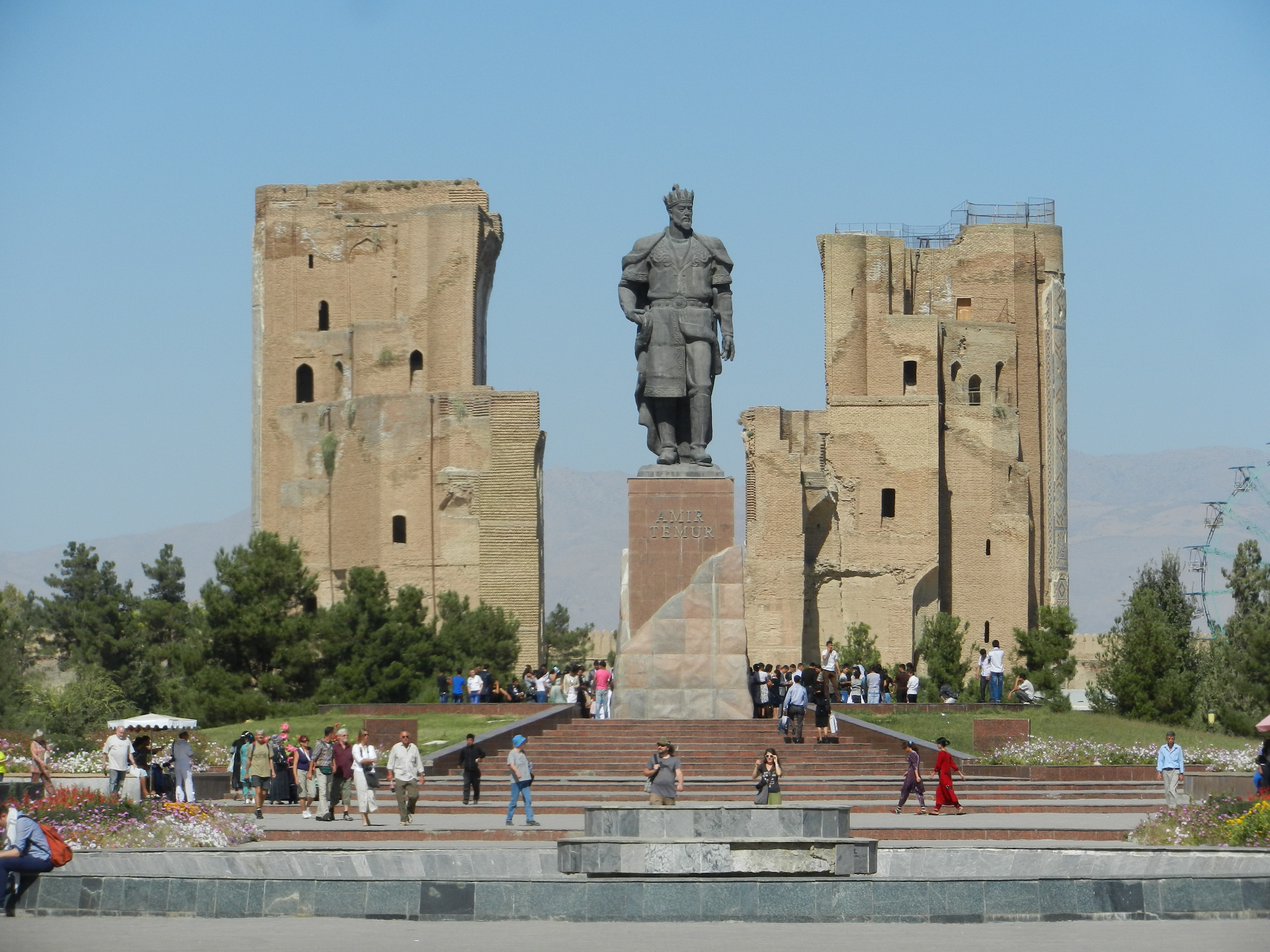
Shahrisabz
Ancient Central Asian city with rich history.
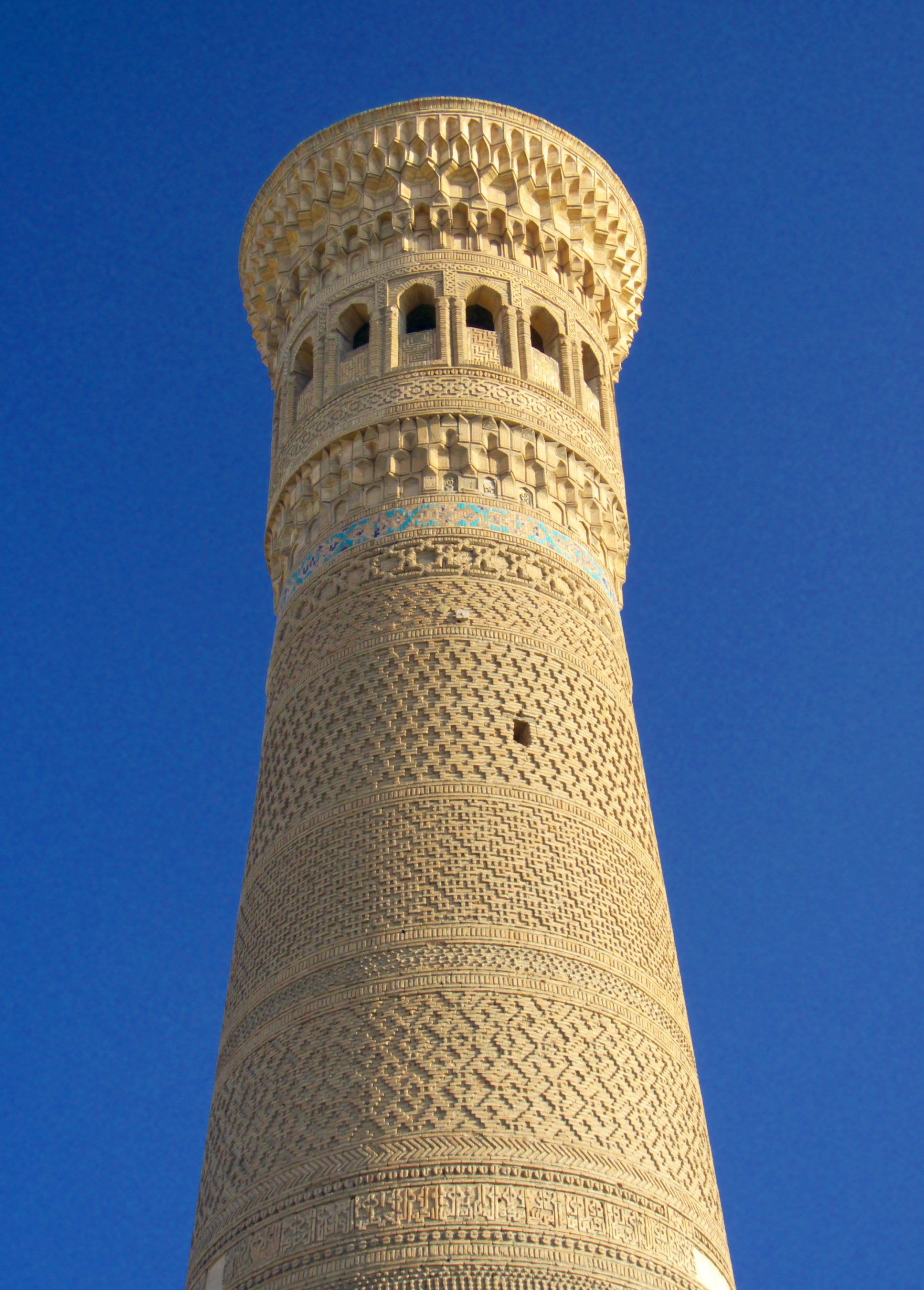
Kanka, Uzbekistan
Ancient multi-layered fortified settlement.