
Explore the Map
Shahrisabz
39.0500° N, 66.8333° E
About
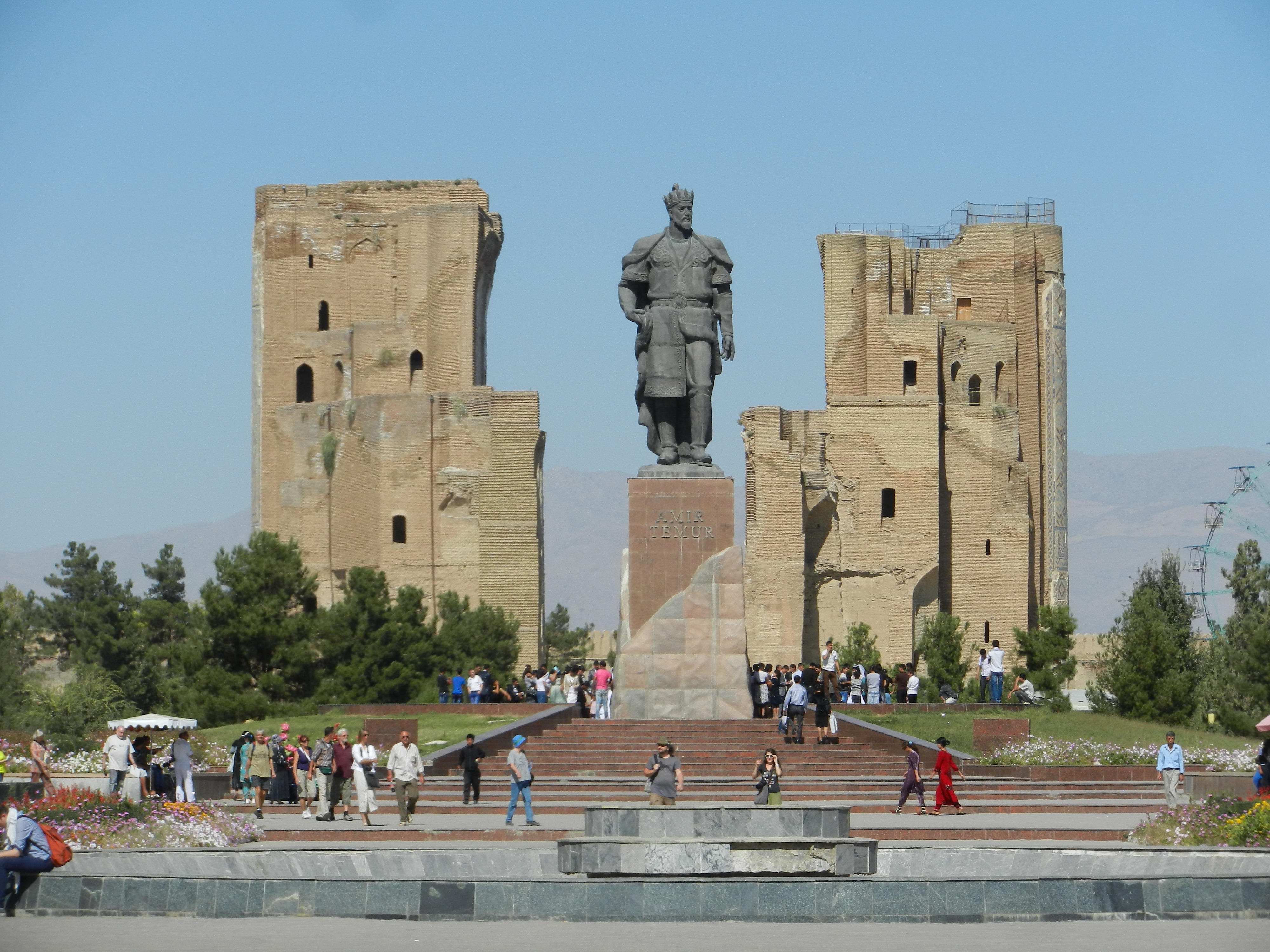
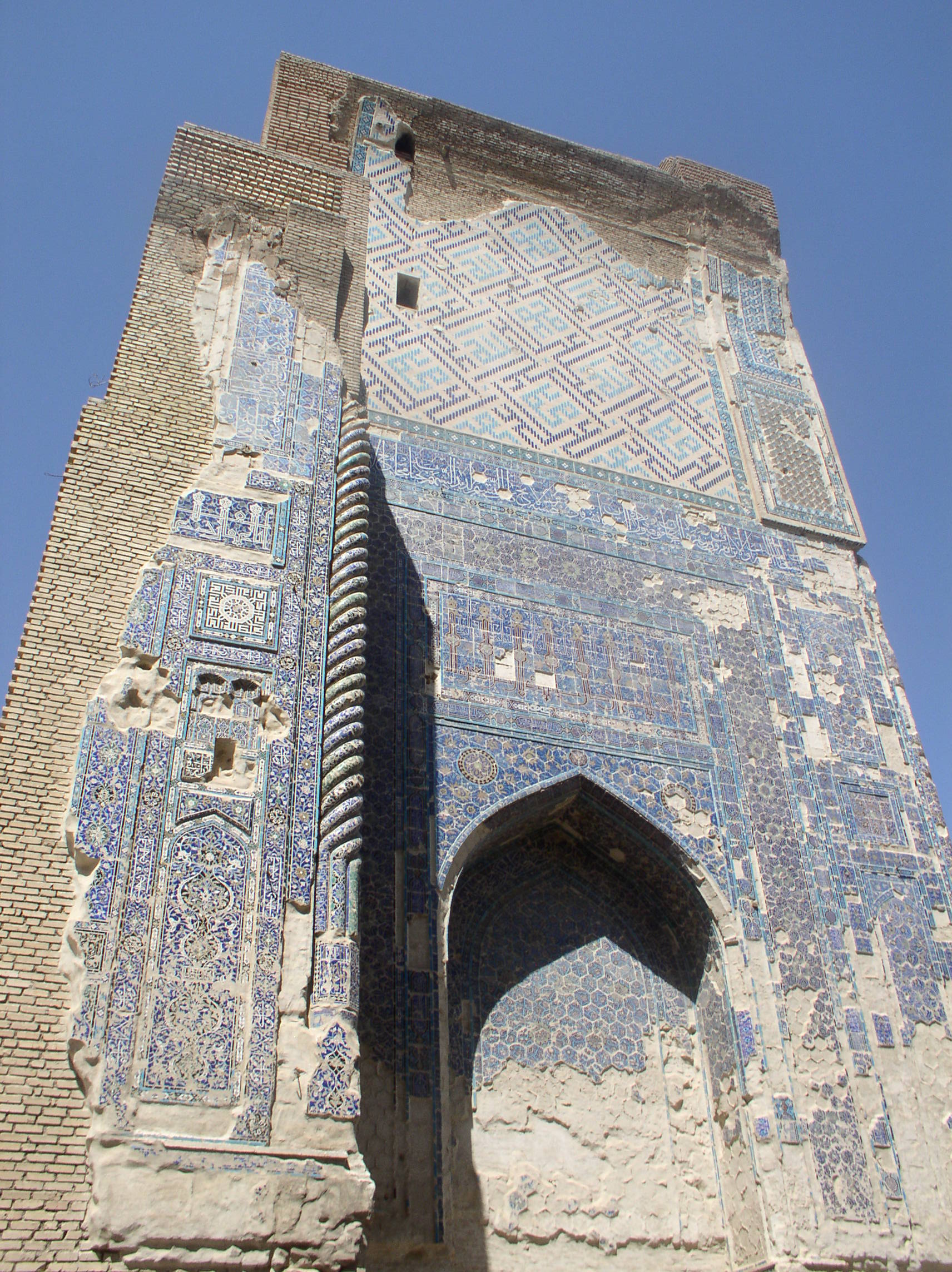
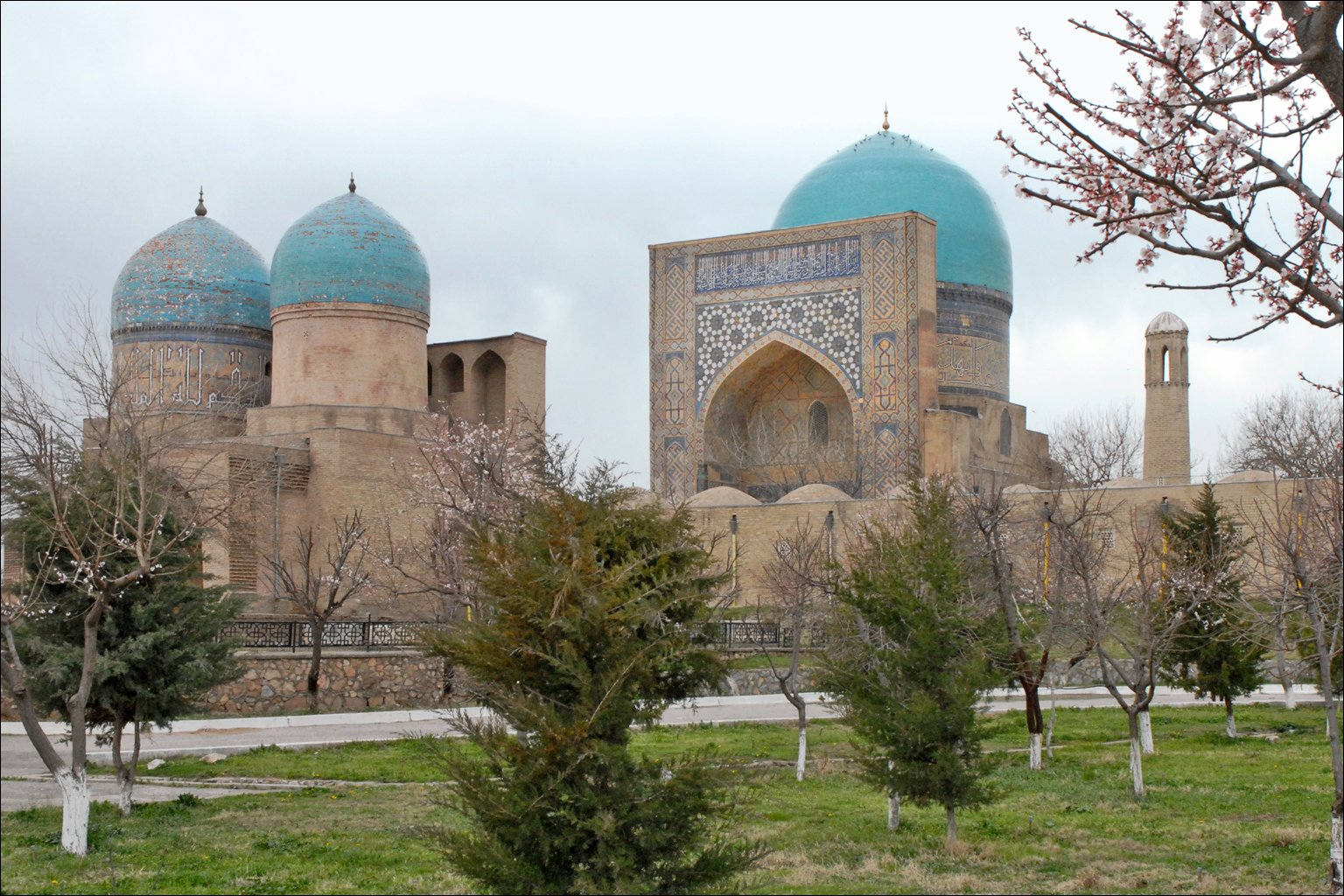
Shahrisabz, historically known as Kesh, is a site of significant archaeological interest in Uzbekistan. Founded over 2,700 years ago, it was a pivotal city in Central Asia, part of the Achaemenid Empire, and later influenced by Alexander the Great, the Arabs, and the Karakhanid dynasty. Shahrisabz is renowned as the birthplace of Timur in the 14th century, with its rich history reflected in its diverse structures such as defensive walls, palaces, mausoleums, and religious buildings, including mosques and Zoroastrian temples. The city's historical trajectory includes its role as an administrative center under various empires, with its structures and artifacts offering insights into the cultural and political dynamics of the region over centuries.
Gallery
Explore photographs of ancient structures, artifacts, and archaeological excavations
Historical Timeline
Journey through time and discover key events in this site's history
Achaemenid Empire Incorporation
6th-4th centuries BCE
Founding of Kesh
9th-8th centuries BCE
Alexander the Great's Wintering
328-327 BCE
Arab Conquest of Kesh
710 CE
Karakhanid Conquest
1040 CE
Timur's Birth
1336 CE
Archaeological Features
Unique architectural and cultural elements found at this historical site
Defensive Structures
Public and Civic Structures
Burial and Funerary Structures
Religious and Ritual Structures
Artistic and Decorative Features
Domestic and Habitation Structures
Plan Your Visit
Tours, travel arrangements, and practical information


More Sites in Uzbekistan
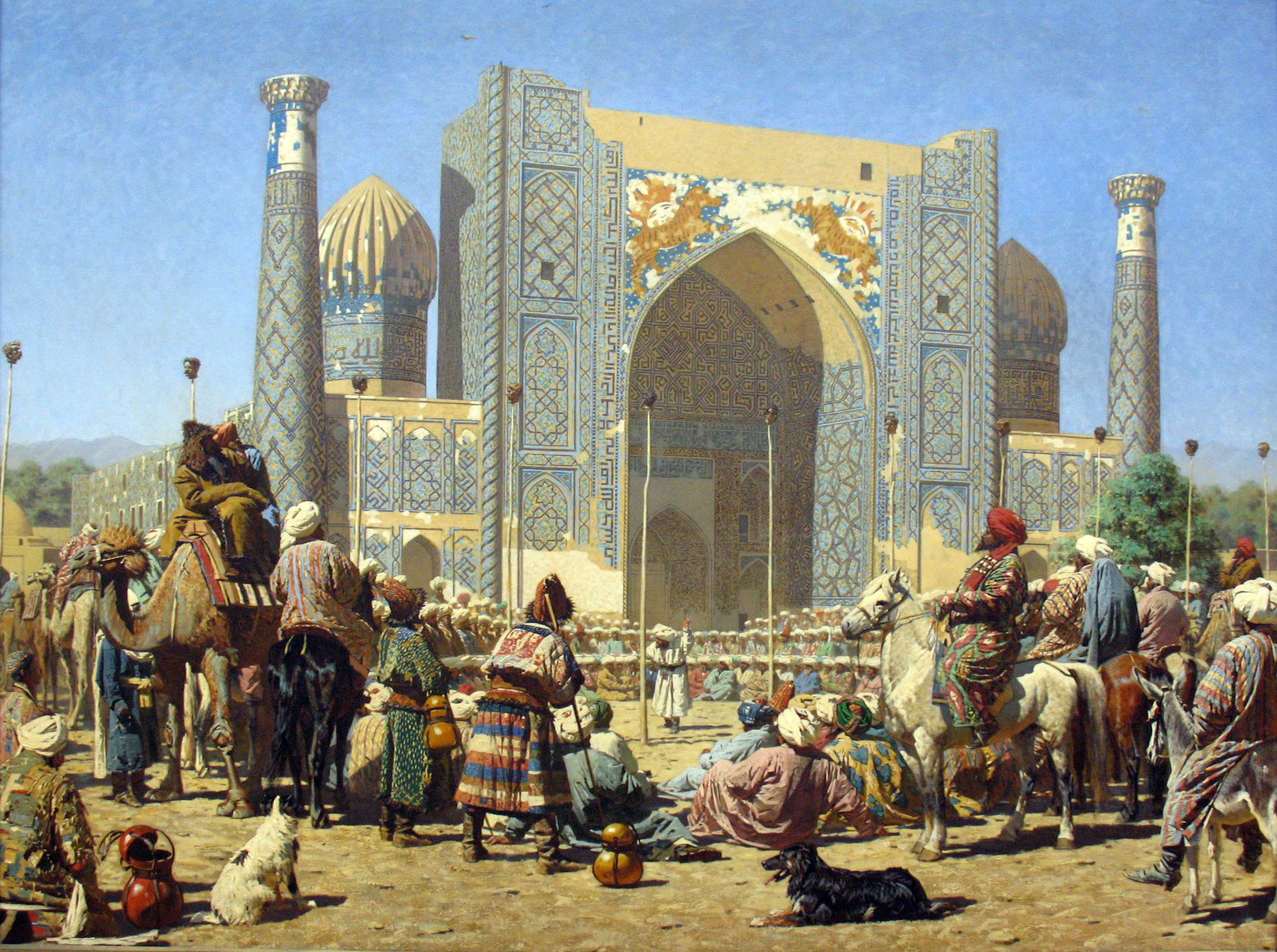
Samarkand
Ancient city with rich cultural heritage
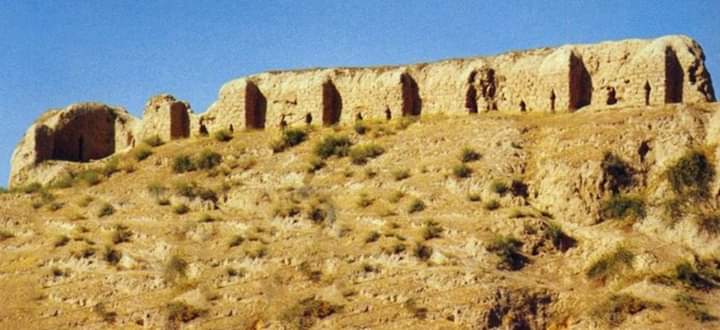
Afrasiyab (Samarkand)
Ancient Samarkand site with defensive features
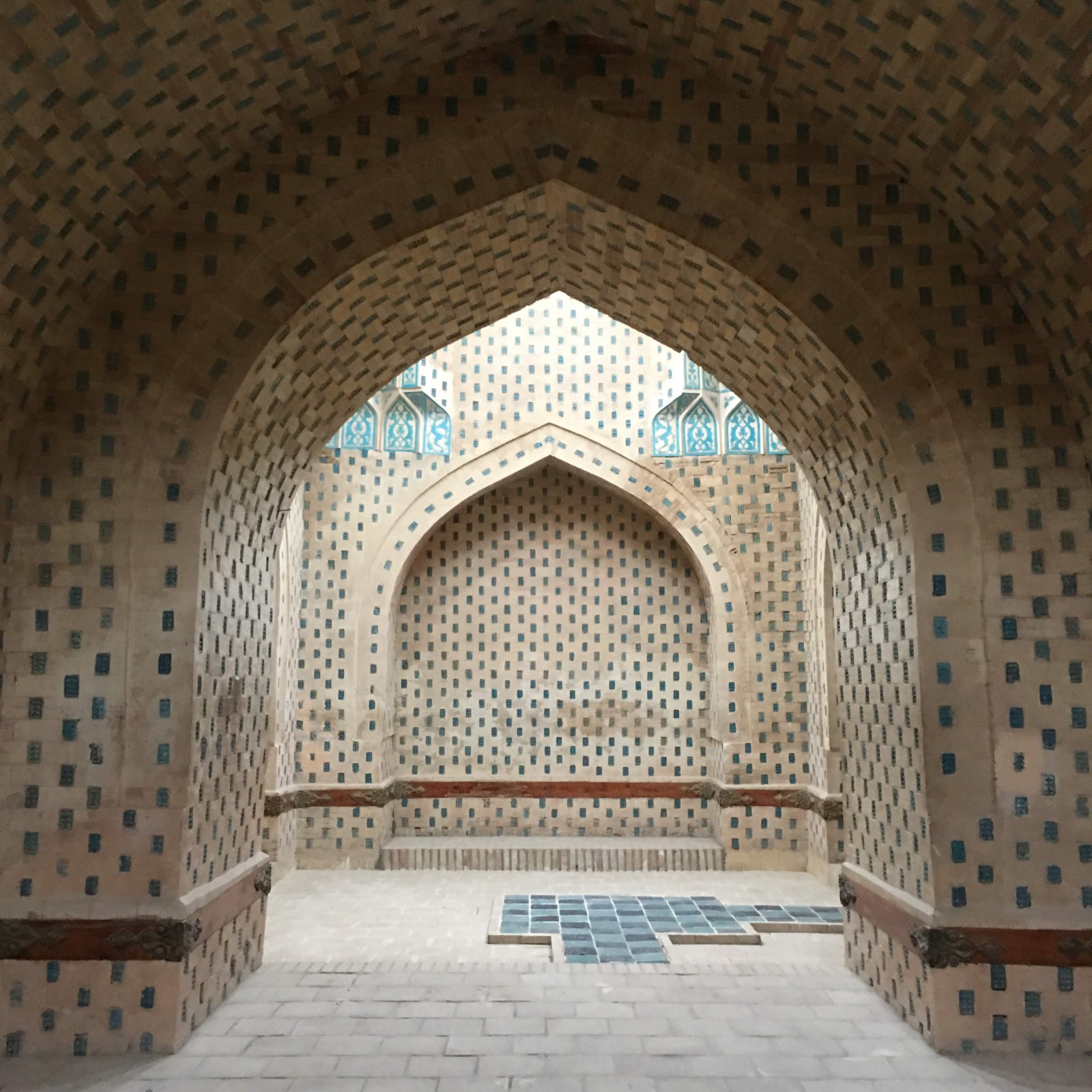
Mizdarkhan
Ancient necropolis with Zoroastrian and Islamic elements.
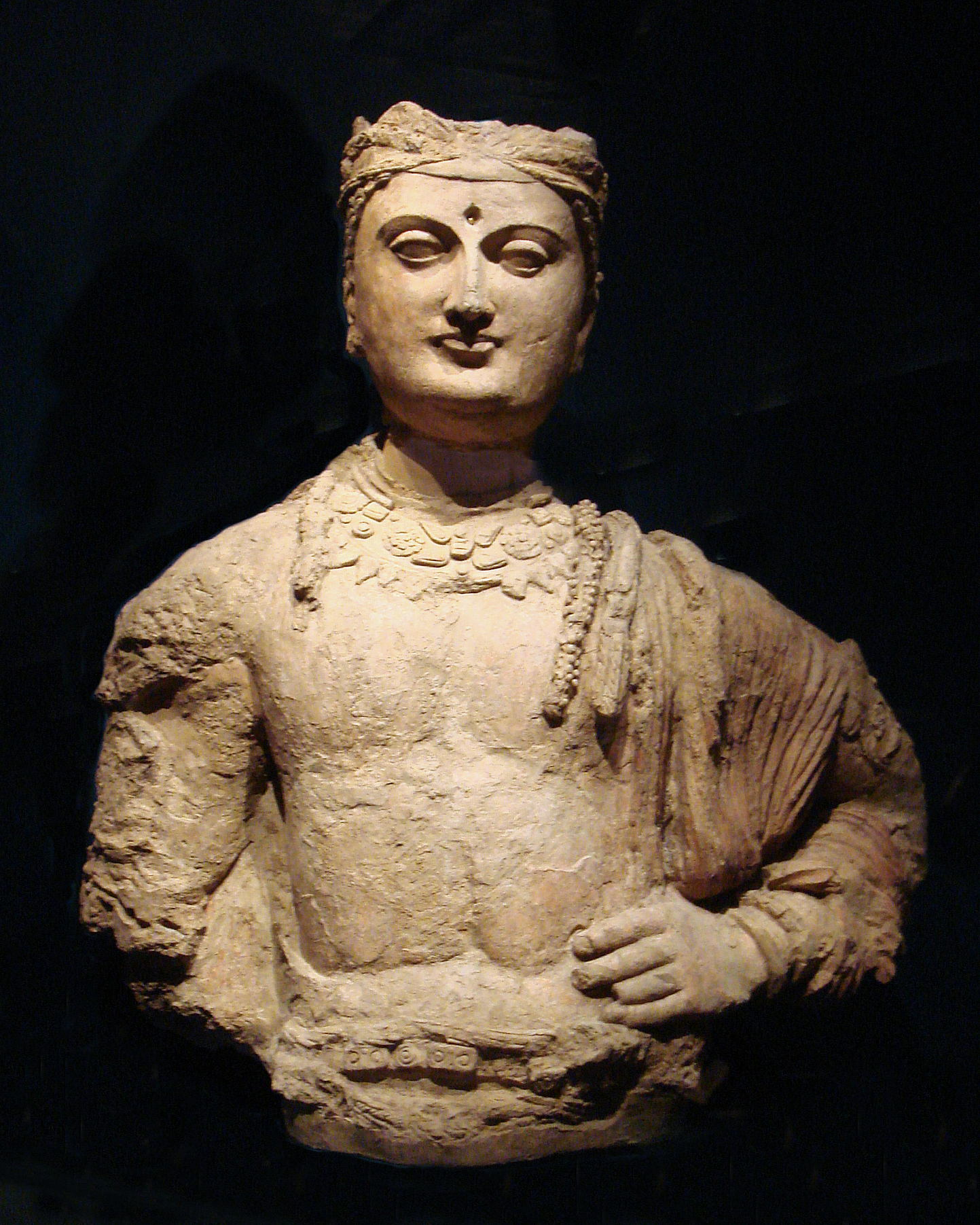
Dalverzin Tepe
Ancient fortified Kushan city with temples.
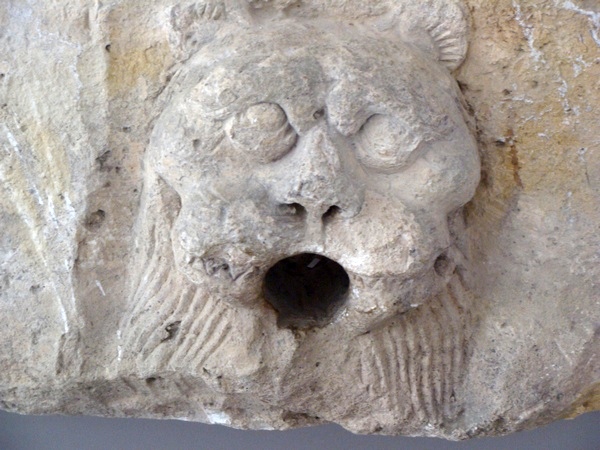
Fayaz Tepe
Buddhist site with temple and monastery
Shahrukhiya
Ancient city on Great Silk Road.