
Explore the Map
Shahrukhiya
40.7663° N, 68.9014° E
About
Shahrukhiya, historically known as Benaket, is an ancient settlement located southwest of Tashkent, Uzbekistan, on the right bank of the Syrdarya River. It played a significant role as the first large city in the Tashkent Oasis and was a vital point on the Great Silk Road. Initially a small settlement from the 3rd-4th century CE, it expanded significantly during the 10th-11th century CE. The city was destroyed by the Mongols in the 13th century but was later reconstructed by Amir Timur in 1392 CE and named after his son, Shahrukh Mirza. The archaeological site reveals a fortified city with a citadel, towers, and workshops, reflecting its significance as a cultural and economic hub during the Timurids and Shaybanids periods. Notable discoveries include the remains of a mosque built for Shah Emir Asadullah. The site continued to thrive until the 18th century CE, before its decline.
Gallery
Explore photographs of ancient structures, artifacts, and archaeological excavations
Historical Timeline
Journey through time and discover key events in this site's history
Ancient settlement
300 CE
City expansion
1000 CE
Mongol destruction
1200 CE
Timur reconstruction
1392 CE
Cultural and economic center
1392 CE
Memorial complex
1500 CE
Abdullah Khan I mosque
1500 CE
Site decline
1700 CE
Archaeological Features
Unique architectural and cultural elements found at this historical site
Defensive Structures
Burial and Funerary Structures
Industrial and Craft Structures
Religious and Ritual Structures
Domestic and Habitation Structures
Plan Your Visit
Tours, travel arrangements, and practical information
More Sites in Uzbekistan
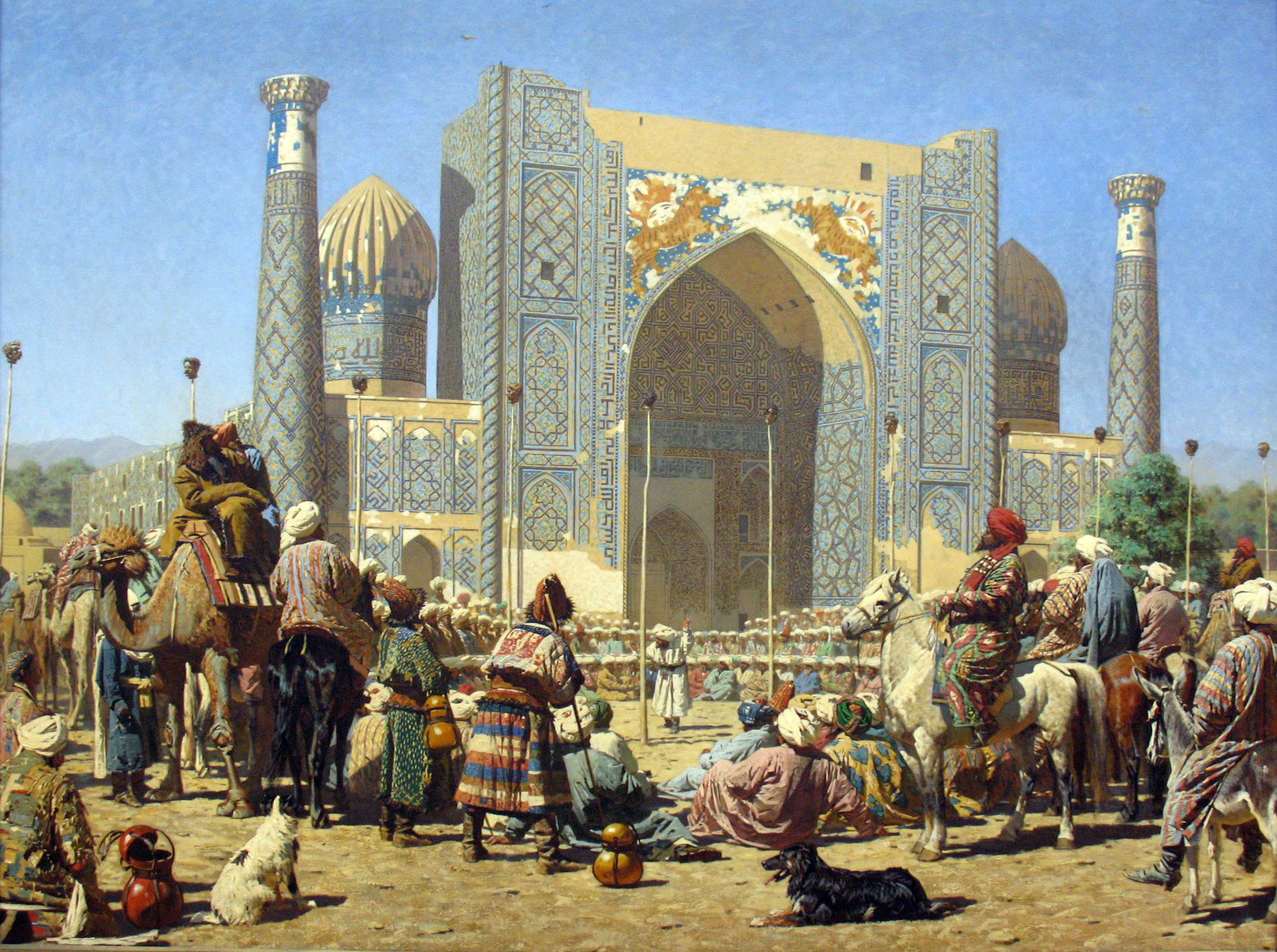
Samarkand
Ancient city with rich cultural heritage
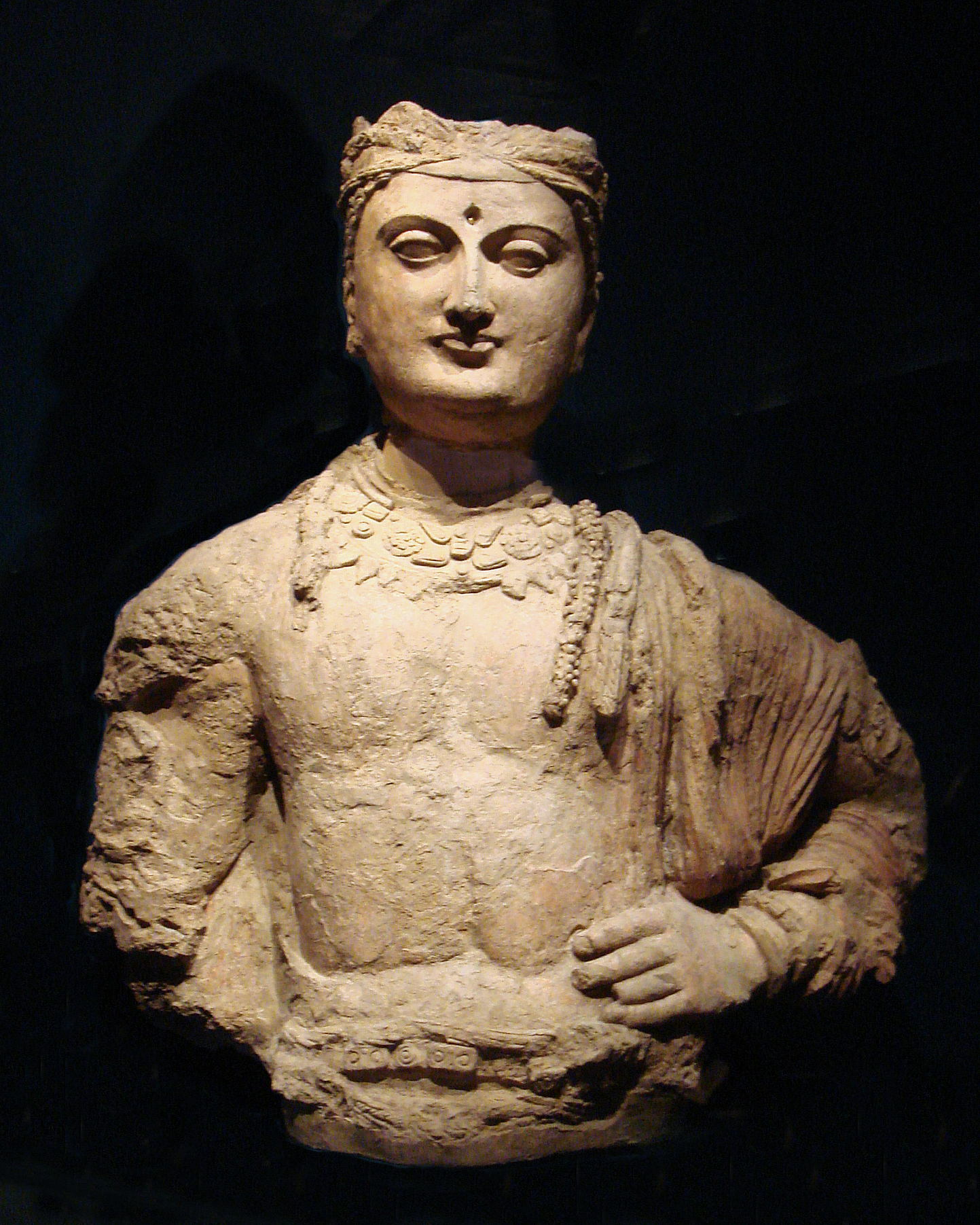
Dalverzin Tepe
Ancient fortified Kushan city with temples.
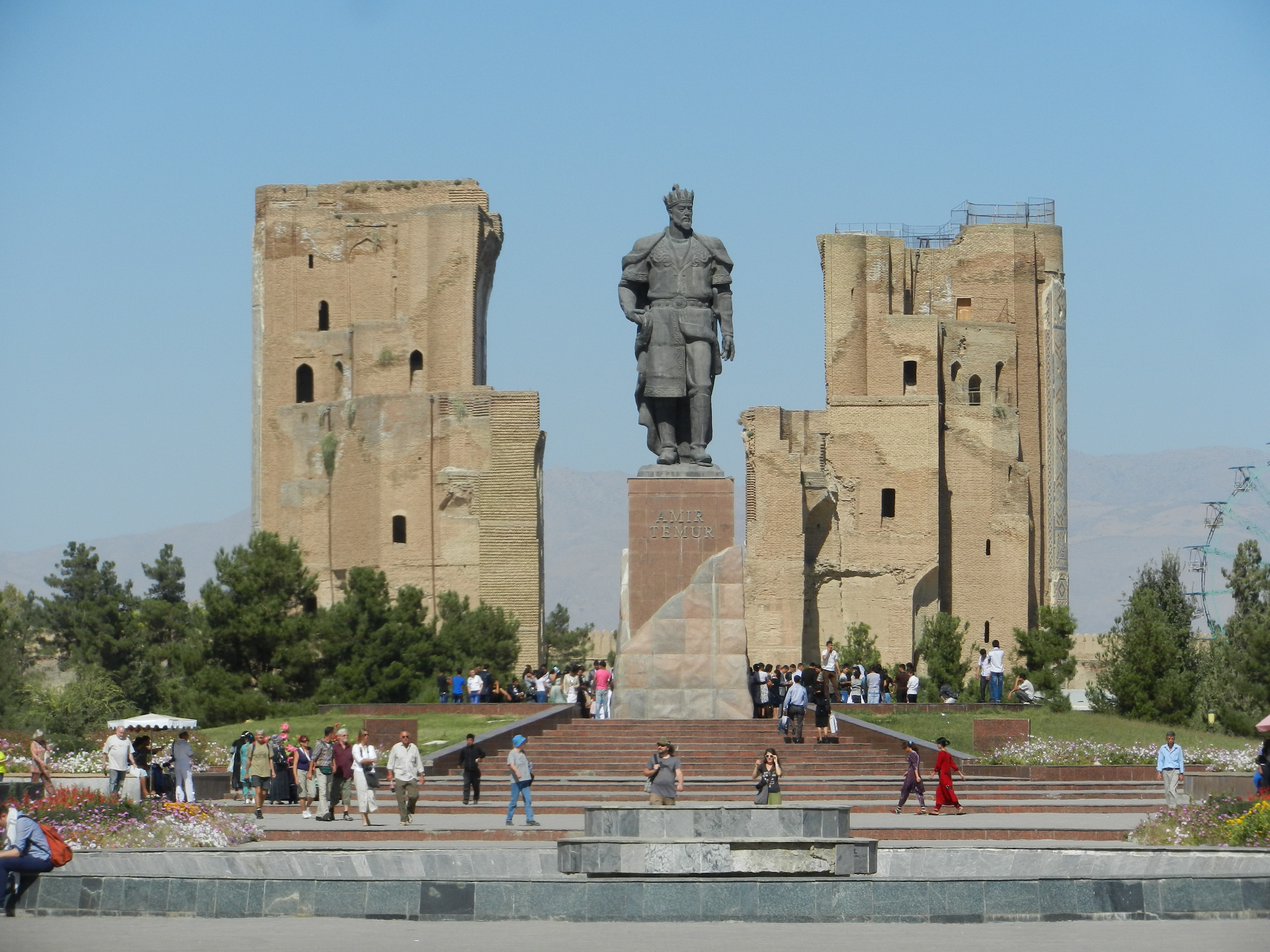
Shahrisabz
Ancient Central Asian city with rich history.
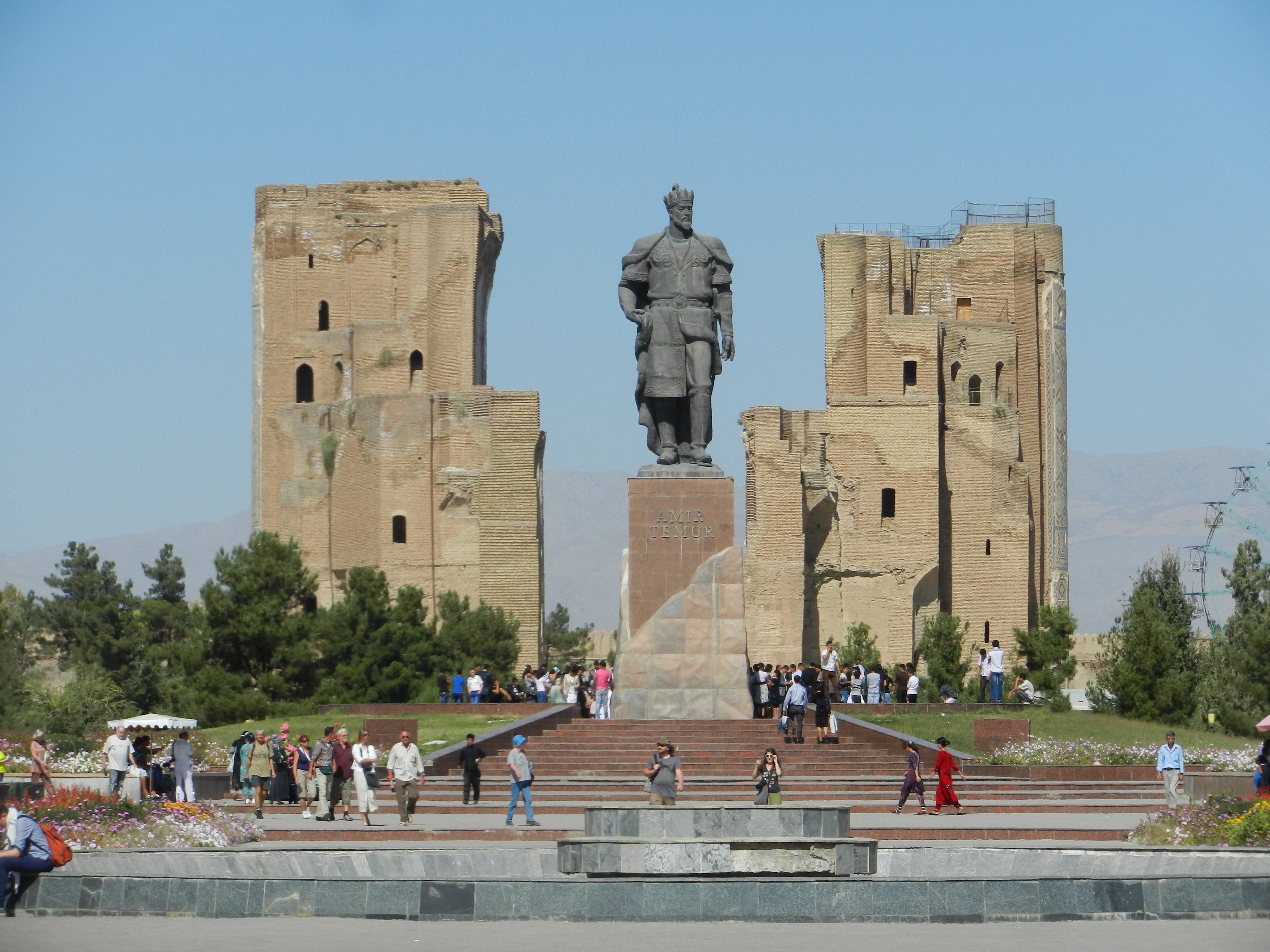
Ak-Saray Palace
Ruined Timurid palace with decorative remnants.
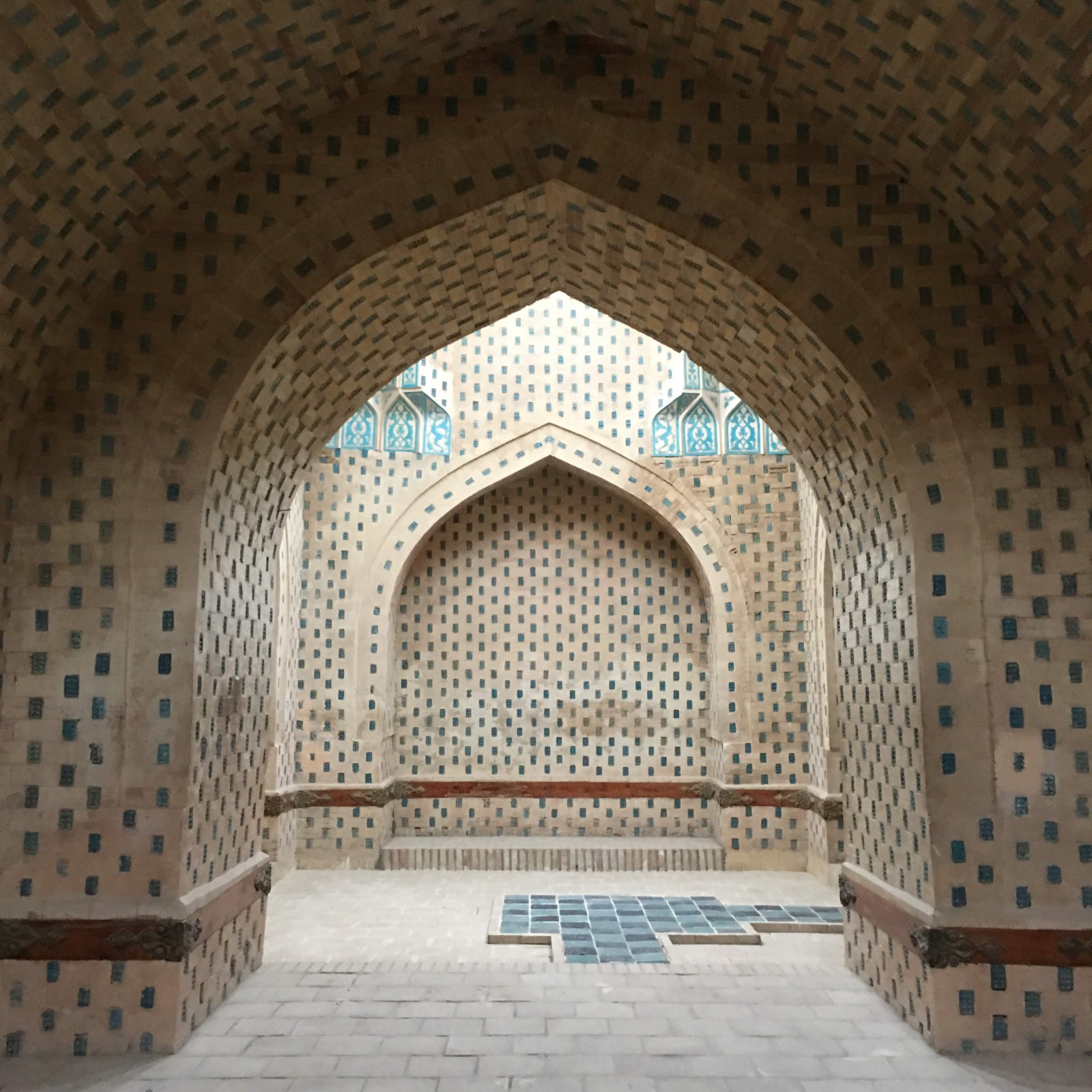
Mizdarkhan
Ancient necropolis with Zoroastrian and Islamic elements.
Afrasiyab (Samarkand)
Ancient Samarkand site with defensive features