
Explore the Map
Kanka, Uzbekistan
40.8065° N, 68.9854° E
About
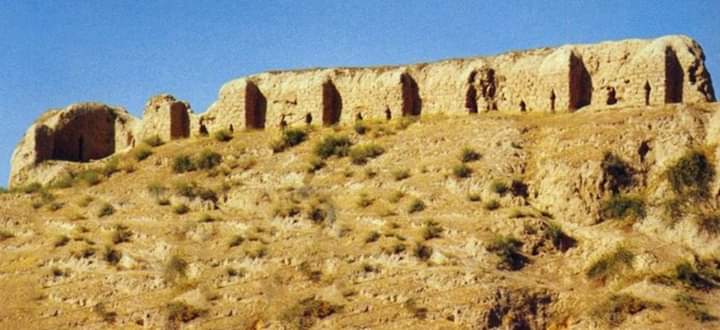
The ancient settlement of Kanka, located in Uzbekistan, represents a significant archaeological site with its intricate multi-layered fortification and unique urban planning. As the original capital of the Chach state, it showcases a complex structure comprising a citadel, three Shakhristans, and a rabad, reflecting different phases of urban development from the 4th century BCE onwards. The site is fortified with monumental walls, towers, and bastions. It features a governor's palace, temples, industrial workshops, and a bustling marketplace, emphasizing its historical and cultural importance. The presence of a suspension bridge and caravanserai indicates the role Kanka played in trade along the Great Silk Road. The settlement's evolution over centuries highlights its significance as a cultural and economic hub in the region during the Classical and Post-Classical periods.
Gallery
Explore photographs of ancient structures, artifacts, and archaeological excavations
Historical Timeline
Journey through time and discover key events in this site's history
City Appearance
4th century BCE
First Capital of Chach
Later centuries BCE
Shakhristan I Development
6th-7th century CE
Shakhristan III Planning
11th-12th century CE
Archaeological Features
Unique architectural and cultural elements found at this historical site
Defensive Structures
Public and Civic Structures
Industrial and Craft Structures
Religious and Ritual Structures
Domestic and Habitation Structures
Transportation and Communication Structures
Frequently Asked Questions
Plan Your Visit
Tours, travel arrangements, and practical information
More Sites in Uzbekistan
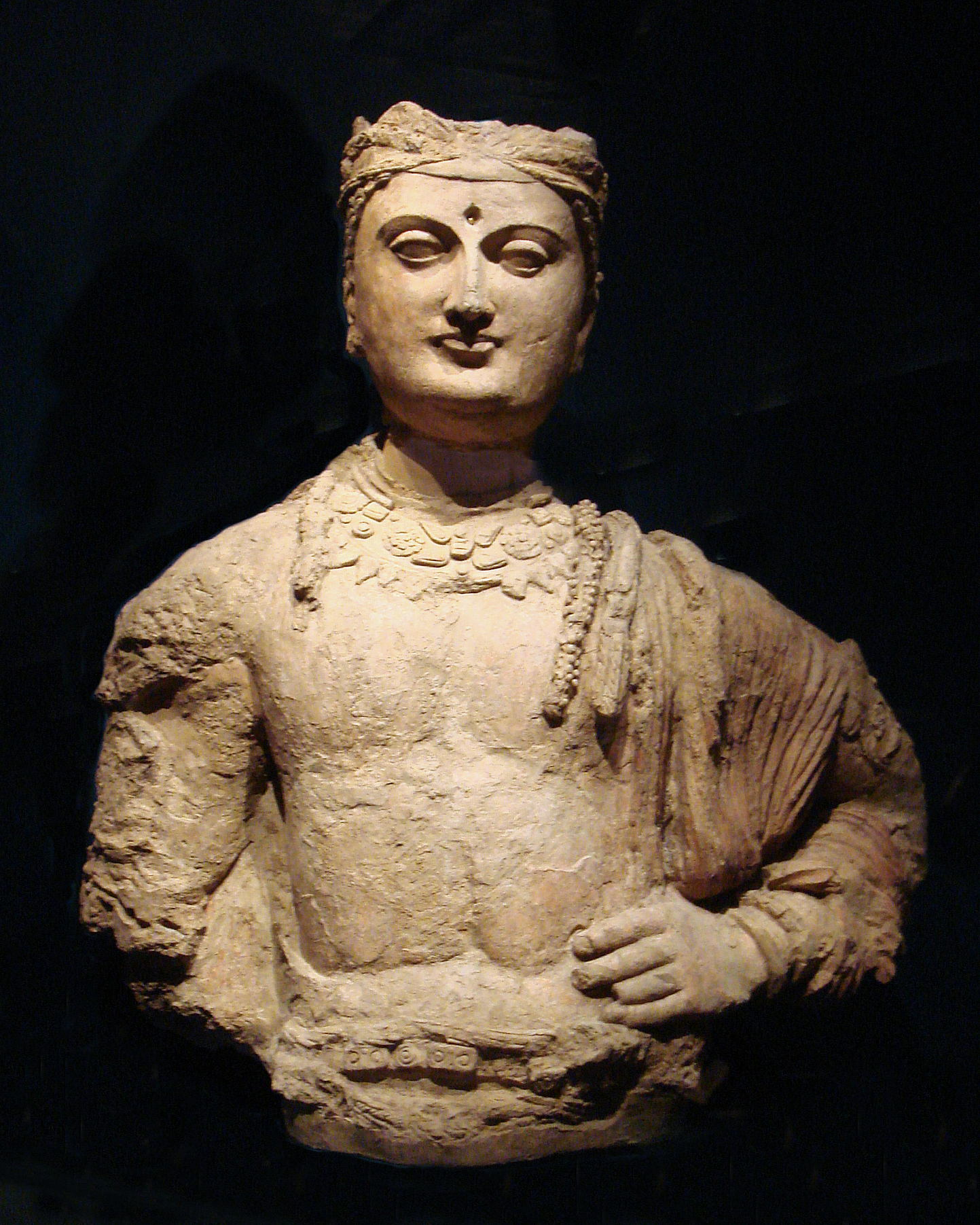
Dalverzin Tepe
Ancient fortified Kushan city with temples.

Varakhsha
Ancient city in Bukhara oasis, Sogdia.
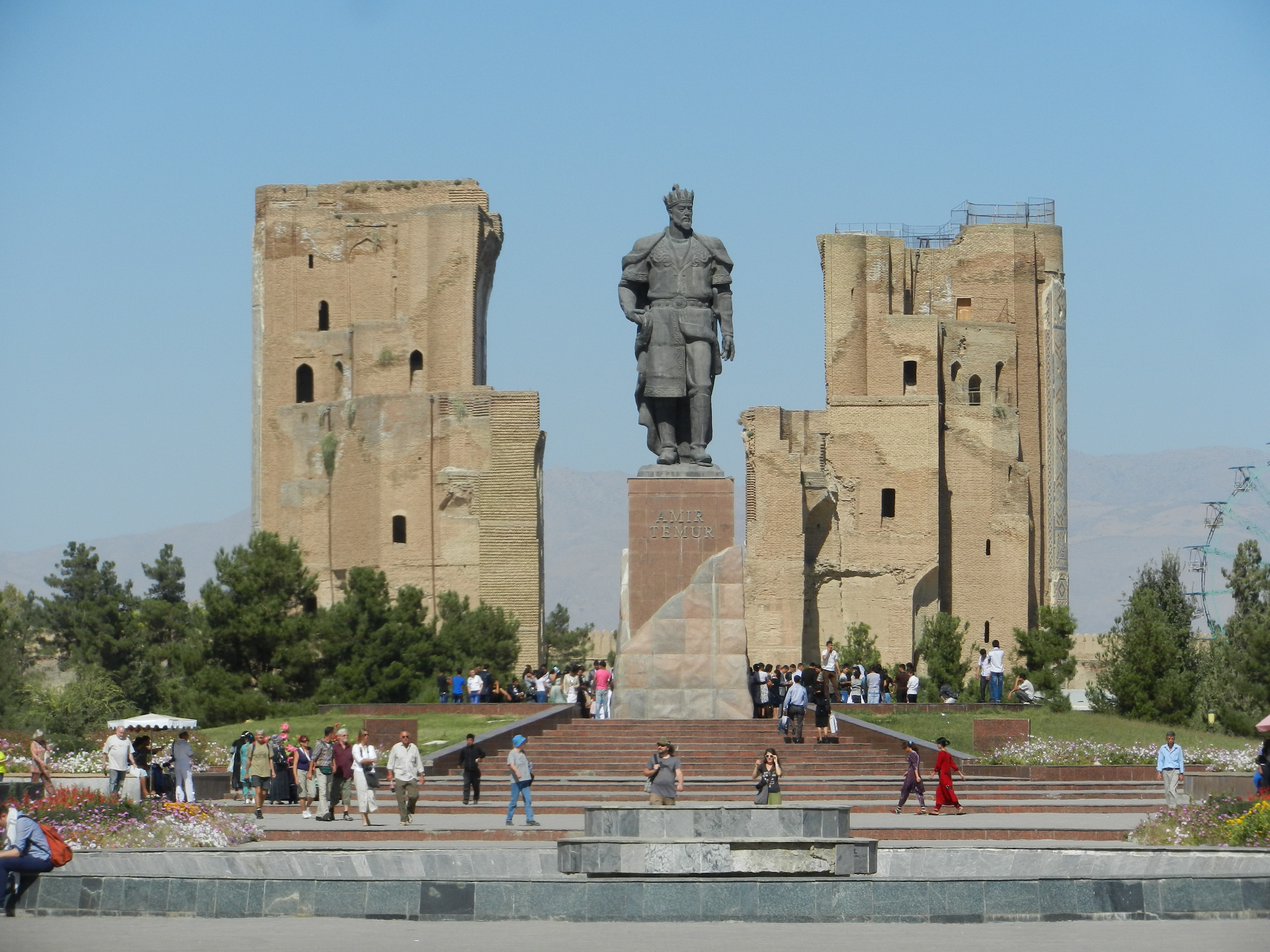
Shahrisabz
Ancient Central Asian city with rich history.
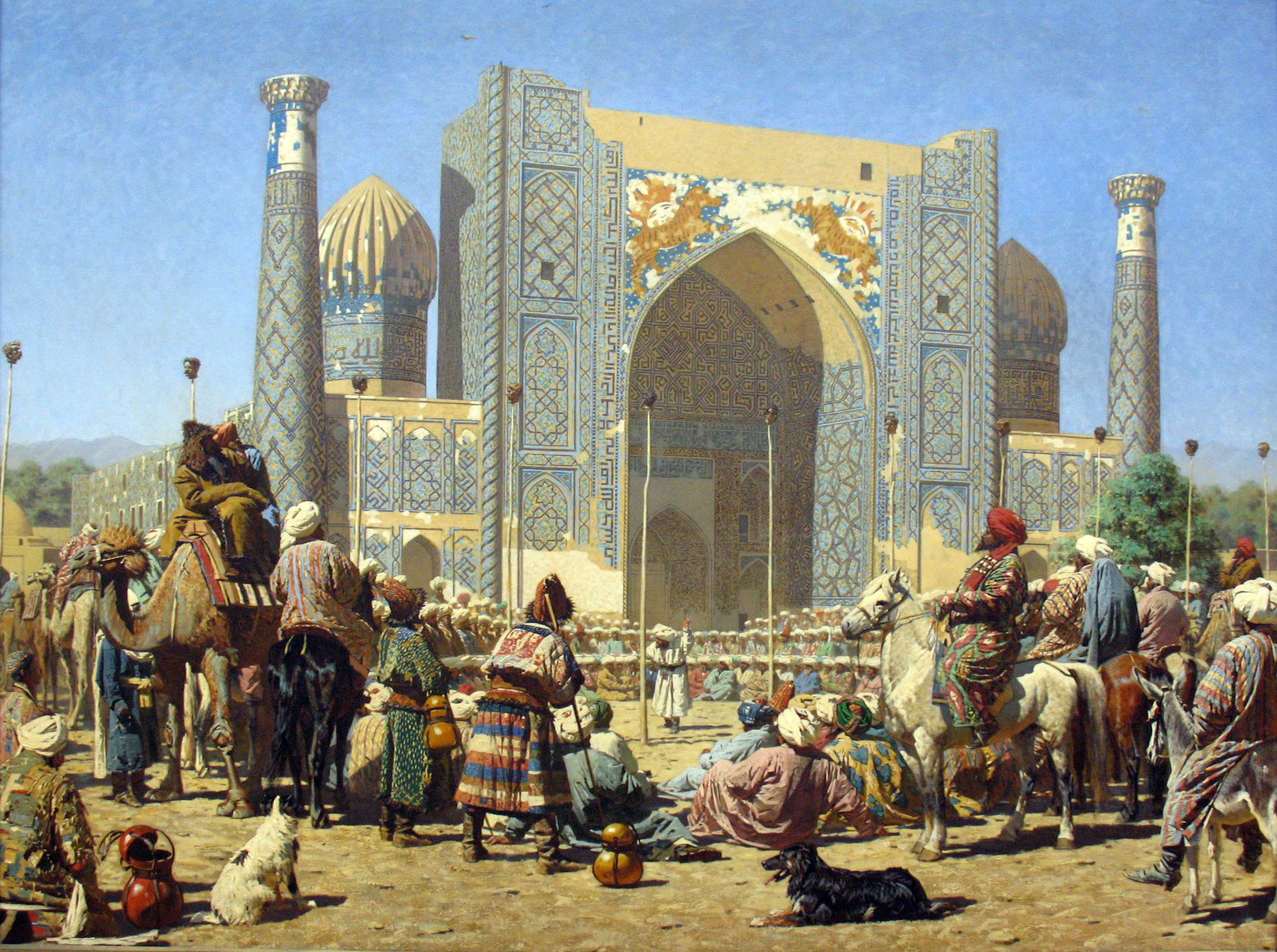
Samarkand
Ancient city with rich cultural heritage
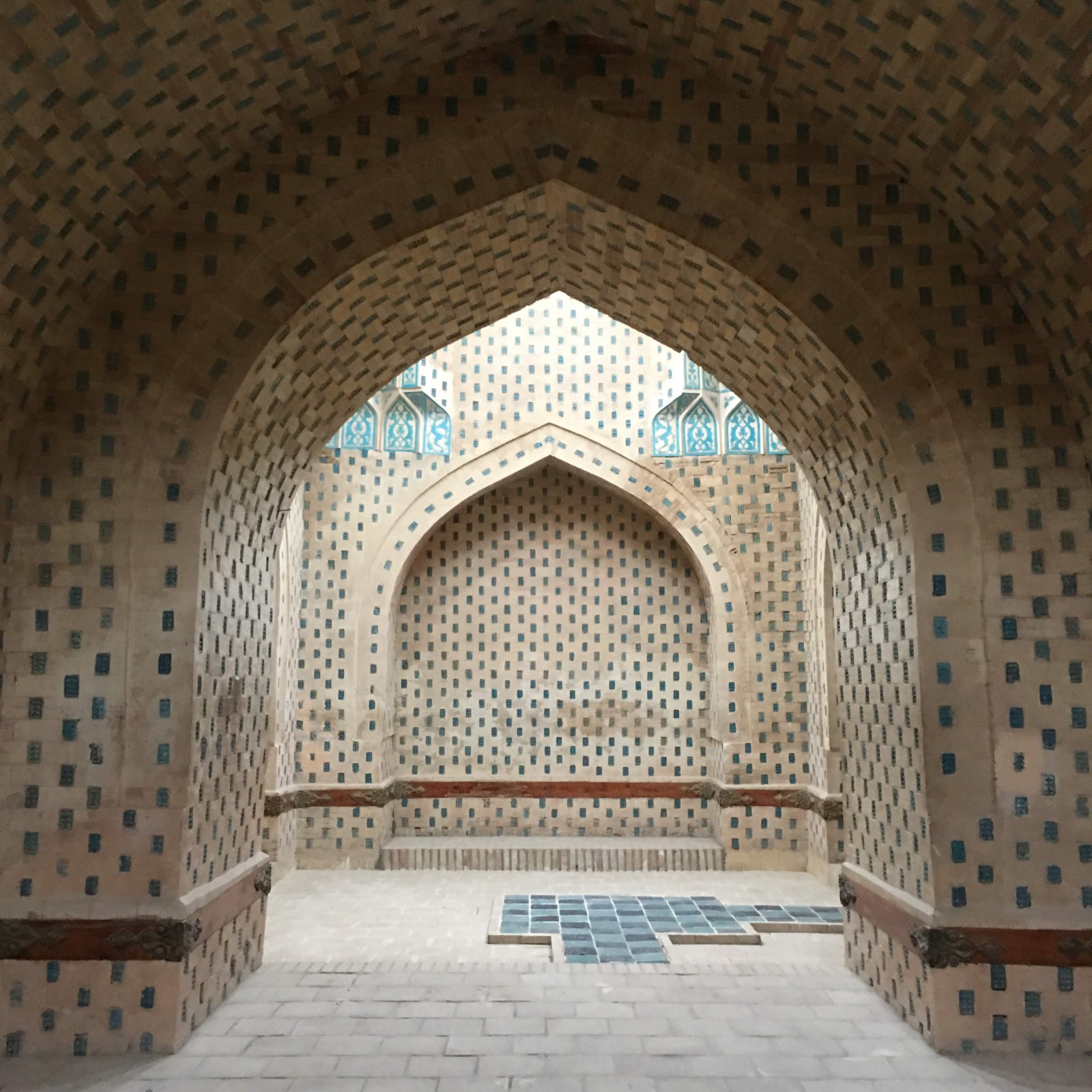
Mizdarkhan
Ancient necropolis with Zoroastrian and Islamic elements.
Afrasiyab (Samarkand)
Ancient Samarkand site with defensive features