Explore the Map
Fayaz Tepe
37.2863° N, 67.1880° E
About
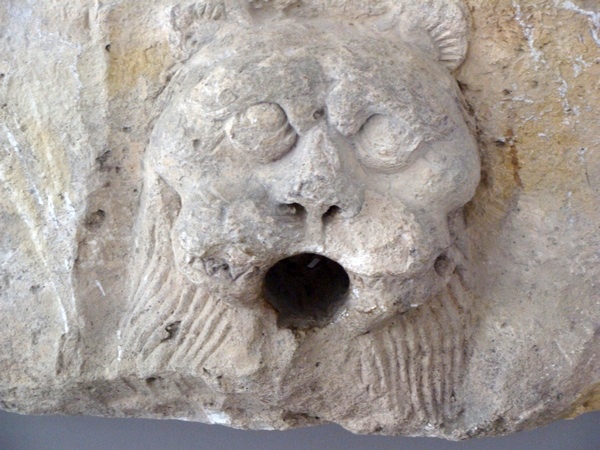
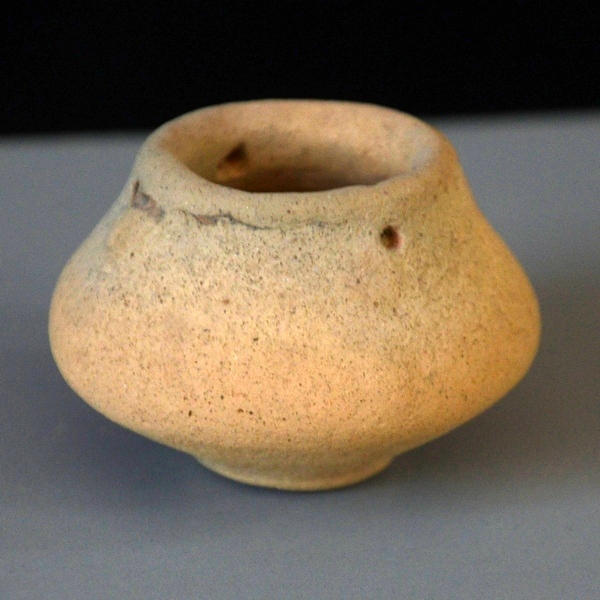
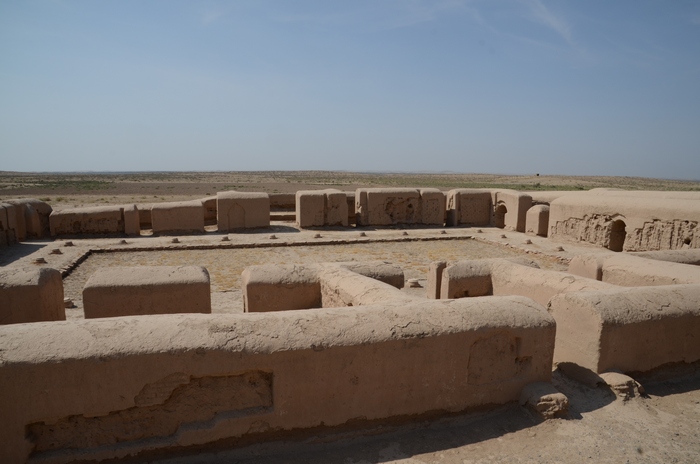
Fayaz Tepe is a significant archaeological site located near Termez in southern Uzbekistan. This Buddhist complex, dating from the 1st century CE, reached its zenith during the 3rd and 4th centuries CE under the Kushan Empire. The site features a unique arrangement of religious structures, including a central temple, a northwest monastery, and an unconventional stupa placed parallel to the sacred altar. Artistic elements such as colorful murals, statues, and reliefs adorn the temple walls, depicting Buddha and other figures. Water management is evidenced by a trapezoidal pond linked to Kushan art. The site experienced a decline in the 5th century CE, likely due to the Kushano-Sassanian invasion, and was later utilized by the Ephthalites and eventually destroyed during Arab conquests. Its rich historical context and artifacts provide valuable insights into Buddhist traditions and cultural exchanges in ancient Central Asia.
Gallery
Explore photographs of ancient structures, artifacts, and archaeological excavations
Historical Timeline
Journey through time and discover key events in this site's history
Foundation of Fayaz Tepe
1 CE
Peak Activity
200-400 CE
Invasion and Decline
400 CE
Archaeological Features
Unique architectural and cultural elements found at this historical site
Water Management Features
Religious and Ritual Structures
Artistic and Decorative Features
Domestic and Habitation Structures
Frequently Asked Questions
Plan Your Visit
Tours, travel arrangements, and practical information
More Sites in Uzbekistan
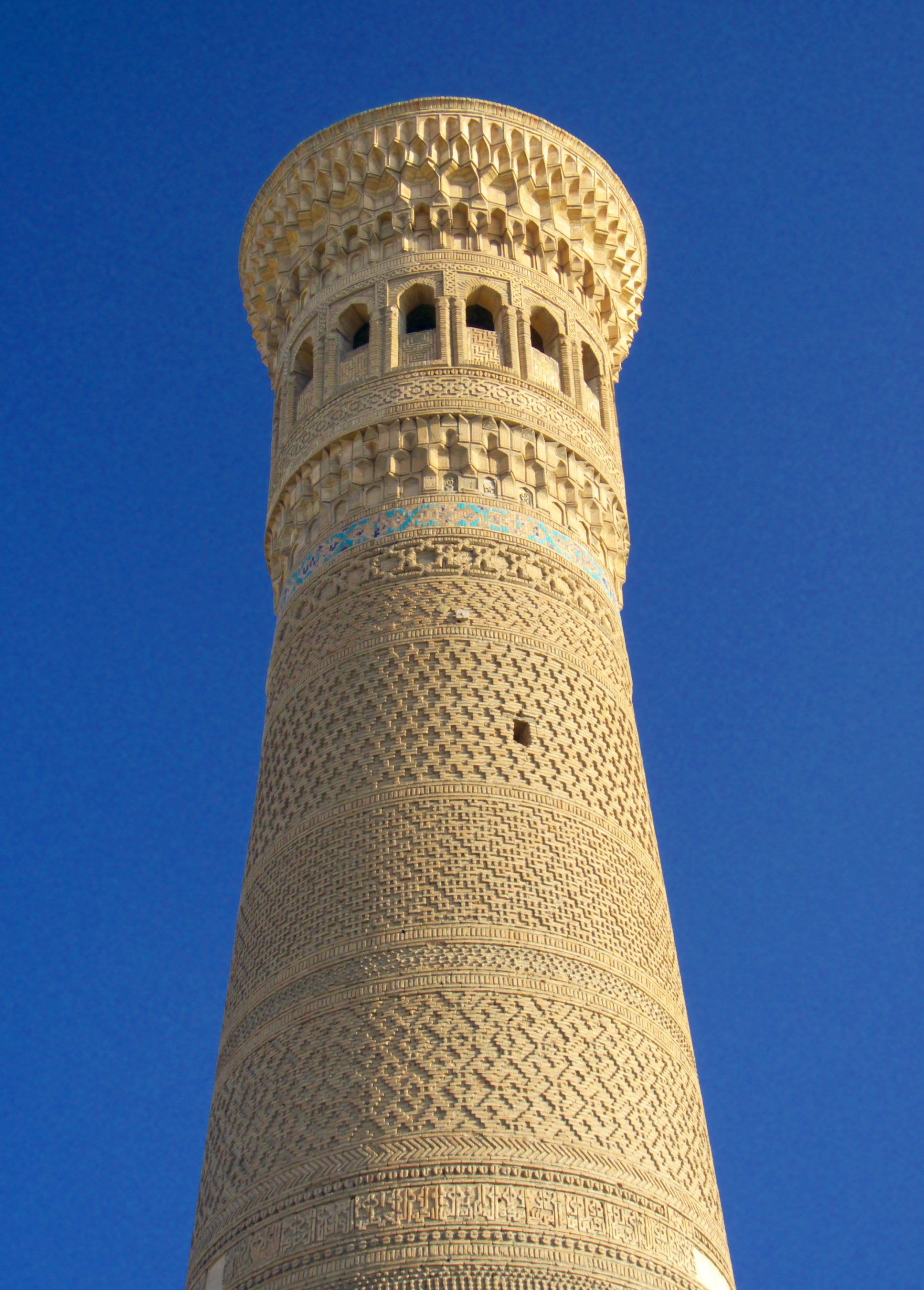
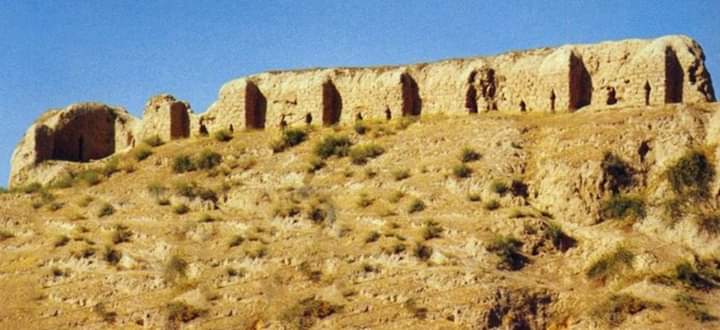
Kanka, Uzbekistan
Ancient multi-layered fortified settlement.
Afrasiyab (Samarkand)
Ancient Samarkand site with defensive features
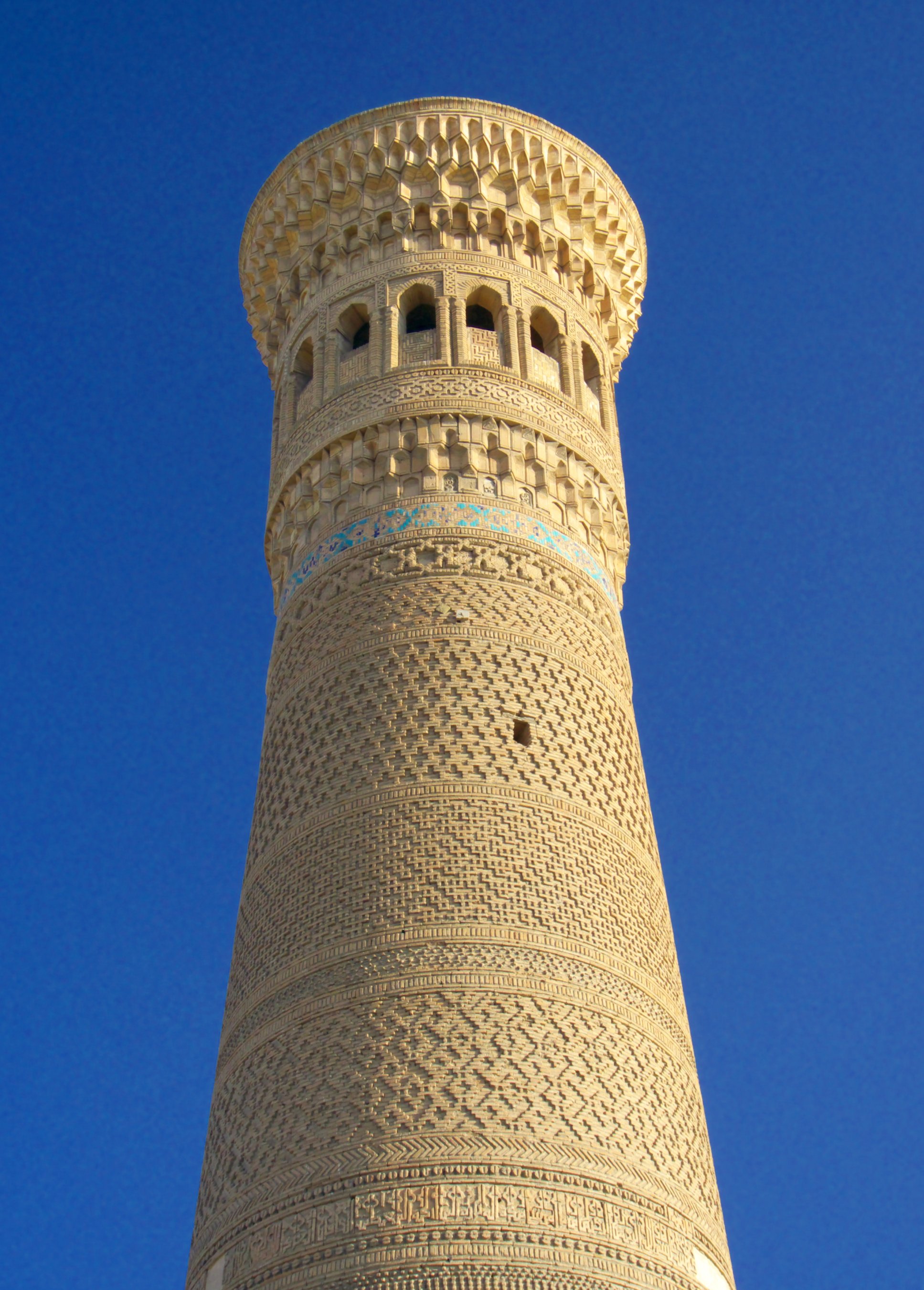
Varakhsha
Ancient city in Bukhara oasis, Sogdia.
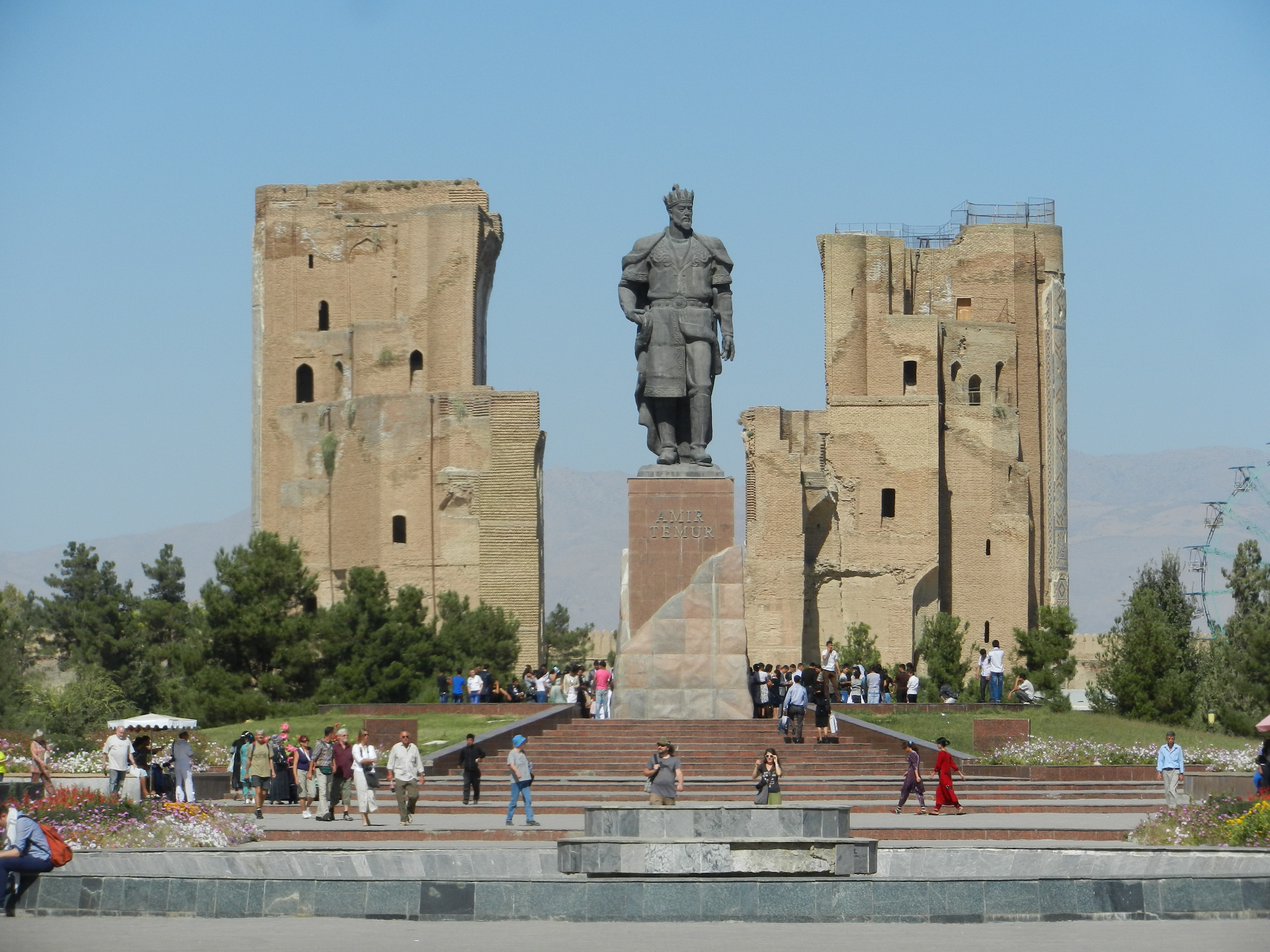
Shahrisabz
Ancient Central Asian city with rich history.
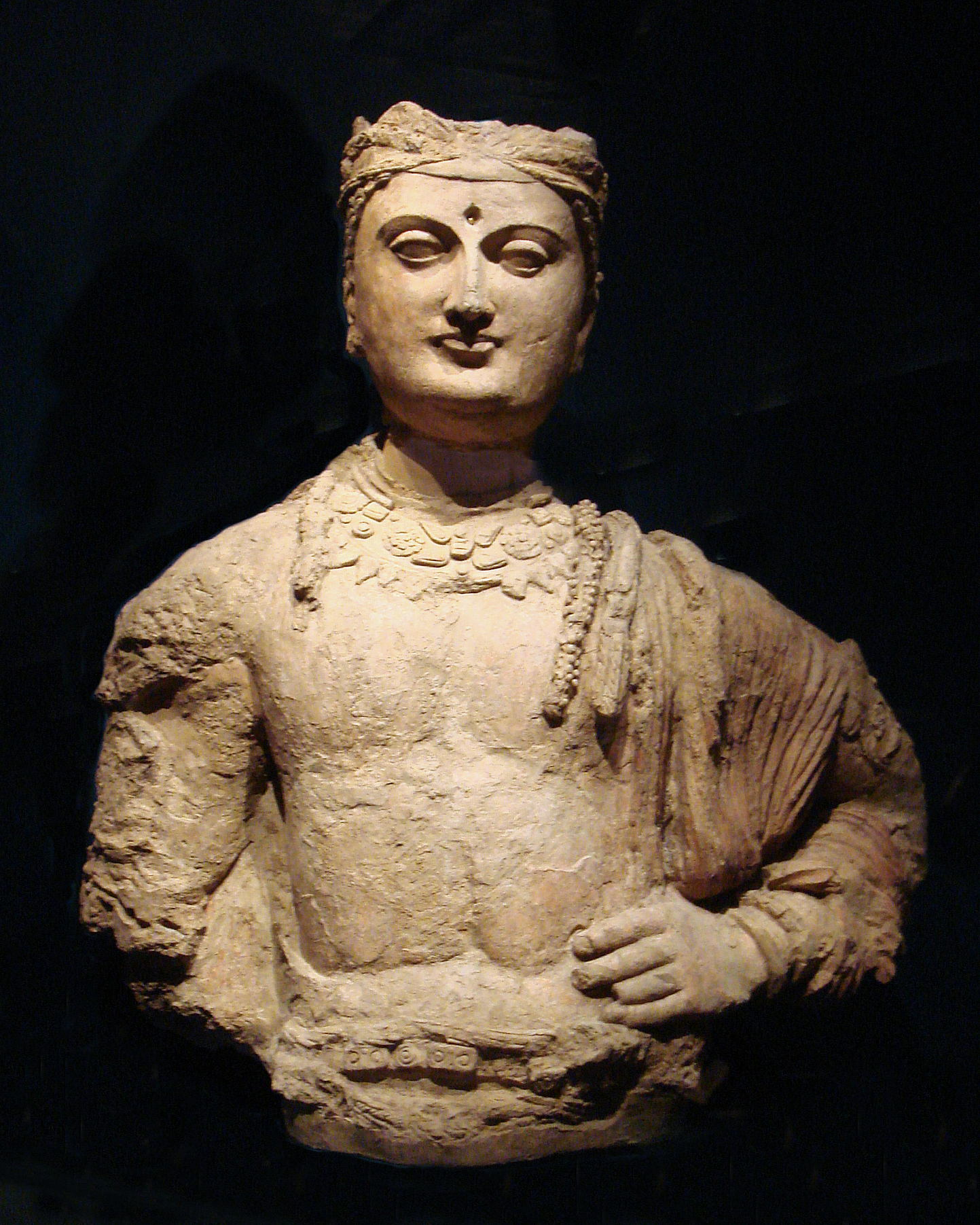
Dalverzin Tepe
Ancient fortified Kushan city with temples.
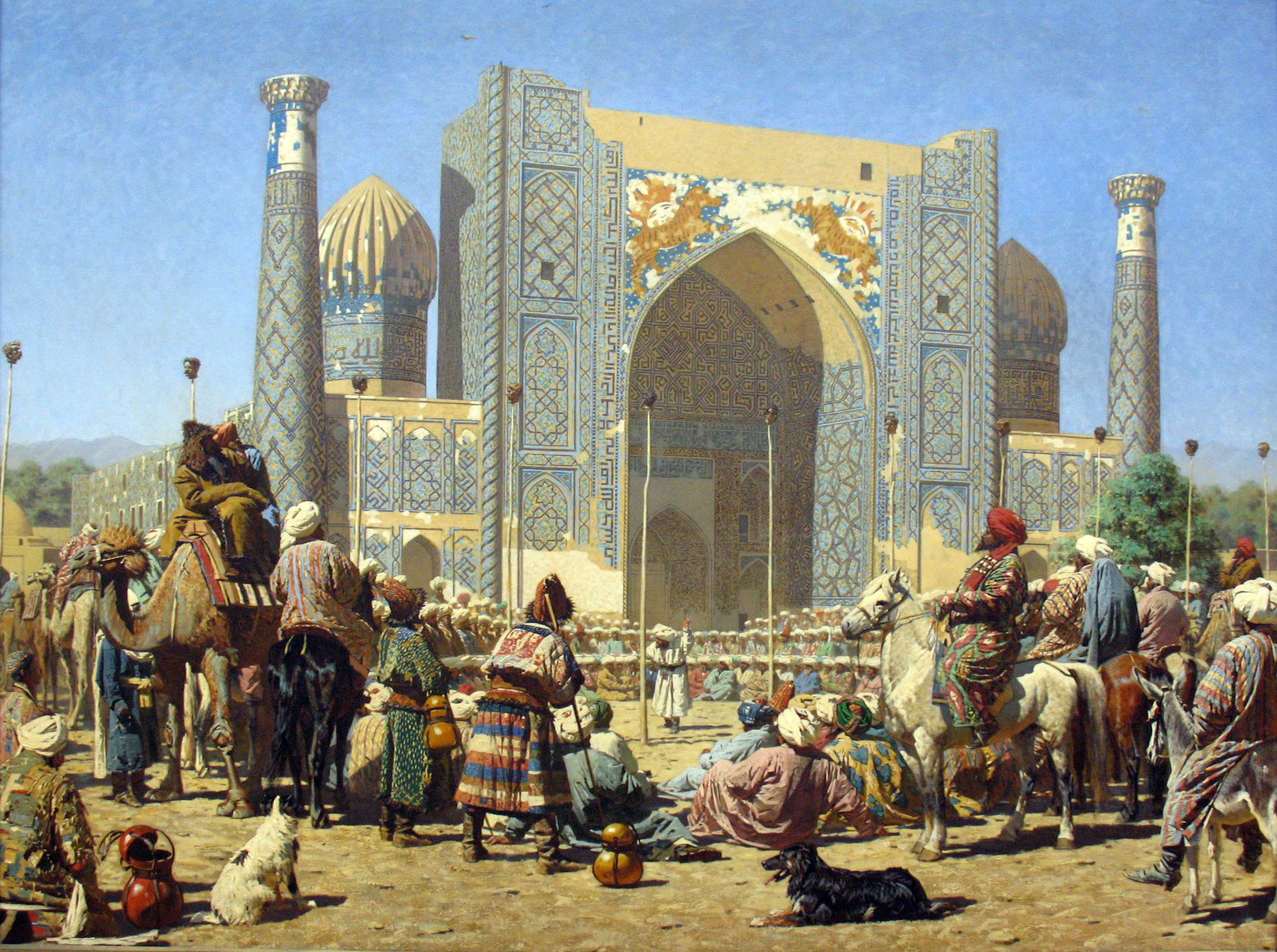
Samarkand
Ancient city with rich cultural heritage