Explore the Map
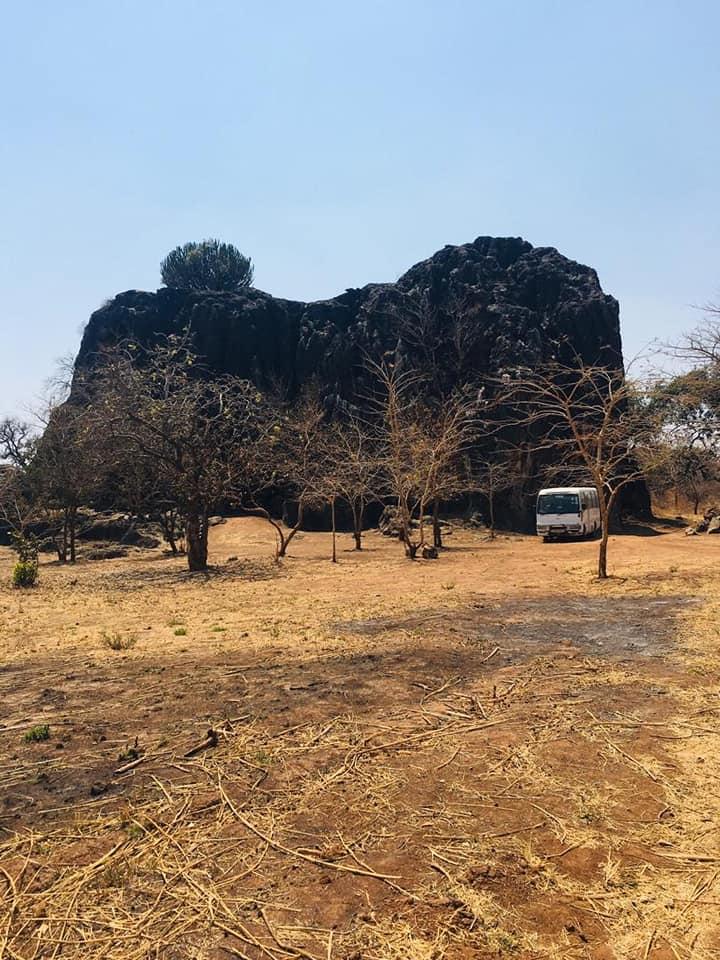
Gwisho Hot-Springs
-15.9867° N, 27.2419° E
About
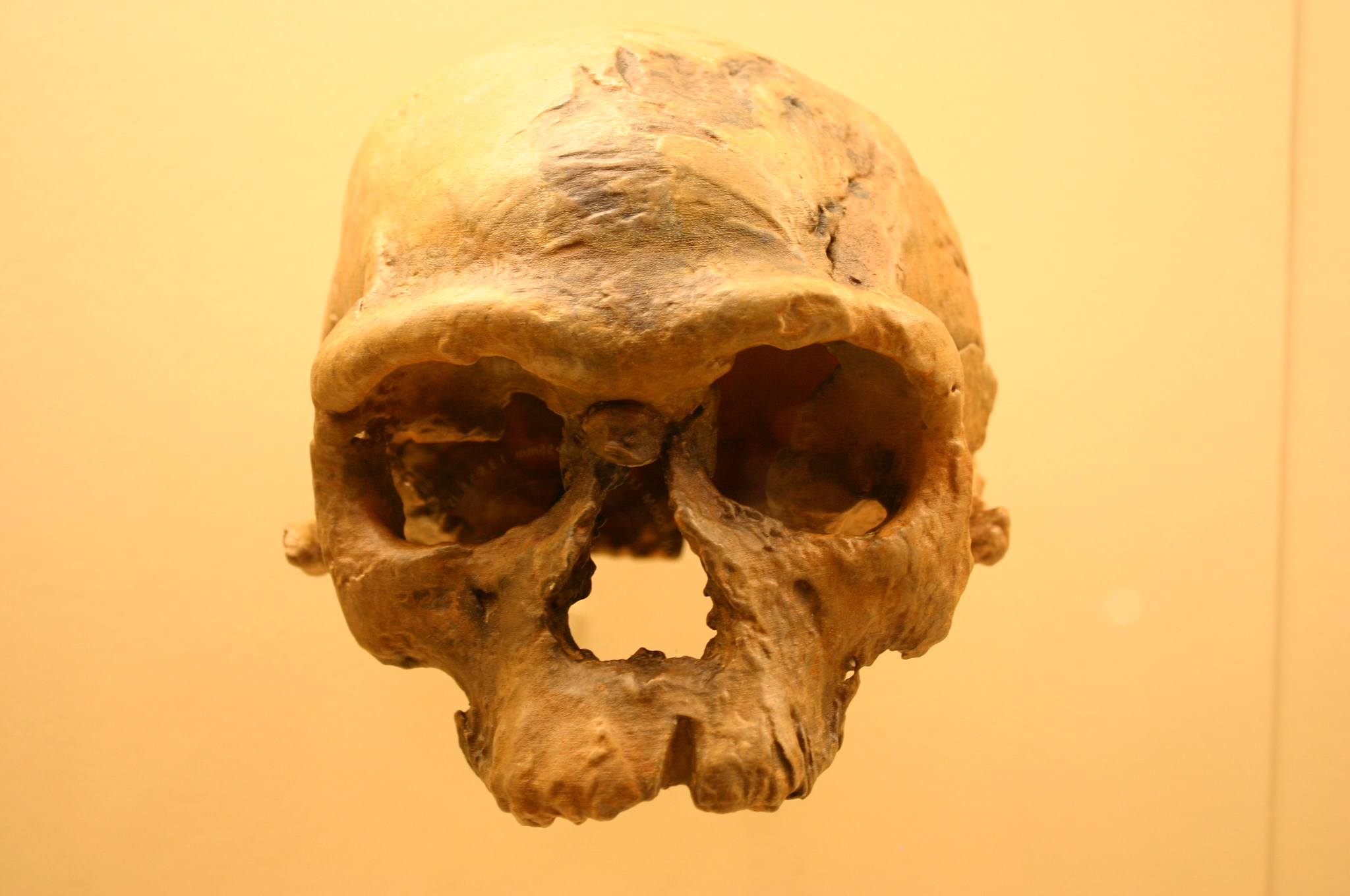
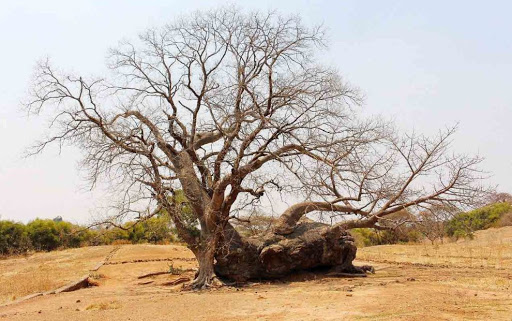
The Gwisho hot-springs in Lochinvar National Park, Zambia, is a significant archaeological site, renowned for its well-preserved animal and plant remains. Excavations have revealed a rich array of faunal remains and quartz tools, offering insights into the region's prehistoric economic and technological practices. Radiocarbon dating places human activity at the site between 2750 and 2340 BCE, indicating settlements dating back to the Neolithic and Chalcolithic periods. The presence of organic remains, wooden artifacts, and animal bones suggests a subsistence strategy reliant on hunting, trapping, and possibly fishing. The site's stratigraphy includes layers of sterile soil and rich organic deposits, providing invaluable data on environmental conditions and human adaptation strategies. The Gwisho hot-springs offer a unique window into the lives of early human inhabitants of the Kafue Flats, contributing significantly to our understanding of African prehistory.
Historical Timeline
Journey through time and discover key events in this site's history
Twigs sample
2835 BCE
Human activity at Gwisho
2750 BCE
Charcoal sample
1730 BCE
Hut grass layer and wood
1710 BCE
Archaeological Features
Unique architectural and cultural elements found at this historical site
Burial and Funerary Structures
Environmental and Natural Features
Food Production and Processing Features
Plan Your Visit
Tours, travel arrangements, and practical information