Explore the Map
Mumbwa Caves
-15.0367° N, 26.6081° E
About
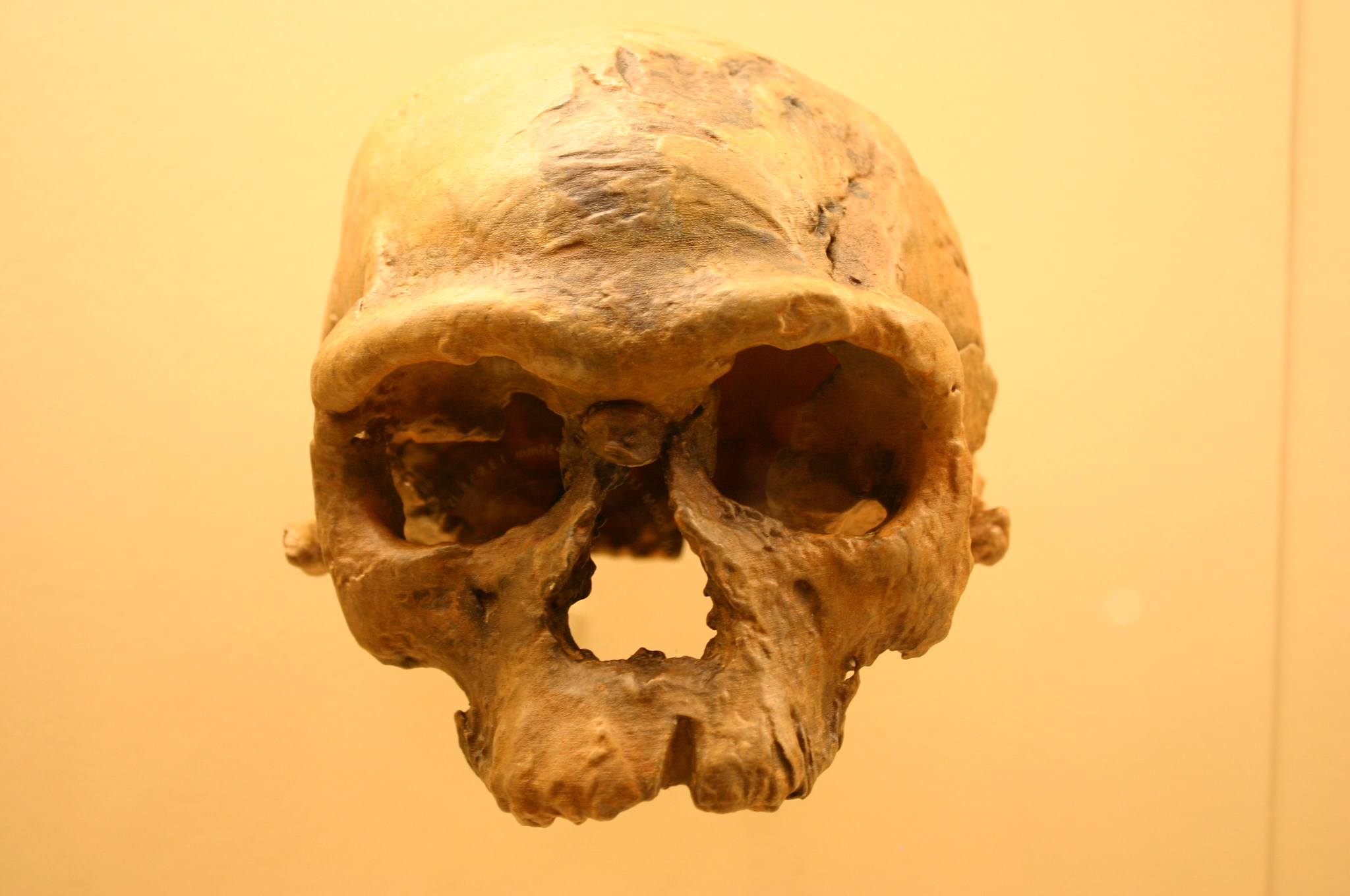
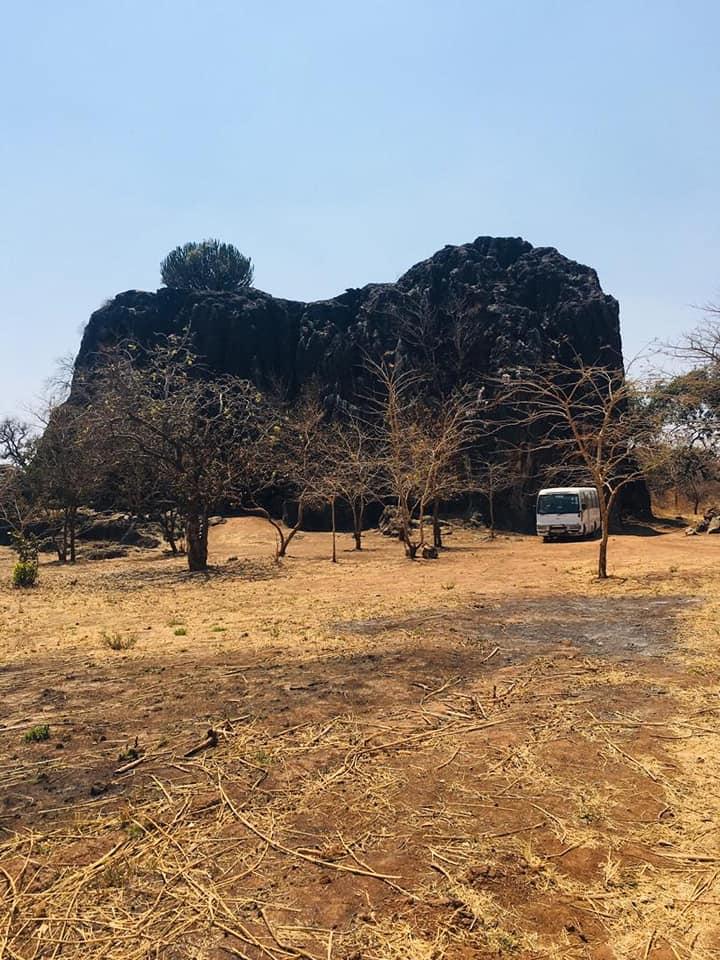
The Mumbwa Caves in Zambia offer a rich archaeological record, with stratified deposits providing insight into human occupation from the Mesolithic through to the Iron Age. These caves reveal complex behavioral patterns of early humans, as evidenced by the selection of raw materials for tool-making and the use of hearths and windbreaks to adapt to environmental conditions. Excavations at the site have uncovered a significant number of artifacts, including lithics from different periods, highlighting the technological evolution over time. The site is crucial for understanding the late Pleistocene prehistory of south central Africa, with its well-preserved features such as hearths and modified caves. Overall, the Mumbwa Caves stand as a testament to the adaptability and ingenuity of early human populations in the region.
Gallery
Explore photographs of ancient structures, artifacts, and archaeological excavations
Historical Timeline
Journey through time and discover key events in this site's history
Mesolithic occupation
10,000 BCE
Neolithic occupation
8,000 BCE
Iron Age occupation
1,200 BCE
Archaeological Features
Unique architectural and cultural elements found at this historical site
Domestic and Habitation Structures
Environmental and Natural Features
Food Production and Processing Features
Plan Your Visit
Tours, travel arrangements, and practical information