Explore the Map
Kalemba Rockshelter
-14.1167° N, 32.0500° E
About
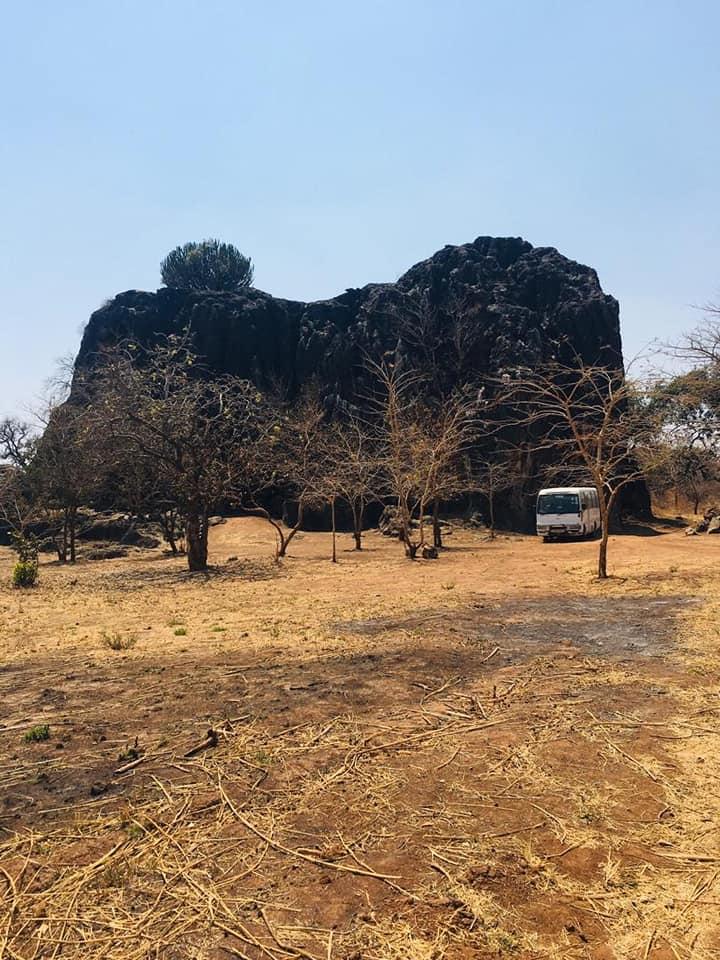
The Kalemba Rockshelter in eastern Zambia is a significant archaeological site featuring a well-preserved record of human activity spanning several millennia. Discovered in 1955, this site is located within a granite gneiss outcrop and includes two main shelters with notable rock paintings. Radiocarbon dating indicates human occupation dating back approximately 37,000 years, encompassing the Upper Paleolithic through the Neolithic periods. The site's stratigraphy reveals diverse artifacts, including microliths, ground stone tools, bone artifacts, and pottery, reflecting advanced tool-making and habitation practices. The presence of human burials and rock paintings suggests a complex cultural and ritualistic life. Kalemba Rockshelter thus provides critical insights into early human adaptation and artistic expression in this region of Africa.
Historical Timeline
Journey through time and discover key events in this site's history
Period 1 Human Occupation
37000 BCE
Period 2 Human Occupation
25000 BCE
Period 3 Human Occupation
15000 BCE
Period 4 Human Occupation
6000 BCE
Archaeological Features
Unique architectural and cultural elements found at this historical site
Burial and Funerary Structures
Artistic and Decorative Features
Environmental and Natural Features
Frequently Asked Questions
Plan Your Visit
Tours, travel arrangements, and practical information