
Explore the Map
Khami
-20.1583° N, 28.3767° E
About
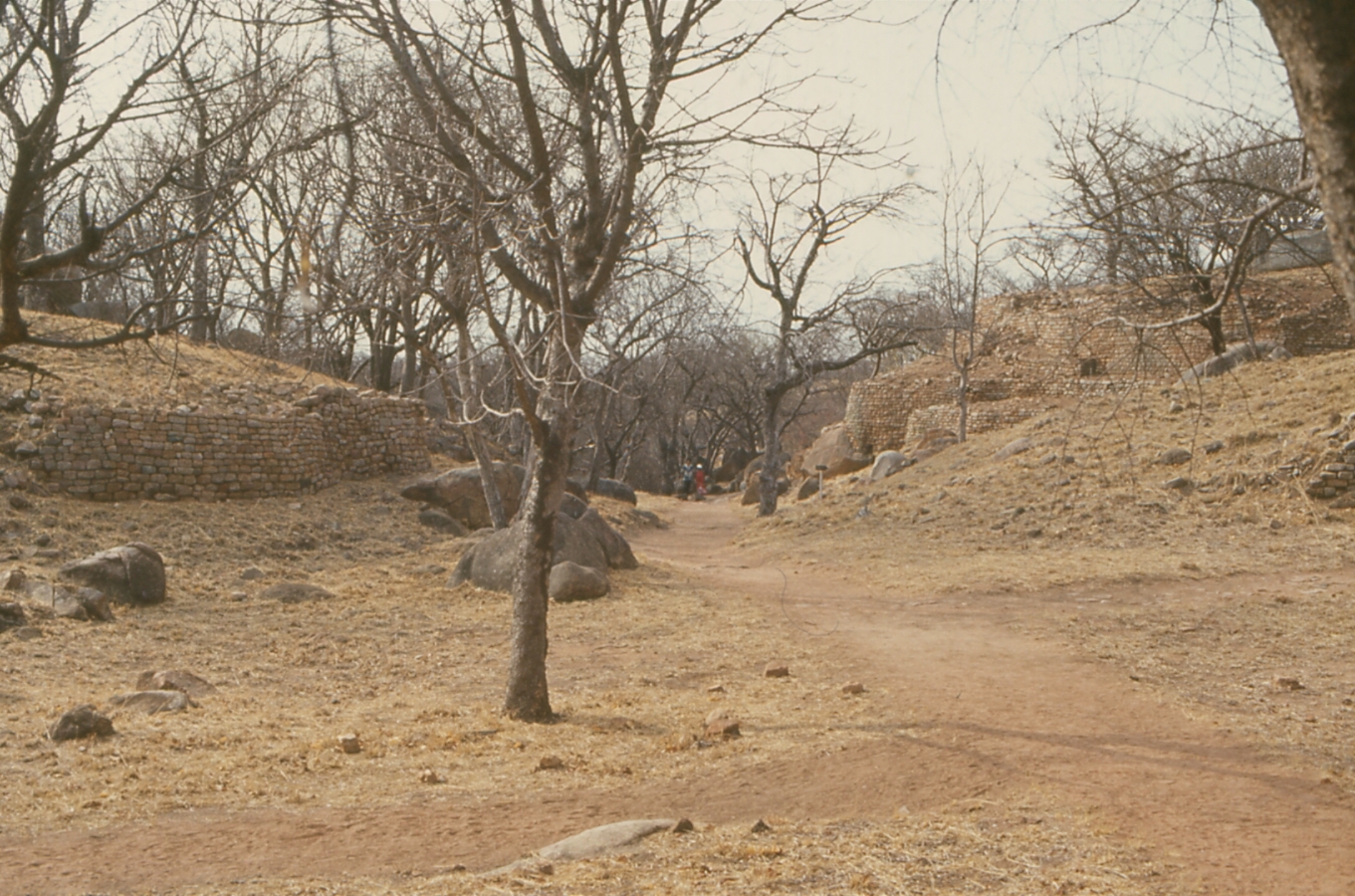
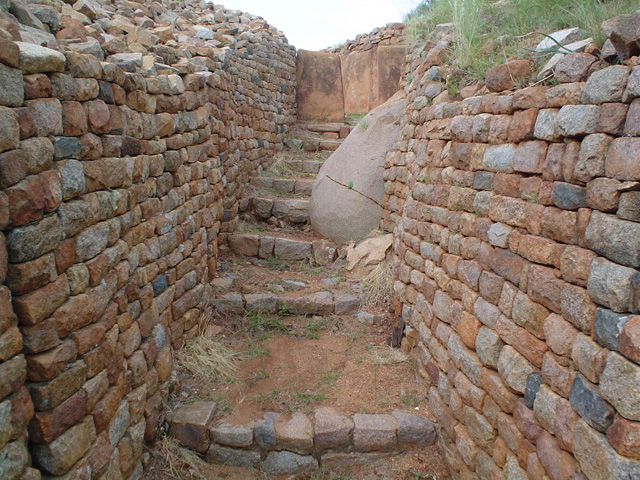
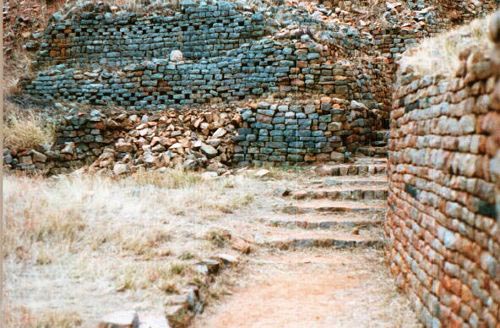
Khami, a UNESCO World Heritage Site located in Zimbabwe, is a significant archaeological site that was once the capital of the Kingdom of Butua under the Torwa dynasty. The site showcases an innovative architectural style that evolved from Great Zimbabwe, featuring unique dry stone retaining walls decorated with intricate patterns such as checkerboard and herringbone. These structures supported platforms that provided cooler living conditions and malaria protection for the royals. The site also includes evidence of animal husbandry and habitation structures, such as courtyards and terraces. Founded around 1450 CE, Khami was a prominent center until its conquest by the Rozvi in 1683 CE. The site offers invaluable insights into the region's socio-political history and architectural advancements.
Gallery
Explore photographs of ancient structures, artifacts, and archaeological excavations
Historical Timeline
Journey through time and discover key events in this site's history
Khami founded
1450 CE
Rozvi conquest
1683 CE
Archaeological Features
Unique architectural and cultural elements found at this historical site
Defensive Structures
Animal Husbandry Features
Religious and Ritual Structures
Agricultural and Land Use Features
Domestic and Habitation Structures
Frequently Asked Questions
Plan Your Visit
Tours, travel arrangements, and practical information
More Sites in Zimbabwe
Bumbusi National Monument
Colossal stone walls and dwelling ruins
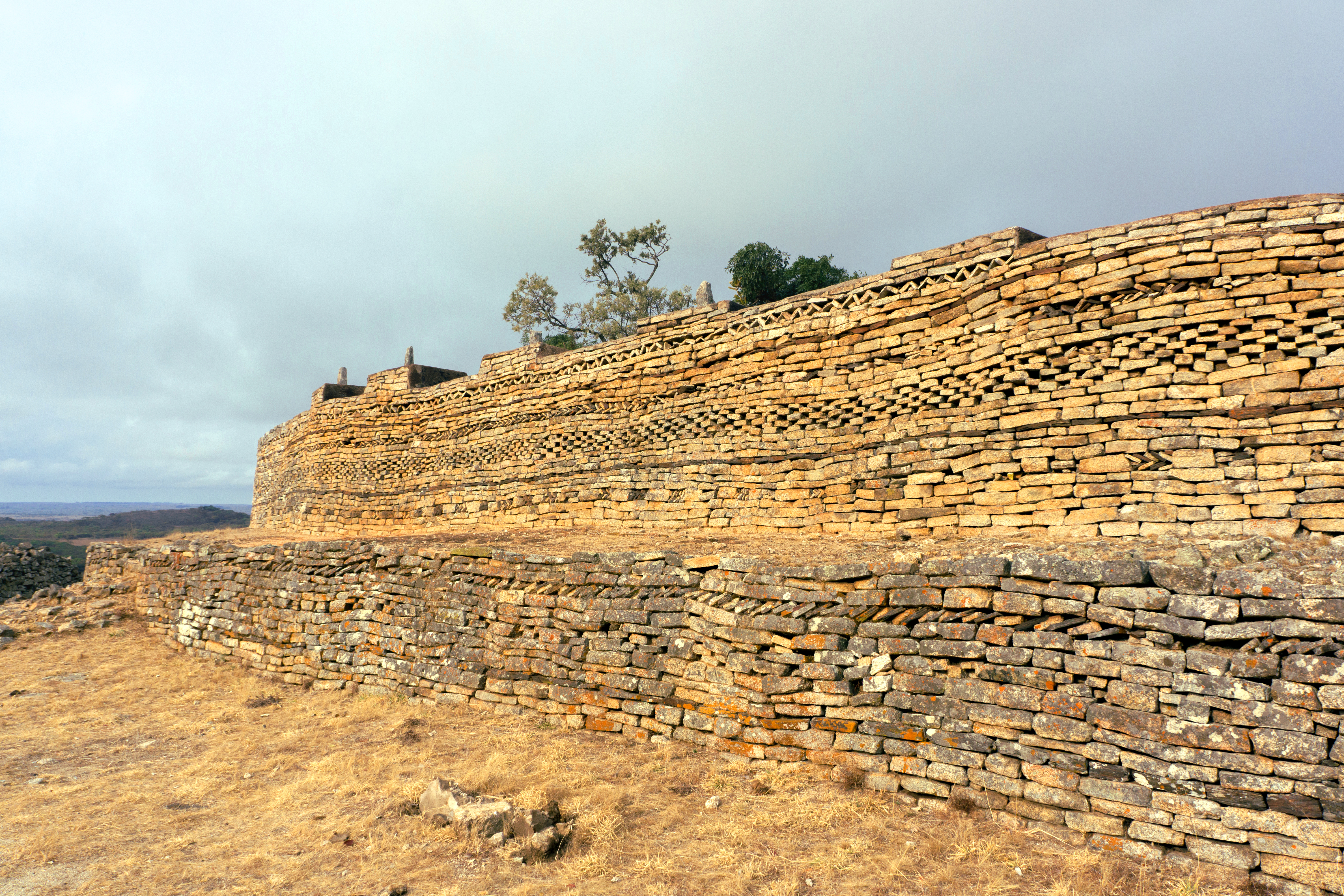
Naletale
Seventeenth-century drystone ruins in Zimbabwe.
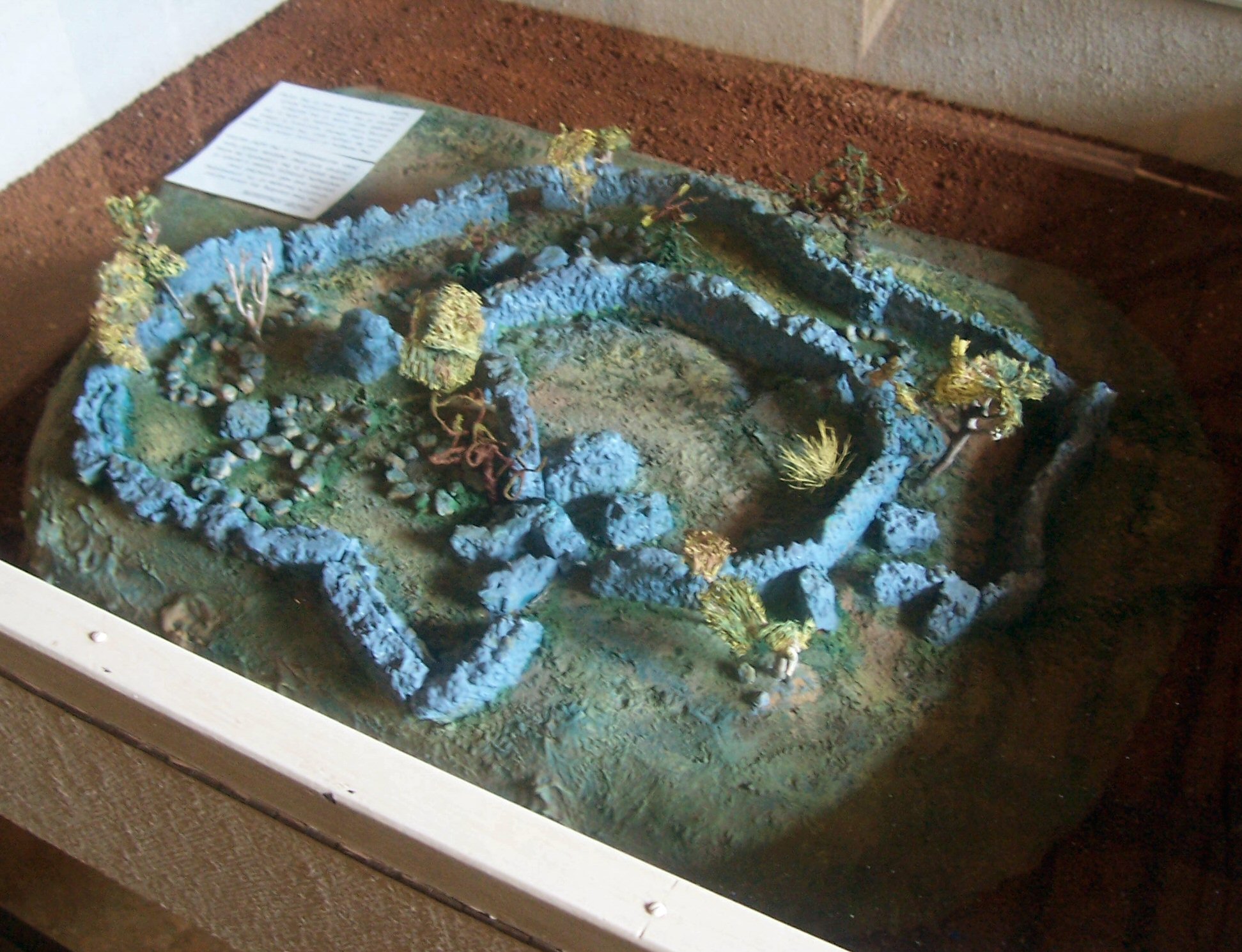
Ziwa
Iron Age agricultural settlement with terraces.
Danamombe
Ruined town with Rozvi cultural remains.
Old Bulawayo
Historic settlement, Lobengula's 19th-century capital.
Bambata Cave
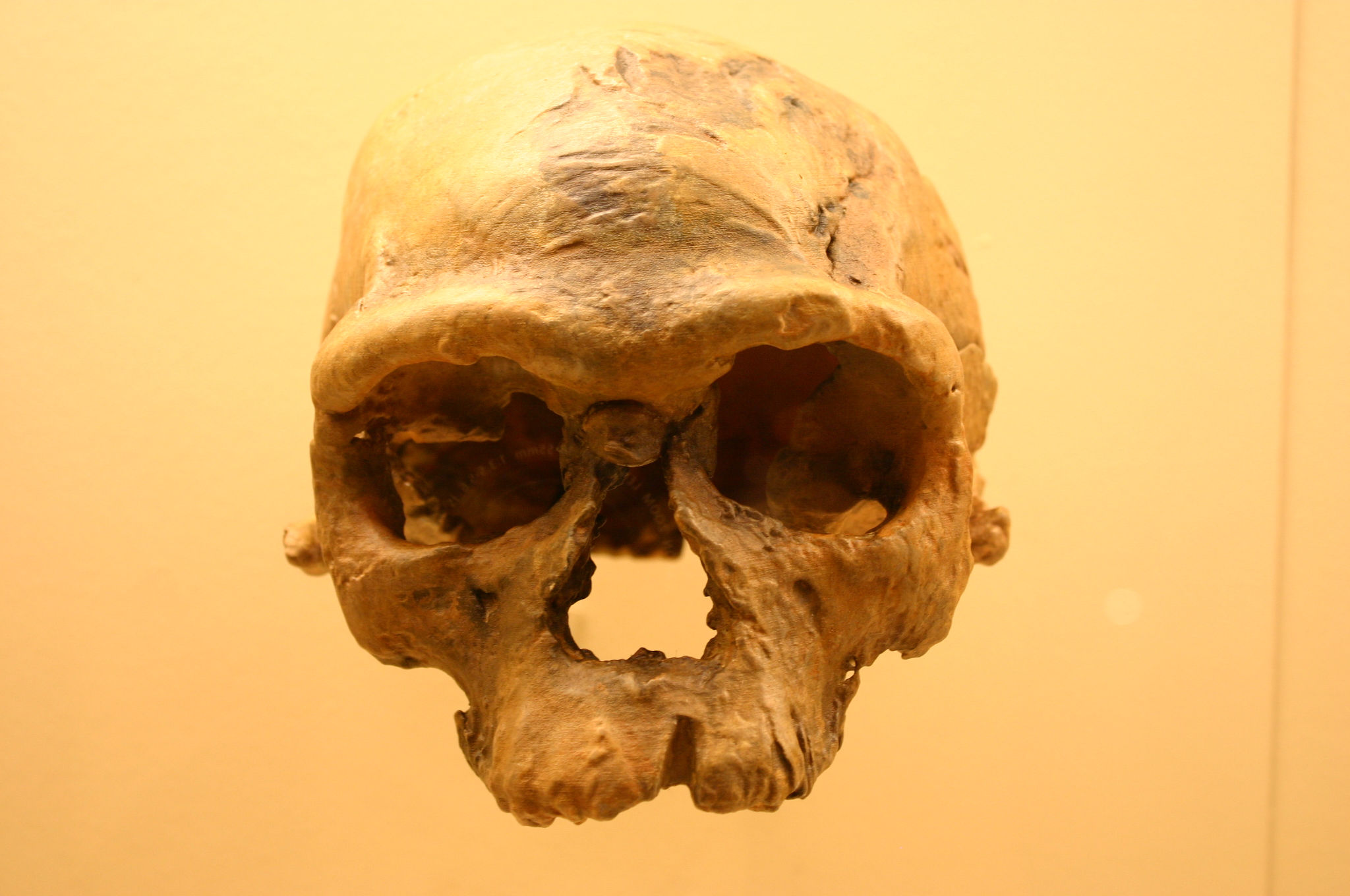
Prehistoric cave with cultural artifacts.