
Explore the Map
Bambata Cave
-20.5033° N, 28.4061° E
About
Bambata Cave, located in the Motobo National Park of Zimbabwe, is an archaeological site of considerable significance due to its rich stratification of cultural artifacts. The cave, named after the nearby Bambata Mountain, contains evidence of human occupation from the Middle Paleolithic to the Iron Age. Key finds include Wilton Industry stone tools and Mousterian tools, reflecting diverse prehistoric cultures. The site is also renowned for its unique pottery known as Bambata Ware, characterized by thinness and intricate decorations, which provides insights into the transition between the Later Stone Age and the Iron Age. The presence of cave paintings suggests that the site was used for artistic or ritualistic purposes, indicating a vibrant prehistoric community skilled in various crafts and hunting techniques.
Historical Timeline
Journey through time and discover key events in this site's history
Wilton Industry artifacts
10,000 BCE - 8,000 BCE
Bambata Ware pottery
1,200 BCE - 600 BCE
Mousterian Industry tools
300,000 years ago - 50,000 years ago
Archaeological Features
Unique architectural and cultural elements found at this historical site
Artistic and Decorative Features
Domestic and Habitation Structures
Frequently Asked Questions
Plan Your Visit
Tours, travel arrangements, and practical information
More Sites in Zimbabwe

Great Zimbabwe
Medieval stone city with dry stone constructions
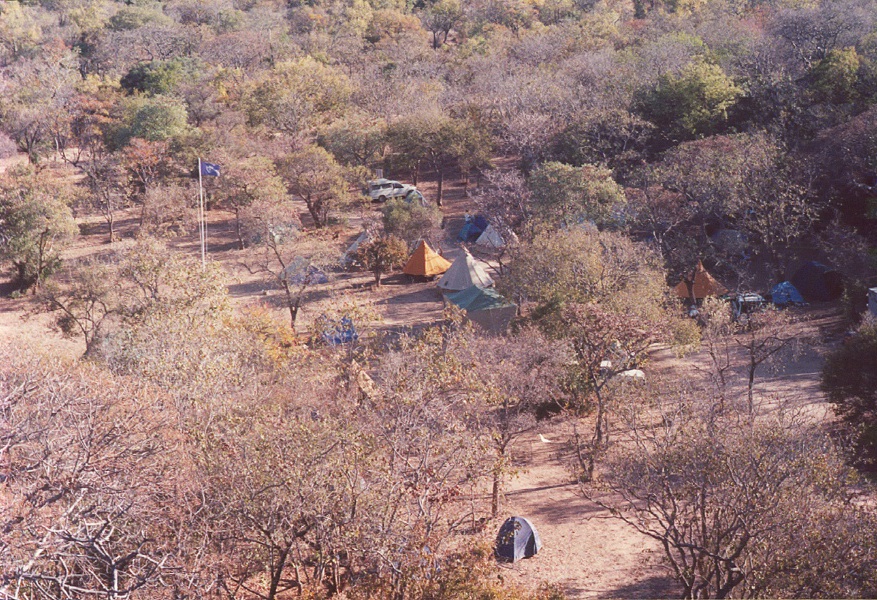
Matobo National Park
Granite kopjes, rock paintings, diverse flora and fauna
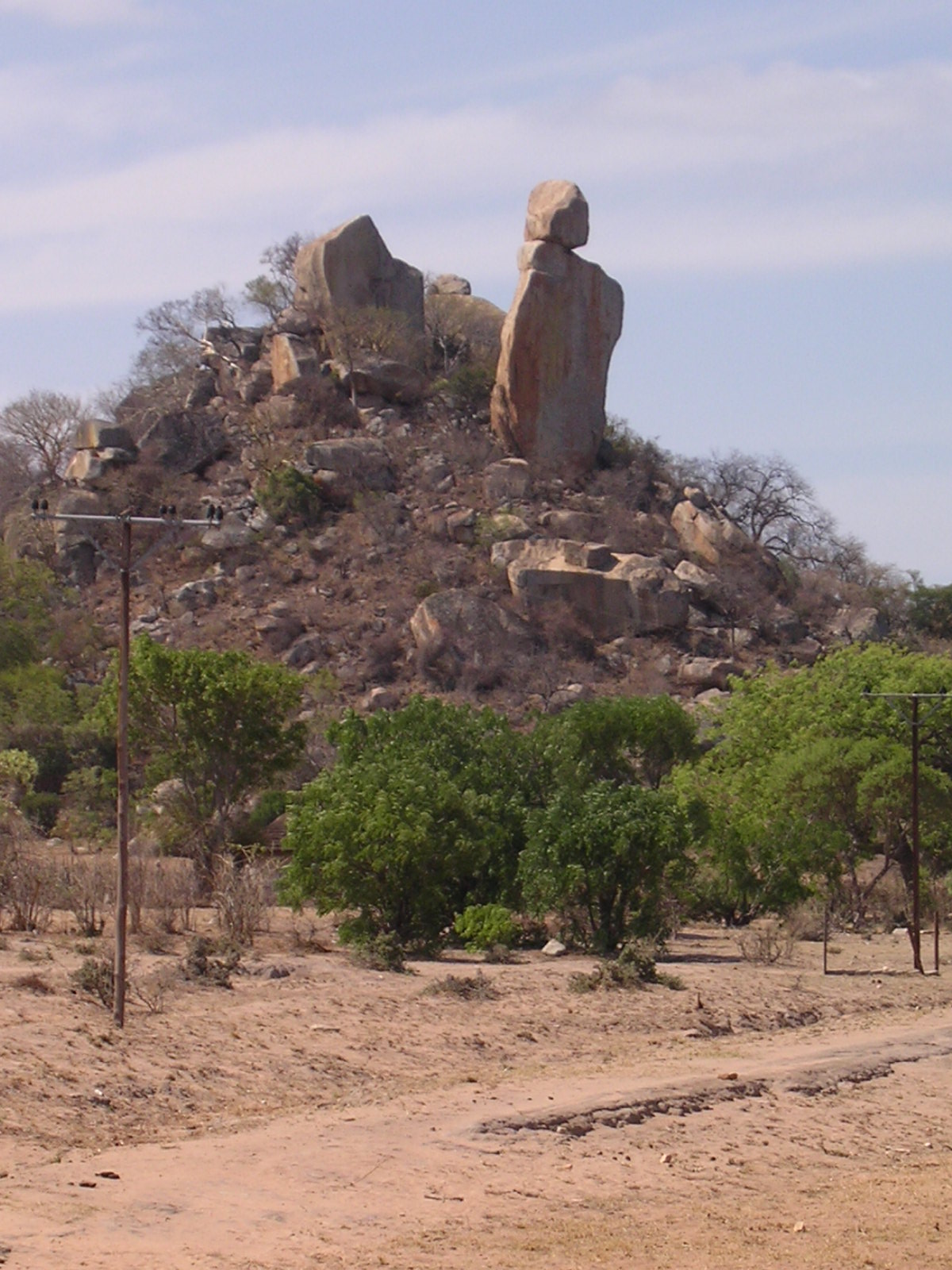
Castle Kopje
Iron Age settlement in Zimbabwe.
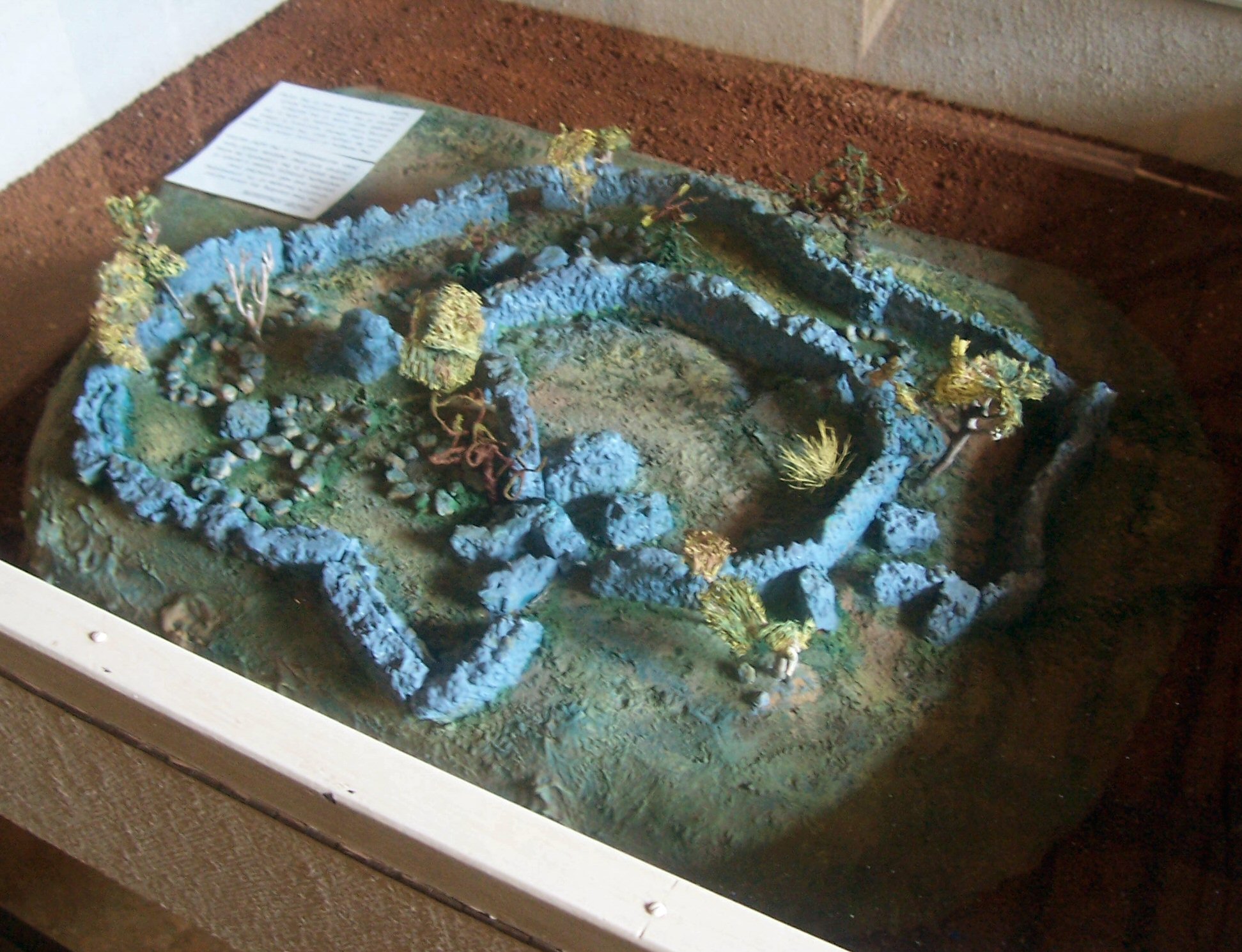
Ziwa
Iron Age agricultural settlement with terraces.
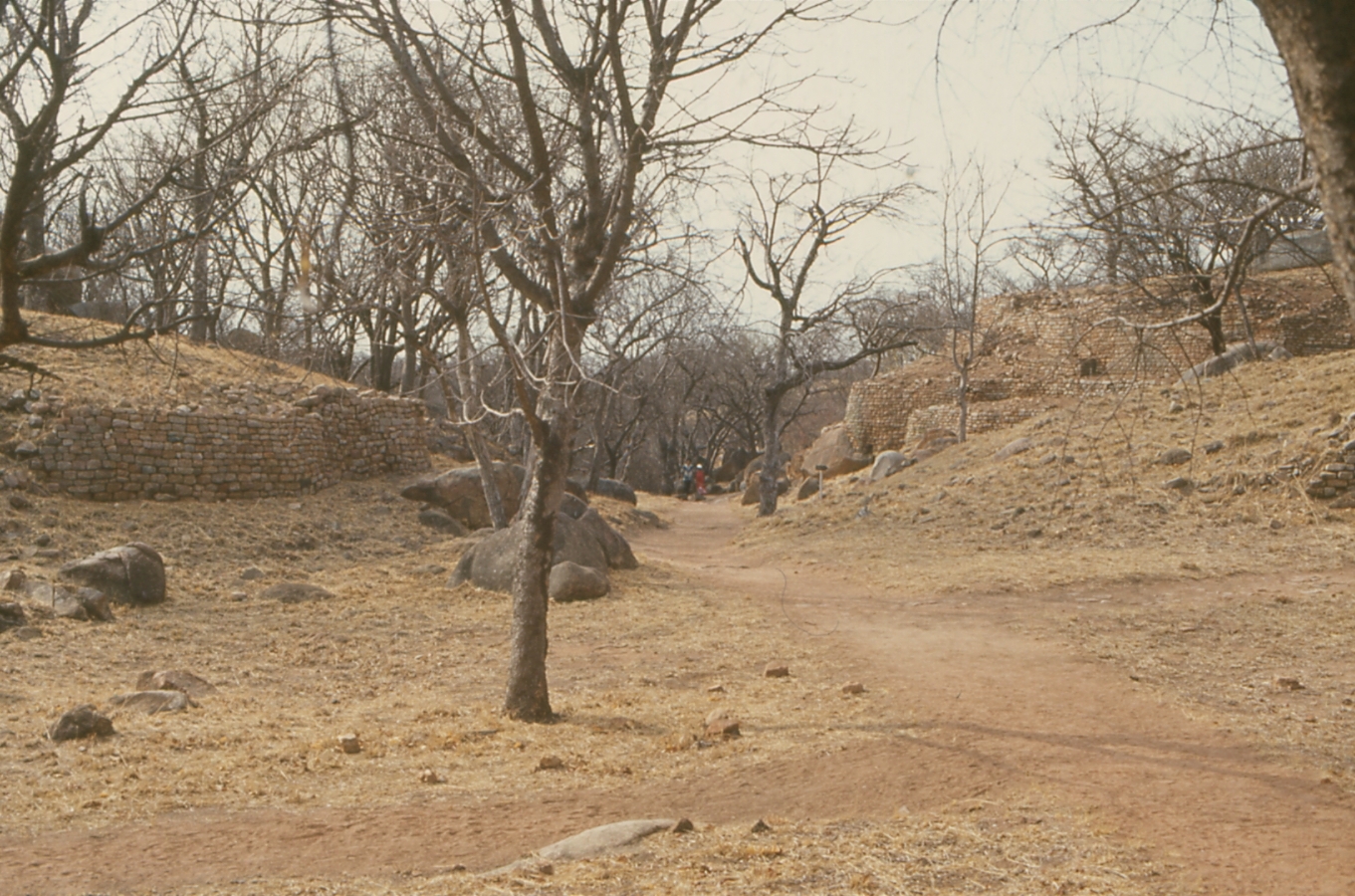
Khami
Ruined city with decorated retaining walls
Gokomere
Rock art and pottery traditions site