
Explore the Map
Matobo National Park
-20.5500° N, 28.5080° E
About
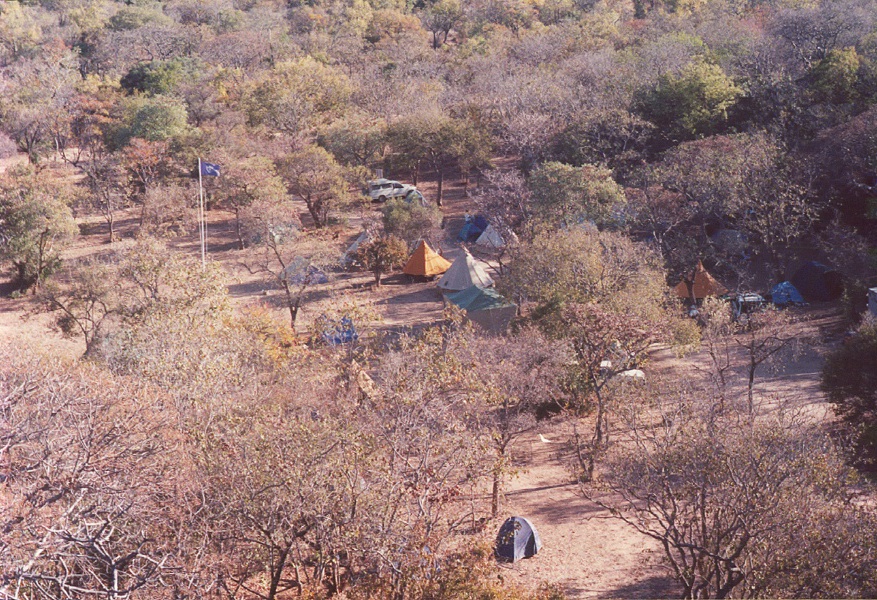
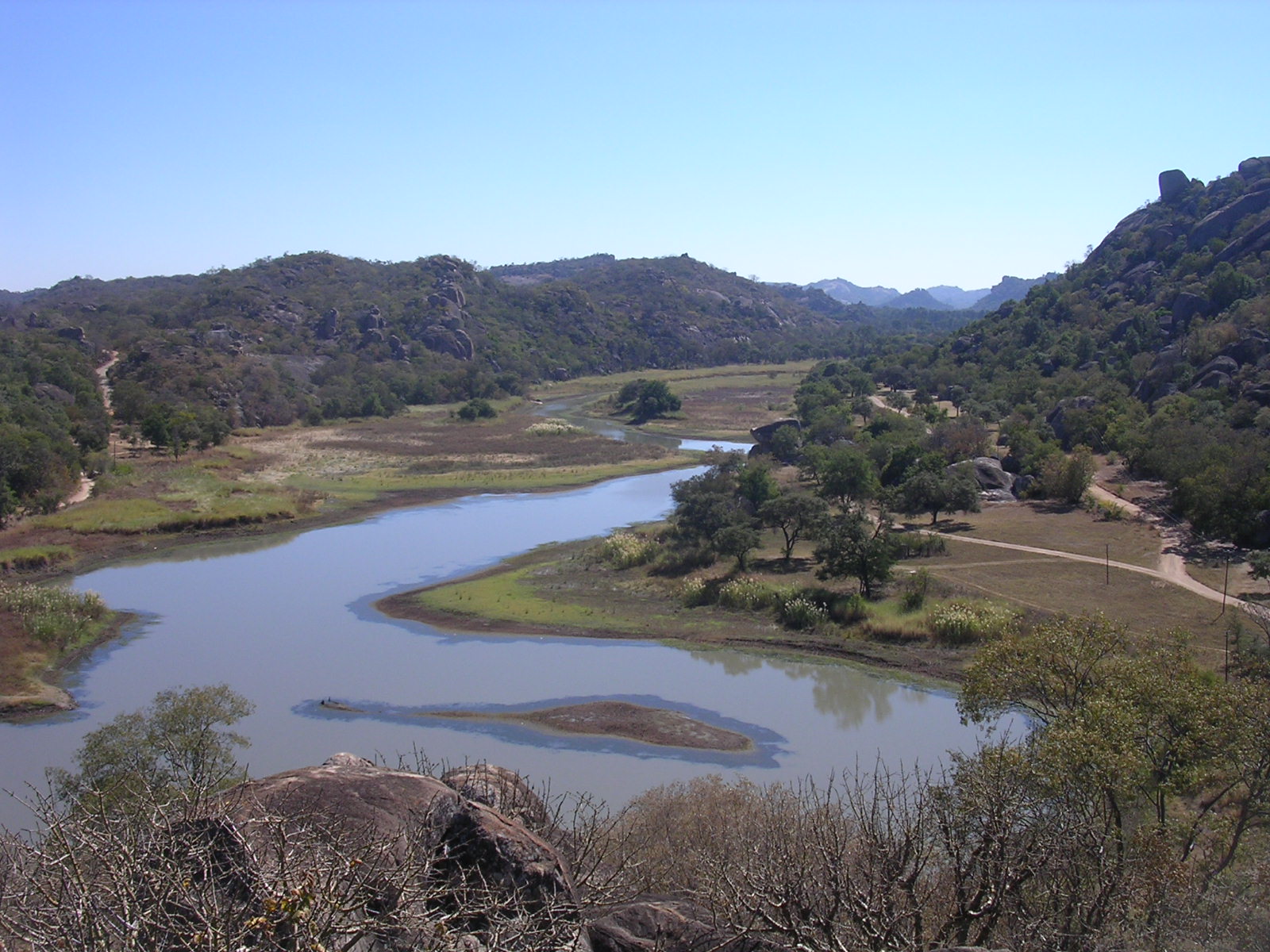
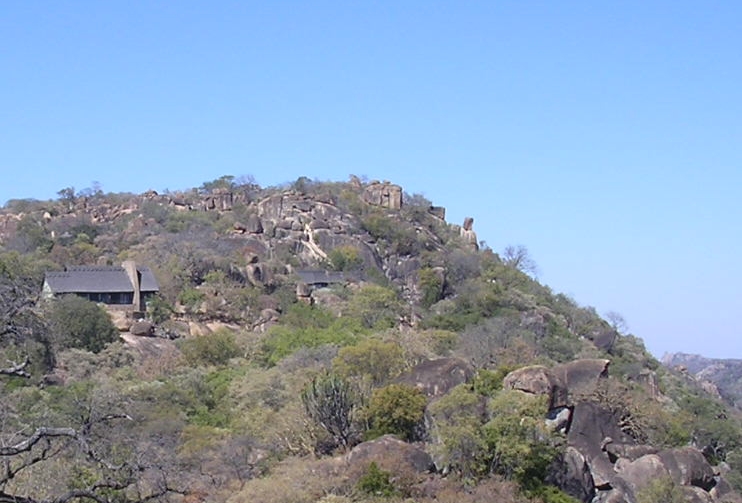
Matobo National Park, located in southern Zimbabwe, is a region of significant archaeological interest due to its ancient granite formations and rich historical artifacts. The area is renowned for its extraordinary rock formations and over 3,000 registered rock art sites created by the San people, revealing a cultural history dating from 320 CE to 500 CE. The park also contains archaeological evidence of human activity dating back to the Middle Paleolithic, including tools and a skeleton from 42,000 BCE. The park's diverse ecological environment supports a wide range of flora and fauna, including rare and endemic species. Its historical and cultural significance is further underscored by the presence of sacred sites and burial grounds, such as the controversial burial site of Cecil Rhodes. Designated as a UNESCO World Heritage Site, Matobo National Park offers a unique glimpse into the past human-environment interaction and cultural expressions through its preserved rock art and geological features.
Gallery
Explore photographs of ancient structures, artifacts, and archaeological excavations
Historical Timeline
Journey through time and discover key events in this site's history
Middle Stone Age habitation
300,000 BCE - 50,000 BCE
Skeleton found in Nswatugi Cave
42,000 BCE
San rock paintings
320 CE - 500 CE
Archaeological Features
Unique architectural and cultural elements found at this historical site
Burial and Funerary Structures
Artistic and Decorative Features
Domestic and Habitation Structures
Environmental and Natural Features
Plan Your Visit
Tours, travel arrangements, and practical information
More Sites in Zimbabwe
Bambata Cave
Prehistoric cave with cultural artifacts.
Danamombe
Ruined town with Rozvi cultural remains.
Old Bulawayo
Historic settlement, Lobengula's 19th-century capital.
Bumbusi National Monument
Colossal stone walls and dwelling ruins
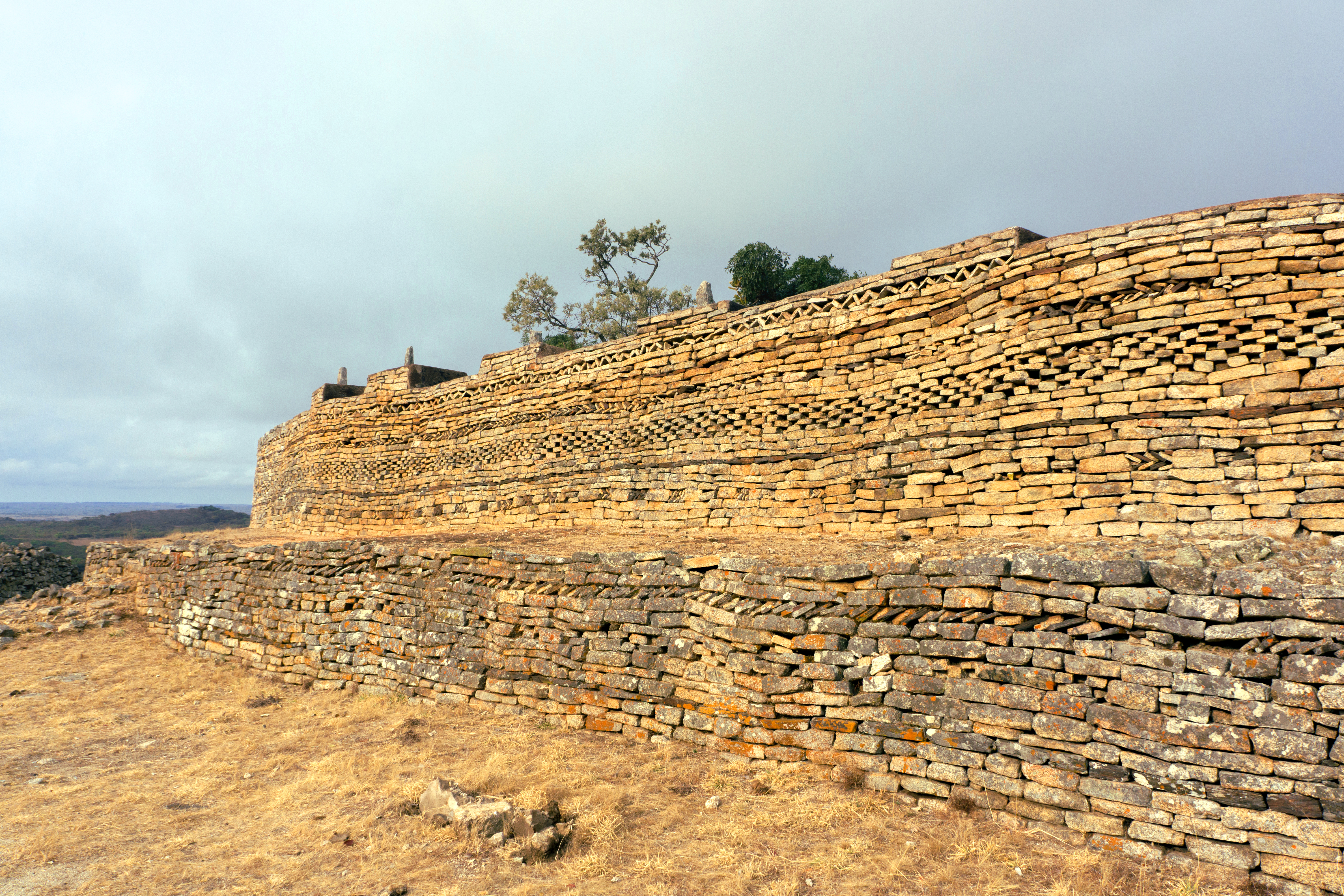
Naletale
Seventeenth-century drystone ruins in Zimbabwe.
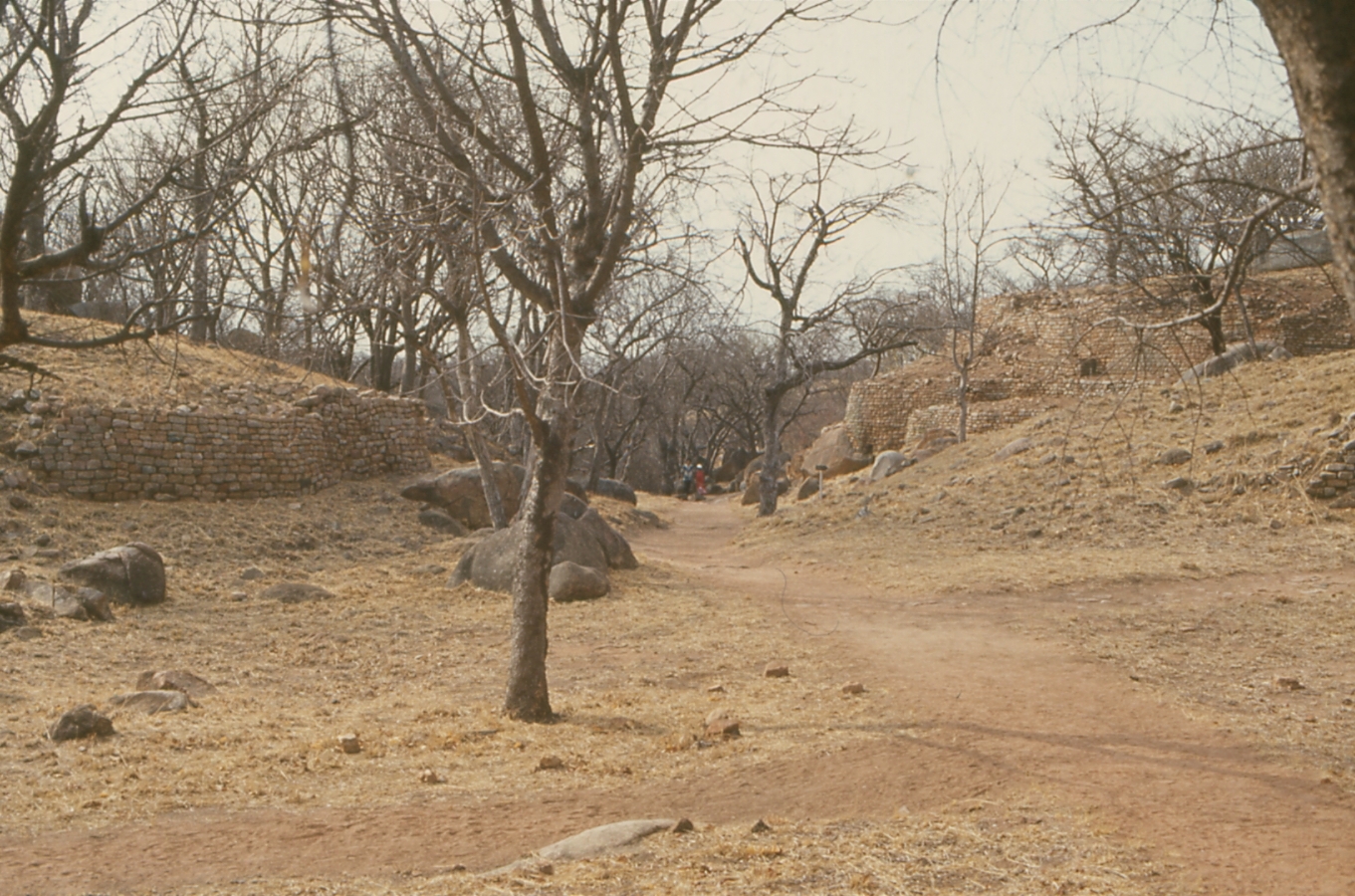
Khami
Ruined city with decorated retaining walls