Explore the Map
Old Bulawayo
-20.3023° N, 28.6264° E
About
Old Bulawayo was established in 1870 by King Lobengula as the capital of the Matebele people, marking an important phase in the history of Zimbabwe. The site is significant for its association with the Matebele Kingdom and King Lobengula, who played a crucial role in the region's political landscape during the late 19th century. Although initially a political center, Old Bulawayo also holds archaeological interest as it provides insights into the urban planning and domestic architecture of the era. Currently, efforts are being made by the National Monuments and Museums of Zimbabwe to rebuild and preserve this historic settlement, reflecting its cultural and historical importance in the country's heritage.
Historical Timeline
Journey through time and discover key events in this site's history
Establishment of Old Bulawayo
1870 CE
Archaeological Features
Unique architectural and cultural elements found at this historical site
Domestic and Habitation Structures
Frequently Asked Questions
Plan Your Visit
Tours, travel arrangements, and practical information
More Sites in Zimbabwe
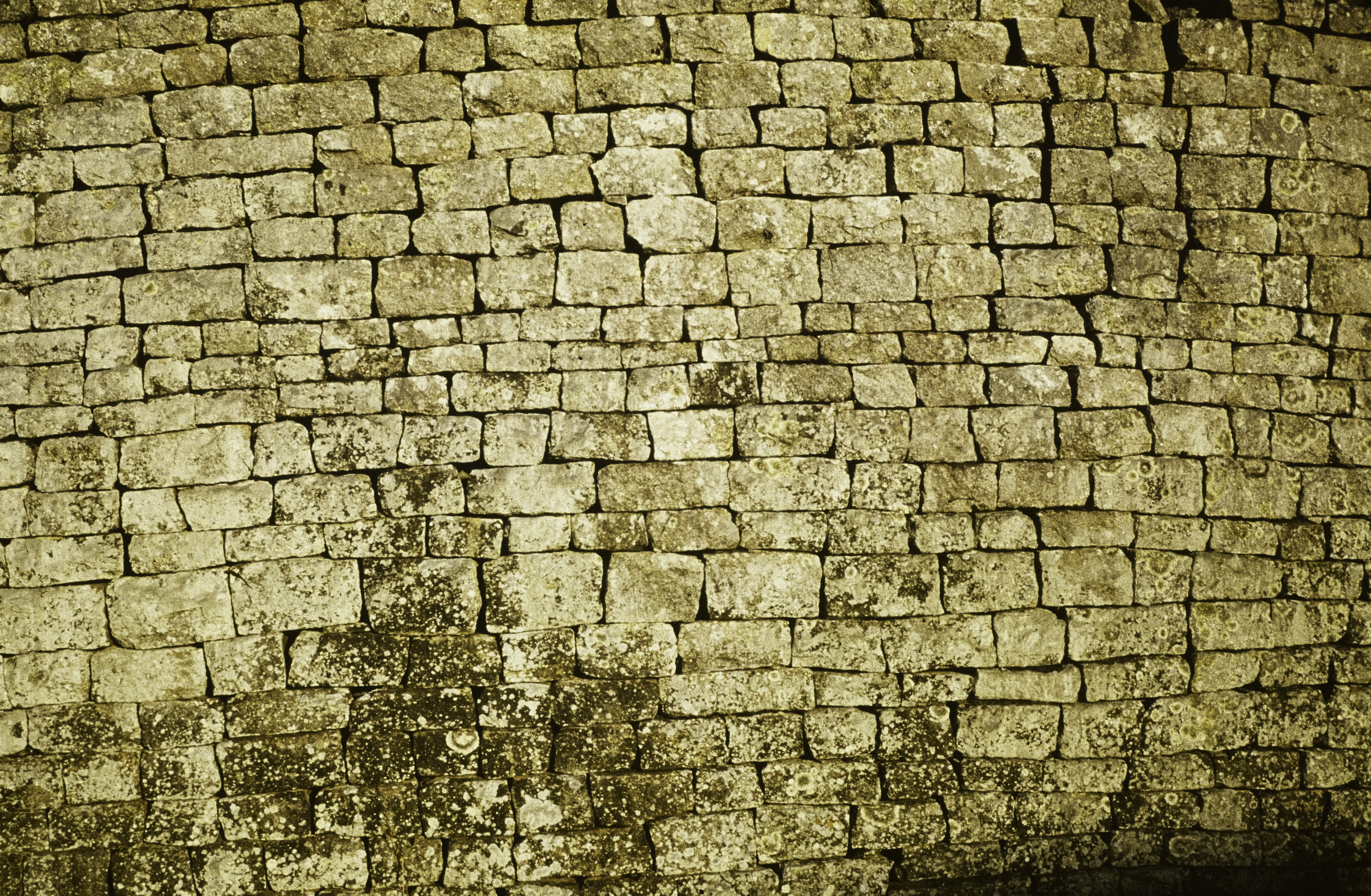
Great Zimbabwe
Medieval stone city with dry stone constructions
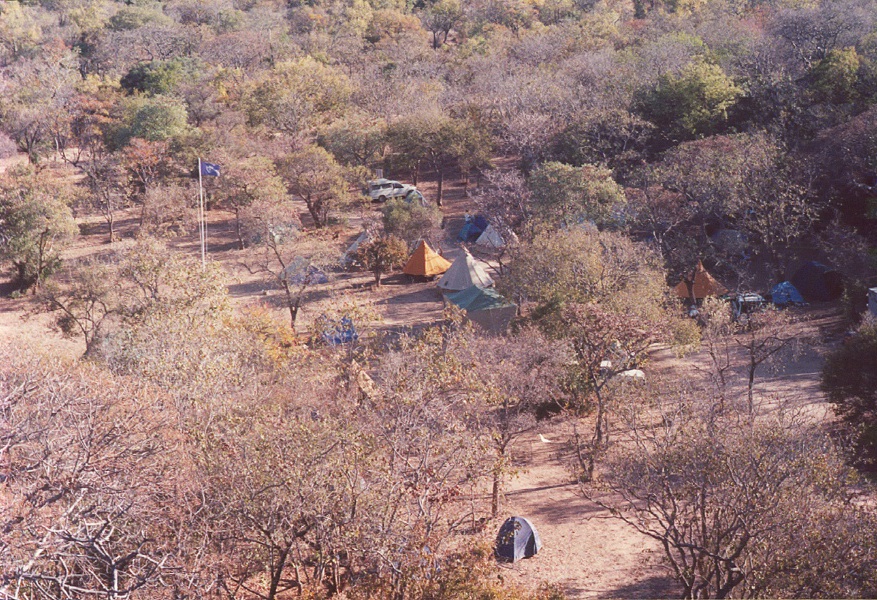
Matobo National Park
Granite kopjes, rock paintings, diverse flora and fauna
Danamombe
Ruined town with Rozvi cultural remains.
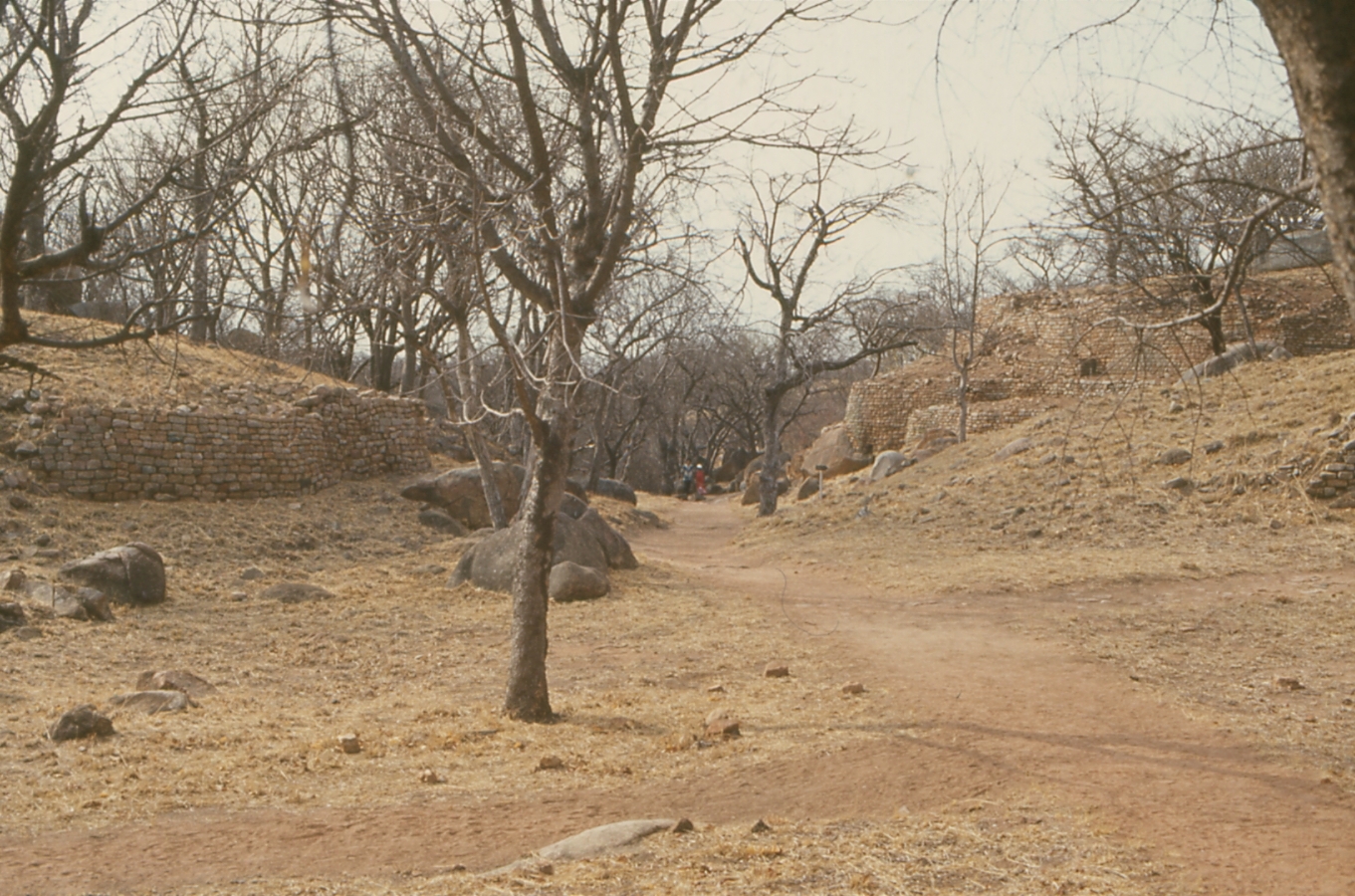
Khami
Ruined city with decorated retaining walls
Gokomere
Rock art and pottery traditions site
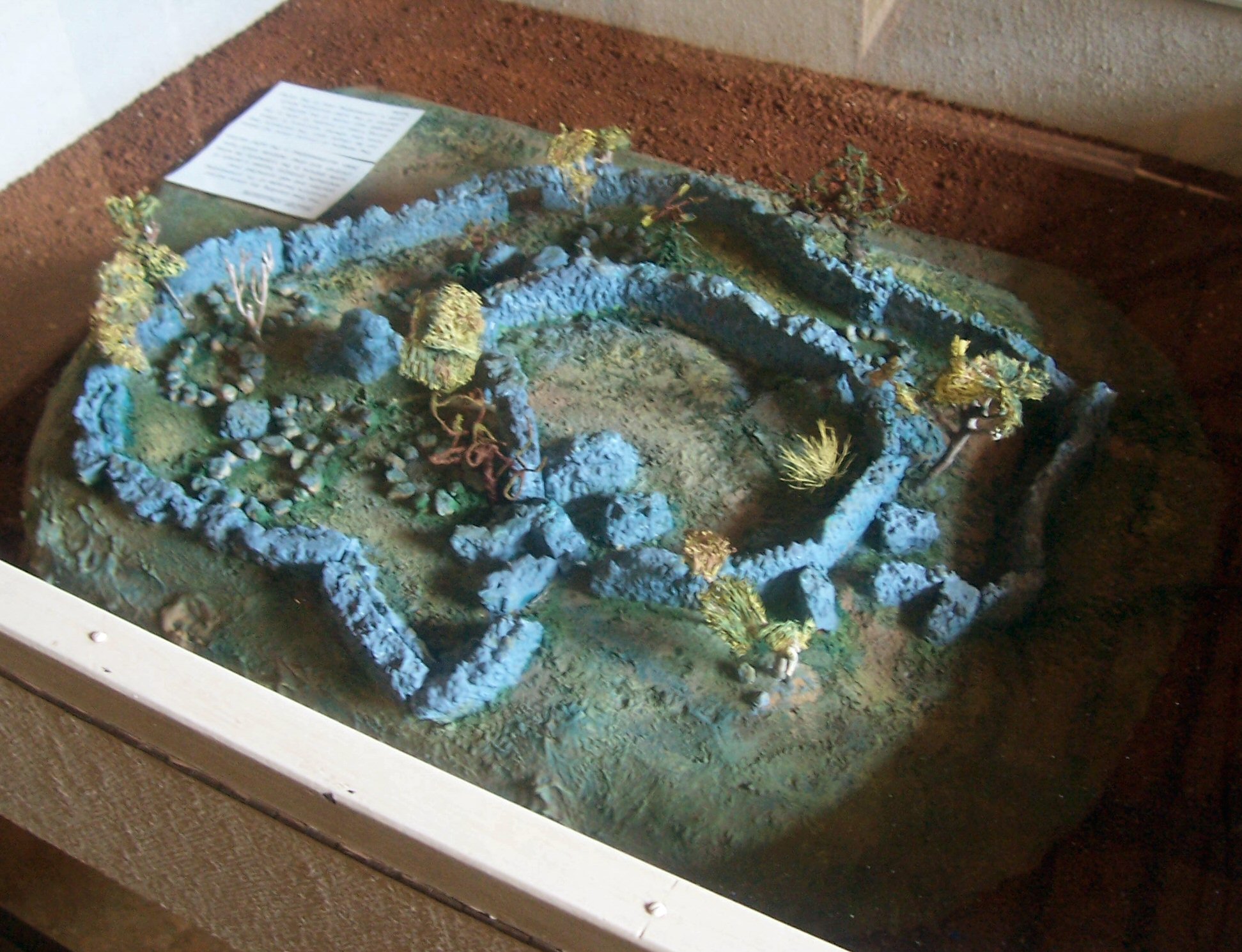
Ziwa
Iron Age agricultural settlement with terraces.