Explore the Map
Gokomere
-19.9333° N, 30.7667° E
About
Gokomere, located near Masvingo in Zimbabwe, is recognized for its significant archaeological contributions, particularly its rock art and pottery traditions dating from 300 CE to 650 CE. During the 4th century, the area was inhabited by ancient Bantu people, who are believed to have later constructed the Great Zimbabwe complex between 1000 CE and 1200 CE. The Gokomere people were part of an extensive trade network, connecting the Zimbabwe region with the Swahili civilization along the East African coast. This group is thought to be ancestral to the Shona and Rozwi peoples and possibly contributed to the ancestry of the Lemba people. Gokomere's archaeological findings offer insights into the cultural and trade practices of early Bantu societies in southern Africa, highlighting its historical and cultural significance.
Historical Timeline
Journey through time and discover key events in this site's history
Bantu Inhabitation
300 CE to 400 CE
Rock Art and Pottery Traditions
300 CE to 650 CE
Construction of Great Zimbabwe
1000 CE to 1200 CE
Archaeological Features
Unique architectural and cultural elements found at this historical site
Artistic and Decorative Features
Frequently Asked Questions
Plan Your Visit
Tours, travel arrangements, and practical information
More Sites in Zimbabwe
Old Bulawayo
Historic settlement, Lobengula's 19th-century capital.
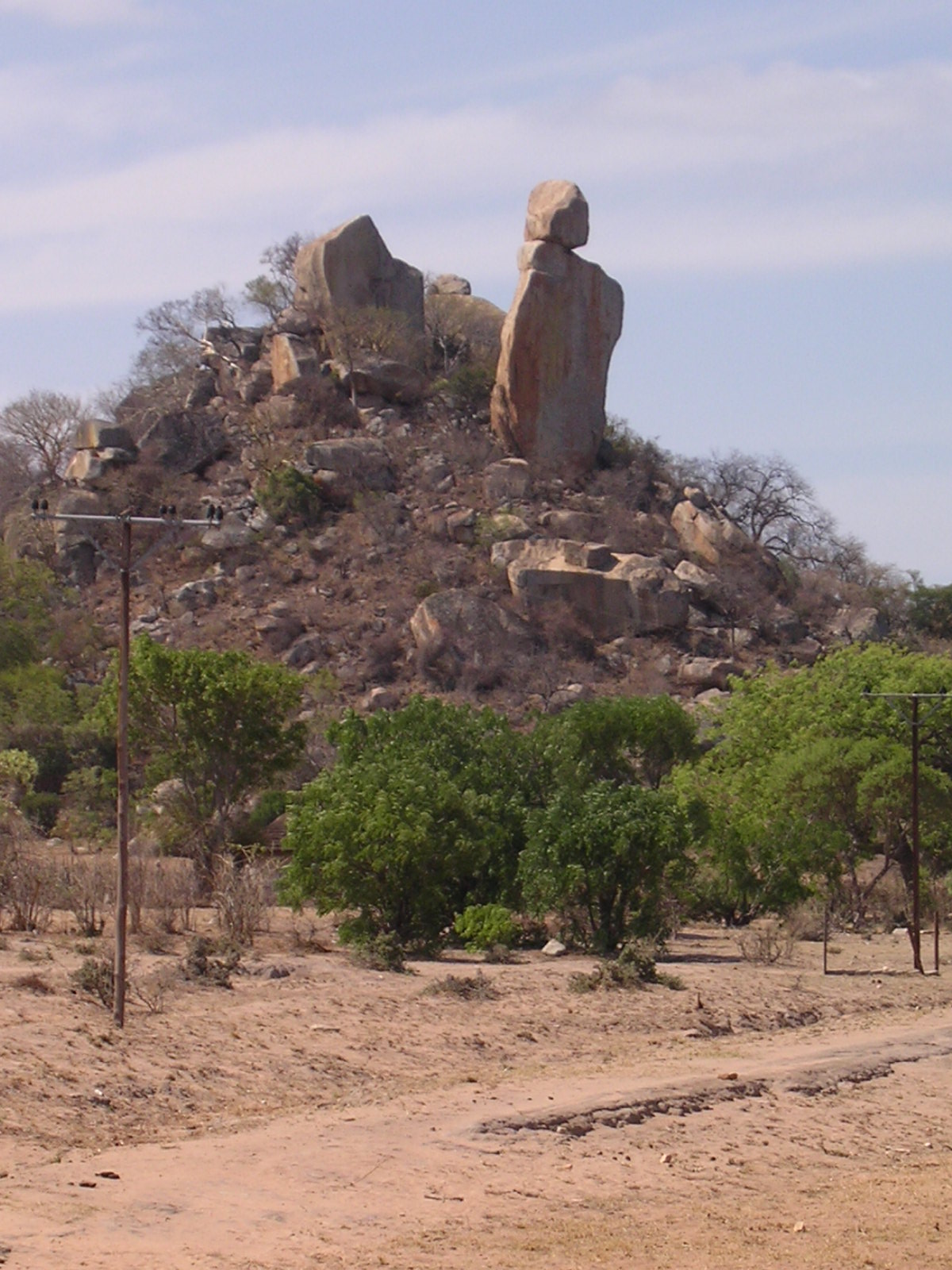
Castle Kopje
Iron Age settlement in Zimbabwe.
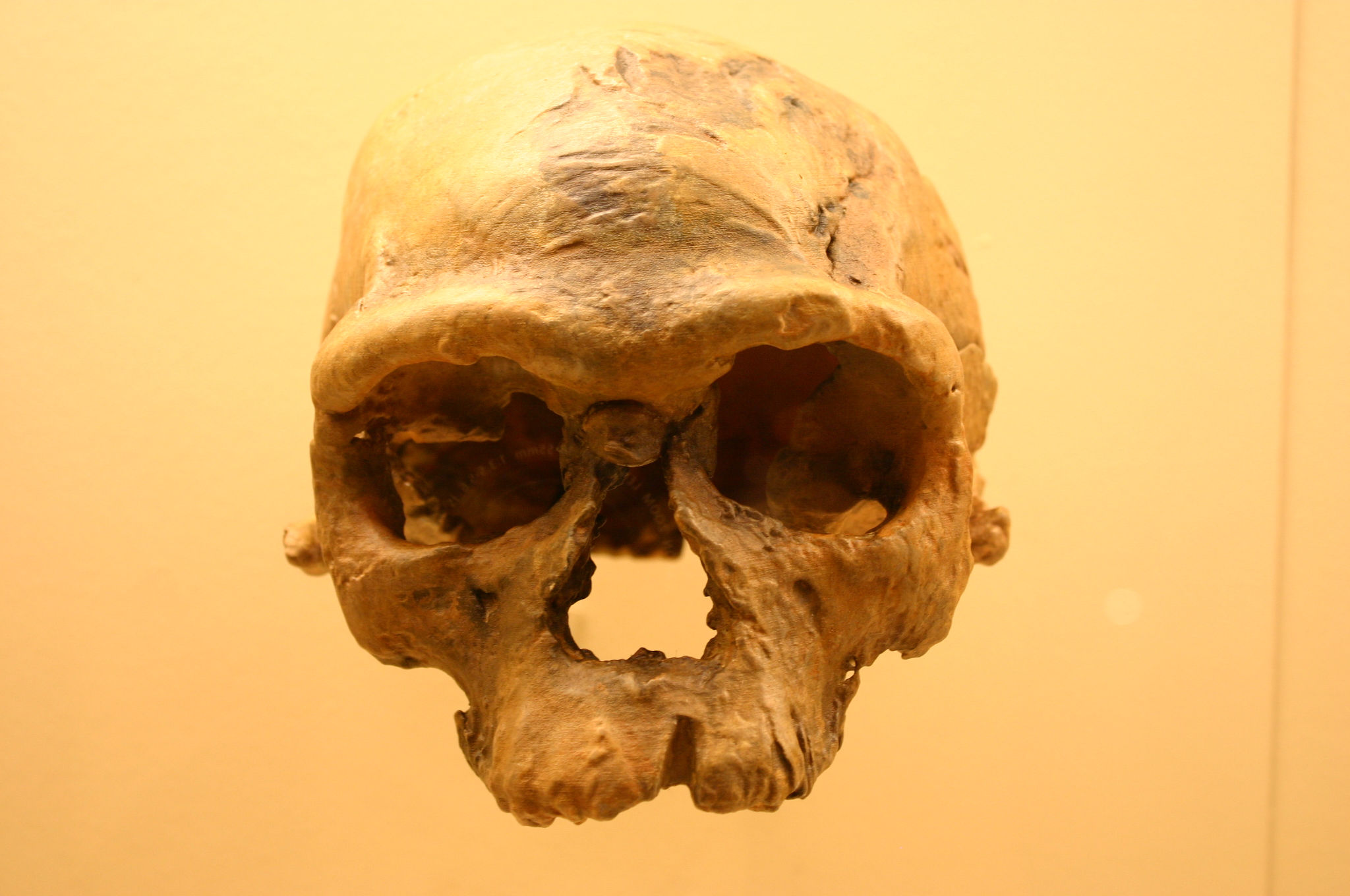
Bumbusi National Monument
Colossal stone walls and dwelling ruins
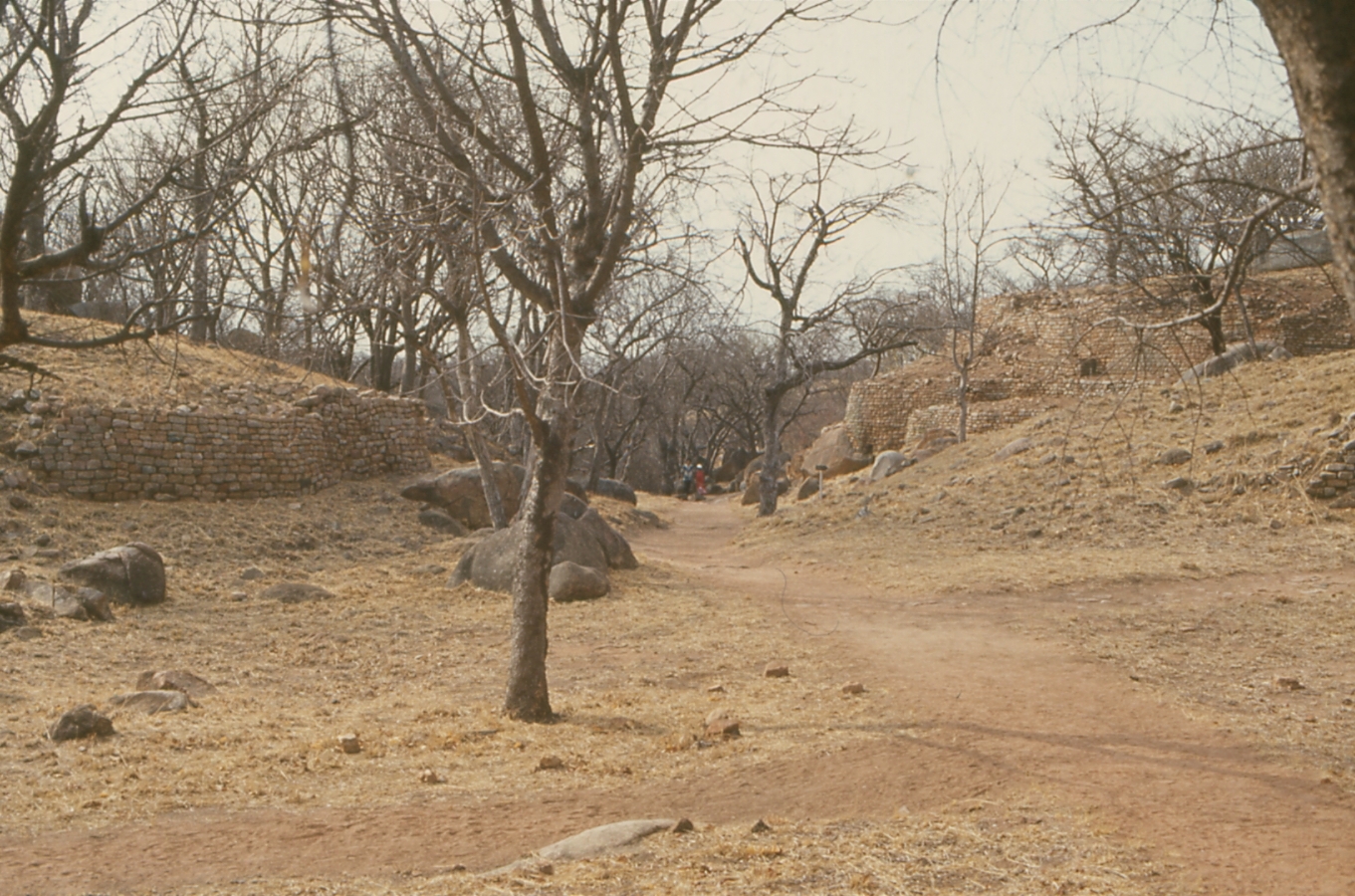
Khami
Ruined city with decorated retaining walls
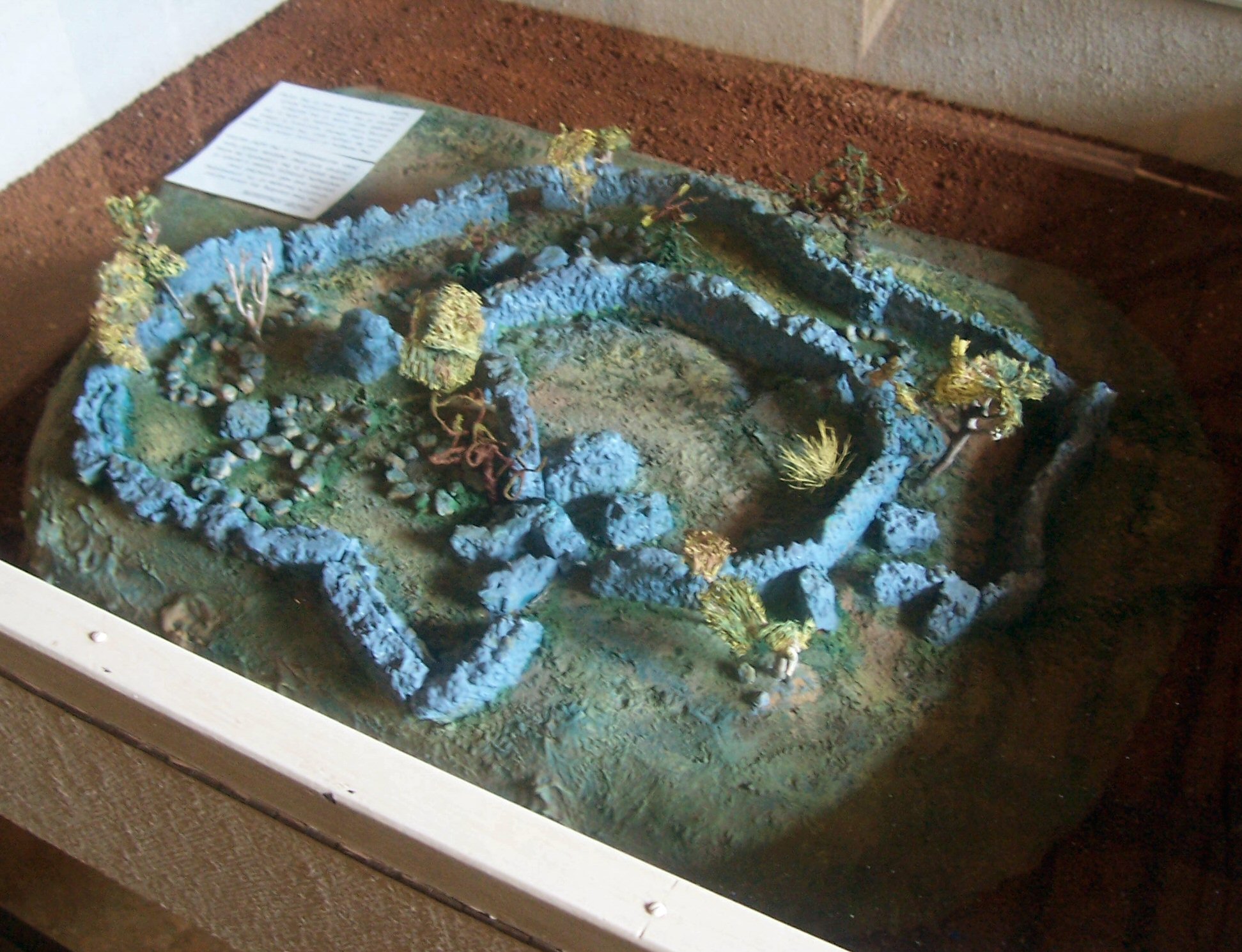
Ziwa
Iron Age agricultural settlement with terraces.
Matobo National Park
Granite kopjes, rock paintings, diverse flora and fauna