Explore the Map
Bumbusi National Monument
-18.5130° N, 26.1850° E
About
Bumbusi National Monument, an archaeological site located within Hwange National Park in Western Zimbabwe, is characterized by its monumental stone constructions. The site, which dates from the 18th and 19th centuries, features extensive defensive walls and remains of dwellings, reflecting the architectural style of the Great Zimbabwe tradition. The structures were constructed atop elevated sandstone outcrops, utilizing the natural landscape for strategic and functional purposes. This site, declared a National Monument in 1946 and listed as endangered in 2008, offers insights into the habitation patterns and construction techniques of past communities, highlighting the cultural significance and historical continuity of this region.
Gallery
Explore photographs of ancient structures, artifacts, and archaeological excavations
Historical Timeline
Journey through time and discover key events in this site's history
Stone wall construction
18th century CE
Dwellings occupation phase
19th century CE
Archaeological Features
Unique architectural and cultural elements found at this historical site
Defensive Structures
Domestic and Habitation Structures
Frequently Asked Questions
Plan Your Visit
Tours, travel arrangements, and practical information
More Sites in Zimbabwe
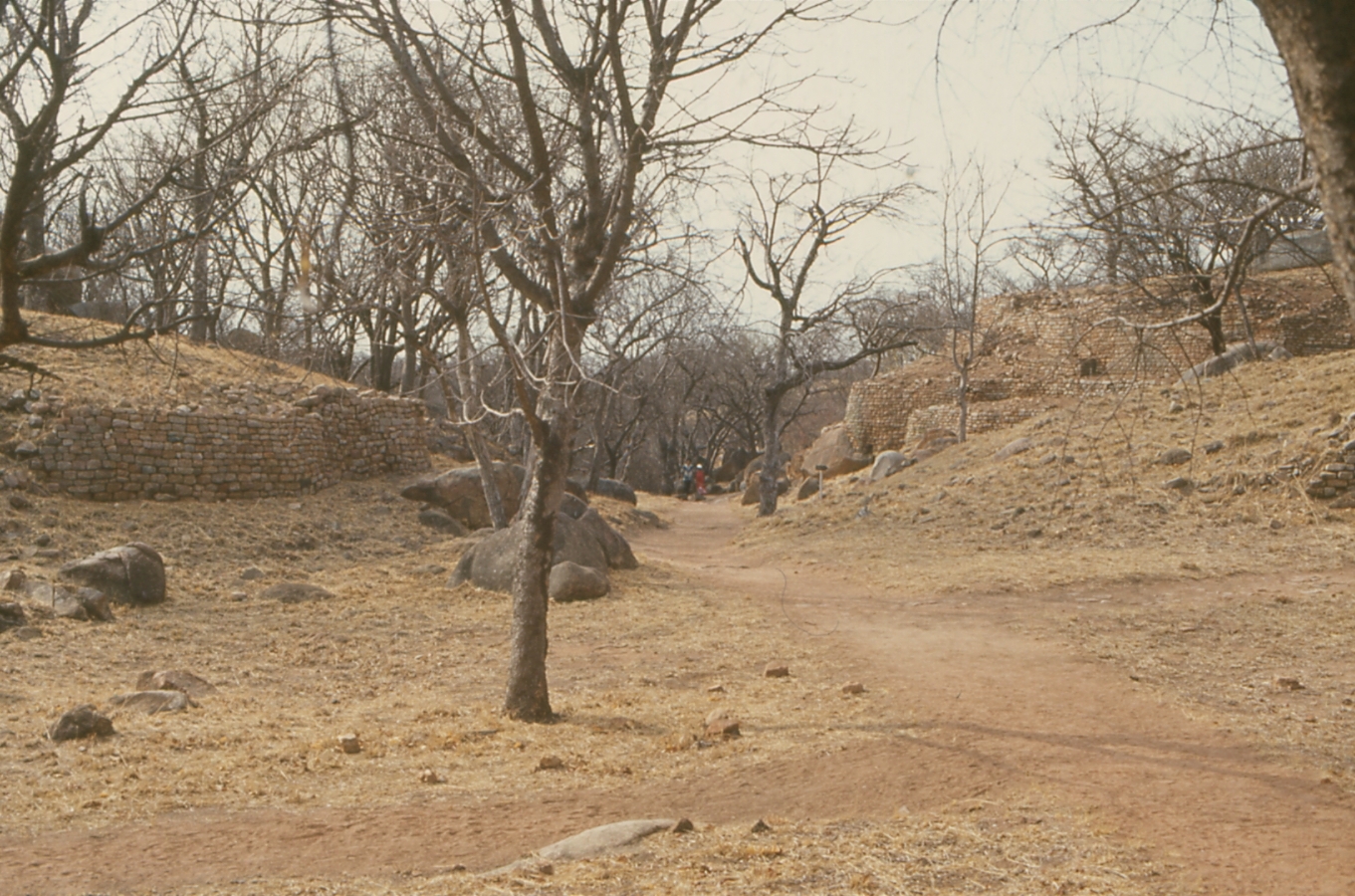
Khami
Ruined city with decorated retaining walls
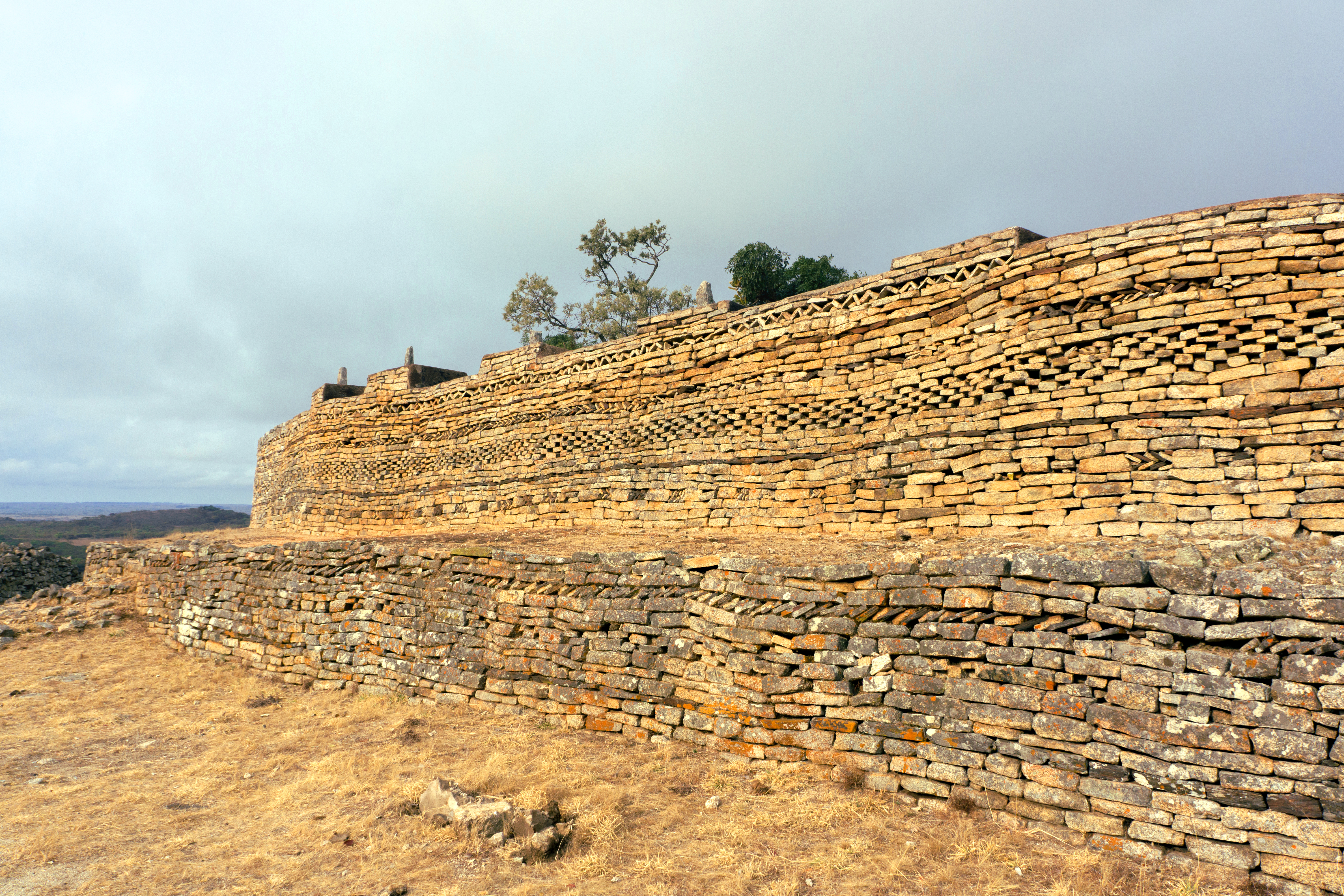
Naletale
Seventeenth-century drystone ruins in Zimbabwe.
Danamombe
Ruined town with Rozvi cultural remains.
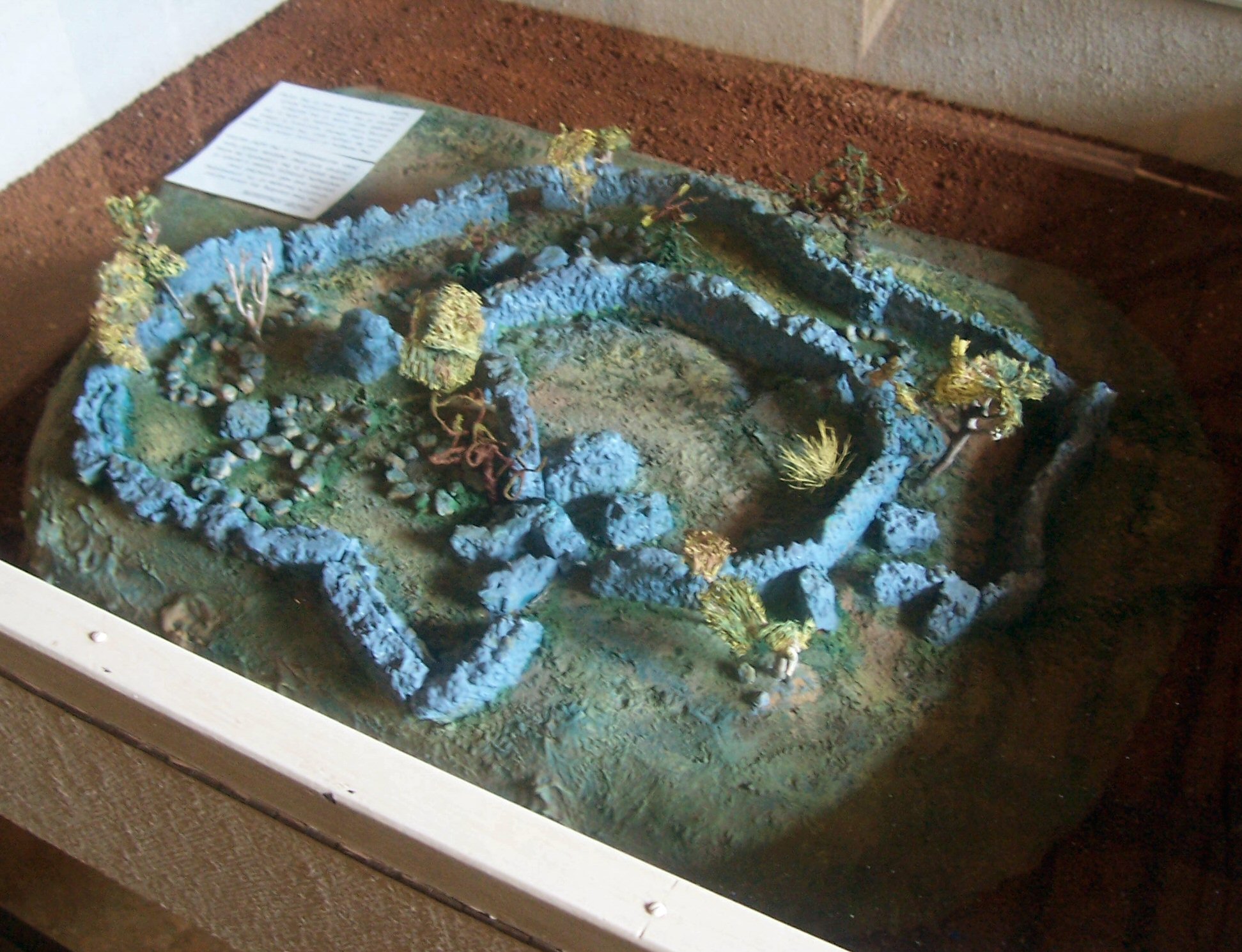
Ziwa
Iron Age agricultural settlement with terraces.
Gokomere
Rock art and pottery traditions site
Zvongombe
15th-century stone enclosures near Zambezi River