

Explore the Map
Great Zimbabwe
-20.2667° N, 30.9333° E
About
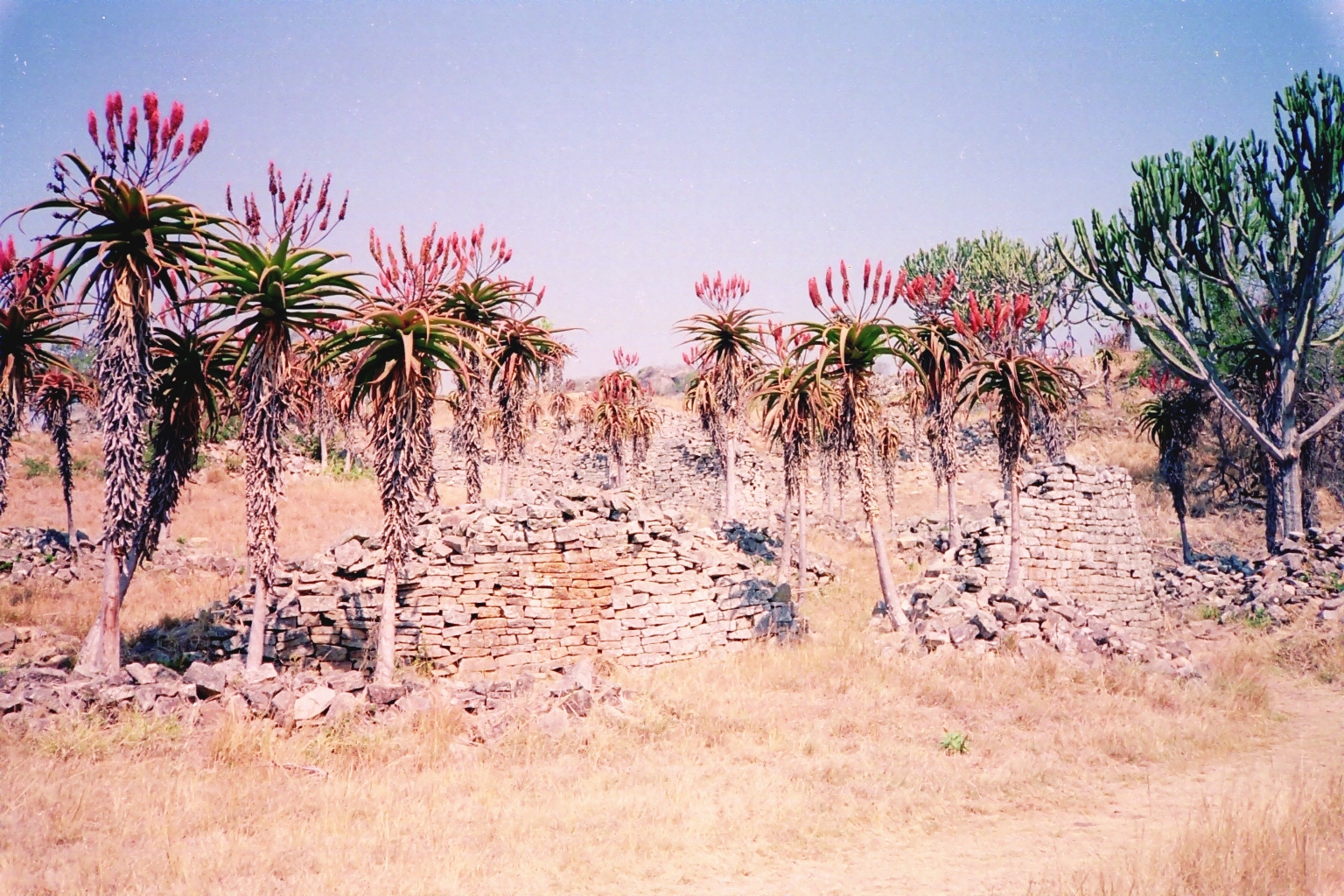
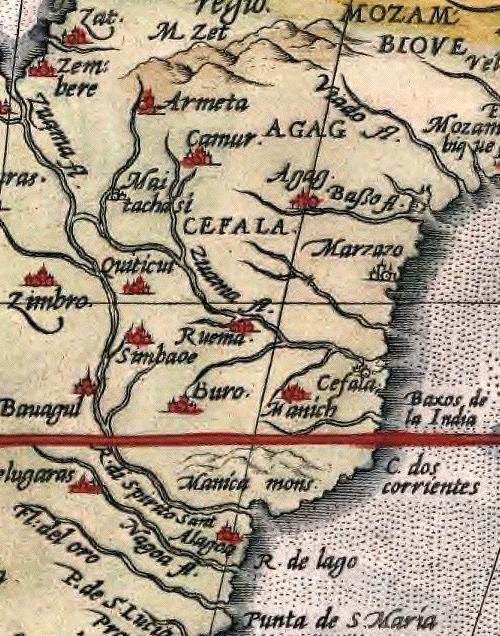
Great Zimbabwe is a significant archaeological site located in the southeastern hills of modern Zimbabwe, recognized for its massive stone constructions built without mortar. The site was settled by the Gokomere culture by the 4th century CE and developed into a thriving urban center by the 11th century, serving as the capital of the Kingdom of Zimbabwe. At its peak in the 13th century, it housed up to 18,000 people. The city featured impressive defensive walls, palaces, and ceremonial platforms, showcasing advanced dry stone masonry techniques. It was a central hub for trade, connecting with distant regions like China and Persia. The city was abandoned by the 15th century, potentially due to resource depletion and climatic changes.
Gallery
Explore photographs of ancient structures, artifacts, and archaeological excavations

Historical Timeline
Journey through time and discover key events in this site's history
Settlement by Gokomere culture
400 CE
Construction begins
1000 CE
Peak of Great Zimbabwe
1200 CE
City abandoned
1450 CE
Archaeological Features
Unique architectural and cultural elements found at this historical site
Defensive Structures
Water Management Features
Religious and Ritual Structures
Artistic and Decorative Features
Agricultural and Land Use Features
Domestic and Habitation Structures
Frequently Asked Questions
Plan Your Visit
Tours, travel arrangements, and practical information
More Sites in Zimbabwe
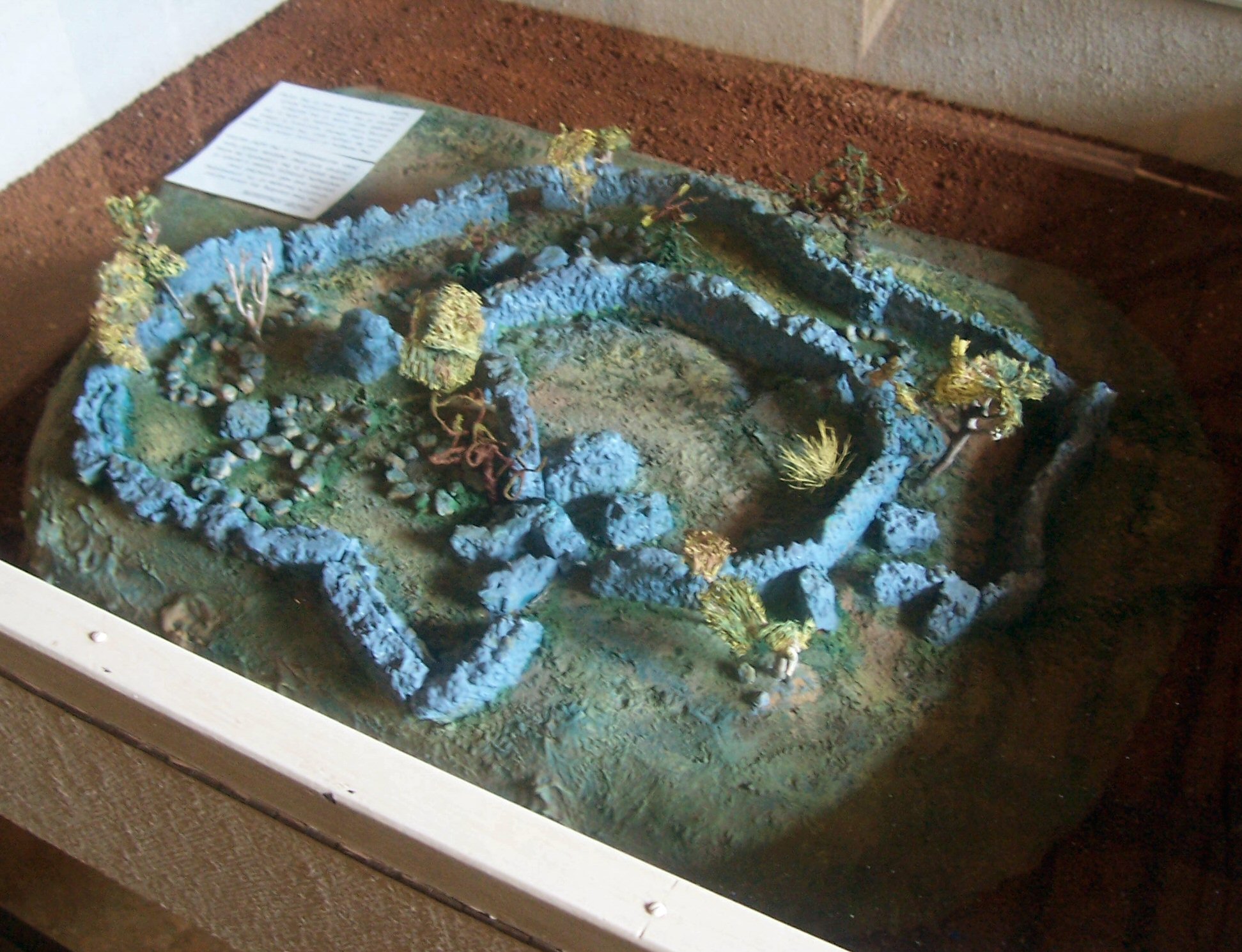
Ziwa
Iron Age agricultural settlement with terraces.
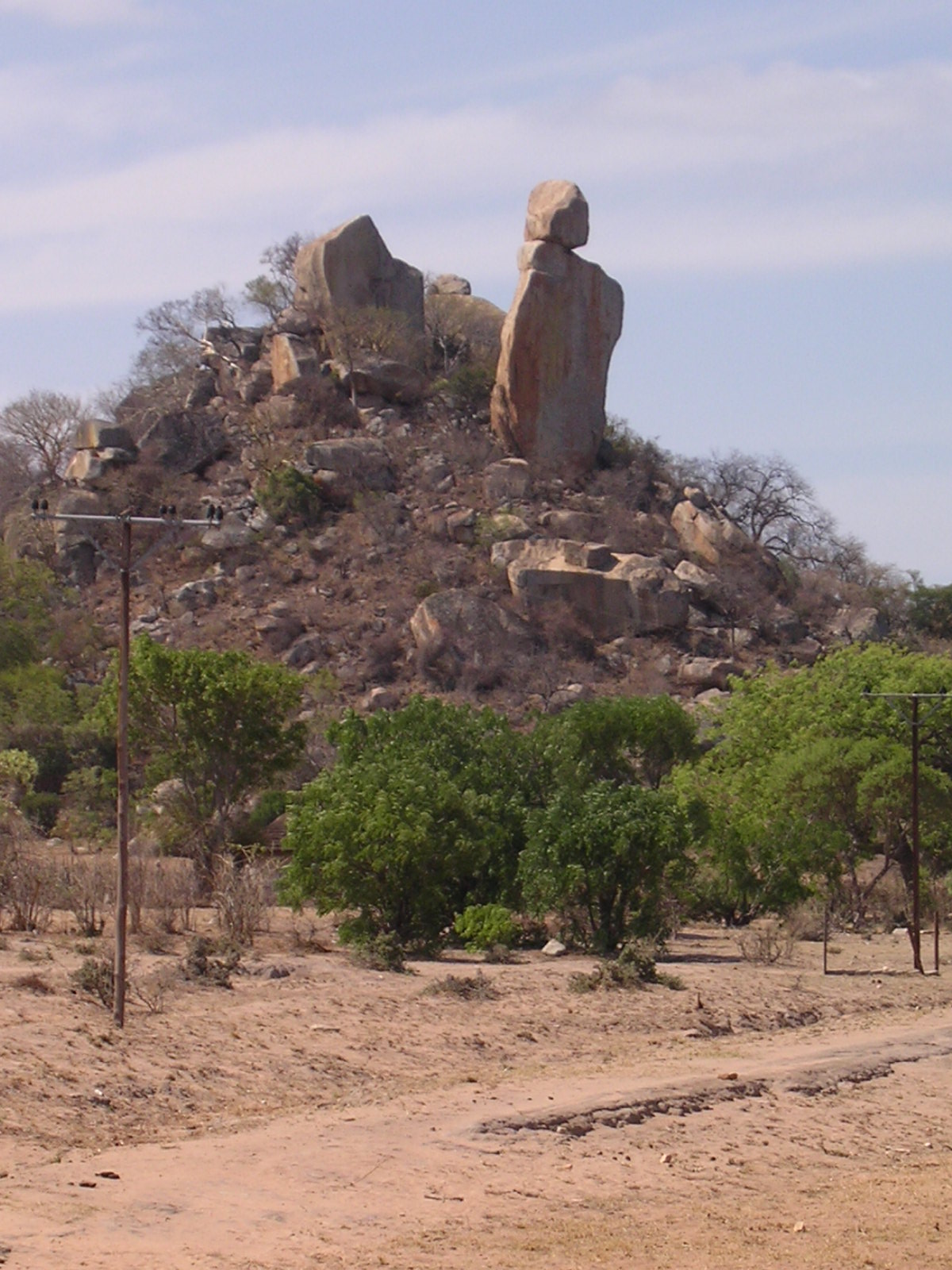
Castle Kopje
Iron Age settlement in Zimbabwe.
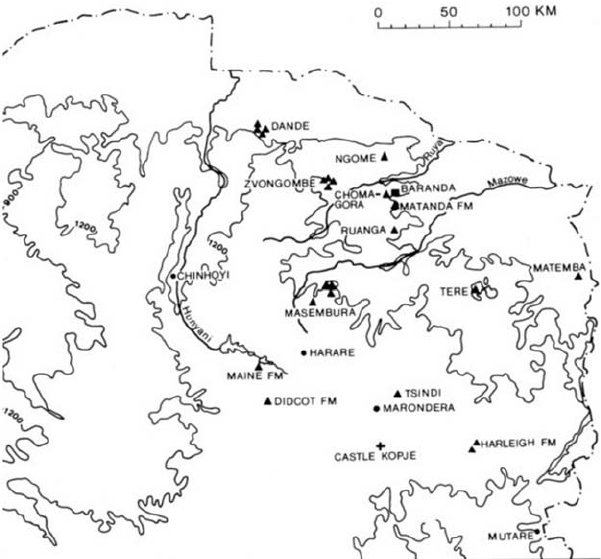
Zvongombe
15th-century stone enclosures near Zambezi River
Bambata Cave
Prehistoric cave with cultural artifacts.
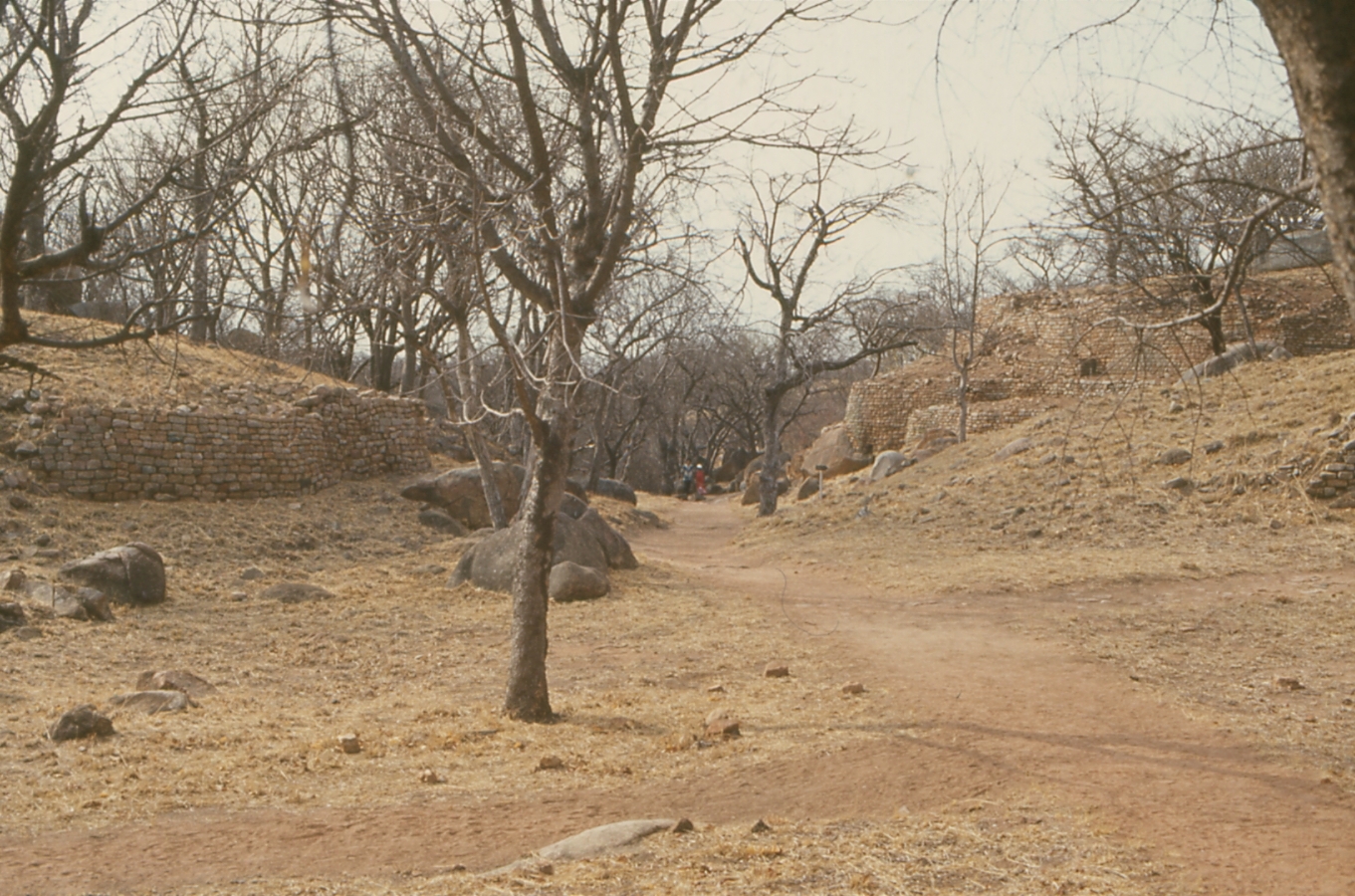
Khami
Ruined city with decorated retaining walls
Gokomere
Rock art and pottery traditions site