Explore the Map
Tirana Mosaic
41.3300° N, 19.8042° E
About
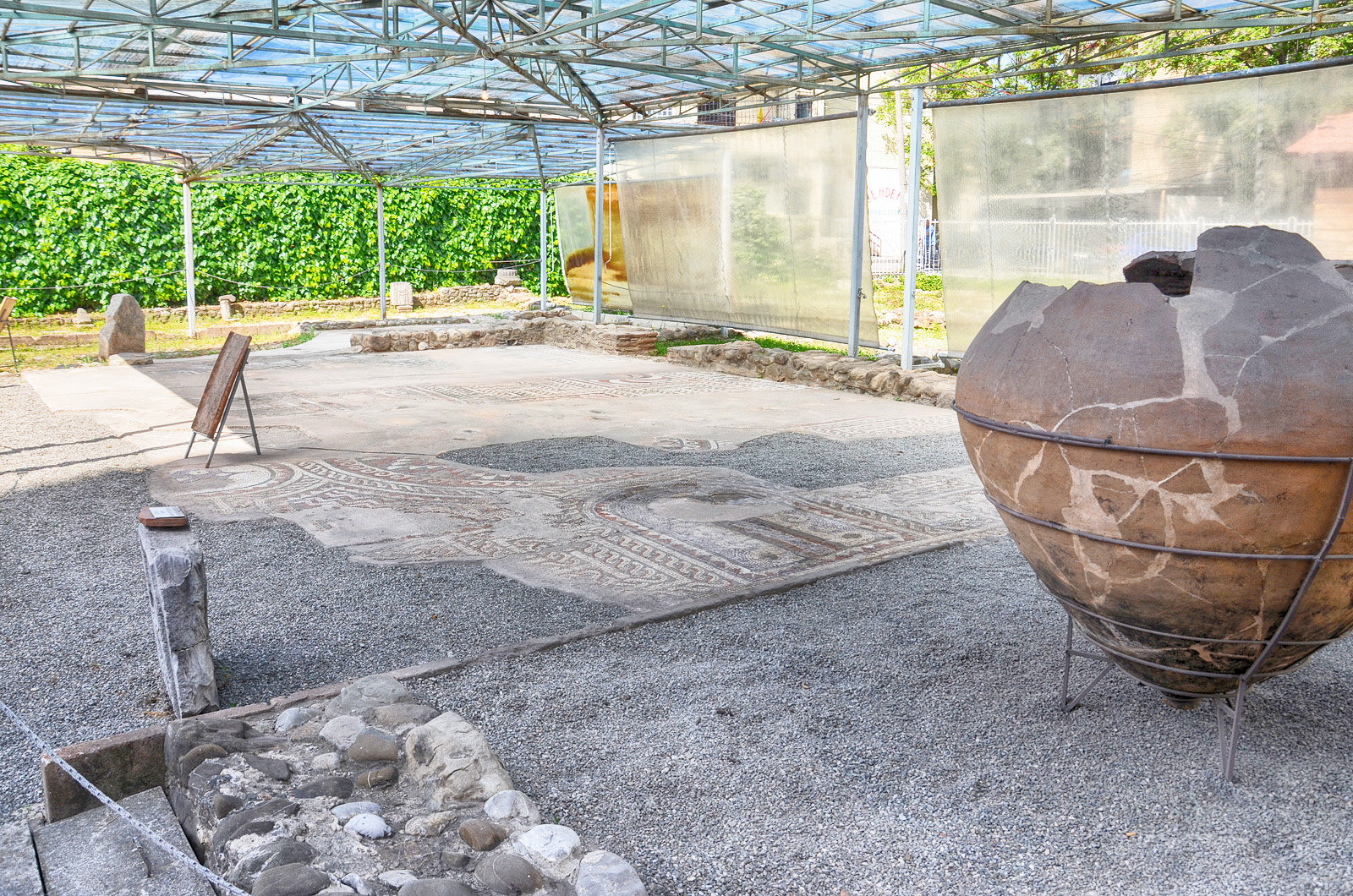
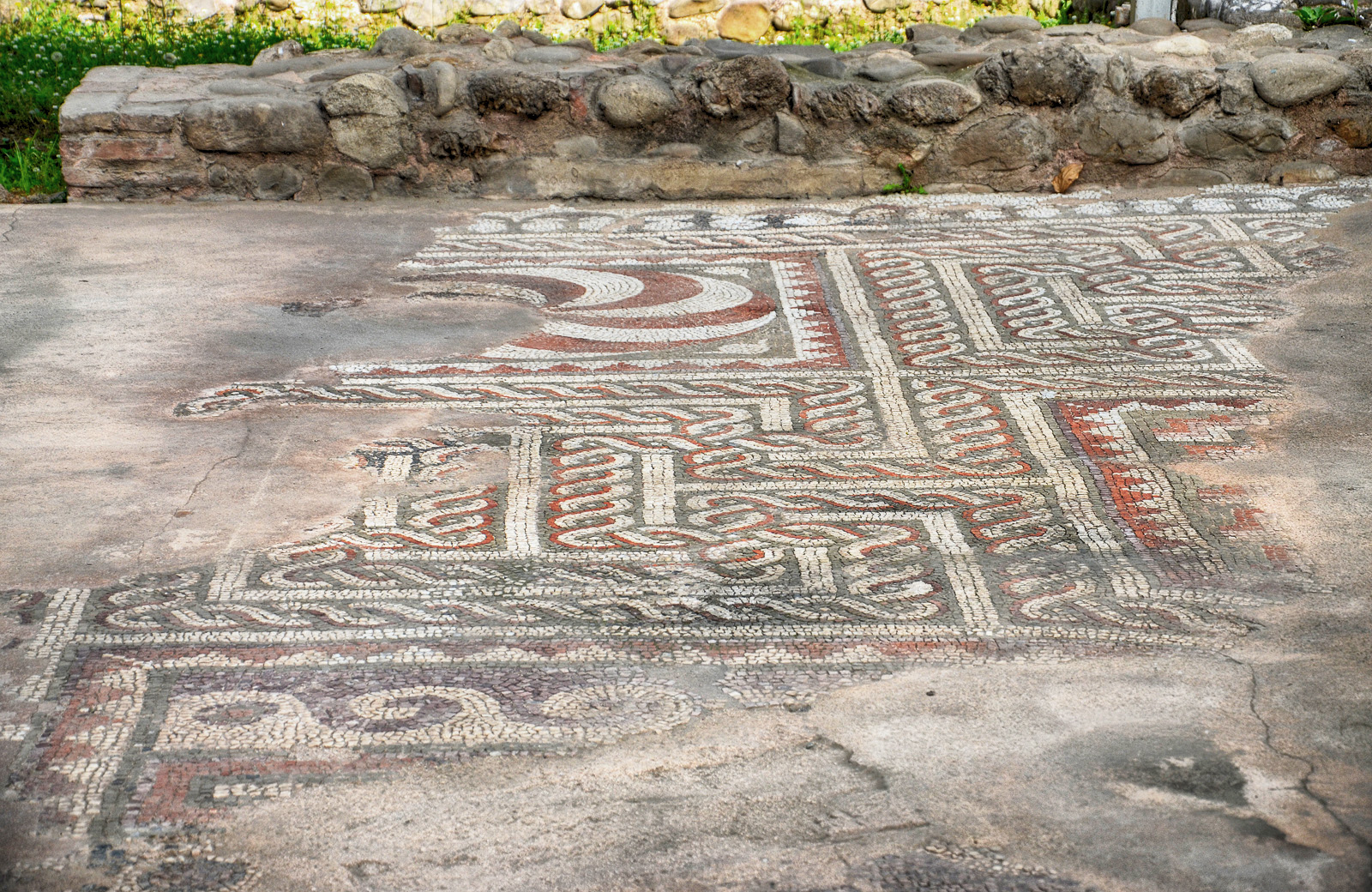
The Tirana Mosaic is a significant archaeological site in Tirana, Albania, showcasing remnants of a 3rd-century Roman villa, known as 'Villa rustica,' and a subsequent Paleo-Christian Basilica from the 5th and 6th centuries. This site features intricate mosaics depicting geometric patterns as well as poultry and fish, offering insight into the artistic and cultural expressions of the time. The mosaics are a testament to the continuity of habitation and religious practices in the region from the Roman period through the early Christian era. Recognized as a cultural monument of the first category in 1973, the Tirana Mosaic is the sole archaeological monument within the city, serving as a vital link to understanding the historical layers of Tirana's past.
Gallery
Explore photographs of ancient structures, artifacts, and archaeological excavations
Historical Timeline
Journey through time and discover key events in this site's history
Roman Villa Construction
3rd century CE
Paleo-Christian Basilica Construction
5th century CE
Archaeological Features
Unique architectural and cultural elements found at this historical site
Religious and Ritual Structures
Artistic and Decorative Features
Domestic and Habitation Structures
Frequently Asked Questions
Plan Your Visit
Tours, travel arrangements, and practical information
More Sites in Albania
Hadrianopolis (Epirus)
Ancient town with theatre and fortress ruins
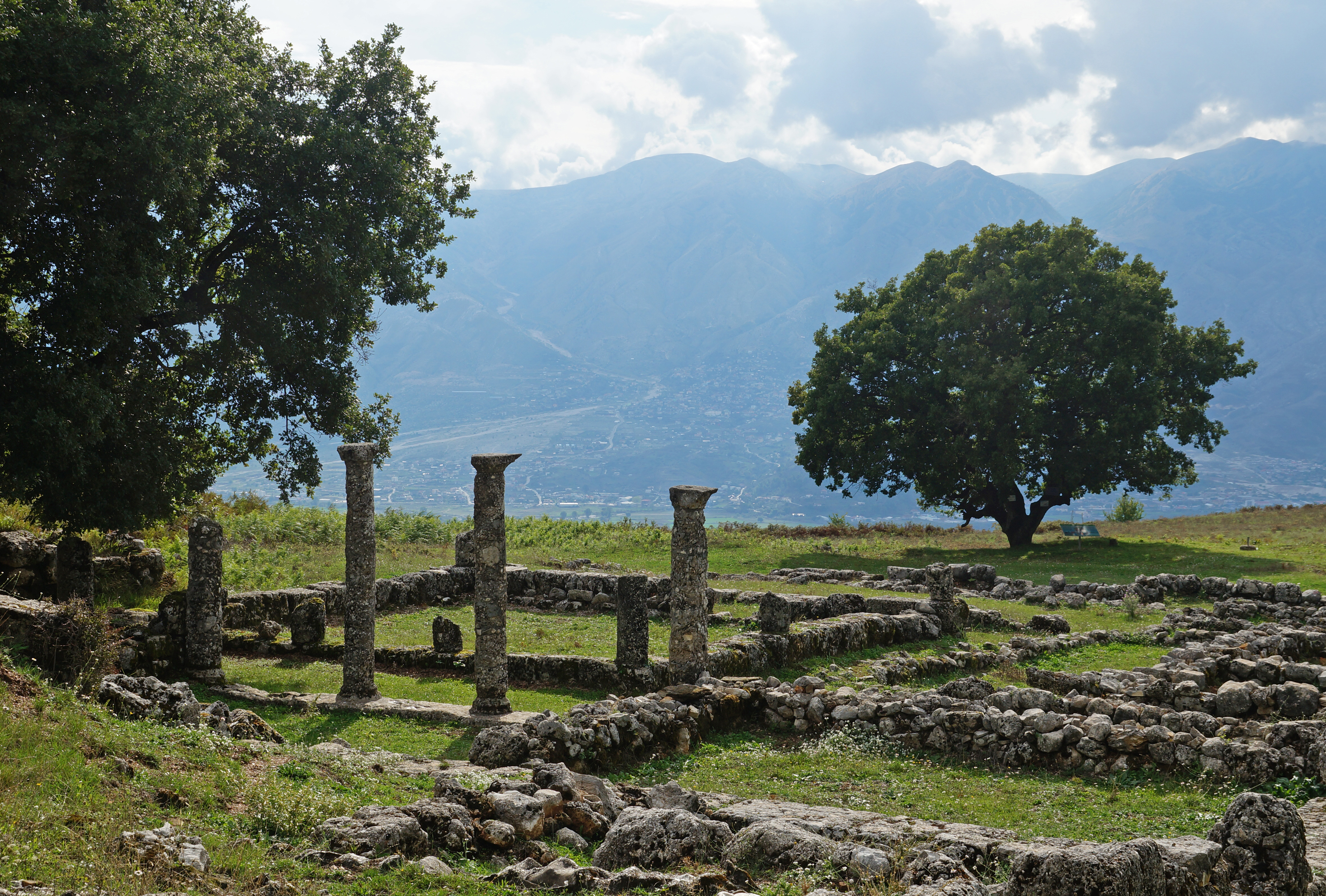
Antigonia (Chaonia)
Ancient city with preserved walls and church.
Selcë e Poshtme
Illyrian settlement and royal tombs, Mokra region, Albania
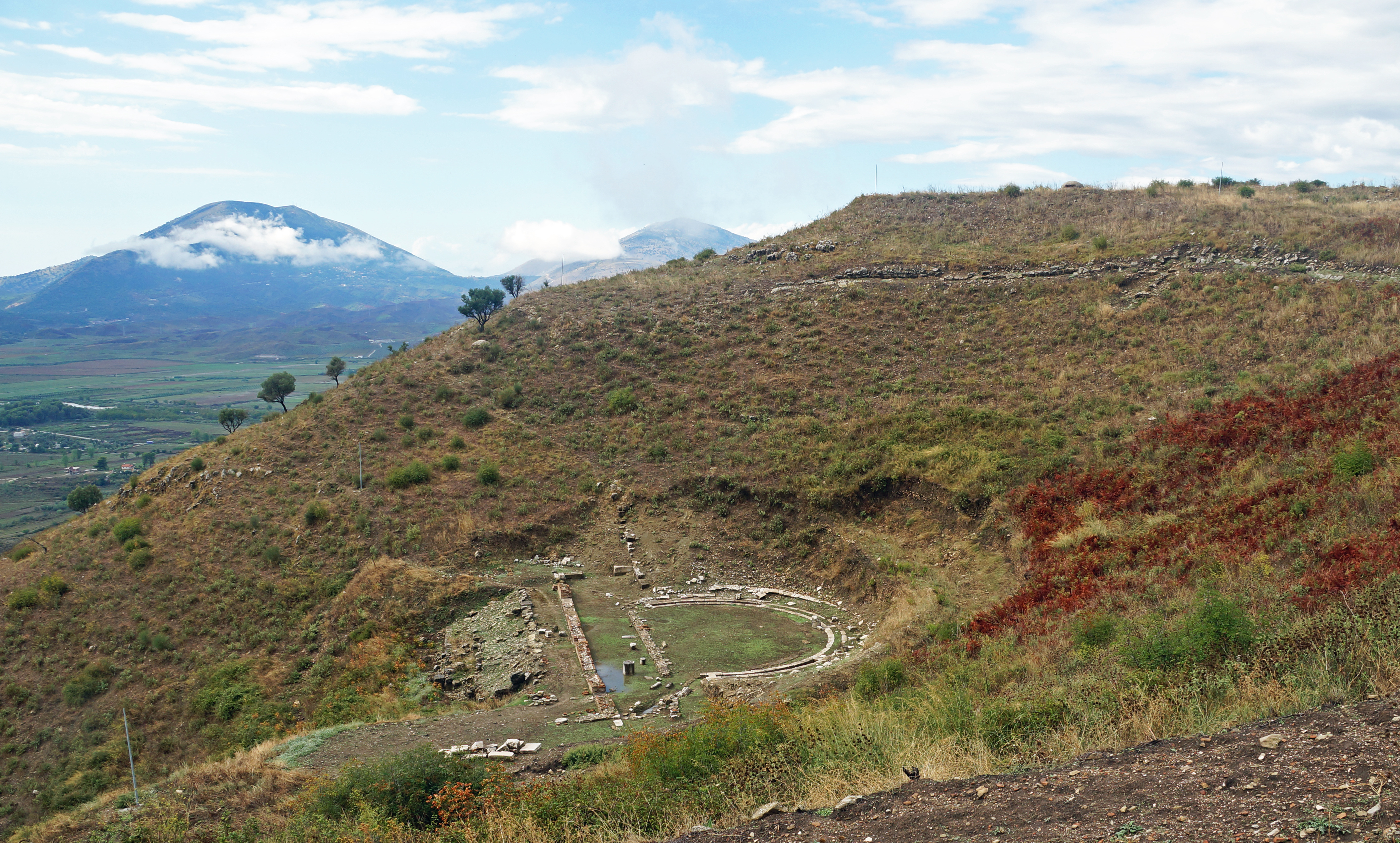
Phoenice
Ancient Greek city with fortifications and acropolis.
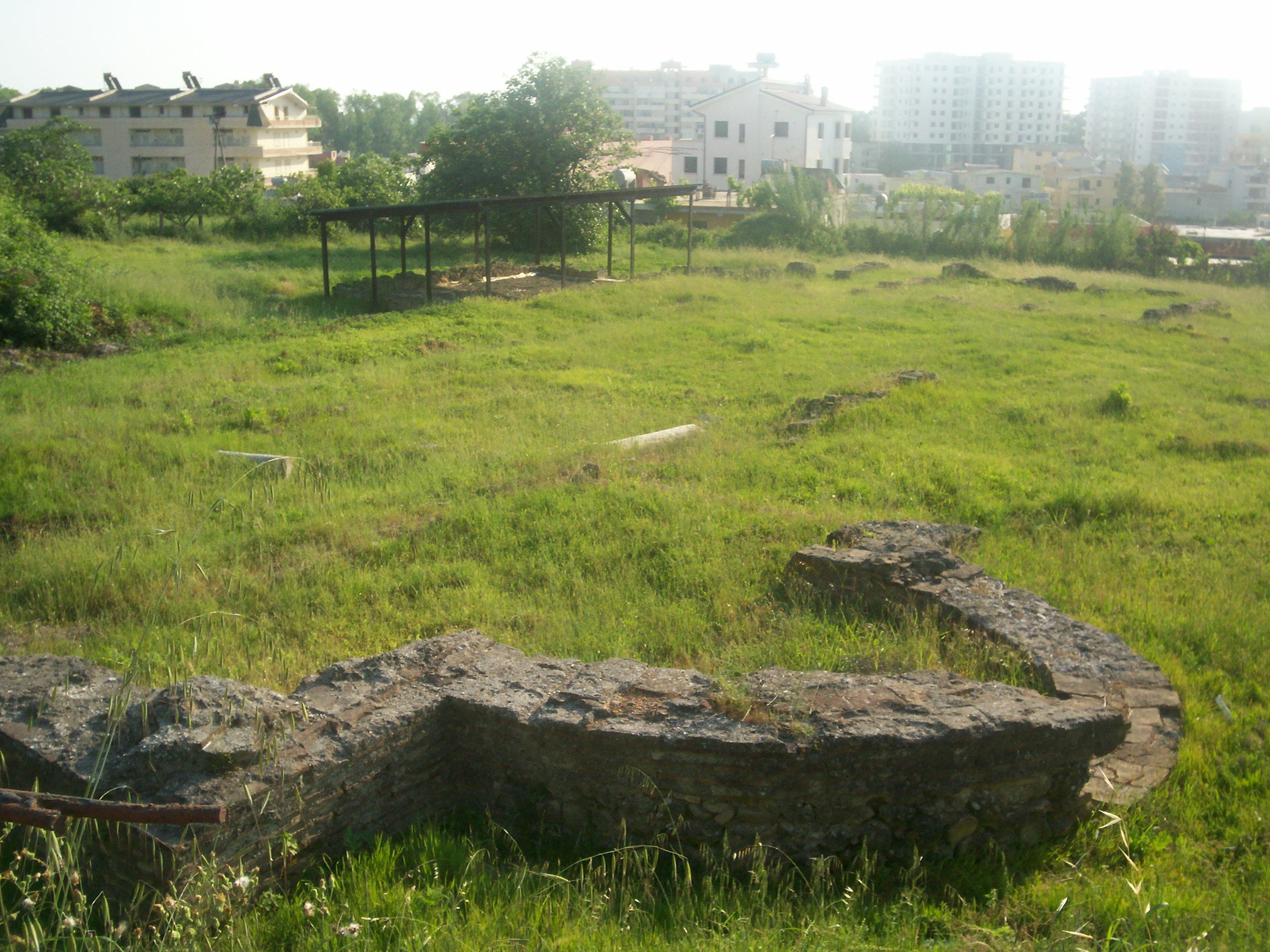
Basilica of Saint Michael
Ruins of early Christian basilica in Albania.
Albanopolis
Ancient city of the Illyrian tribe Albanoi