Explore the Map
Antigonia (Chaonia)
40.0887° N, 20.2221° E
About
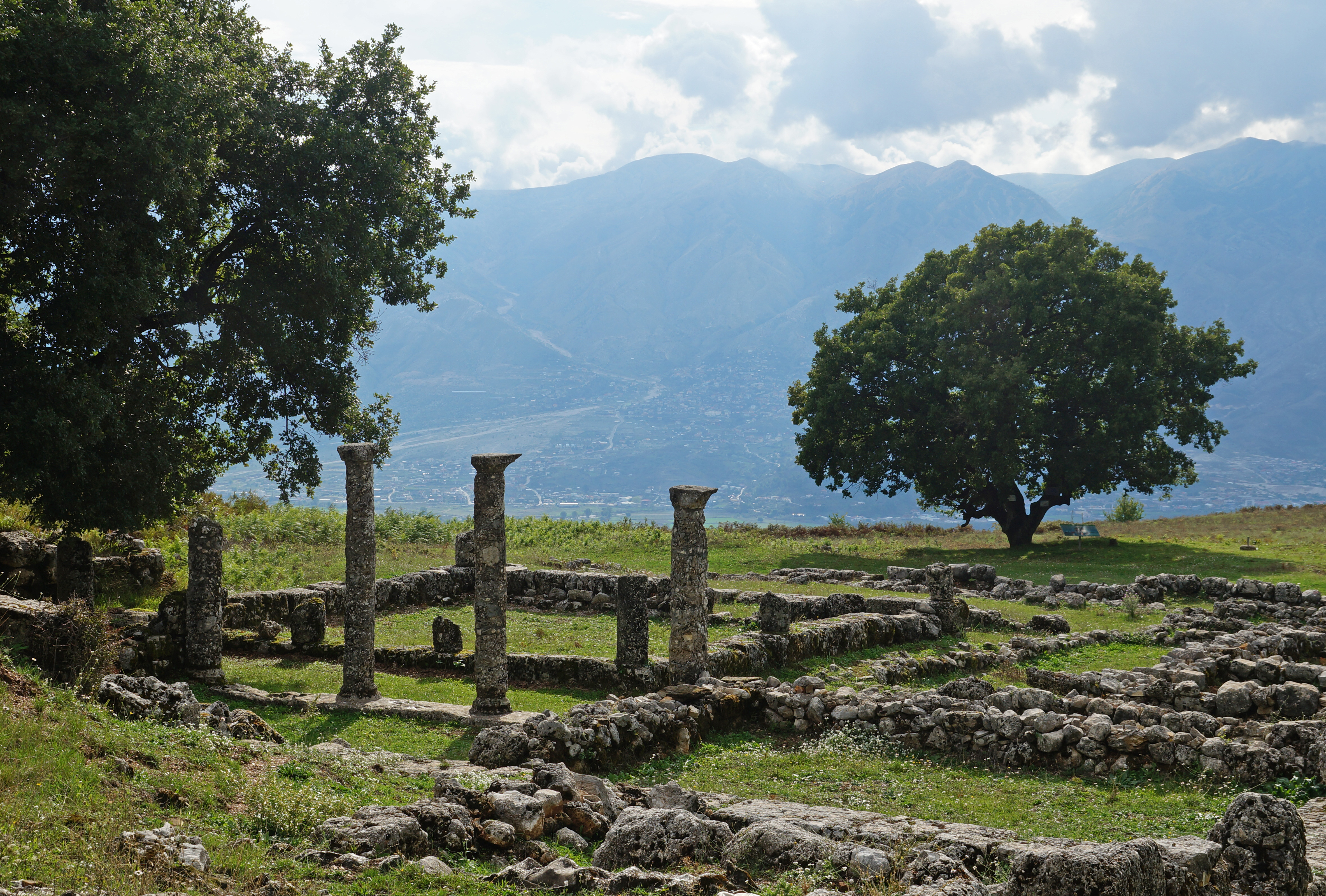
Antigonea, an ancient Greek city located in Chaonia, Epirus, was founded in the 3rd century BCE by Pyrrhus of Epirus. Known for its strategic inland position, the city played a role during significant historical conflicts, including the Second Macedonian War. The city was destroyed by the Romans in 167 BCE as a punishment for siding with the Macedonians. Archaeological features of Antigonea include well-preserved defensive walls and an early Christian church with notable mosaics, which highlight both its ancient and early Christian periods of occupation. The site's significance is underscored by its inclusion as a National Archaeological Park in Albania, reflecting its historical importance and rich cultural heritage.
Gallery
Explore photographs of ancient structures, artifacts, and archaeological excavations

Historical Timeline
Journey through time and discover key events in this site's history
Founding by Pyrrhus
3rd century BCE
Illyrian passage
230 BCE
Second Macedonian War conflict
198 BCE
Roman destruction
167 BCE
Slavic destruction
6th century CE
Early Christian church construction
6th century CE
Archaeological Features
Unique architectural and cultural elements found at this historical site
Defensive Structures
Religious and Ritual Structures
Artistic and Decorative Features
Domestic and Habitation Structures
Frequently Asked Questions
Plan Your Visit
Tours, travel arrangements, and practical information
More Sites in Albania
Selcë e Poshtme
Illyrian settlement and royal tombs, Mokra region, Albania
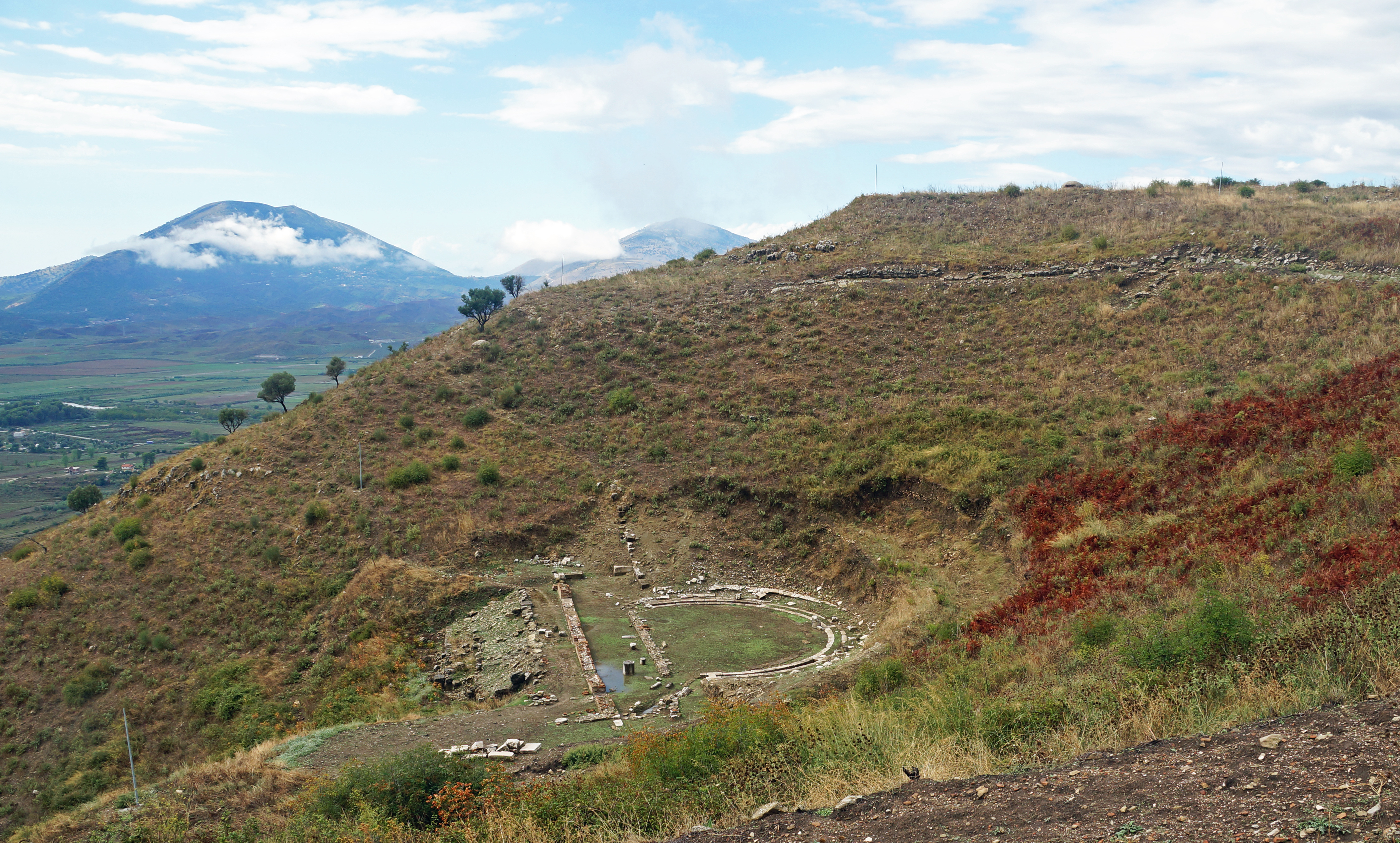
Phoenice
Ancient Greek city with fortifications and acropolis.
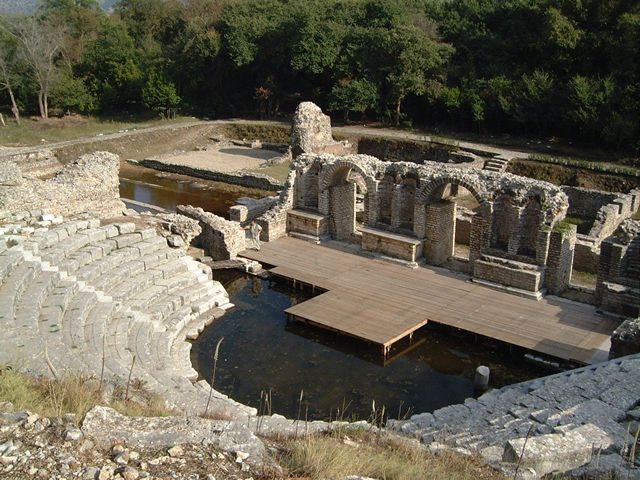
Tirana Mosaic
Roman villa and Paleo-Christian basilica.
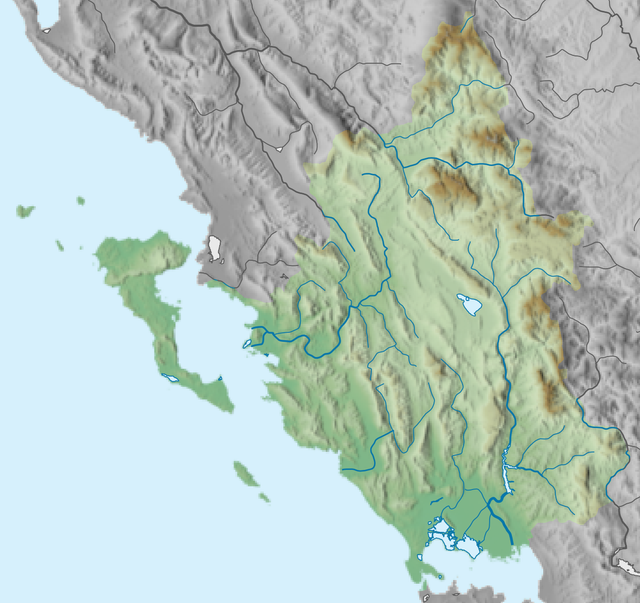
Hadrianopolis (Epirus)
Ancient town with theatre and fortress ruins
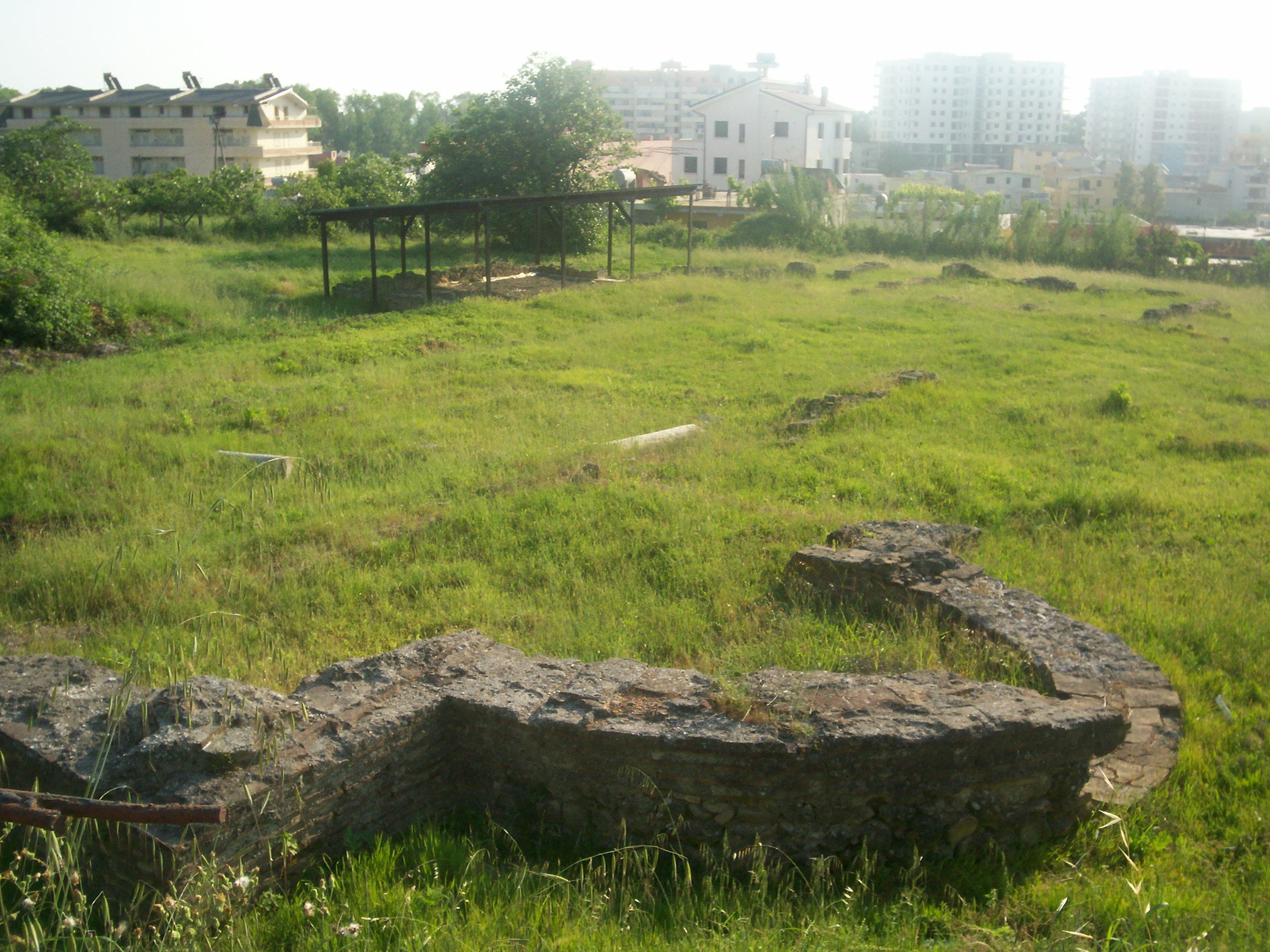
Basilica of Saint Michael
Ruins of early Christian basilica in Albania.
Kratul
Iron Age Illyrian fortification with elliptical walls.