Explore the Map
Phoenice
39.9133° N, 20.0578° E
About
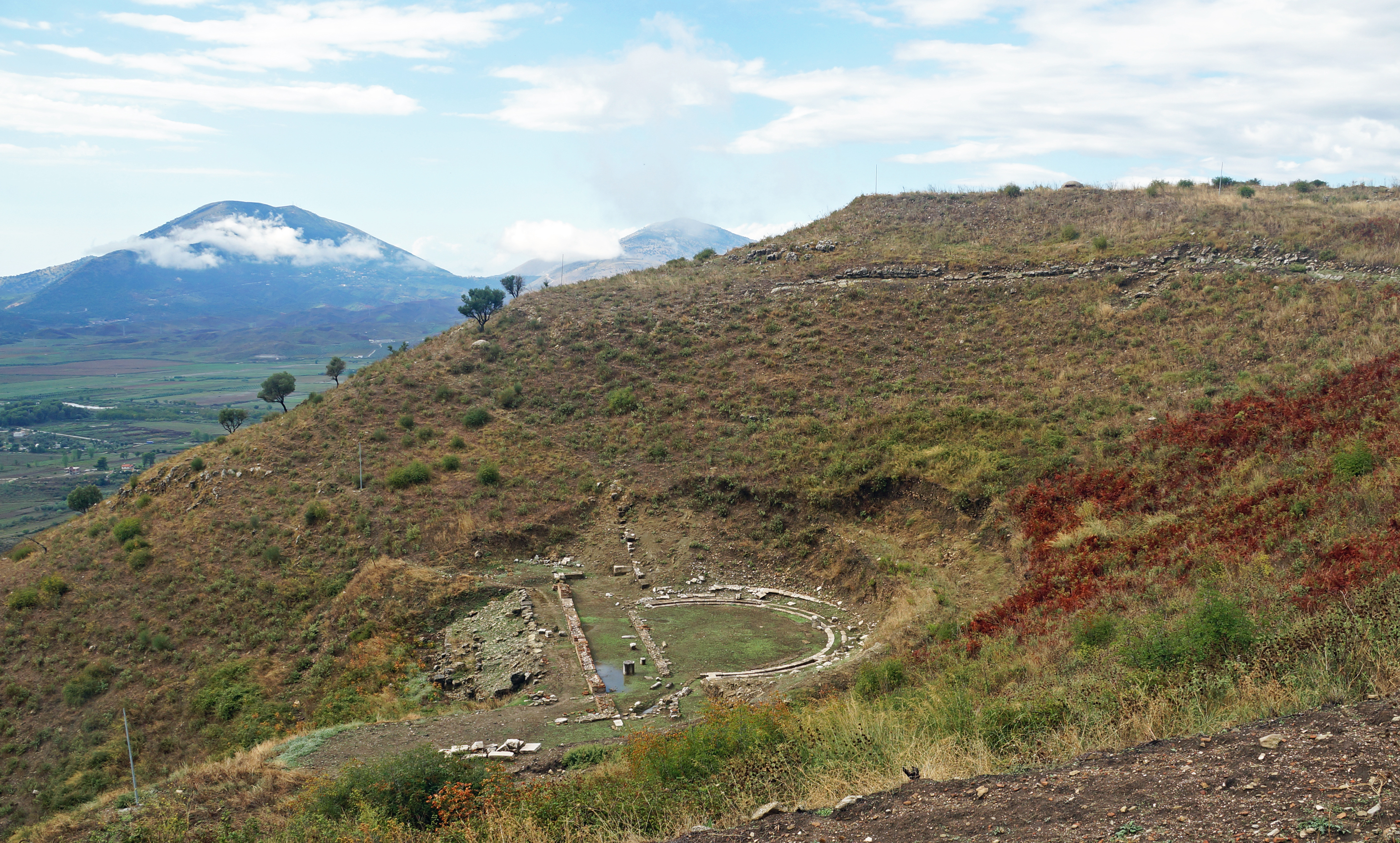
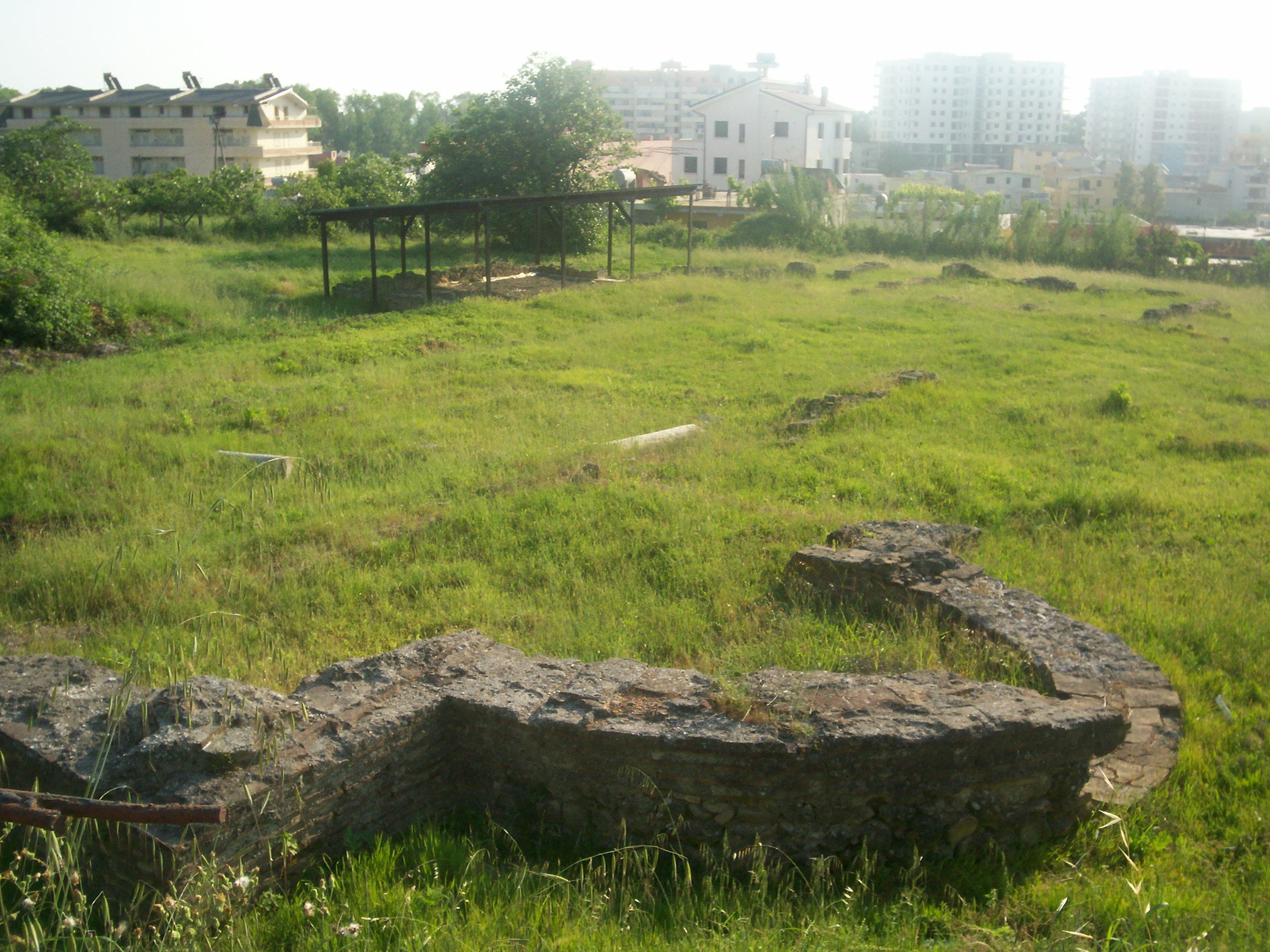
Phoenice, an ancient Greek city located in modern southern Albania, served as the political center of the Chaonians in Epirus. Founded during the Middle Iron Age, it featured prominent defensive structures including massive walls and an acropolis. The city played a crucial role in regional politics, becoming the center of the Epirote League following the assassination of Queen Deidamia II in 233 BCE. Notably, Phoenice was the site of the 205 BCE treaty that concluded the First Macedonian War. In its Byzantine phase, the city hosted religious structures with influences from major basilicas of the era. However, after the 6th century CE, Phoenice declined, with its urban functions shifting to nearby Mesopotamon. Excavations have revealed Hellenistic and Roman-era artifacts, indicating its historical significance.
Gallery
Explore photographs of ancient structures, artifacts, and archaeological excavations
Historical Timeline
Journey through time and discover key events in this site's history
5th century BCE acropolis construction
5th century BCE
4th century BCE fortification expansion
4th century BCE
233 BCE end of monarchy
233 BCE
231 BCE Illyrian capture
231 BCE
205 BCE Treaty of Phoenice
205 BCE
6th century CE urban decline
6th century CE
Archaeological Features
Unique architectural and cultural elements found at this historical site
Defensive Structures
Burial and Funerary Structures
Religious and Ritual Structures
Domestic and Habitation Structures
Frequently Asked Questions
Plan Your Visit
Tours, travel arrangements, and practical information
More Sites in Albania
Selcë e Poshtme
Illyrian settlement and royal tombs, Mokra region, Albania
Antigonia (Chaonia)
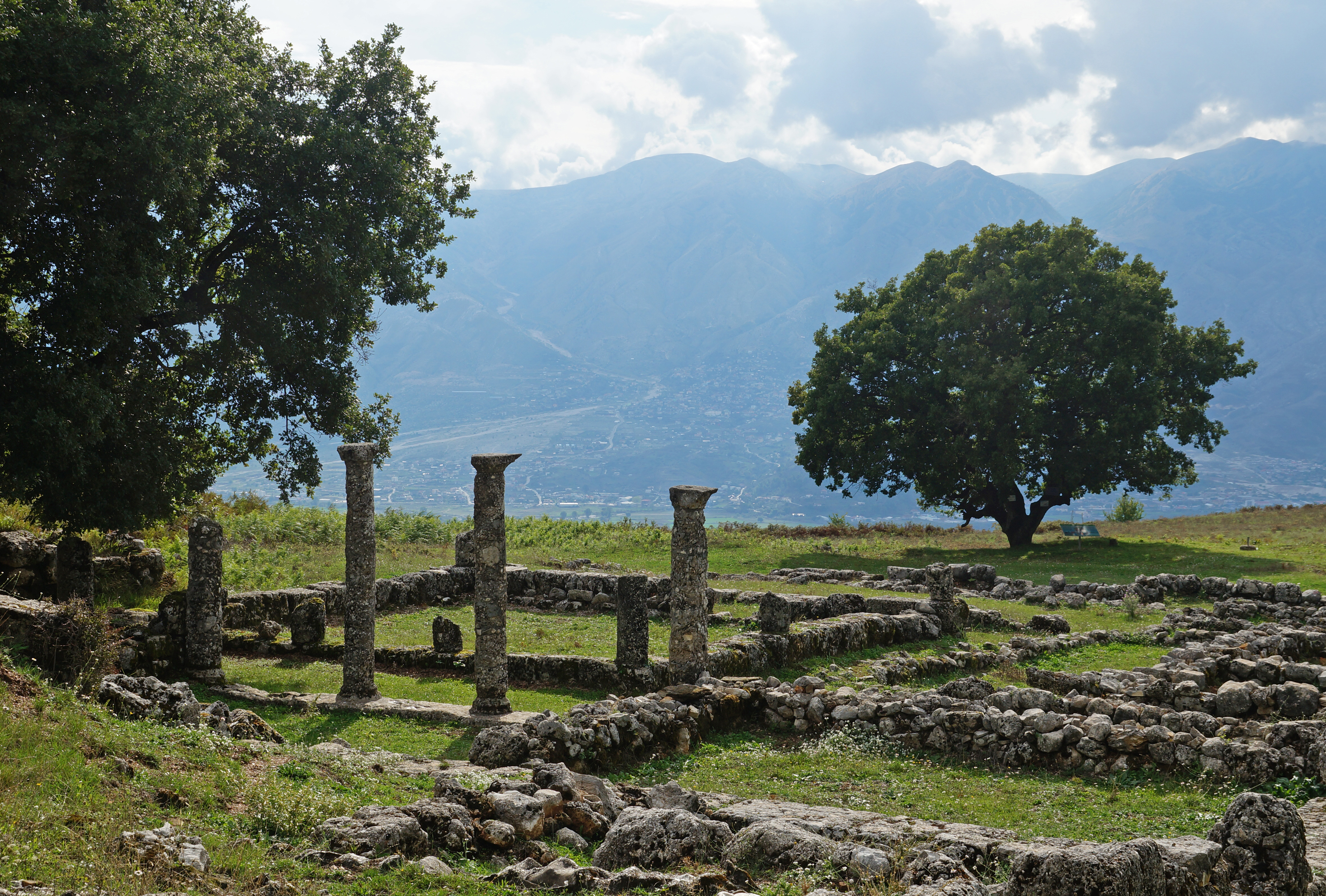
Ancient city with preserved walls and church.
Hadrianopolis (Epirus)
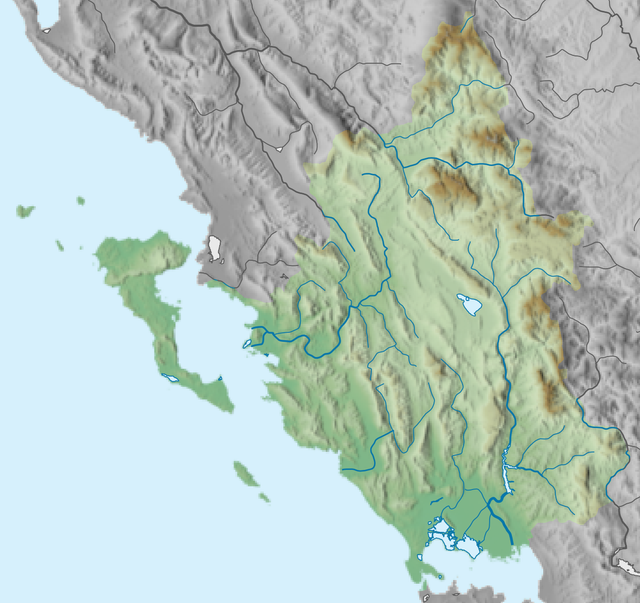
Ancient town with theatre and fortress ruins
Kratul
Iron Age Illyrian fortification with elliptical walls.
Royal Tombs of Selca e Poshtme
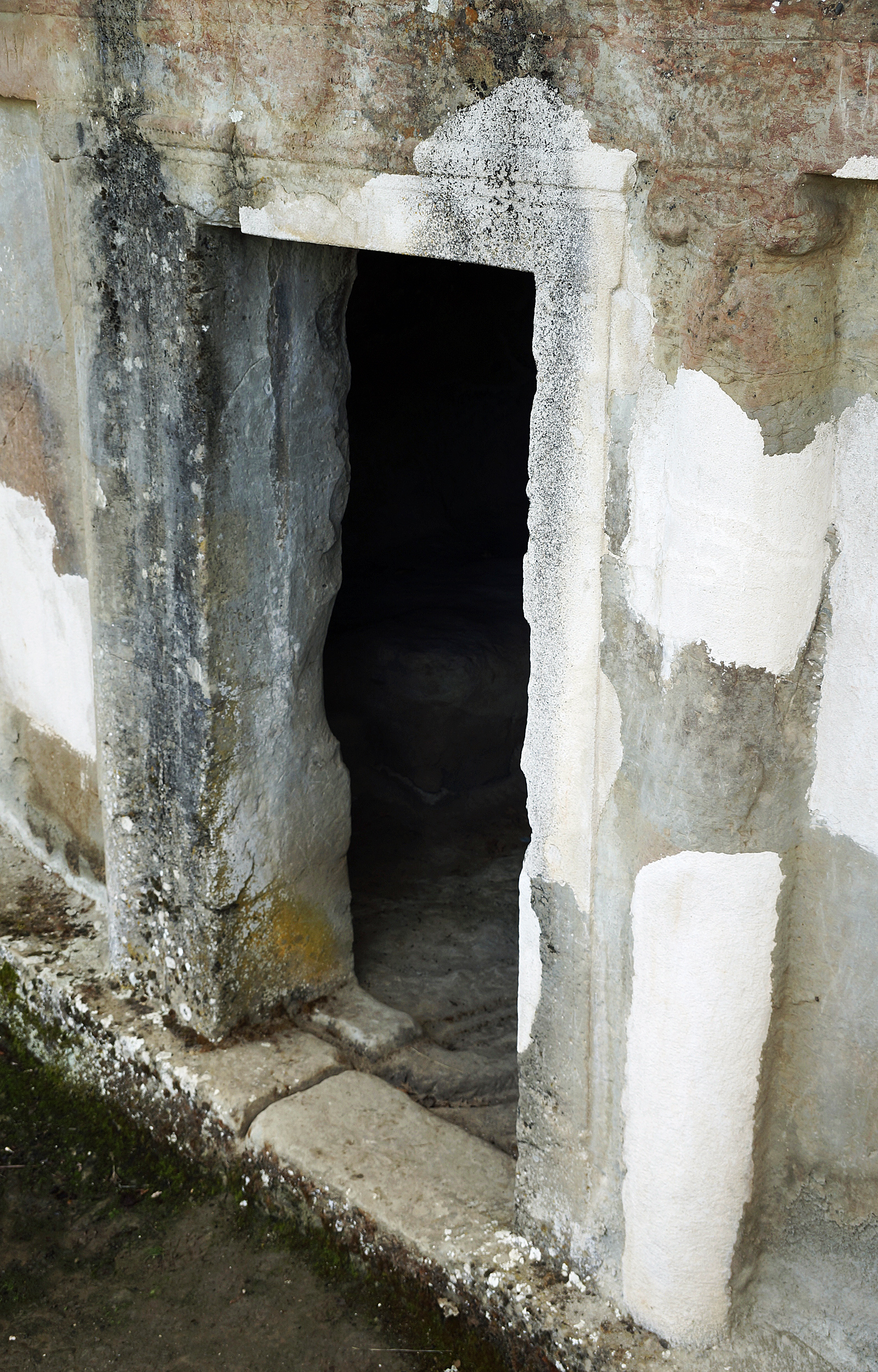
Rock-cut royal tombs with Greek influences
Basilica of Saint Michael
Ruins of early Christian basilica in Albania.