
Explore the Map
Cueva de las Manos
-47.1558° N, -70.6572° E
About
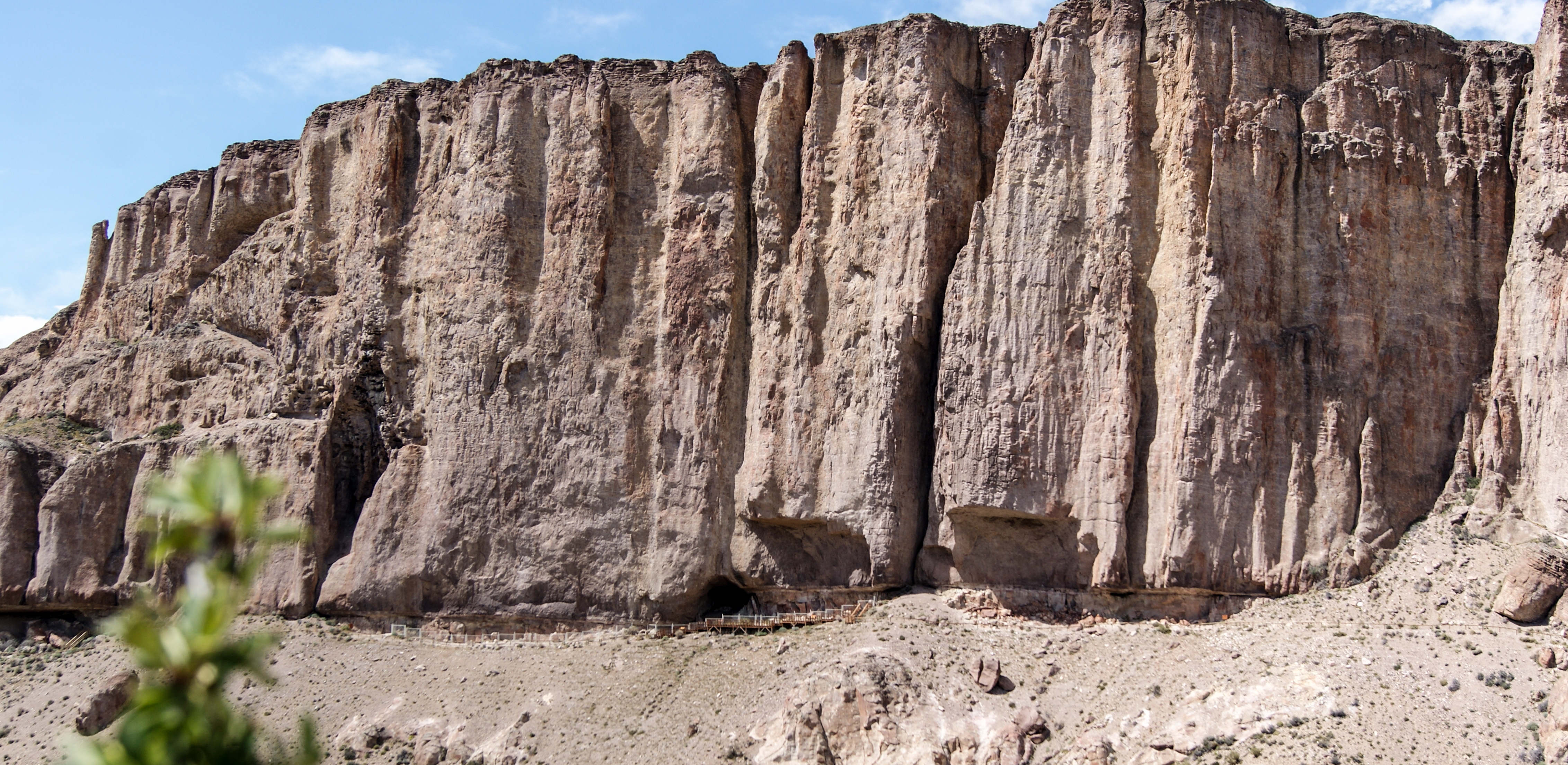
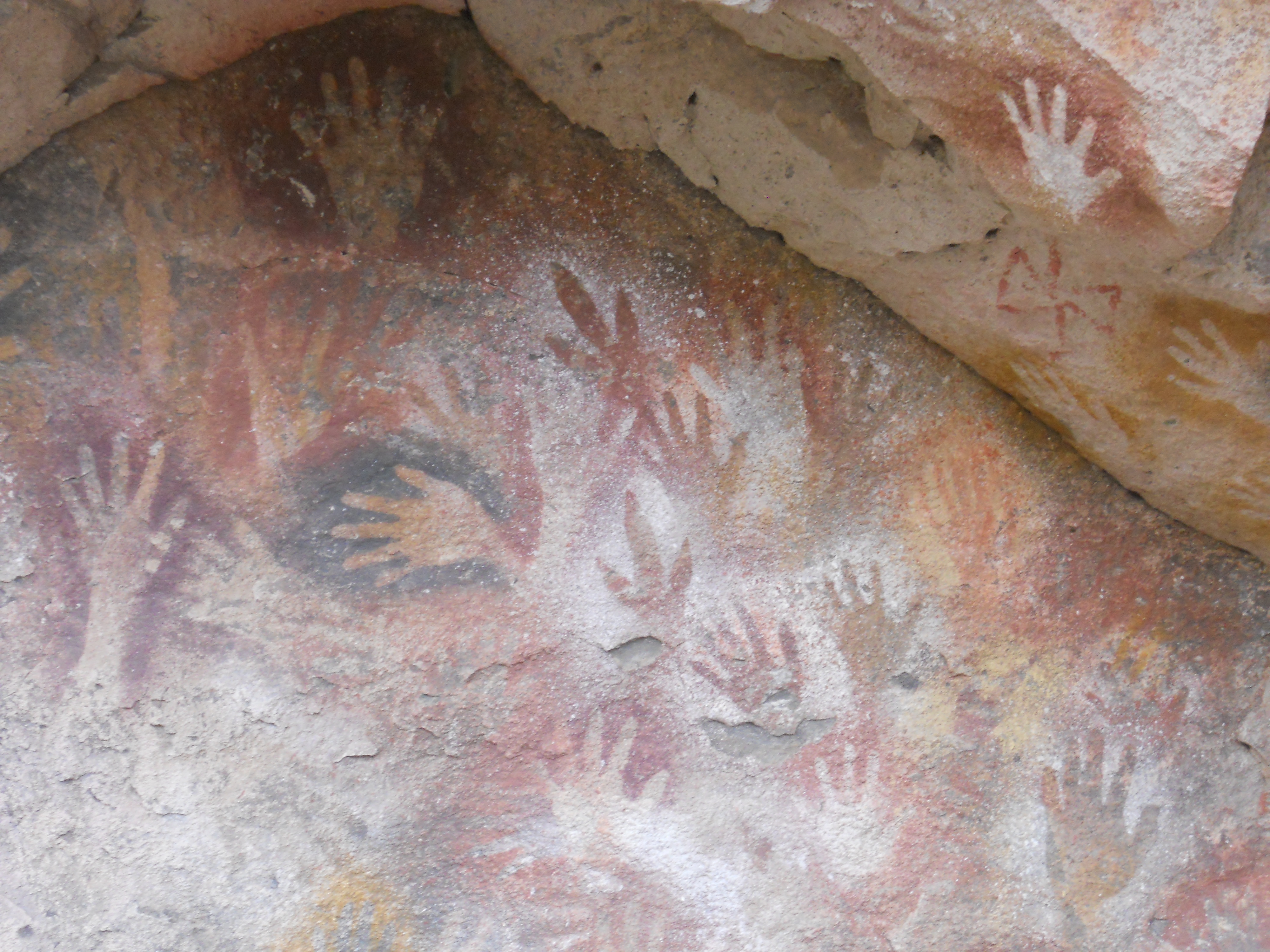
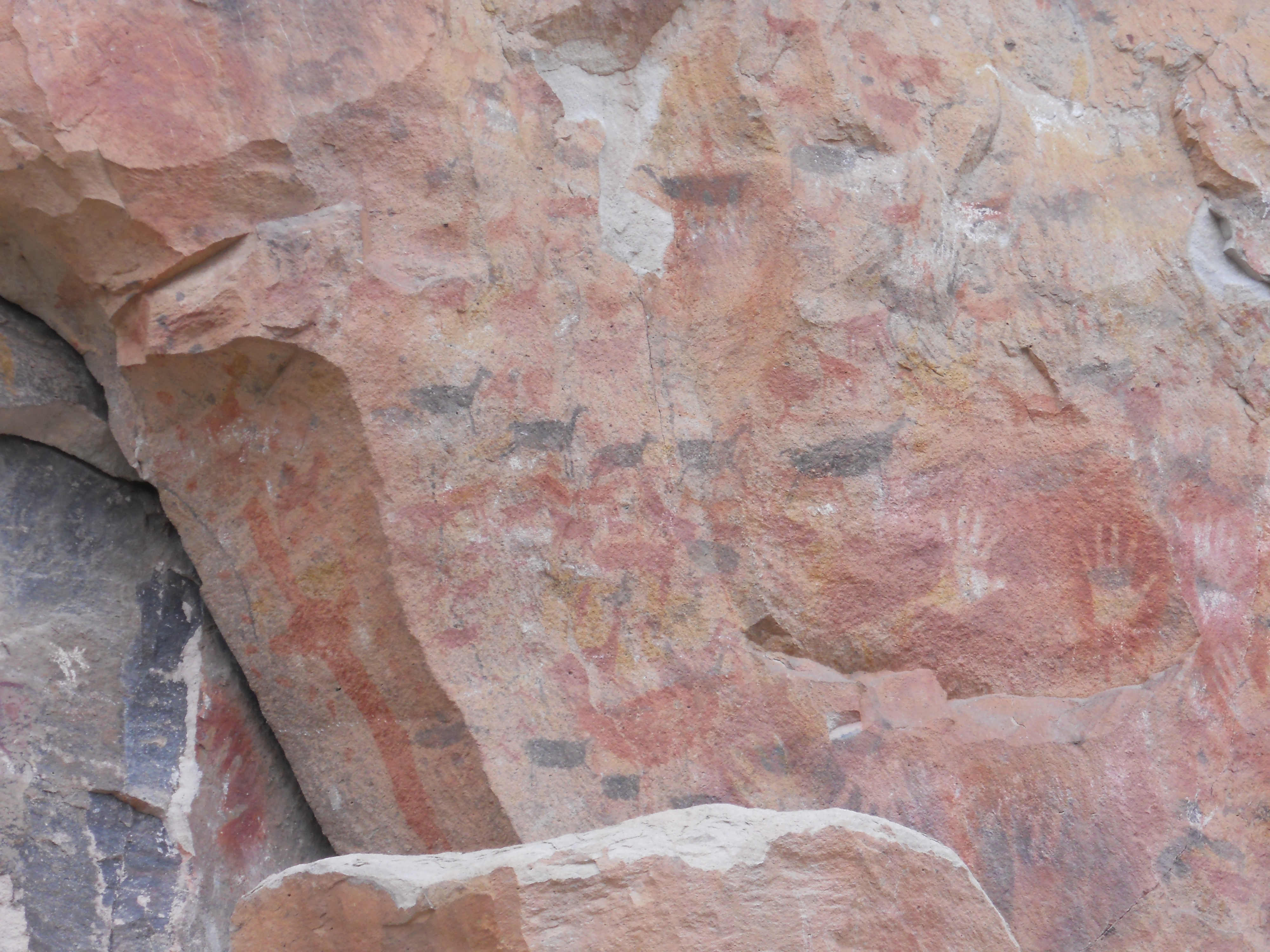
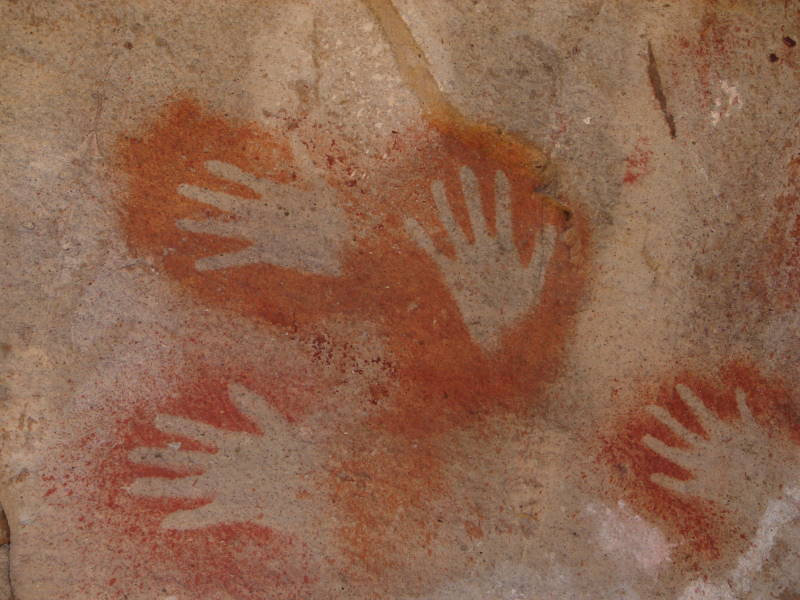
Cueva de las Manos, located in the province of Santa Cruz, Argentina, is a significant archaeological site renowned for its extensive collection of prehistoric rock art. The site features a series of cave paintings, primarily known for the numerous stenciled handprints on its walls, dated between 7300 BCE and 700 CE. These artworks, created over several millennia, provide crucial insights into the lives of early hunter-gatherers in South America. The site evidences complex cultural practices through its detailed depictions of hunting scenes and animal life, primarily guanacos, which were vital to the local economy. The cave art at Cueva de las Manos is not only an invaluable window into the symbolic and artistic expressions of prehistoric peoples but also serves as a testament to their adaptive strategies and social structures.
Gallery
Explore photographs of ancient structures, artifacts, and archaeological excavations
Historical Timeline
Journey through time and discover key events in this site's history
Earliest rock art
7300 BCE
Stylistic groups B and B1
5000 BCE
End of stylistic group A
4770 BCE
Last known habitation
700 CE
Archaeological Features
Unique architectural and cultural elements found at this historical site
Artistic and Decorative Features
Domestic and Habitation Structures
Frequently Asked Questions
Plan Your Visit
Tours, travel arrangements, and practical information
More Sites in Argentina
Gruta del Indio
Rock shelter with human and mega-fauna remains
Pucará de Tilcara
Pre-Inca fortified town (pukara), Tilcara, Argentina
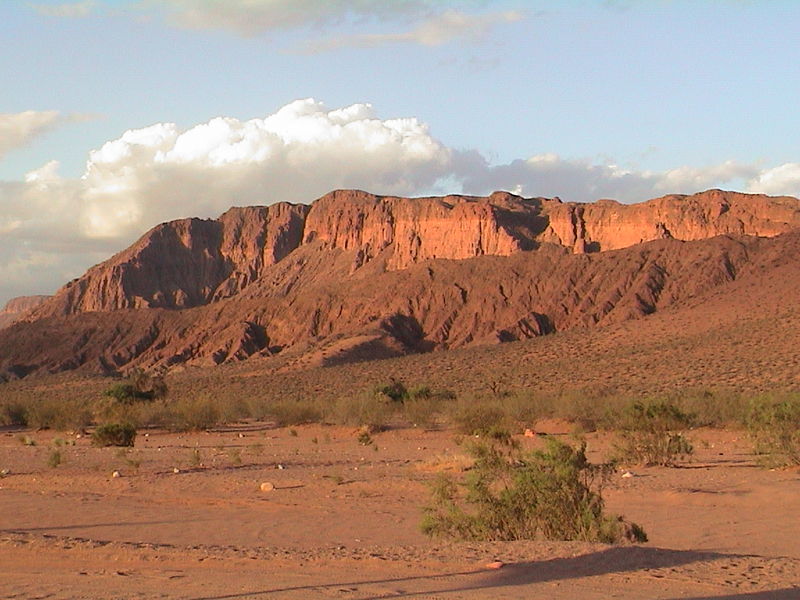
Talampaya National Park
Desert landscapes with archaeological sites
Los Toldos (Santa Cruz)
Ancient habitation site with archaeological strata.
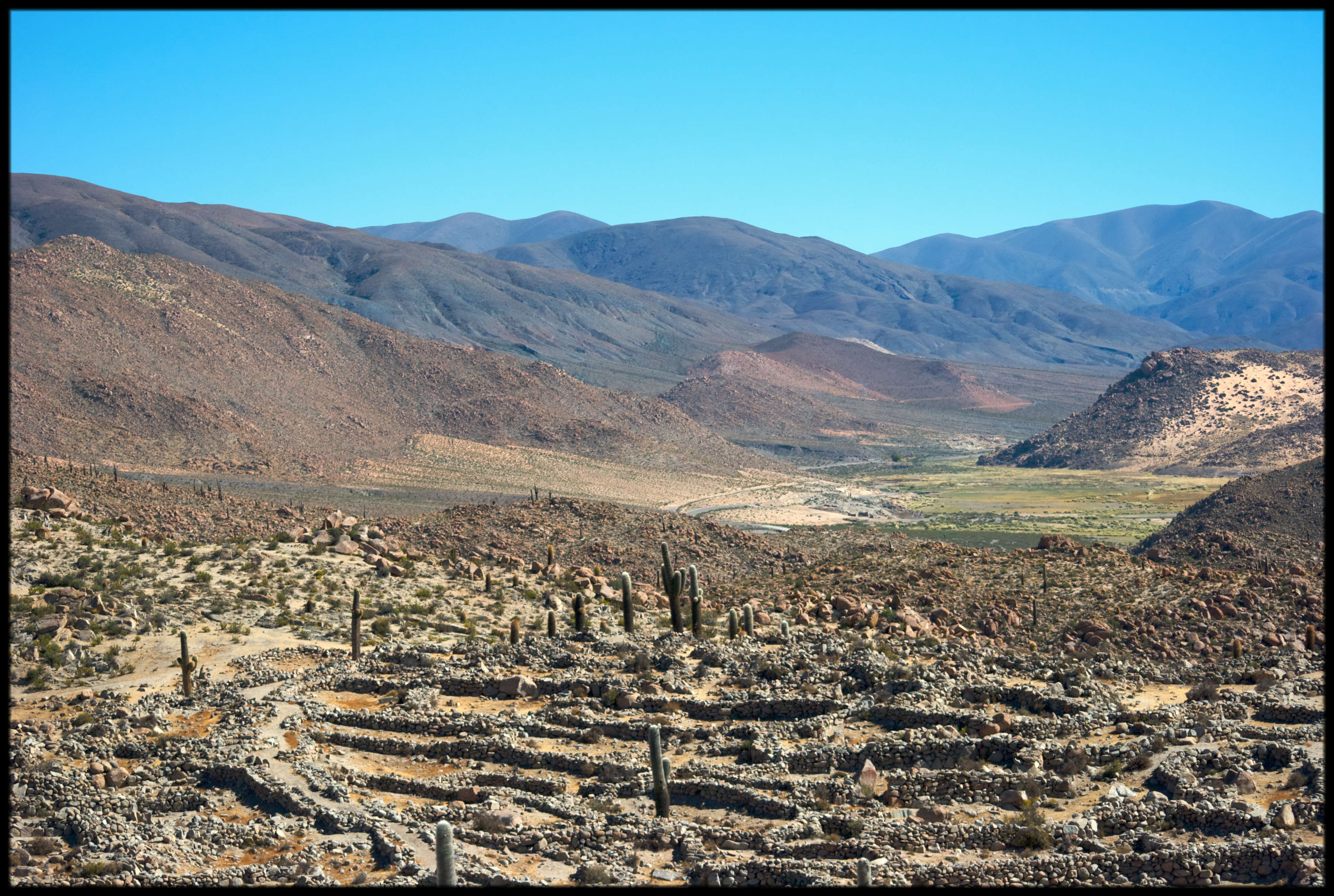
Tastil
Sandstone city with labyrinthine layout, plazas.
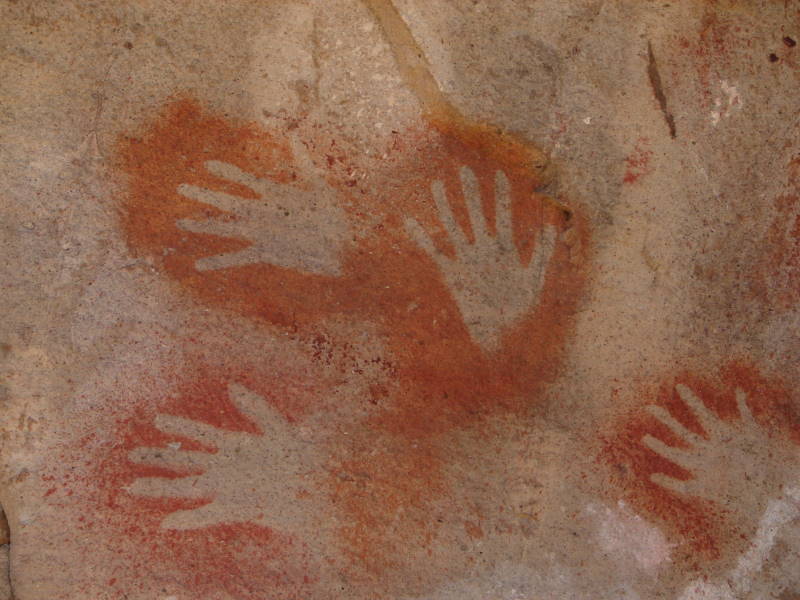
Ruins of Quilmes
Largest pre-Columbian settlement in Argentina