Time Periods
Paleolithic
Mesolithic
Neolithic
Chalcolithic
Bronze Age
Iron Age
Classical Period
Post-Classical Period
Early Modern Period
Industrial Period
Contemporary Period
Time Periods
Paleolithic
Mesolithic
Neolithic
Chalcolithic
Bronze Age
Iron Age
Classical Period
Post-Classical Period
Early Modern Period
Industrial Period
Contemporary Period
Location
About
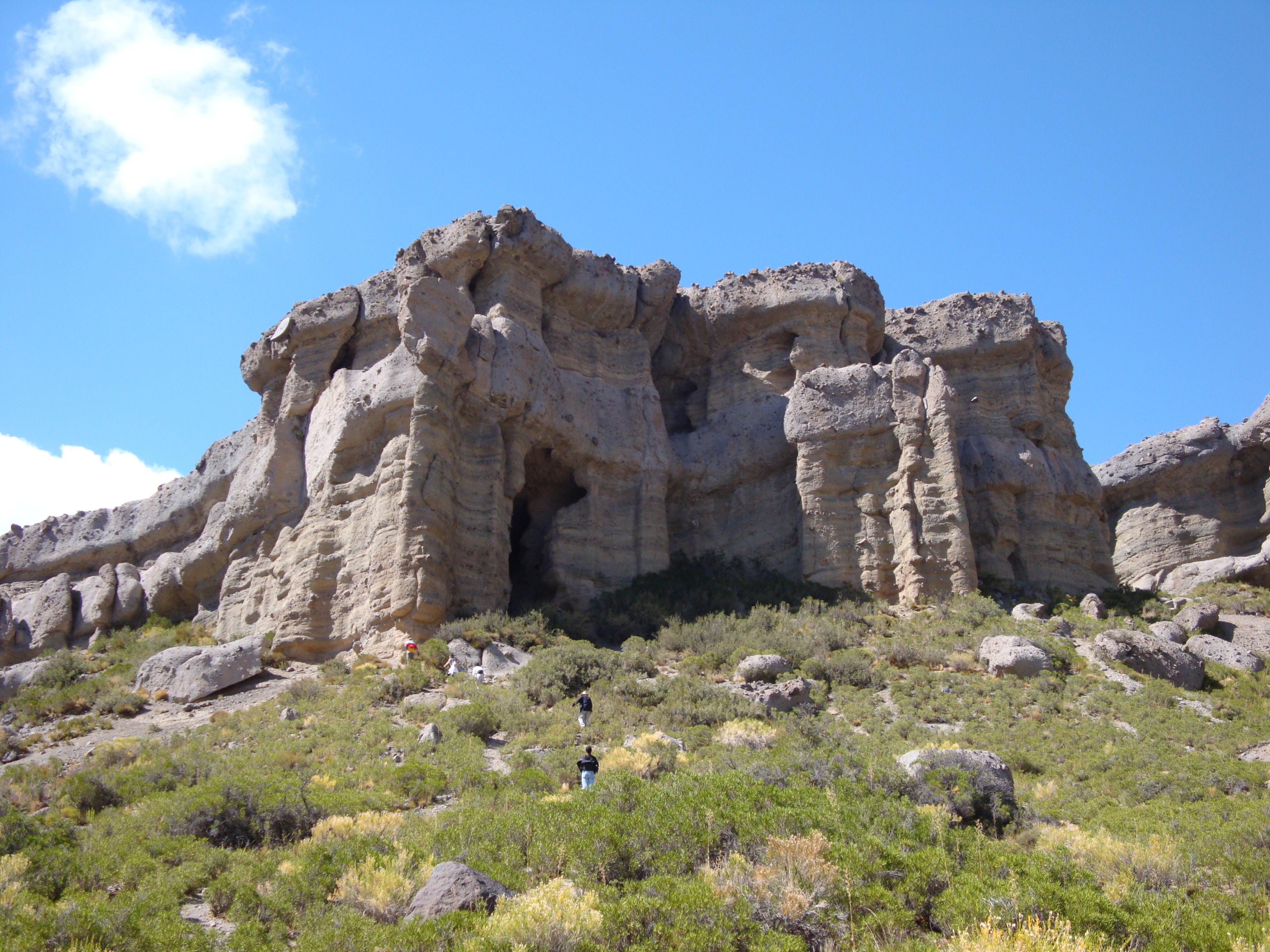
The Reserva Provincial Castillos de Pincheira is a fascinating natural monument located in southern Mendoza Province, Argentina. The site is characterized by remarkable rock formations sculpted by glacial erosion, resembling a giant castle. Historically, it served as a refuge for the infamous Chilean bandits known as the Pincheira brothers in the early 20th century. Archaeologically, the site is significant due to the presence of arrowheads linked to the Huarpes, an ancient ethnic group that once inhabited the area. These artifacts offer insights into the early human activities and settlement patterns in the region. The combination of its unique geological features and its historical and archaeological significance make the Castillos de Pincheira a noteworthy site for both natural and cultural heritage.
Gallery
Explore photographs of ancient structures, artifacts, and archaeological excavations at Reserva Provincial Castillos de Pincheira
Archaeological Features
Explore the unique architectural and cultural elements found at this historical site
Defensive Structures
Artistic and Decorative Features
Environmental and Natural Features
Historical Timeline
Journey through time and discover key events in this site's archaeological history
Plan Your Visit
Details
- Country
- Argentina
- Source
- Wikipedia
More Sites in Argentina
Nevado de Acay
High-altitude Inka sanctuary and mining site
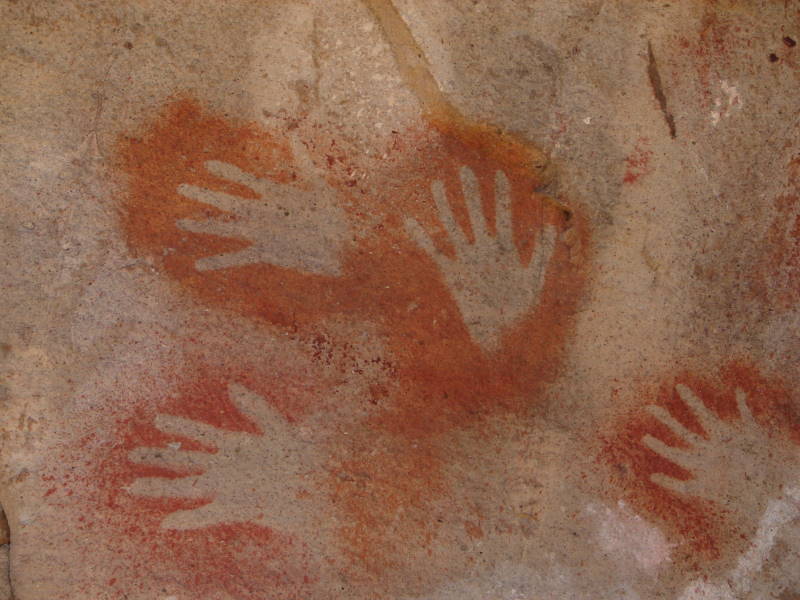
Ruins of Quilmes
Largest pre-Columbian settlement in Argentina
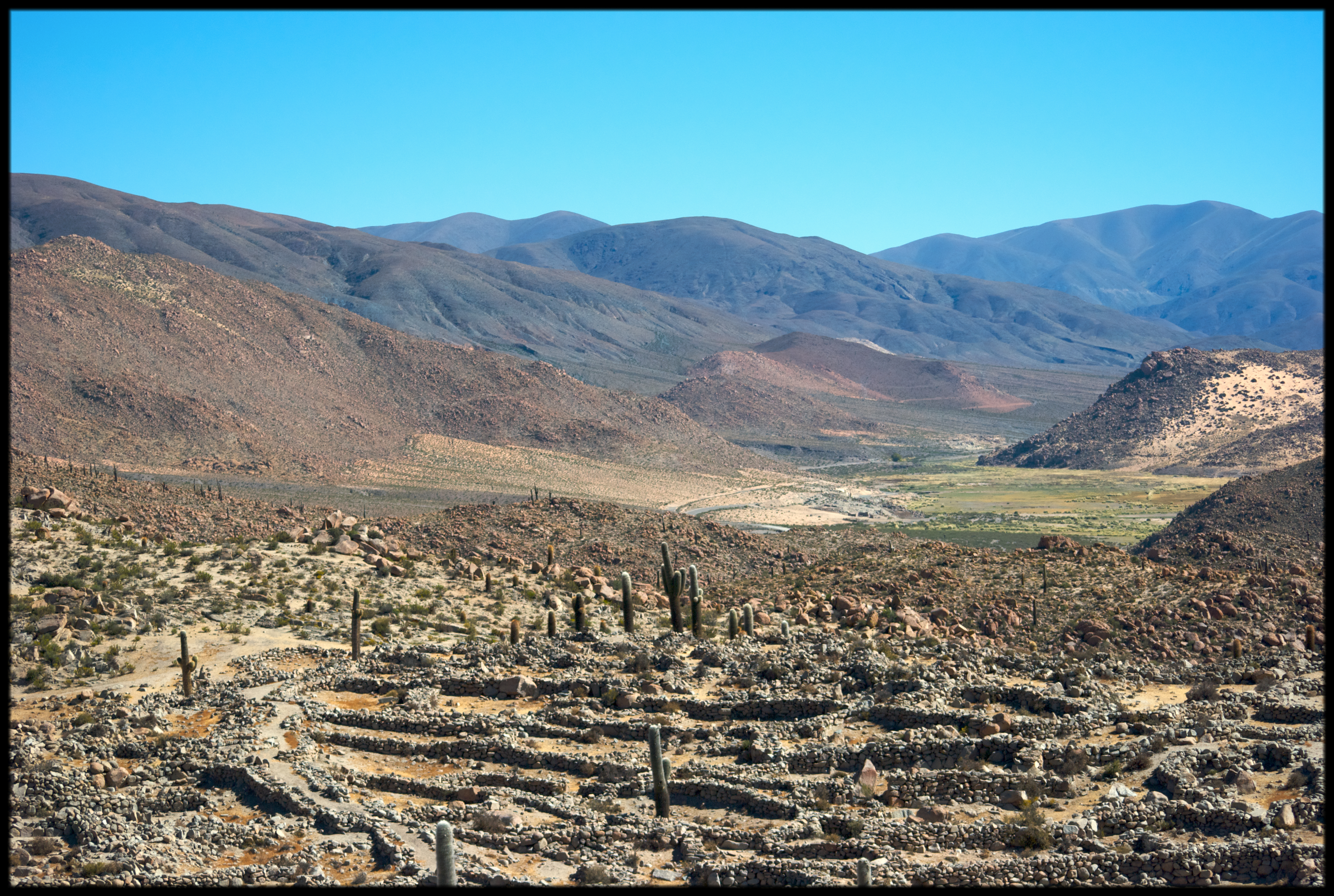
Tastil
Sandstone city with labyrinthine layout, plazas.
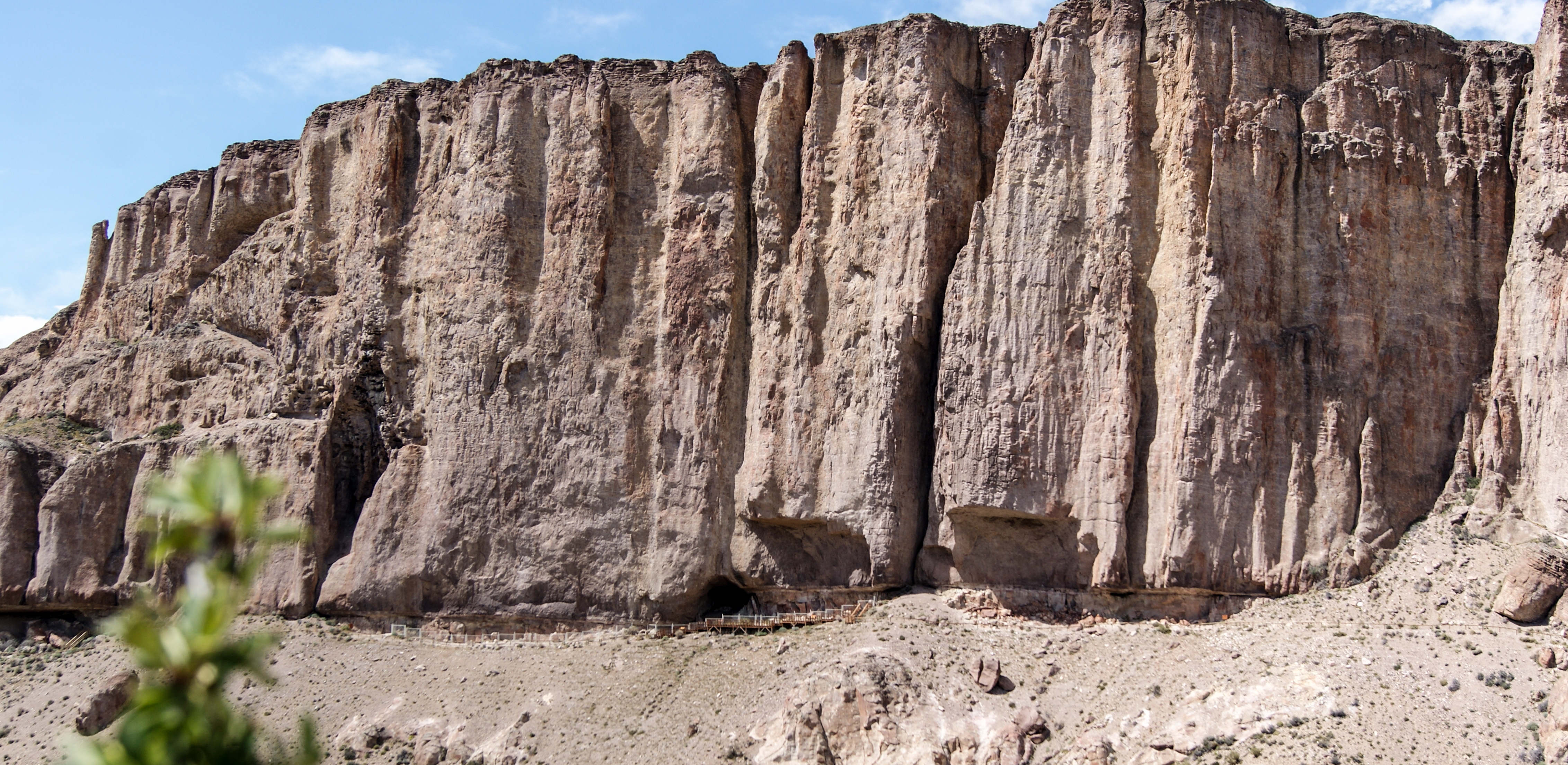
Cueva de las Manos
Cave with rock art in Patagonia.
Nombre de Jesús (Patagonia)
Explore this archaeological site.
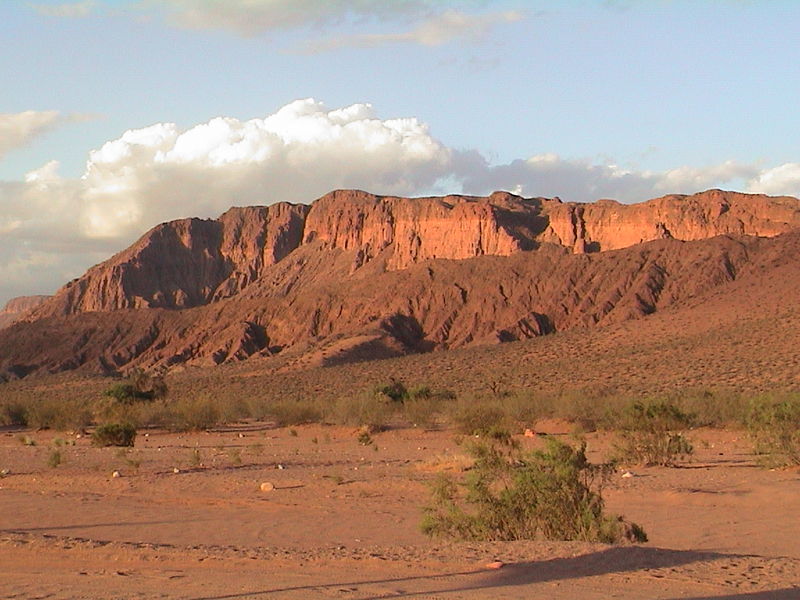
Talampaya National Park
Desert landscapes with archaeological sites